

A parent hears that their child is "behind," looks worried, and turns to the interpreter for reassurance. A teacher uses an acronym the family has never heard. A school staff member asks, "Can you explain that to them?" These are ord...
Read More
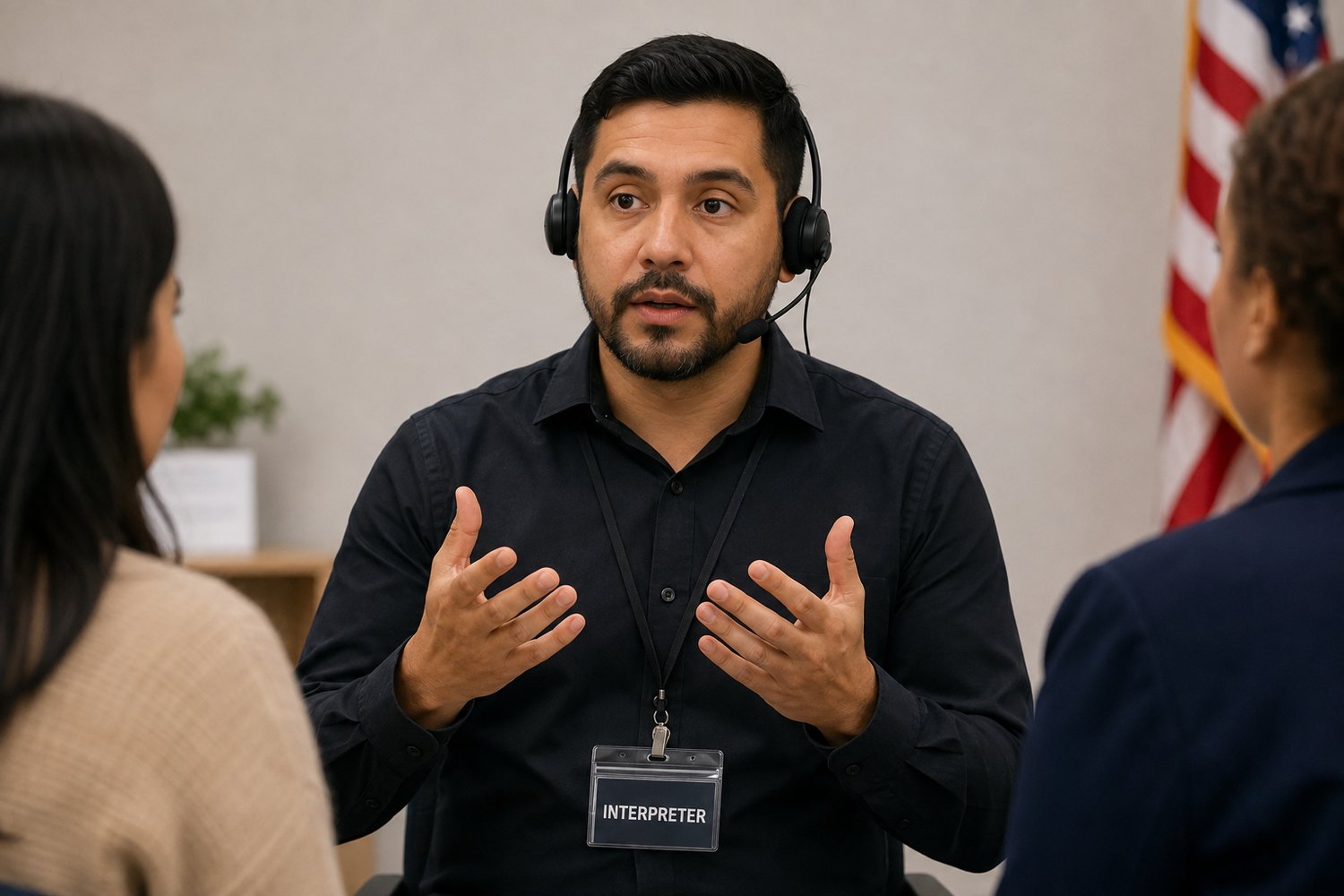

A court interpreter may be asked to interpret a defendant’s response to a judge, a witness’s account of violence, or the terms of a plea agreement. There is no room to guess, soften meaning, or let nerves replace preparation. Learning how to prepare...
Read More

A provider says, “We need to rule out a pulmonary embolism,” while the patient is frightened, in pain, and waiting for an answer. In that moment, medical interpreter terminology training is not about proving that you memorized a word list. It is abo...
Read More

A patient pauses before sharing a diagnosis. A parent describes a difficult situation in an IEP meeting. A witness answers a question in court. In each moment, the interpreter is trusted with information that may be deeply personal, legally protecte...
Read More

A patient is deciding whether to consent to a procedure. A parent is meeting with a school team about their child. A defendant is hearing information that may affect their freedom. In moments like these, an interpreter is not simply helping people “...
Read More

Why We Created TLCLab: Practical Training for the Next Generation of Language Professionals Since 2000, our team has worked within the language-services industry, helping individuals, organizations, and communities communicate across languages and c...
Read More