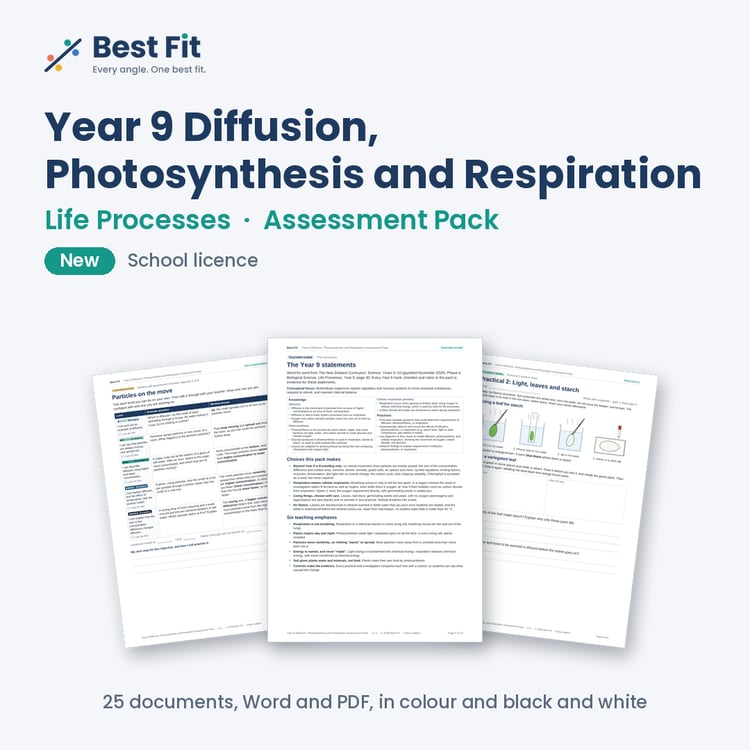


Year 9 Ecosystem Conditions Assessment Pack: Ecosystems (2027 science curriculum)
Everything you need to gather and judge evidence for Year 9 Ecosystems against the five progress descriptors: fieldwork, conversations, student work and tests.
DESCRIPTION
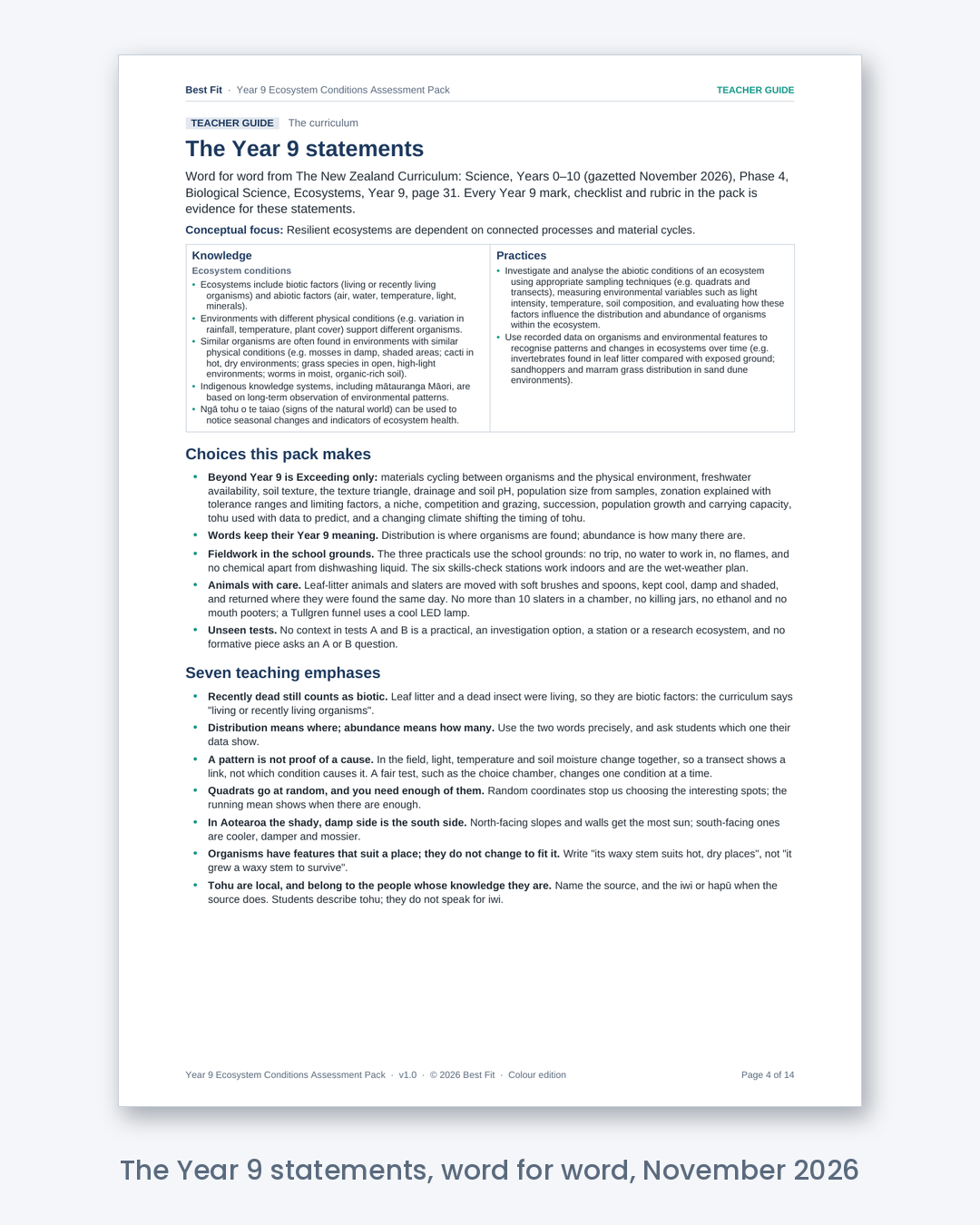
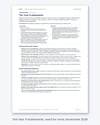
Built for Science Years 0–10 (gazetted November 2026), Phase 4, Biological Science: Ecosystems (ecosystem conditions). Every Year 9 knowledge and practice statement is quoted word for word in the teacher guide and mapped to the evidence that shows it.
Eight sections: biotic and abiotic factors · measuring abiotic factors · sampling with quadrats · transects · different conditions, different organisms · similar conditions, similar organisms · patterns and change over time · ngā tohu o te taiao and long-term observation.
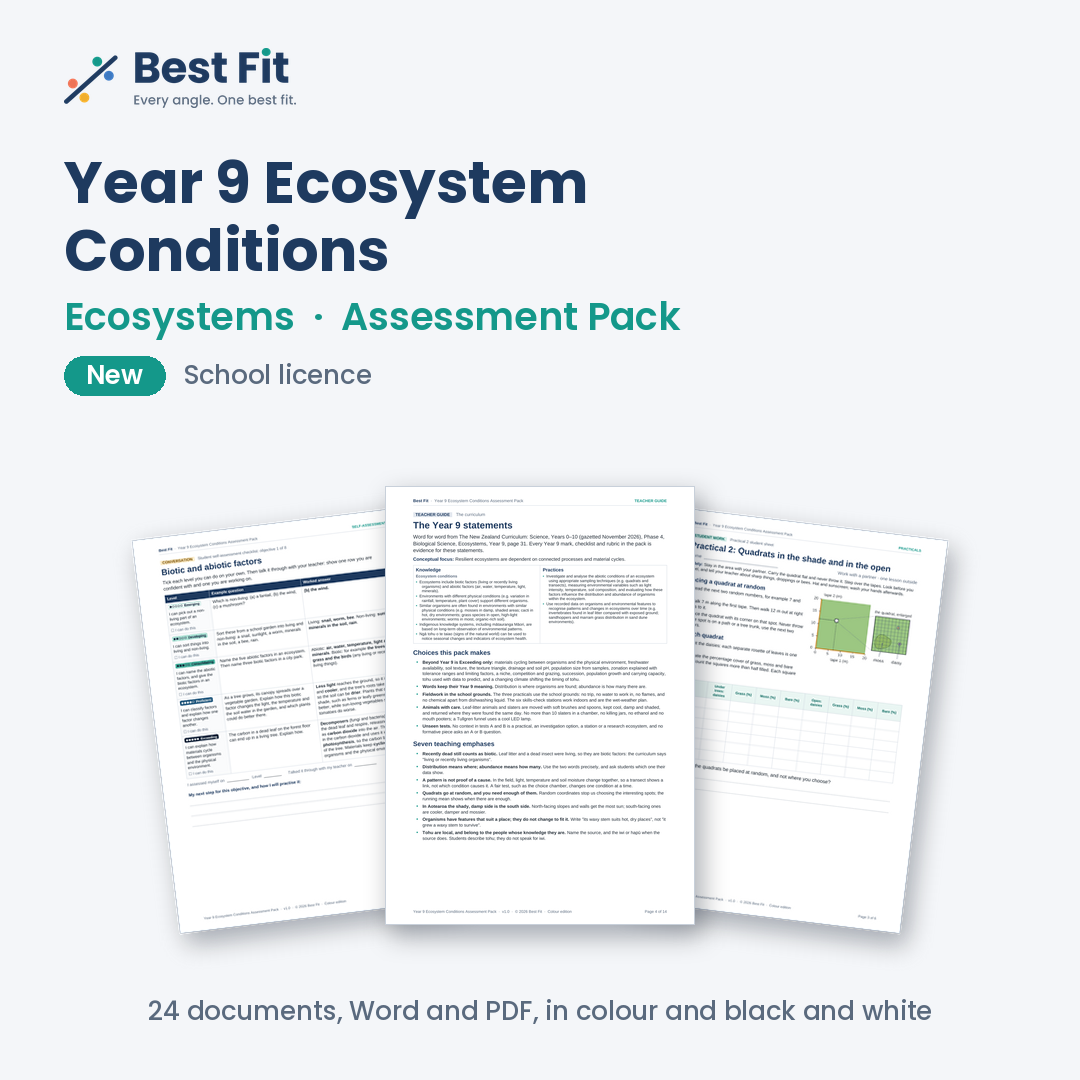
What's inside: 24 documents, each as a Word file and a PDF, in a colour edition and a black-and-white edition.
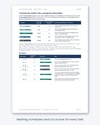
- Start here: a teacher guide with descriptor indicators for every section, an evidence map, a teaching plan, judgement guides, and a list of every mātauranga Māori line for your kaiako Māori to check.
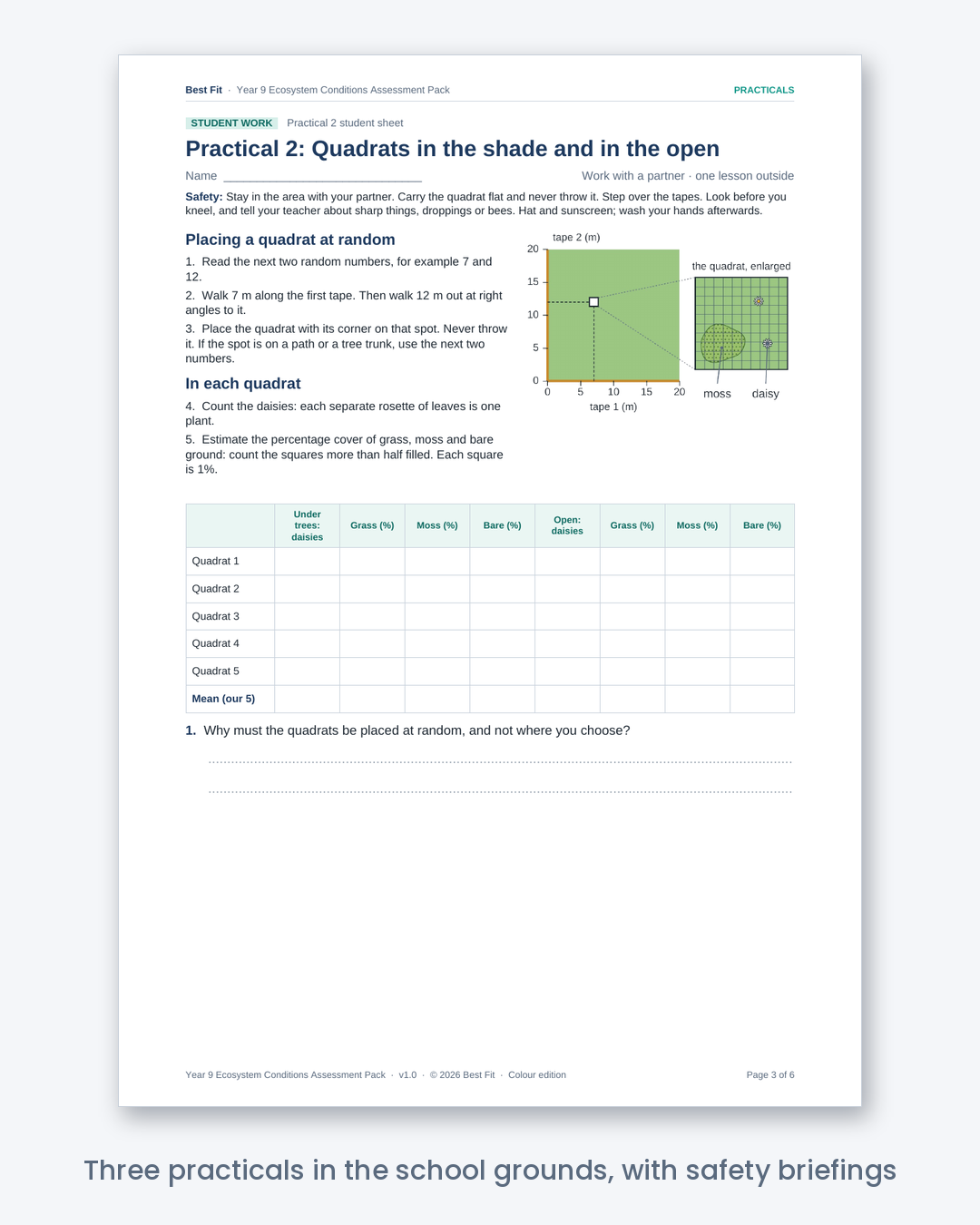
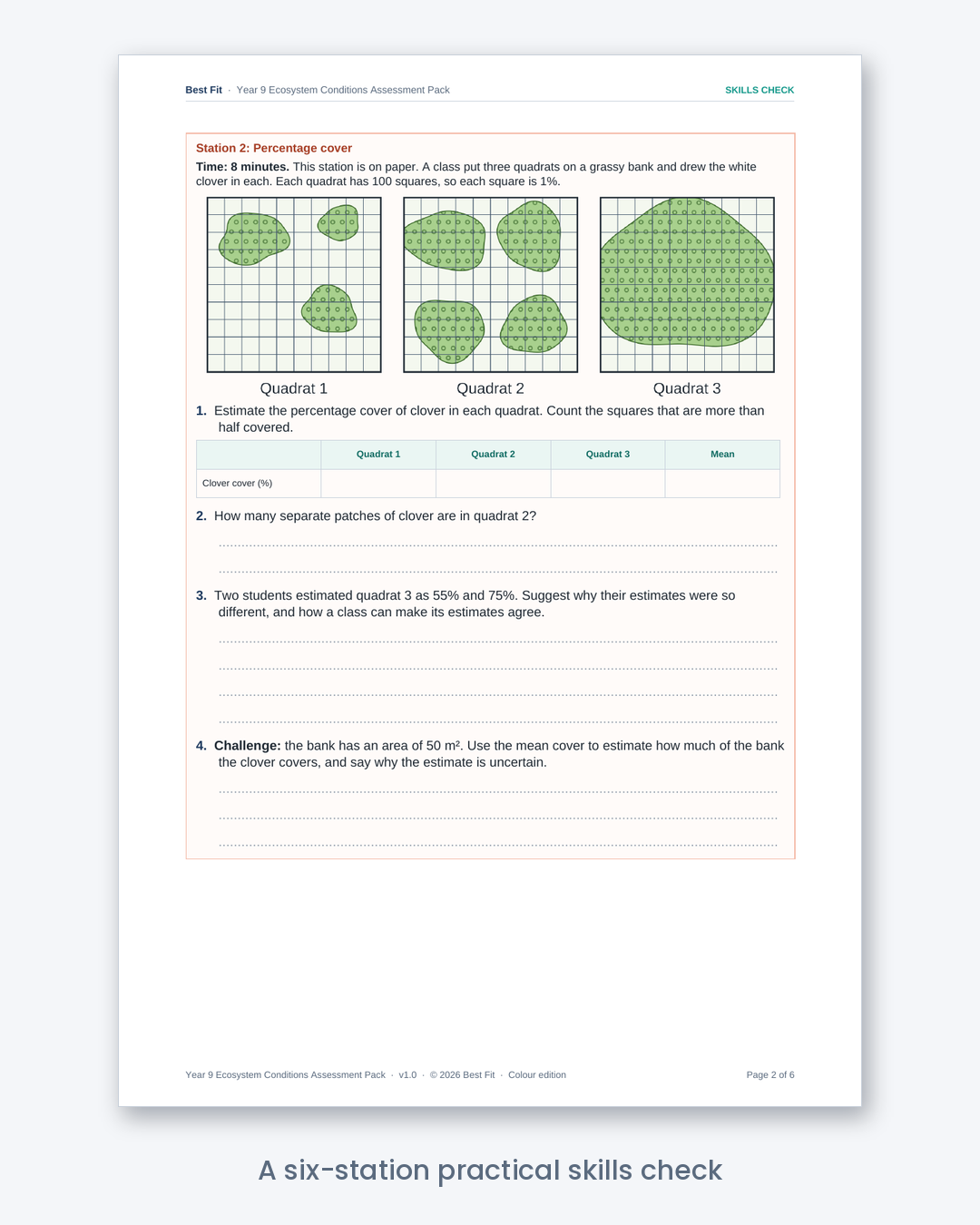
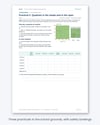
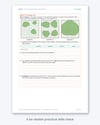
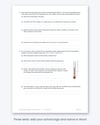
- Observation: three practicals in the school grounds (Conditions in the shade and in the open · Quadrats in the shade and in the open · Animals in leaf litter and on exposed ground) with teacher notes, safety briefings, student sheets and observation checklists, plus a six-station practical skills check that doubles as the wet-weather plan.
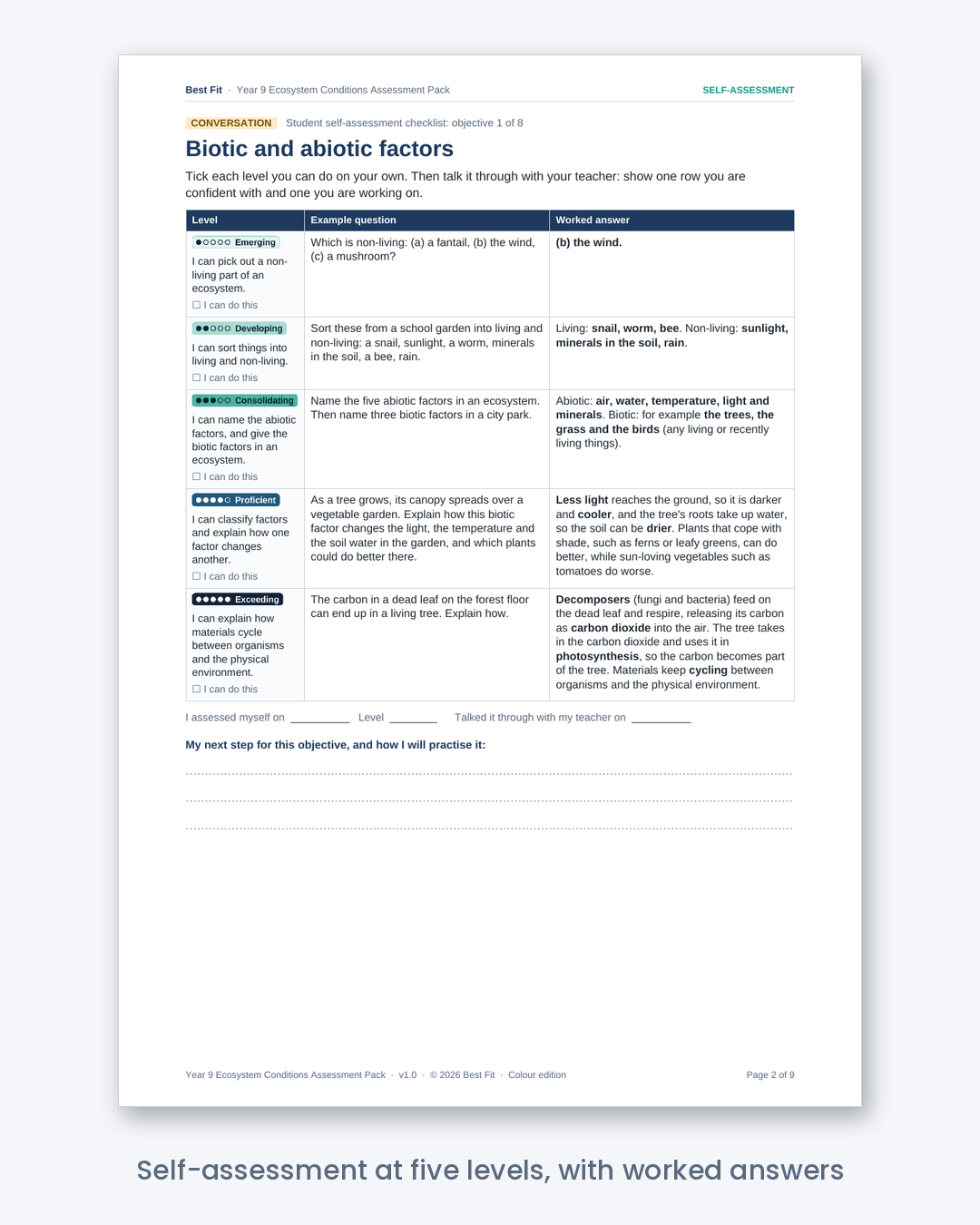
- Conversation: four prompt cards, a self-assessment (eight objectives at five levels, each with an example question and a worked answer) and an I can checklist.
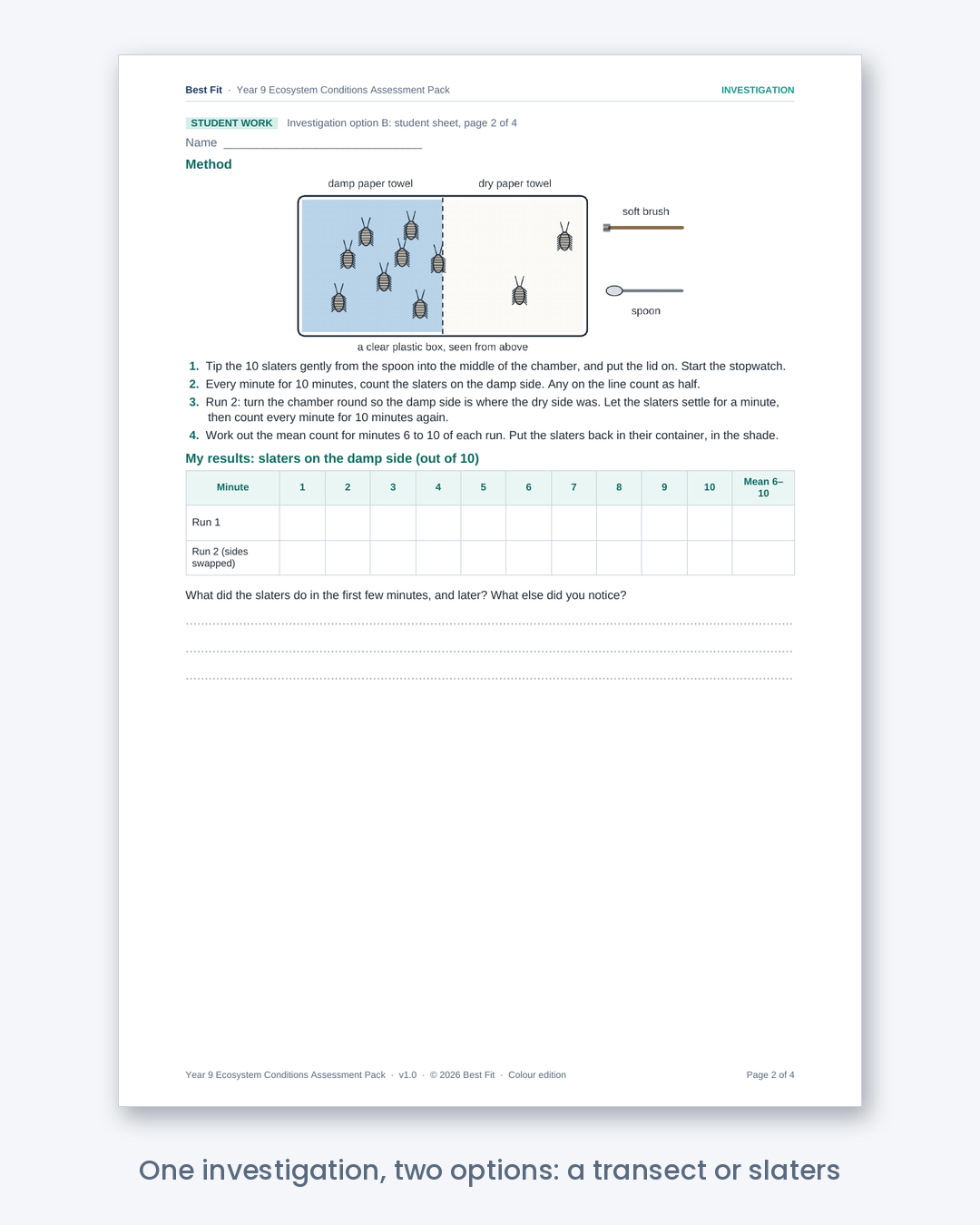
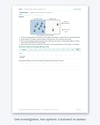
- Student work: eight exit tickets, printed two to a sheet, with teacher keys; four homework tasks with answers; a conditions investigation in two options (a belt transect from shade into the open, or slaters in a choice chamber) sharing one rubric, with back-up class results; and a research task, "Why things live where they do" (sand dunes, rocky shores, the alpine zone or geothermal ground in the central North Island), with a rubric.
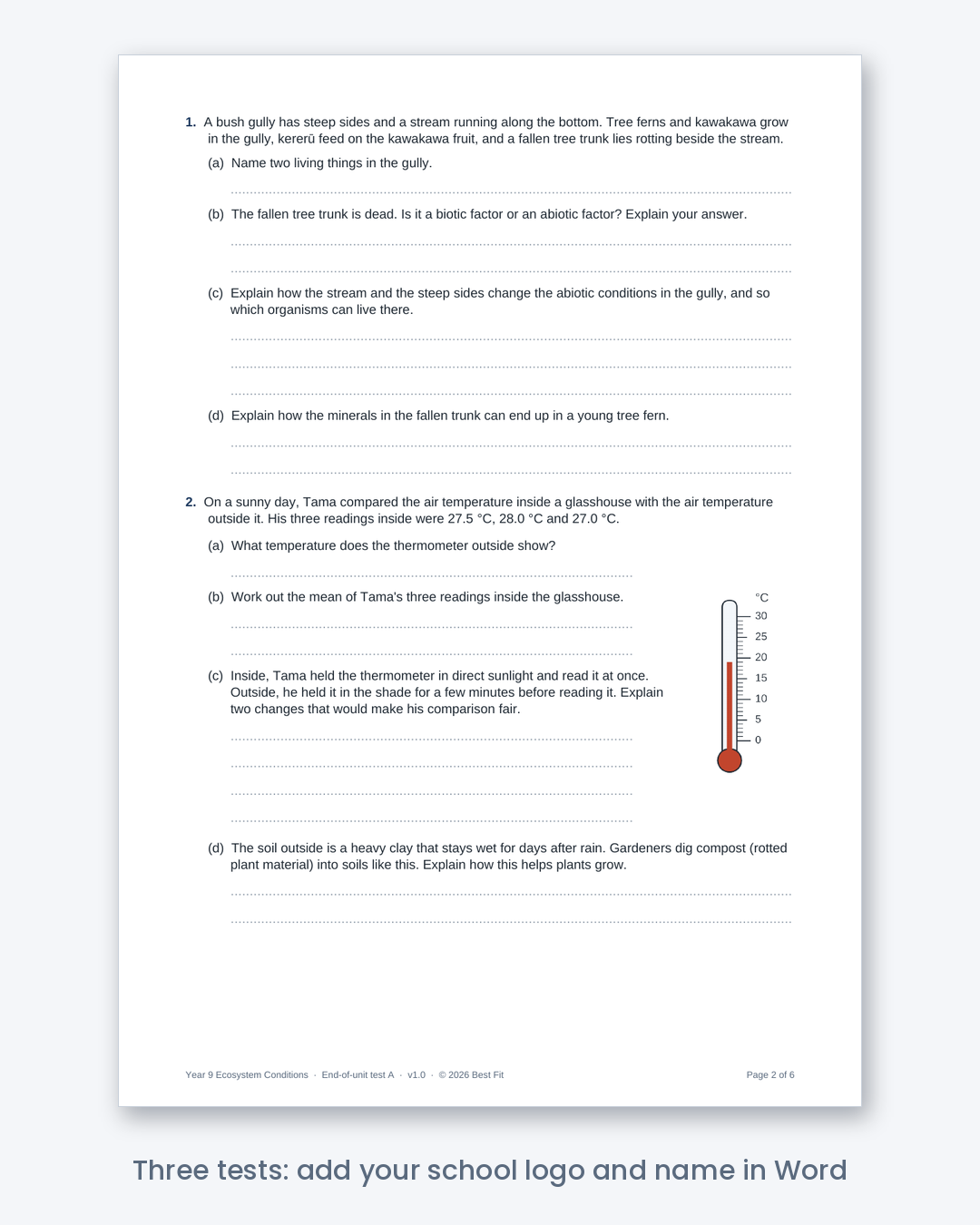
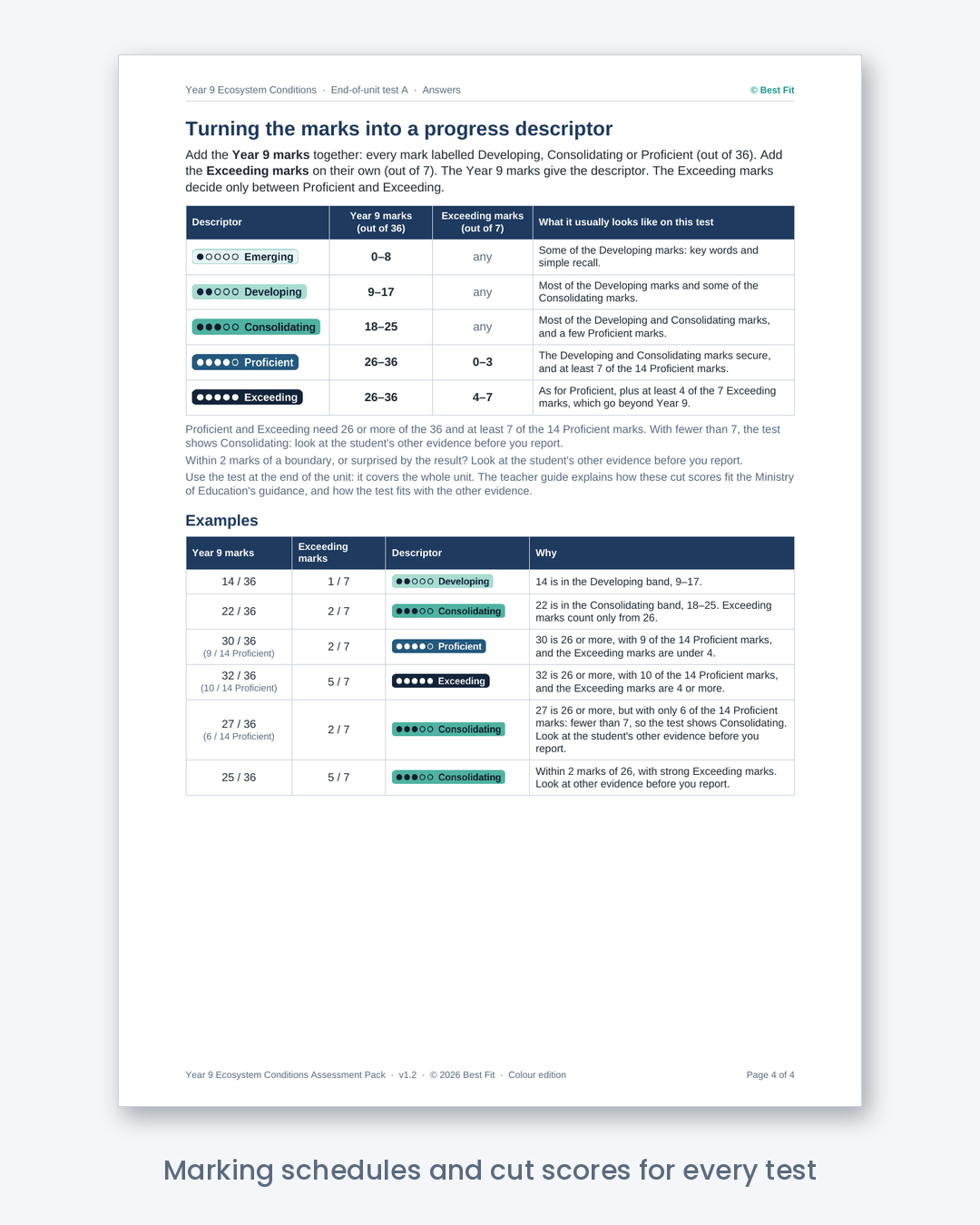
- Assessment results: a practice test and parallel end-of-unit tests A and B, each with 36 Year 9 marks and 7 Exceeding marks, marking schedules and cut scores. Editable Word copies let you add your school's logo and name.
- Tracker: an evidence tracker that brings everything together into one best-fit judgement.
Good to know
- Fieldwork in the school grounds: no trip, no water to work in, no flames, and no chemical but dishwashing liquid.
- Animals with care: brushes and spoons, never fingers; kept cool and damp; every animal back where it was found the same day.
- Quadrats go at random, and the running mean shows when there are enough; a pattern in the field is not proof of a cause: the pack is clear on both, all the way through.
- Ngā tohu o te taiao from Te Ara and the Science Learning Hub, with their sources, and every line flagged for your Kaiako Māori to check before you teach.
- Ideas beyond Year 9 (materials cycling, soil texture and pH, population estimates, tolerance ranges, a niche, competition, succession, carrying capacity) appear only in Exceeding marks.
- New Zealand contexts throughout. No marks beside the questions on student papers: the marks are in the answers, and every mark names the descriptor it is evidence for.
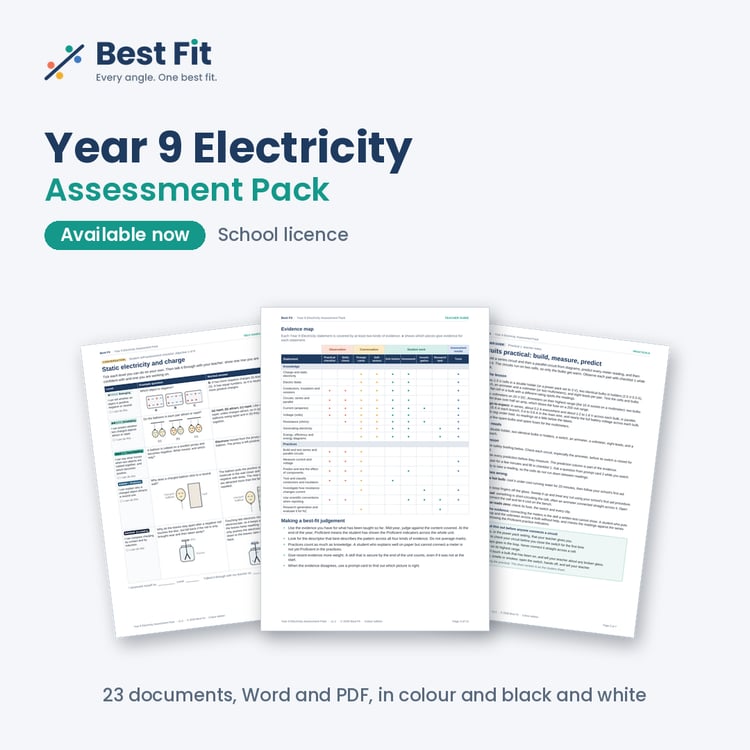
- Free sample pages available for the Year 9 Electricity Assessment Pack so you can check them out before you buy: https://payhip.com/b/7NAoc
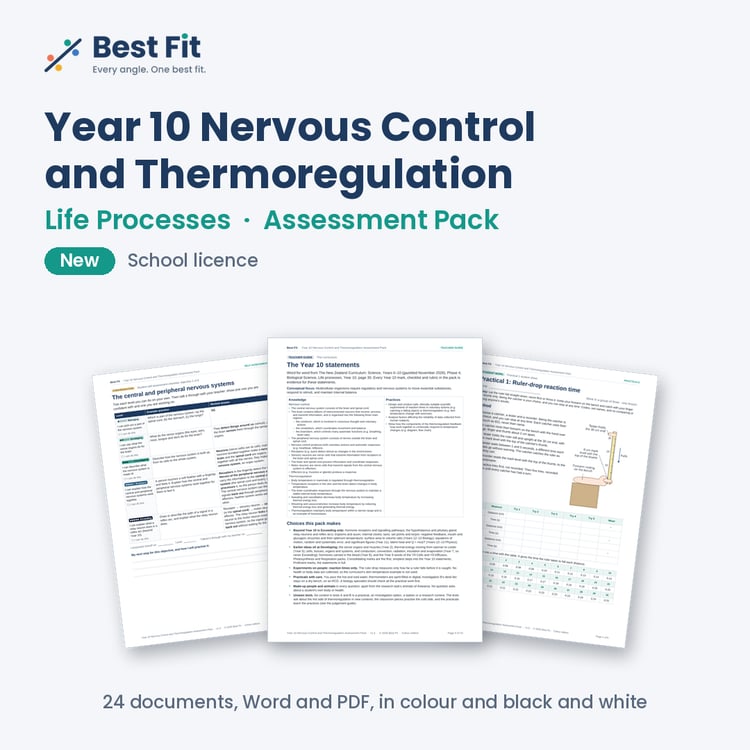
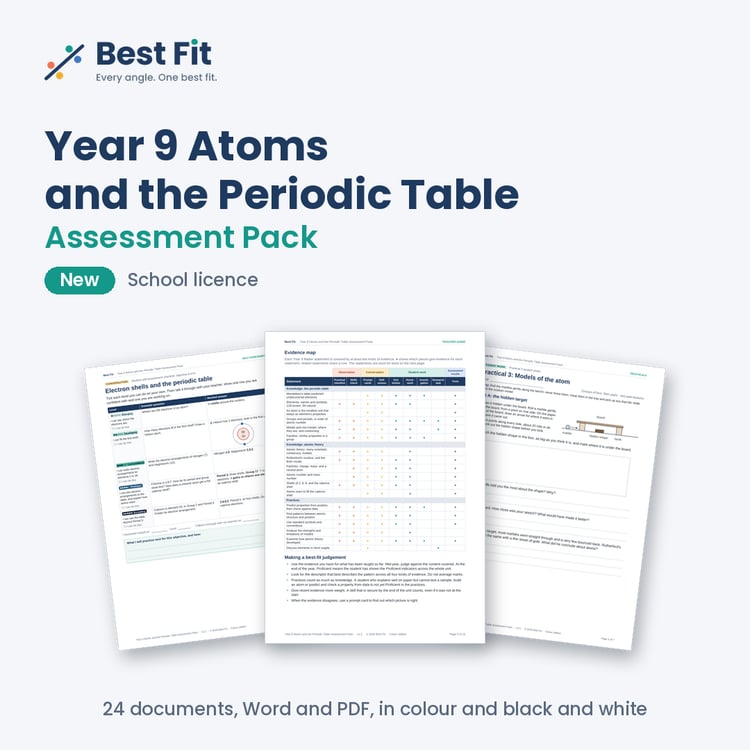
- Pairs with the other Y9 Science Assessment Packs or will all Junior Science Assessment Packs through the bundles.
- Add the report builder upgrade once it is released and it writes copy-ready report comments that fit your reporting system's character limits. [Free sample: https://payhip.com/b/DYCBE]
School licence: every teacher and student at one school may use and copy these files, including on your school's learning platform. Please don't share them outside your school.
Best Fit is not registered for GST.