Debt Addiction Worksheets
Do You Feel Stuck in a Cycle of Debt and Spending You Want to Change?
Debt is not always caused by simply “being bad with money.” Spending can become tied to stress, emotions, habits, avoidance, social pressure, or thoughts that make purchases feel reasonable in the moment.
You may genuinely want to get out of debt while continuing to make choices that pull you back into it. Understanding why this happens is an important part of changing it.
The Debt Addiction Worksheets help you examine your spending patterns, understand what keeps you in debt, and take practical steps toward greater financial control.
Do You Relate to Any of the Following?
- Do you keep accumulating debt after trying to pay it down?
- Do you spend more when you're stressed, bored, upset, or overwhelmed?
- Do you avoid checking your bank balance, bills, or debt because it makes you anxious?
- Do you regularly buy things you don't really need?
- Do you make purchases you regret afterward?
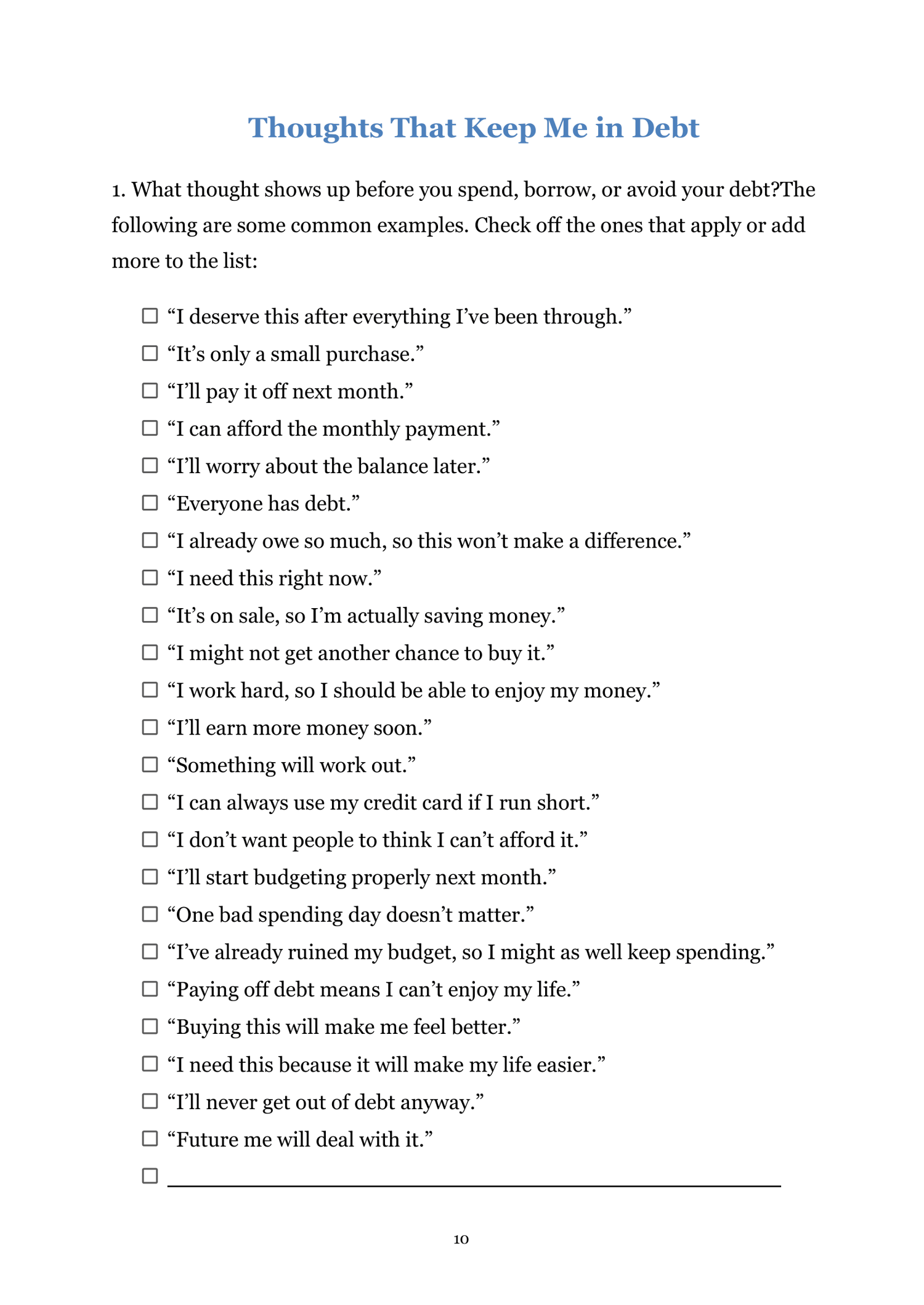
- Do you tell yourself things like “I deserve it” or “I'll deal with it later” before spending?
- Do you want to change your financial habits but struggle to make the changes last?
If so, the Debt Addiction Worksheets can help you understand what is driving your spending and build a more practical approach to managing money and debt.
(+20 pages of practical exercises and tools)
What’s Included?
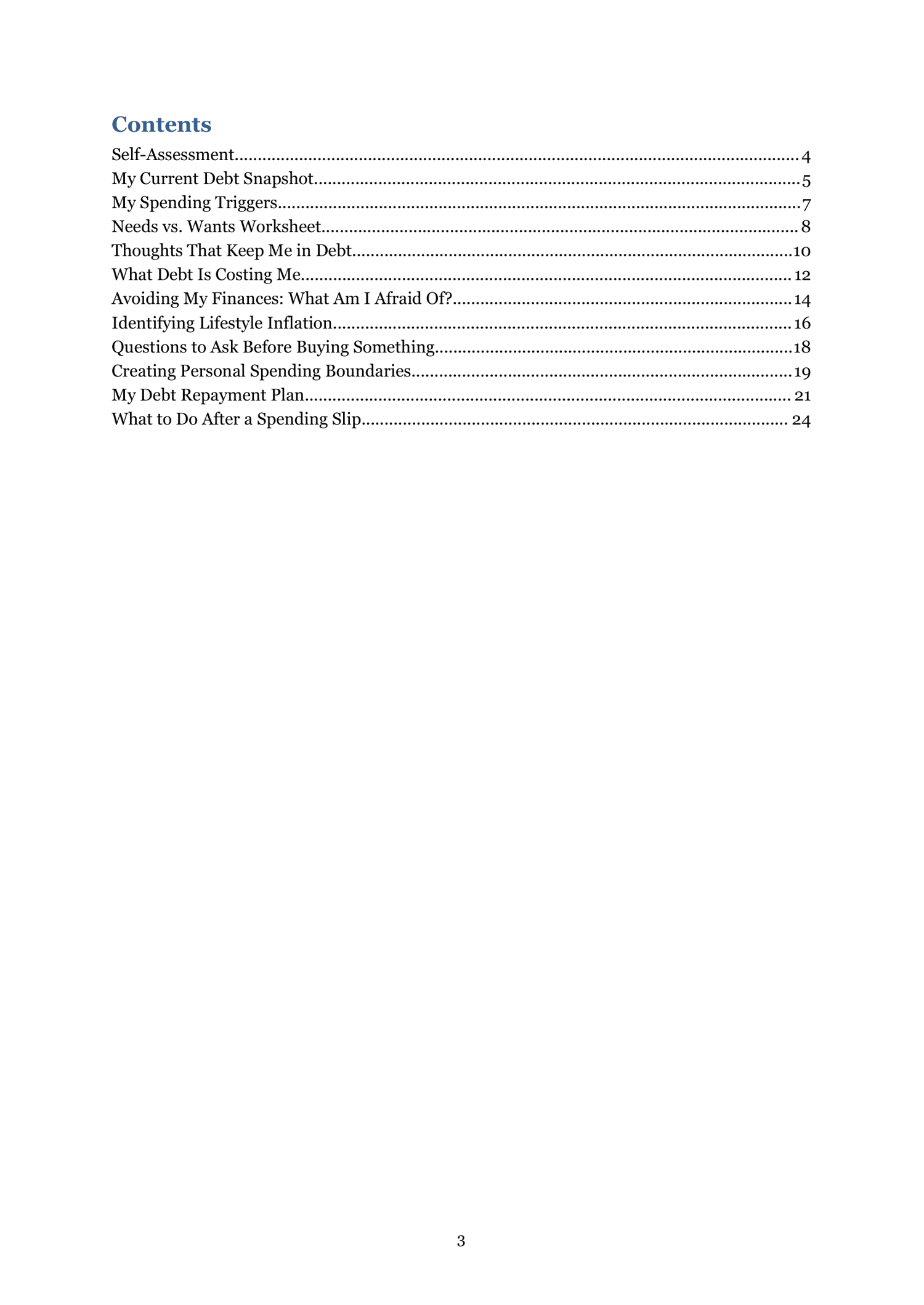
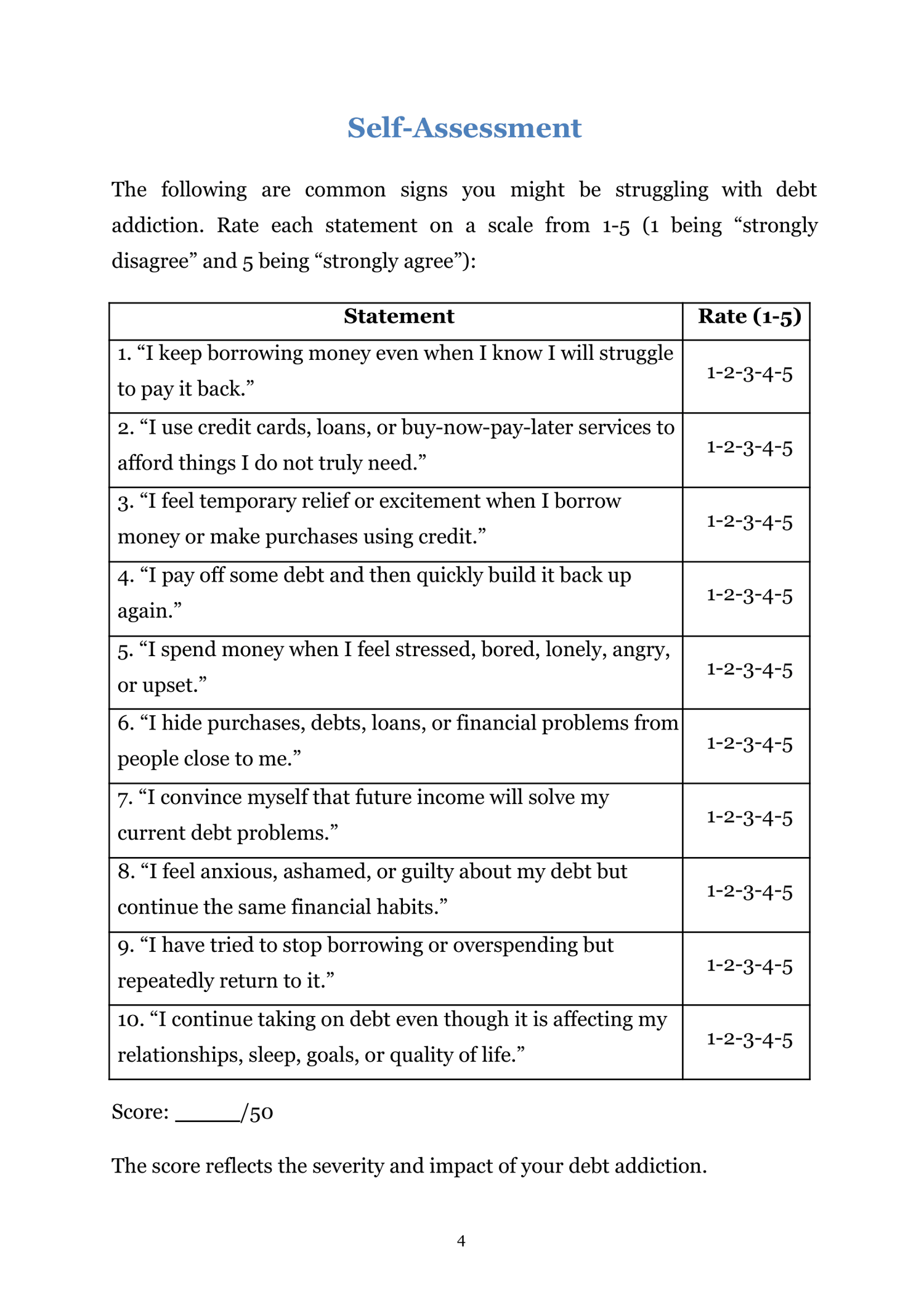
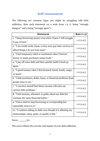
- Self-Assessment
- My Current Debt Snapshot
- My Spending Triggers
- Needs vs. Wants Worksheet
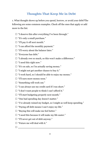
- Thoughts That Keep Me in Debt
- What Debt Is Costing Me
- Avoiding My Finances: What Am I Afraid Of?
- Identifying Lifestyle Inflation
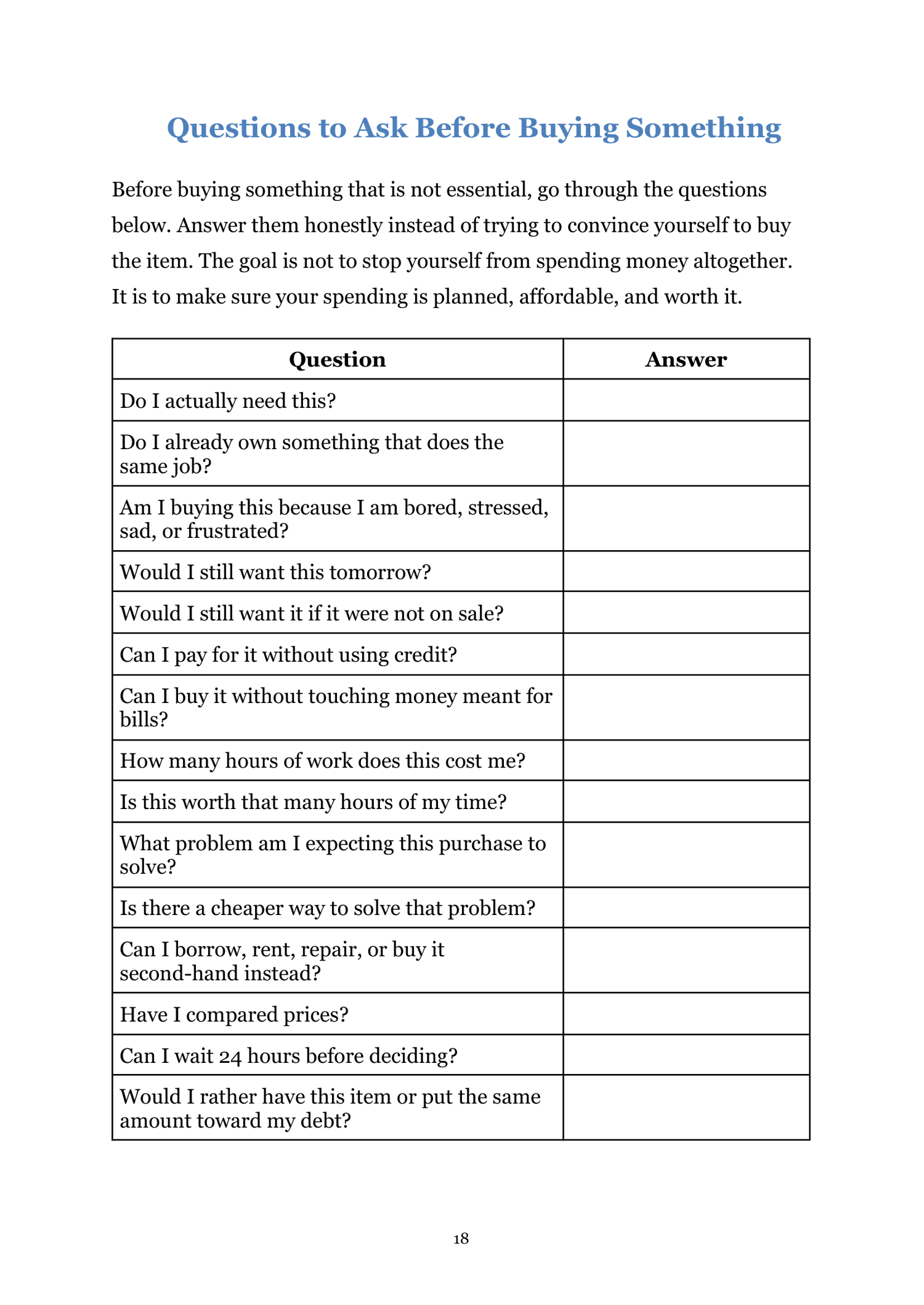
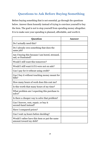
- Questions to Ask Before Buying Something
- Creating Personal Spending Boundaries
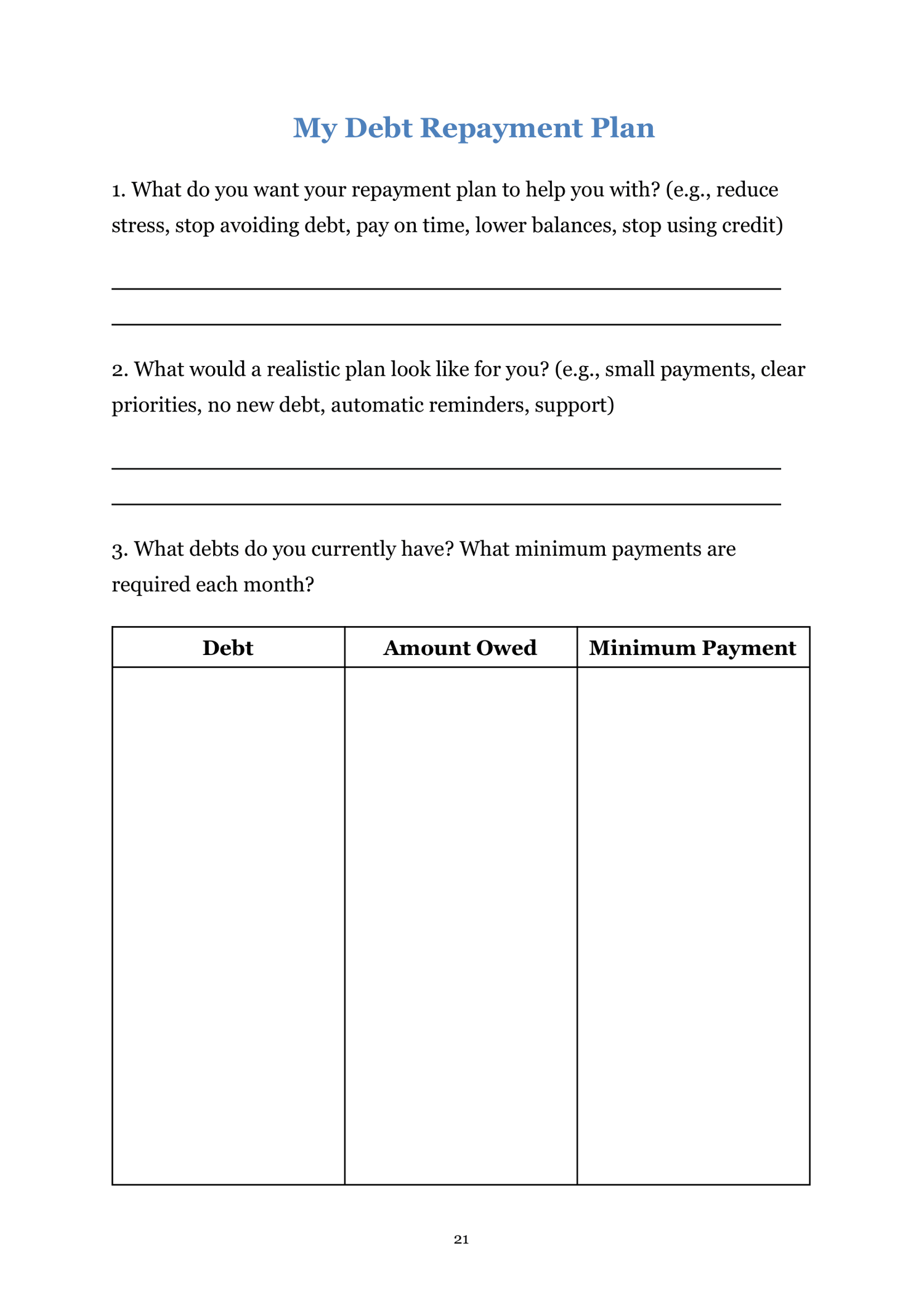
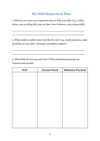
- My Debt Repayment Plan
- What to Do After a Spending Slip
How These Worksheets Can Help
- Understand the patterns behind your debt
- Identify spending triggers and unhelpful thoughts
- Build healthier spending boundaries
- Create a practical debt repayment plan
- Handle spending slips without giving up
Download your Debt Addiction Worksheets today and start understanding what keeps you stuck in the debt cycle. Small changes in how you think about, respond to, and manage money can add up to meaningful financial change.