

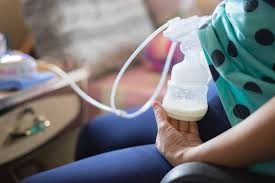
Pumping and storing breast milk allows parents flexibility while ensuring their baby still receives the vital nutrients of breast milk. Following the authoritative "Rule of 4s" established by the CDC and the American Academy of Pediatrics (AAP) keeps the milk safe and minimizes waste. [1, 2, 3, 4, 5]
The "Rule of 4s" Storage Guidelines
- Countertop: Safe at room temperature (77°F or colder) for up to 4 hours.
- Refrigerator: Safe in the main back body of the fridge for up to 4 days.
- Standard Freezer: Best used within 6 months, though up to 12 months is acceptable.
- Deep Freezer: Stays highly preserved at 0°F or below for up to 12 months. [1, 2, 3, 4]
Safe Pumping Practices
- Hygiene first: Always wash hands thoroughly with soap and water before handling pump parts.
- Right containers: Use glass or hard BPA-free plastic bottles with tight lids, or specialized breast milk bags.
- Avoid liners: Never use standard household plastic zipper bags or disposable bottle liners.
- Prevent waste: Store milk in small portions of 2 to 4 ounces to prevent discarding leftovers.
- Expansion space: Leave roughly an inch of space at the top of containers before freezing.
Thawing and Warming Guidelines
- First in, first out: Always label containers with the exact date and use the oldest milk first.
- Safe thawing: Thaw frozen milk overnight in the fridge or hold the bag under warm running water.
- No microwaves: Avoid microwaves because they create dangerous hot spots and destroy beneficial proteins.
- Use timeline: Once thawed completely, use within 24 hours in the fridge or 2 hours at room temp.
Never refreeze: Discard any remaining milk left in a bottle 2 hours after a baby finishes feeding.
- A printable tracking log template for your users to note dates and times
PUMPING AND STORAGE BASICS
Safe breast milk pumping and storage requires clean hands, sterile pump parts, and strict adherence to specific time and temperature limits.
Pumping Basics
- Cleanliness: Wash hands with soap and water and ensure all pump parts and tubing are clean and dry before starting.
- Comfort: Find a quiet, comfortable spot. Center the shield over your nipple and start with a low suction setting before raising it to a comfortable level.
- Duration: Pump for about 15 to 20 minutes per session or until the milk flow slows down.
Storage Basics
- Containers: Use clean, food-grade glass or hard BPA-free plastic containers with tight lids, or specialized breast milk storage bags.
Centers for Disease Control and Prevention | CDC (.gov)
- Labeling: Write the date and time of expression clearly on every container. Leave an inch of space at the top of containers because milk expands when frozen.
YouTube
- ·Medical Centric Podcast
- Storage Limits:
- Room temperature (77°F / 25°C or colder): Up to 4 hours.
- Refrigerator (40°F / 4°C): Up to 4 days.
- Freezer (0°F / -18°C or lower): 6 months is best, up to 12 months is acceptable.
Centers for Disease Control and Prevention | CDC (.gov)
Breastfeeding mothers transitioning back to work
Breastfeeding mothers transitioning back to work face unique safety and hygiene challenges that require careful planning and clear boundaries.
Legal and Space Rights
- Know Law: Federal laws require employers to provide pump breaks and private spaces.
- Avoid Bathrooms: Never pump in a restroom due to high bacterial risks.
- Secure Room: Ensure your designated pumping space locks securely from the inside.
- Request Signage: Place a "Do Not Disturb" sign on the door.
Hygiene and Sanitation
- Wash Hands: Scrub hands with soap for 20 seconds before touching parts.
- Sanitize Surfaces: Wipe down tables and counters before setting up equipment.
- Clean Parts: Wash pump components with hot, soapy water after every use.
- Air Dry: Place washed parts on clean paper towels to dry completely.
Milk Transport and Storage
- Shared Fridges: Store milk in a labeled, opaque bag for privacy.
- Cooler Bags: Use insulated bags with frozen ice packs for commutes.
- Label Clearly: Write your name and date on every container.
- Monitor Temps: Ensure workplace refrigerators maintain 40°F (4°C) or colder.
Breastfeeding can be a big reward for both mom and baby. Know that God is fighting for you to succeed in everything you put your hands to do. I pray you have good success in all you do.
Remember Philippians 4:13 "I can do all things through Christ who strengthens me."
Comments ()