
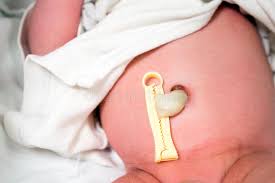
The truth about umbilical cord care is that less is more. Keep the stump clean and dry, usually with just water if needed, and allow it to air dry, as dry care is now preferred over using alcohol. Fold diapers below the stump, stick to sponge baths, and let it fall off on its own in 1–3 weeks.
Babies are tiny natural wonders. A highly effective system that is precisely tailored to their needs provides them with nourishment and care inside the womb. The umbilical cord is "the string of life," as poets have referred to it, and with good reason. In addition to providing a physical connection between mother and child, this soft, coiled tube has long been regarded by mothers as an emotional bond with their unborn children.
The umbilical cord attaches to an organ known as the placenta, which grows inside the uterus during pregnancy. Together, they draw essentials of life from the birth mother's system, sending nutrients and oxygen to the baby. At the same time, the cord and placenta take waste products away for safe elimination.
Here are more facts about the umbilical cord and how it supports babies before—and after—they're born:
The umbilical cord, which varies greatly in length, serves as a lifeline. In the early stages of pregnancy, it begins as a collection of blood vessels. Within, two arteries return blood to the mother following the exchange, while one vein supplies the infant with oxygen and nutrients. Despite popular belief, umbilical cords vary in size, usually falling between 40 and 70 centimeters (15 ½ to 27 ½ inches). The cord is encased in a protective material known as Wharton's jelly, which keeps it from bending, twisting, or deforming when under stress.
Important Facts and Optimal Techniques Include:
No Alcohol: Alcohol is not required to clean the stump because, contrary to popular opinion, it can kill the helpful bacteria that help remove it.
Keep it Dry: The main goal is to let the cord dry out. If it gets dirty with urine or feces, wash it with warm water and a clean cloth, then pat dry.
Diaper positioning: To keep the diaper away from pee and to prevent it from rubbing against the stump, fold the top of the diaper downward.
Bath after cord drops off. Only after the cord has been removed and the wound has healed should you give your baby sponge baths.
Never Pull: Allow the stump to fall off naturally, even if it appears to be hanging by a thread. Normal vs. Abnormal: It's common for the stump to turn black or brown and display a tiny bit of dried blood around the time it falls off. HealthyChildren.org
When to Call a Doctor
Seek medical advice if you notice signs of infection (omphalitis), which include:
- Redness and swelling around the skin of the navel.
- Foul-smelling, yellow pus or, or ongoing oozing.
- The stump has not fallen off after 3 weeks.
- The baby acts like the area is painful.
Comments ()