

When children are learning to read, recognizing words on a page is only half the battle. True reading proficiency involves understanding how a story flows—knowing what happens first, next, and last. Developing this ability is crucial because story sequencing builds the foundation for critical thinking, logical reasoning, and stronger reading comprehension.
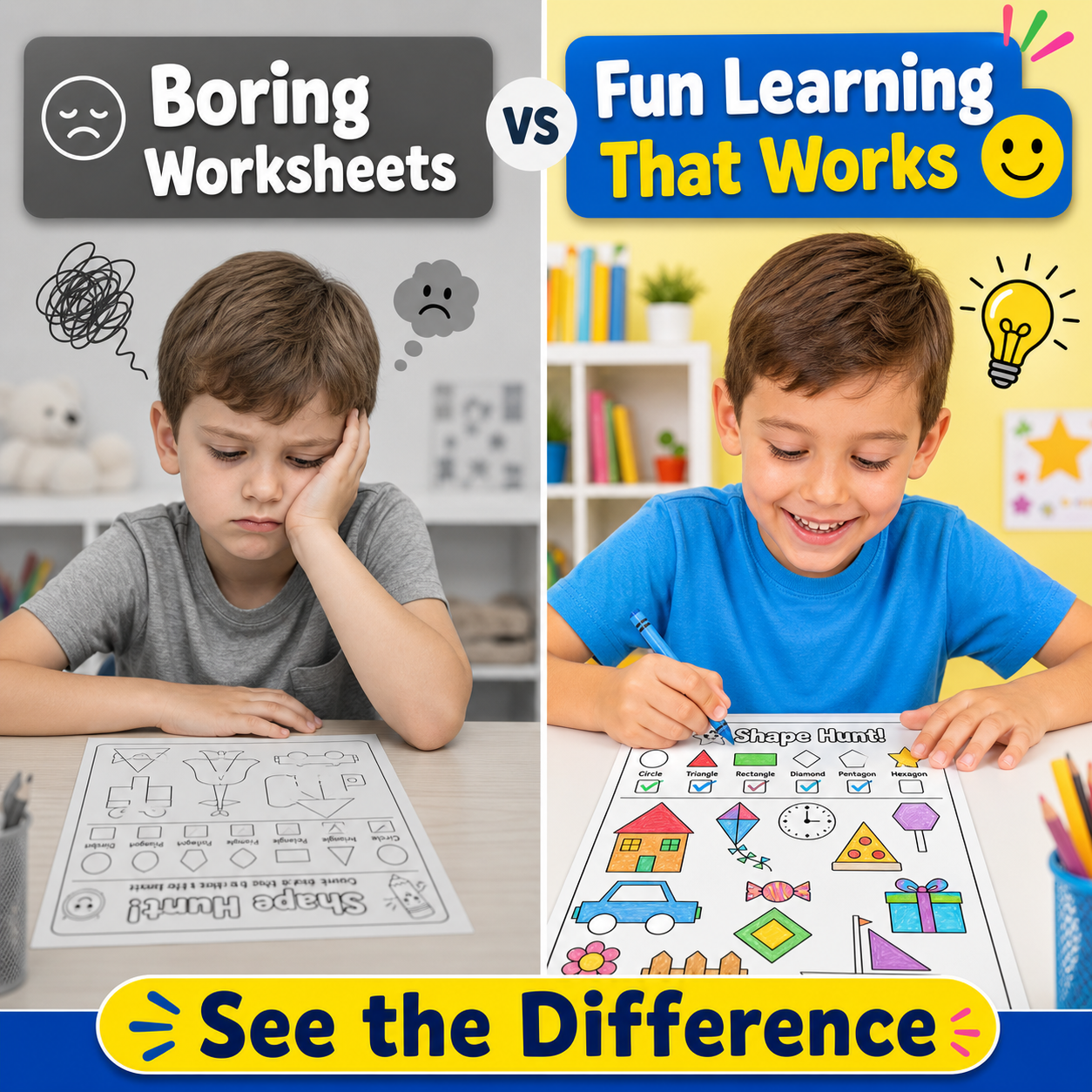
However, keeping young learners (ages 5–8) engaged during literacy practice can sometimes feel like an uphill battle. Traditional worksheets can quickly become repetitive and tedious. That is why introducing hands-on activities is a game-changer for parents, teachers, and homeschoolers alike.
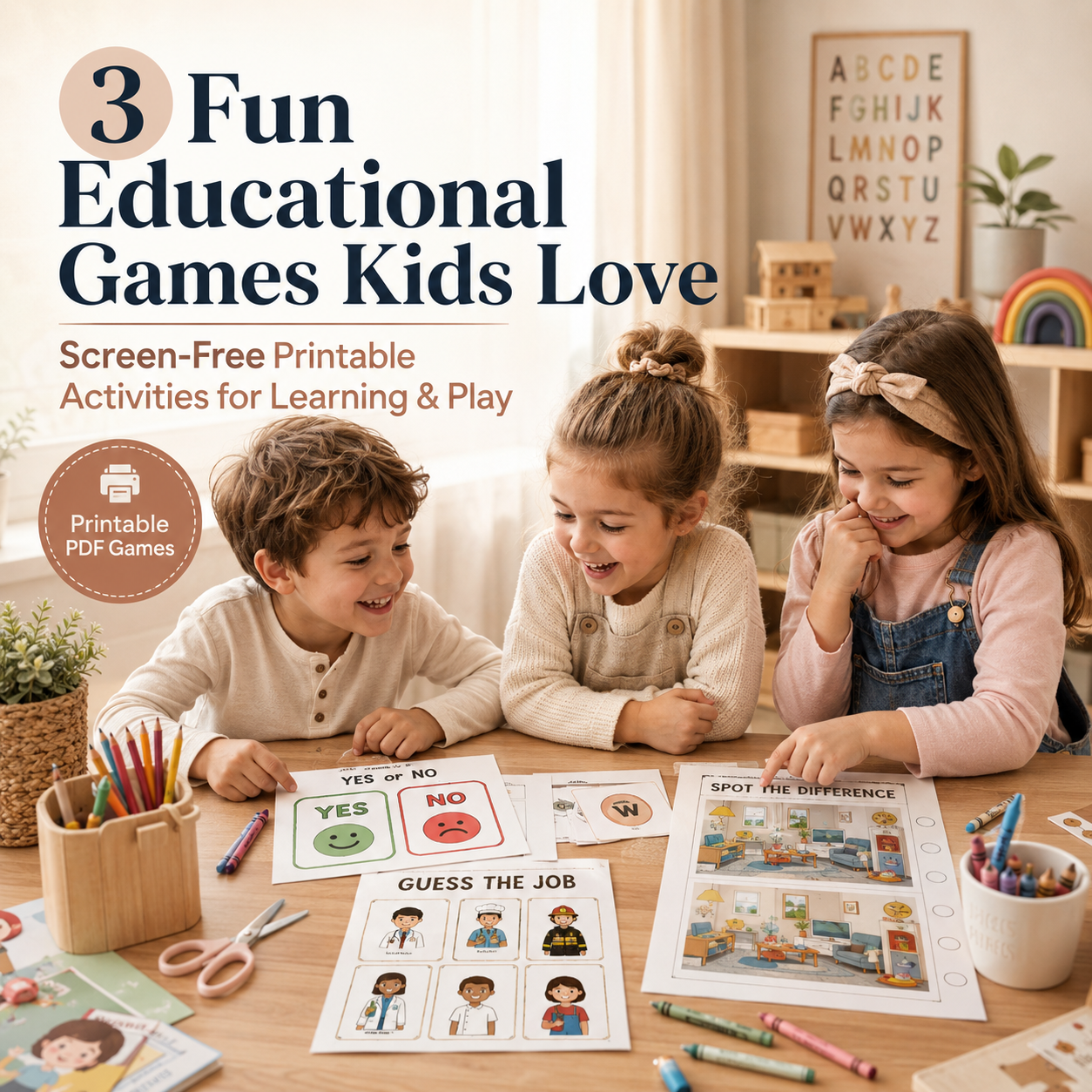
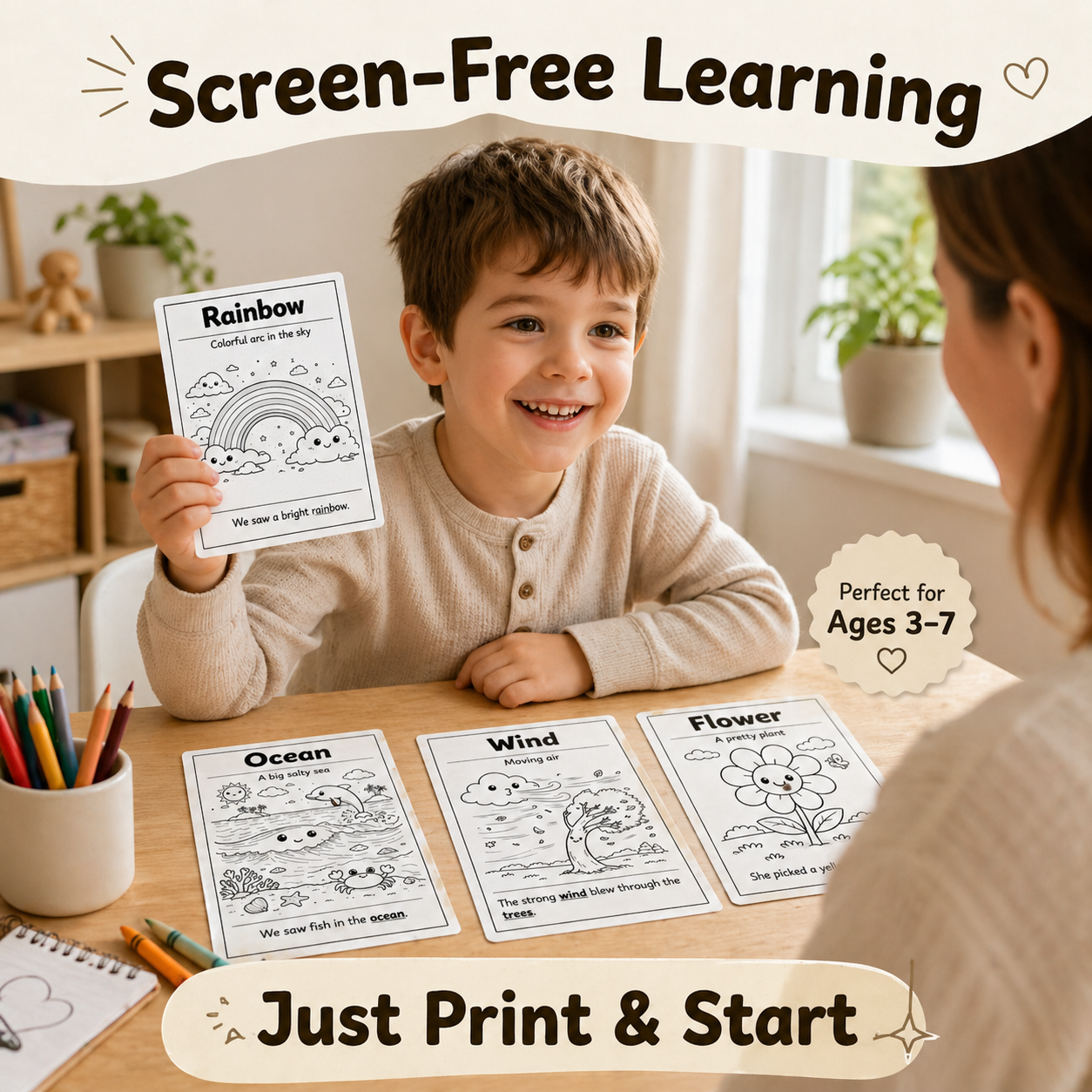
If you are looking for an interactive way to boost your child’s or students' literacy skills, here are three fun, practical ways to use printable cut-and-paste activities to turn reading practice into an exciting learning game.
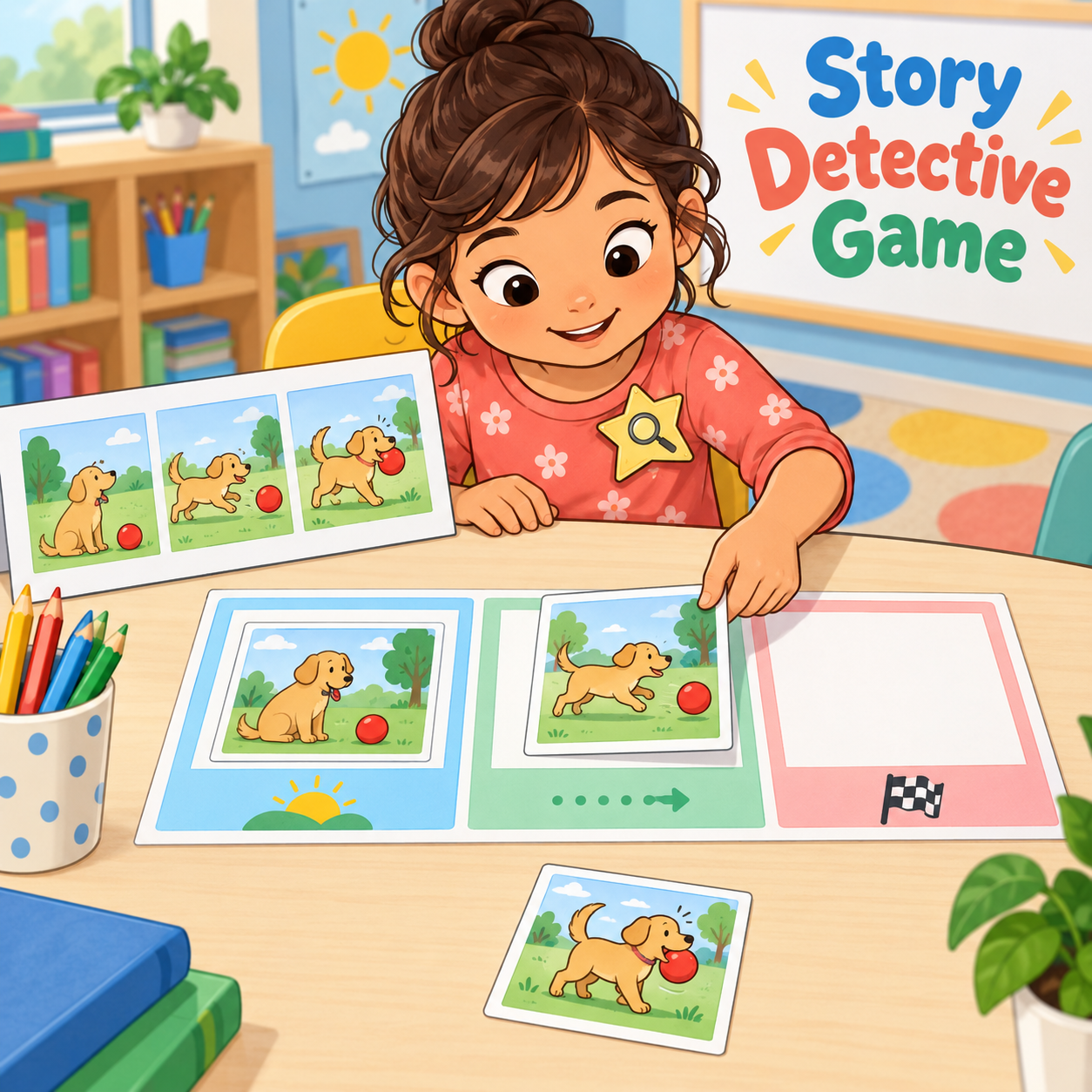
1. The "Beginning, Middle, and End" Story Detective Game
One of the most effective ways to teach event sequencing is by turning kids into reading detectives.
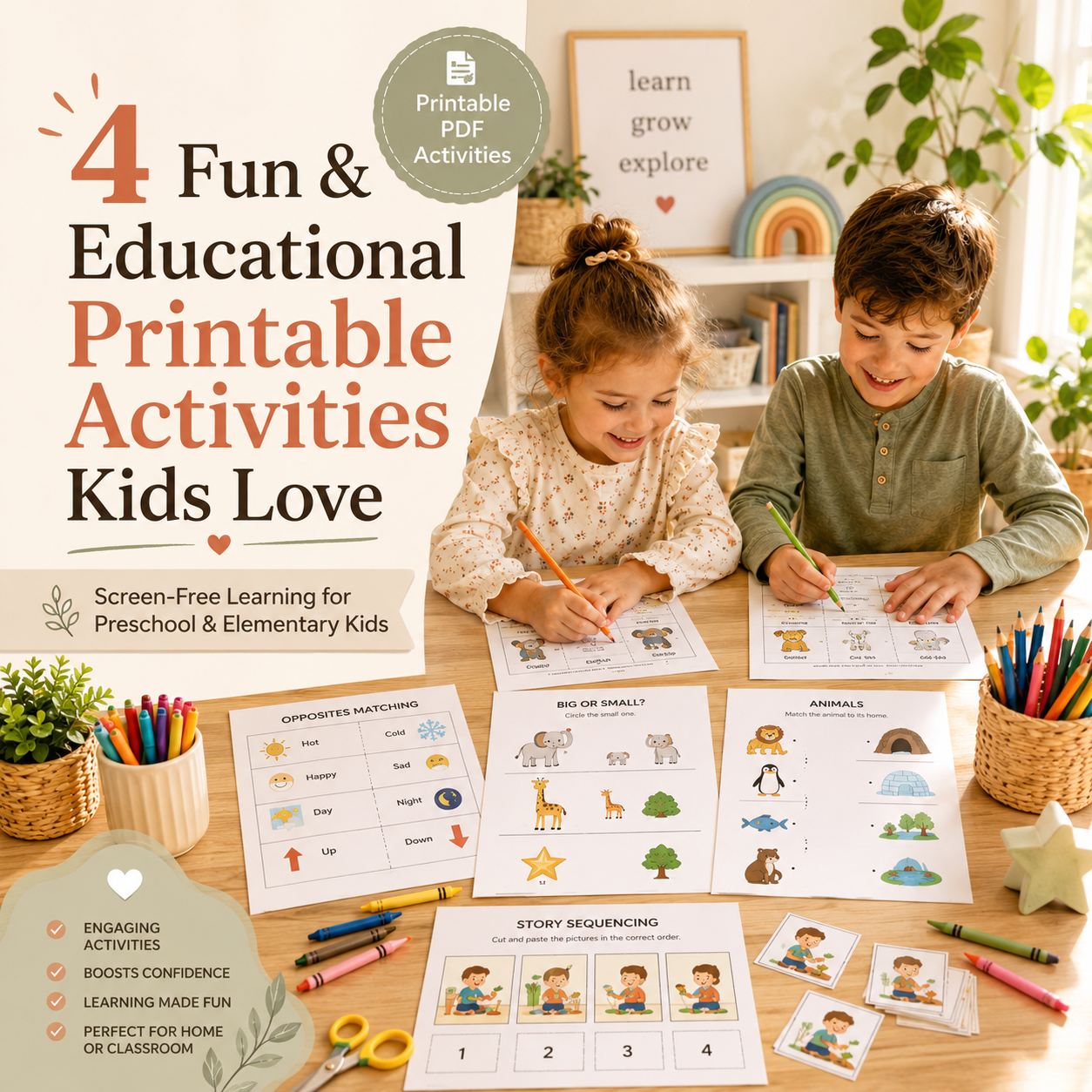
- How to do it: Give your child a short, simple three-sentence story. Next to the story, provide three scrambled picture cards depicting the events.
- The Mission: Have your child read the story carefully, cut out the pictures, and act as a detective to place them in the correct chronological order (Beginning, Middle, End).
- Why it works: This physical manipulation connects visual cues with text, helping children grasp story structure while developing essential fine motor skills.
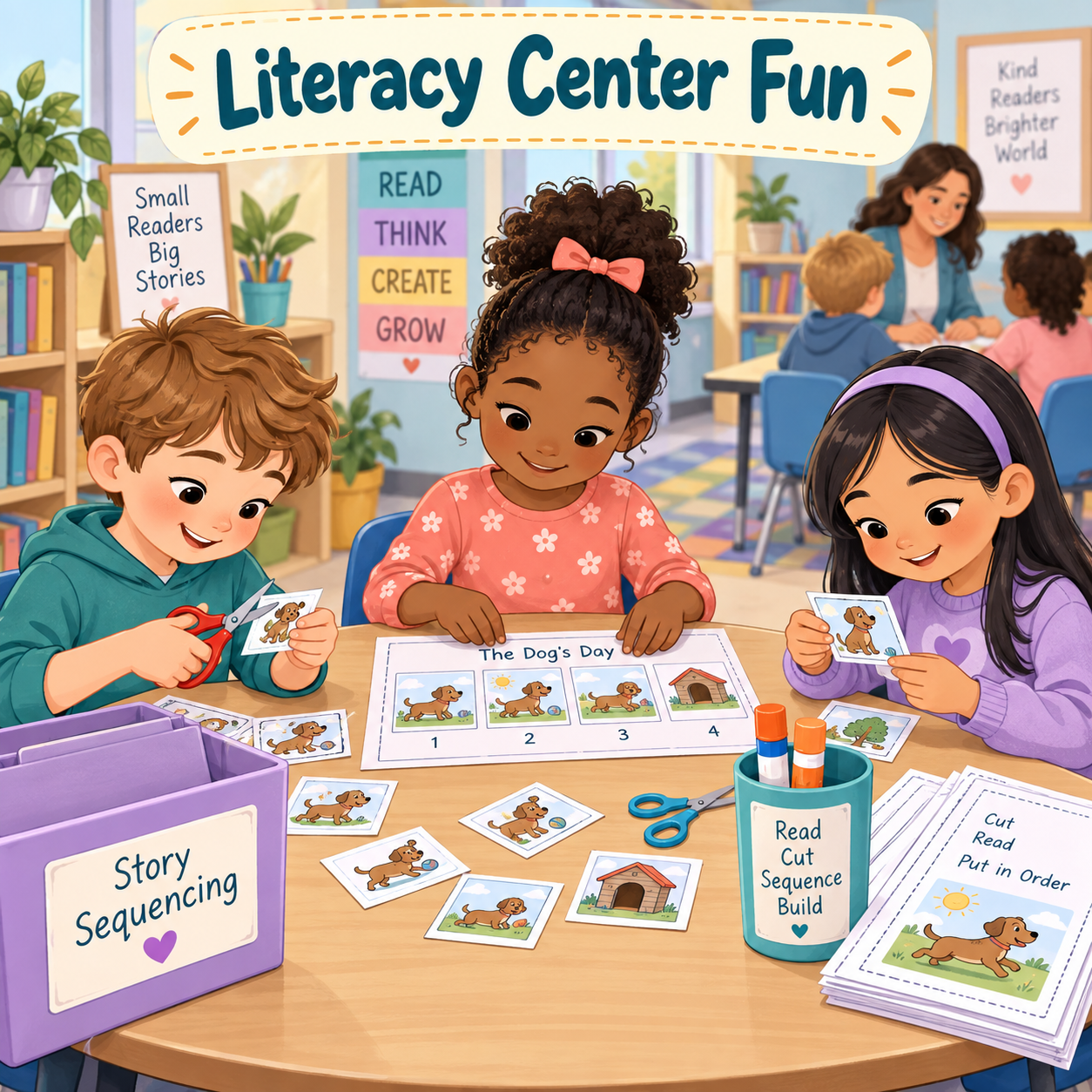
2. Interactive Literacy Centers and Morning Work Stations
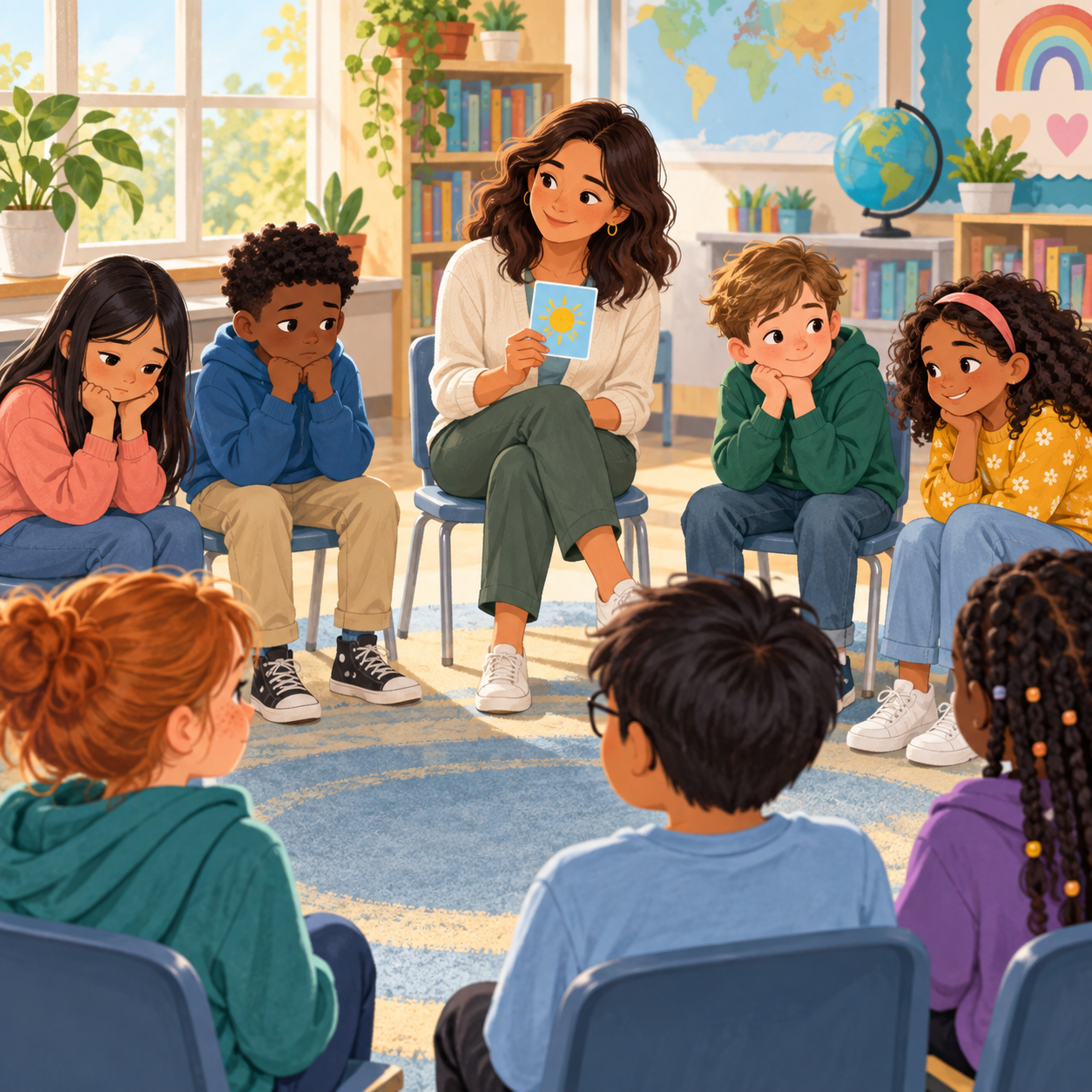
If you are a classroom teacher or a homeschool educator, structuring independent learning time can be challenging.
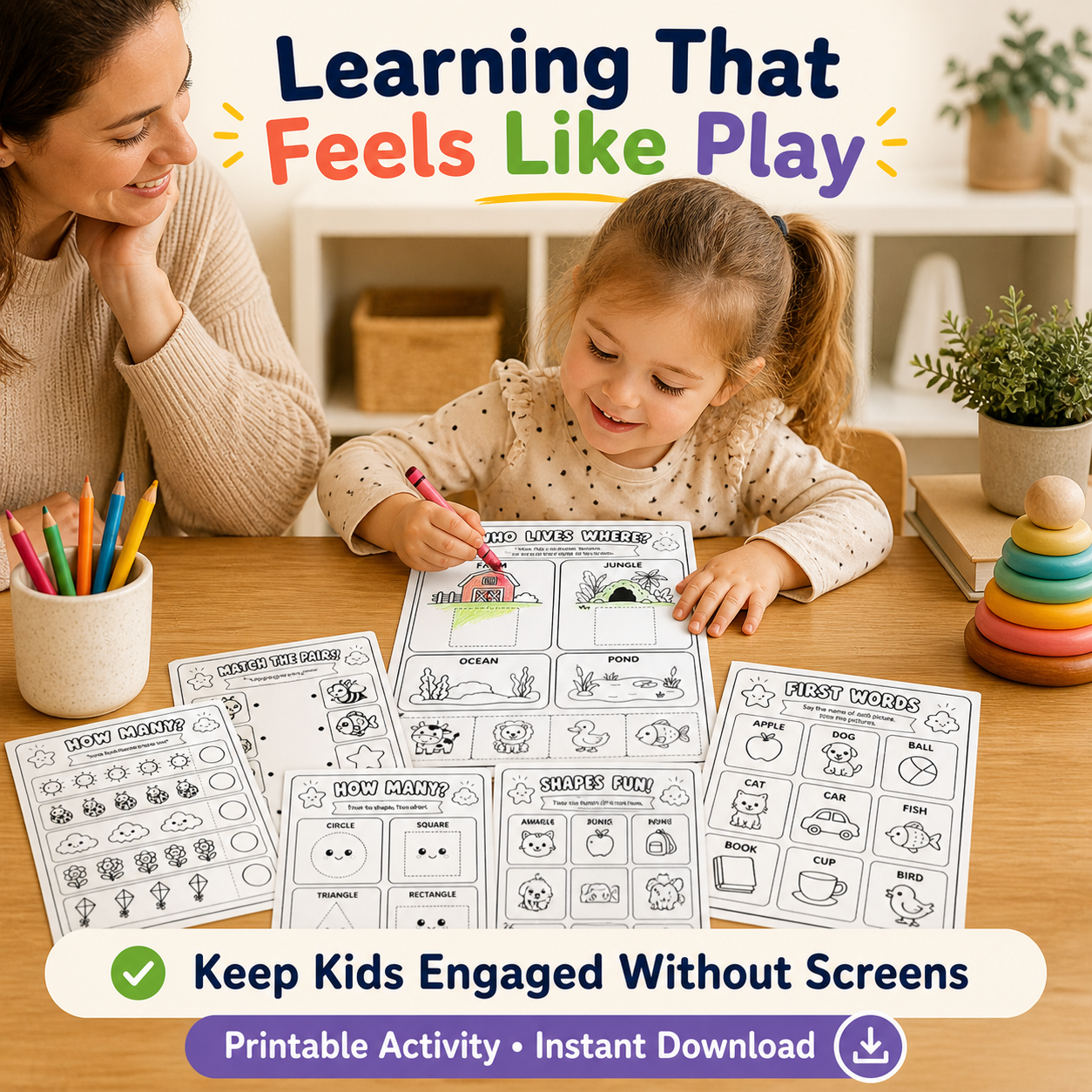
- How to do it: Set up a dedicated "Reading & Sequencing Station." Print out activity sheets ahead of time and place them in a folder along with safety scissors and glue sticks.
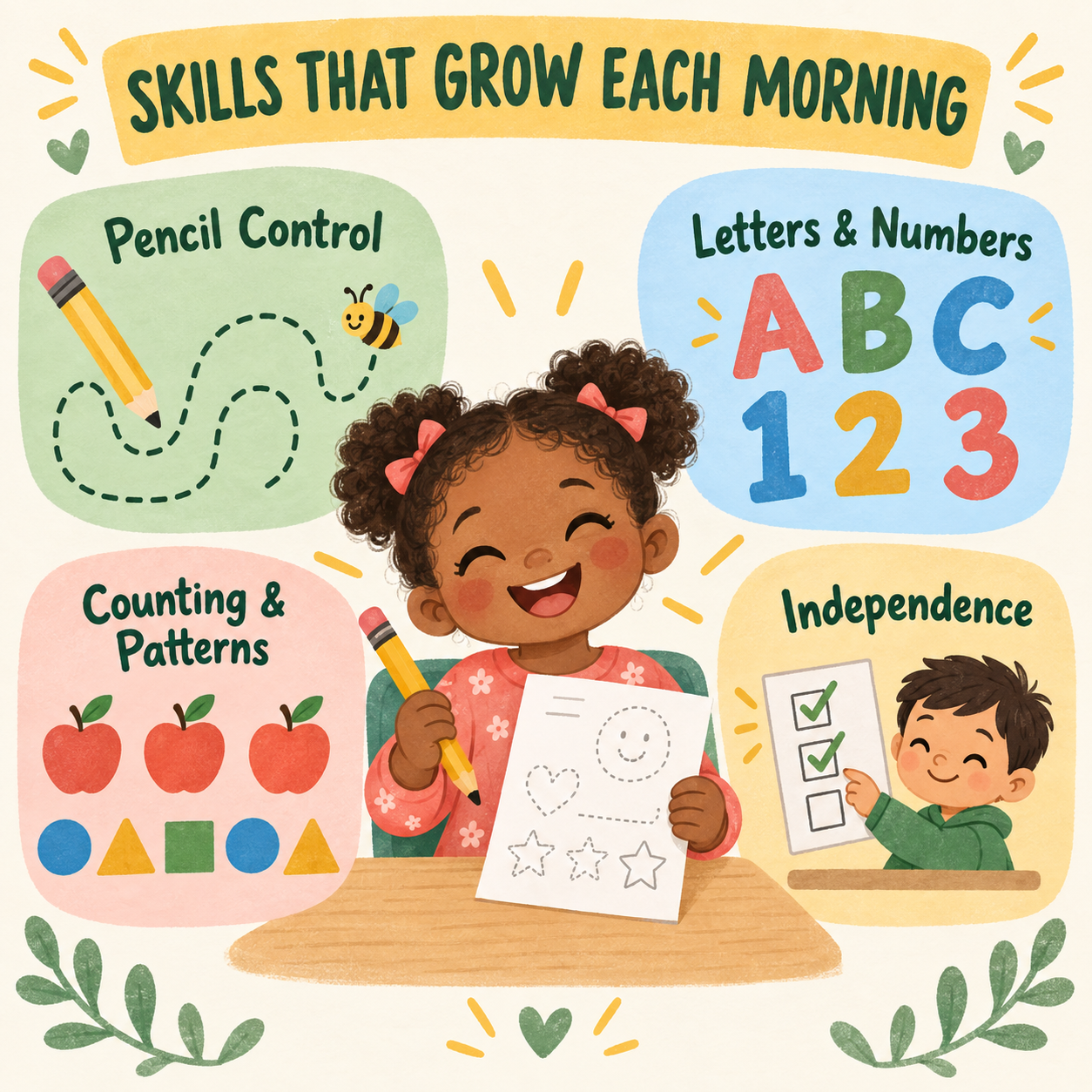
- The Routine: Use these hands-on pages for morning work, literacy centers, or as a quick filler activity for early finishers.
- Why it works: It promotes independent problem-solving and following directions, allowing teachers or parents to work with small groups while other children stay productively engaged.
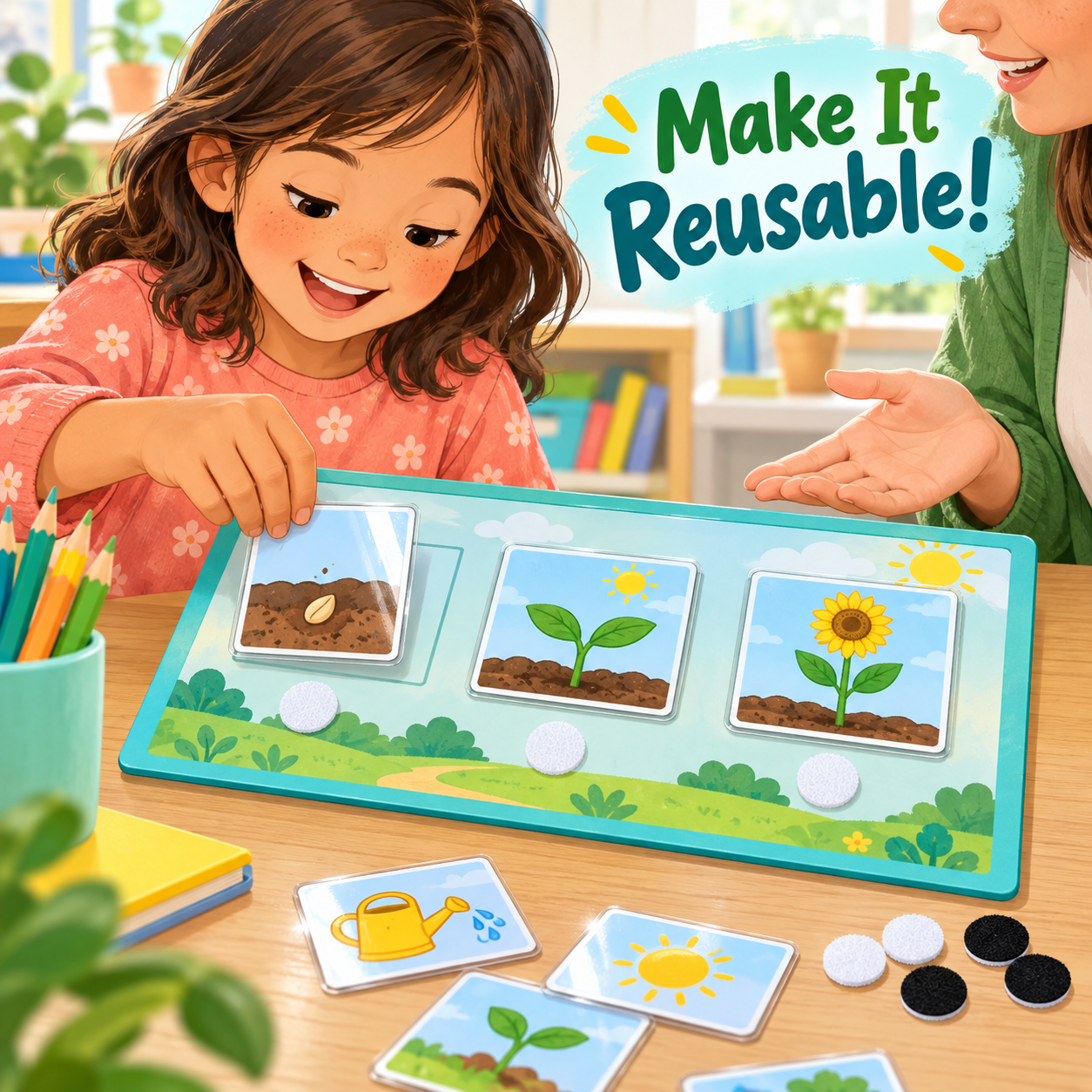
3. Reusable Storytelling Practice (The Lamination Hack)
Want to get more mileage out of your learning materials? You can easily turn a single-use printable worksheet into a reusable, long-lasting learning game.
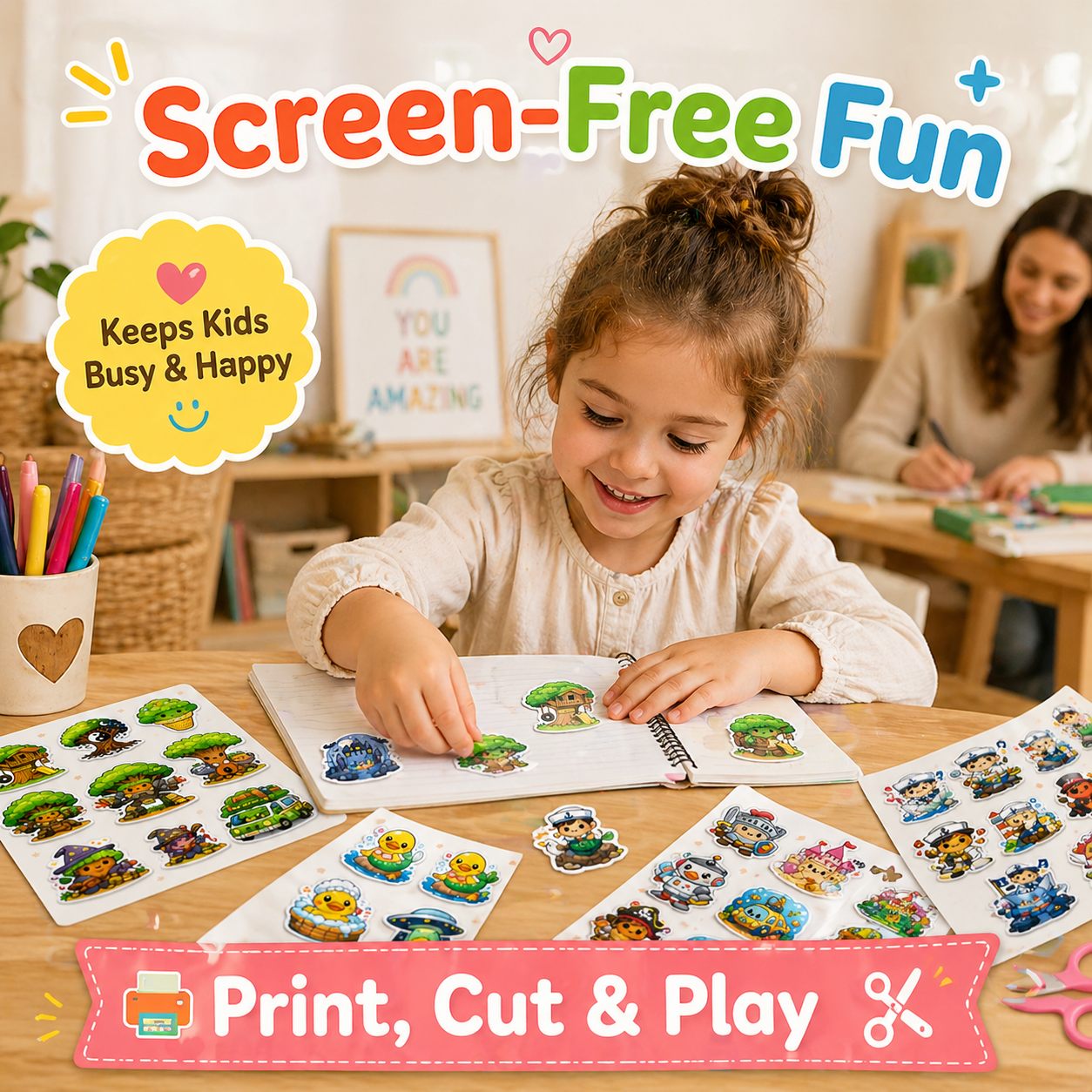
- How to do it: Print the activity sheets, laminate both the story page and the picture cards, and apply small pieces of hook-and-loop dots (or reusable adhesive) to the boxes.
- The Practice: Instead of using scissors and glue every time, children can match, arrange, and rearrange the picture cards over and over again to practice oral story retelling.
- Why it works: It is eco-friendly, budget-friendly, and perfect for repeated literacy intervention or practice at home.
Ready to Make Reading Practice Fun?
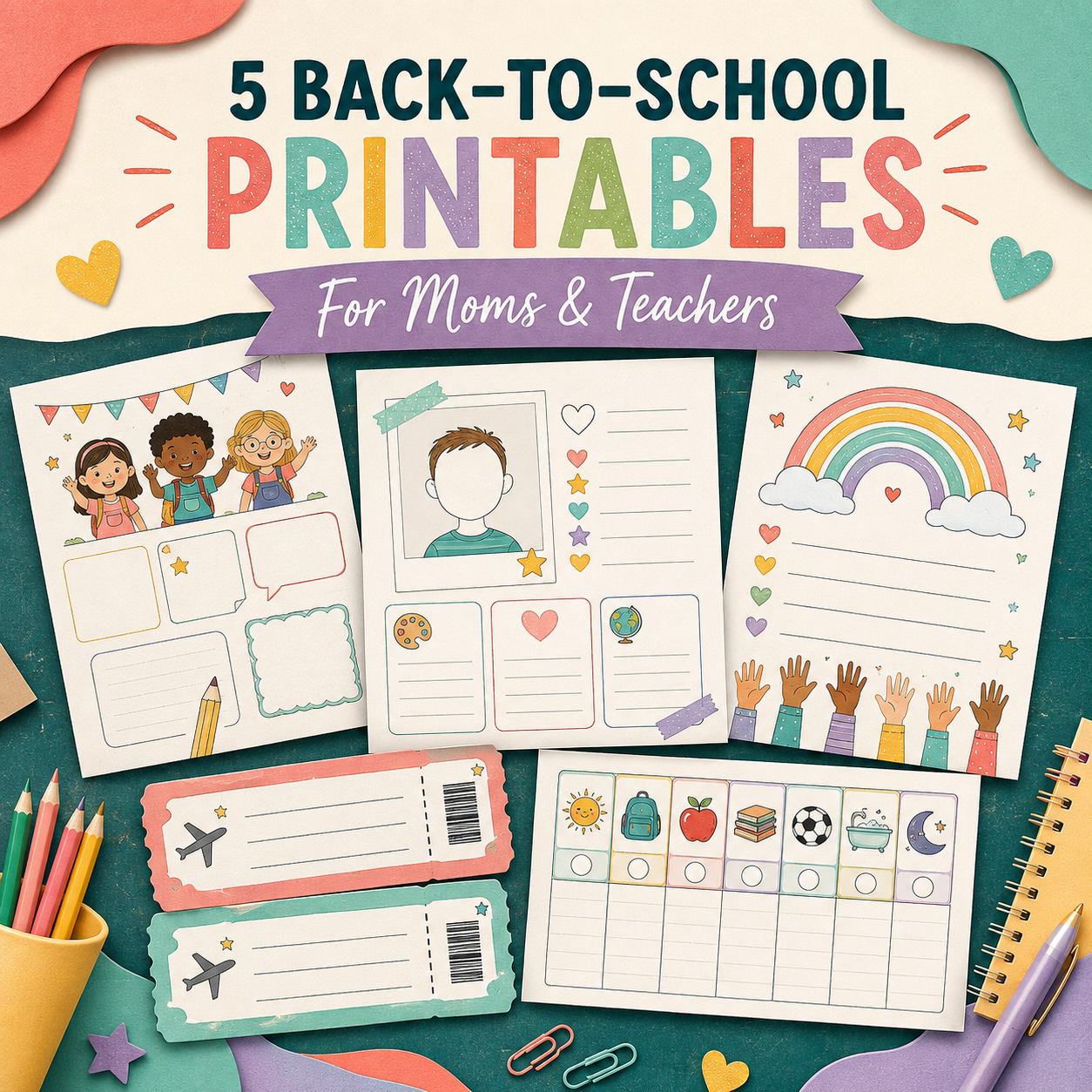
If you want to skip the prep work and dive right into engaging literacy activities, check out this ready-to-use resource: Build Sequencing & Reading Skills – 50 Printable Cut-and-Paste Activities for Kids.
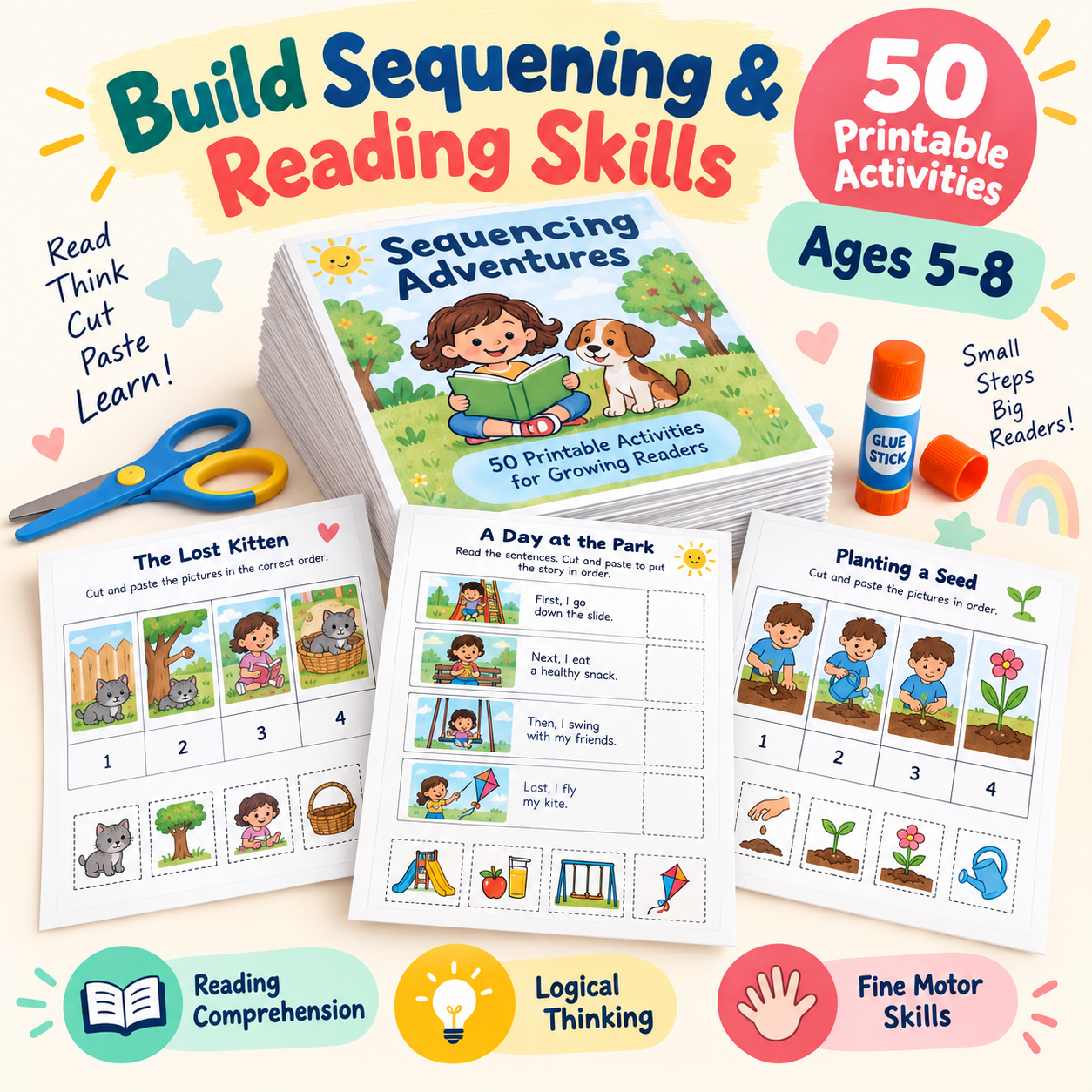
This comprehensive digital pack includes 50 high-resolution printable worksheets designed specifically for children ages 5–8. It's an effortless way to enhance reading comprehension, logical thinking, vocabulary, and fine motor skills all at once!
How do you help your young learners master reading comprehension? Let us know your favorite tips and tricks in the comments below!
Keywords/Tags: Reading comprehension for kids, early literacy activities, sequencing worksheets for children, cut and paste activities, homeschool reading resources, kindergarten literacy centers, fine motor skills for kids, teaching story structure.




Comments ()