
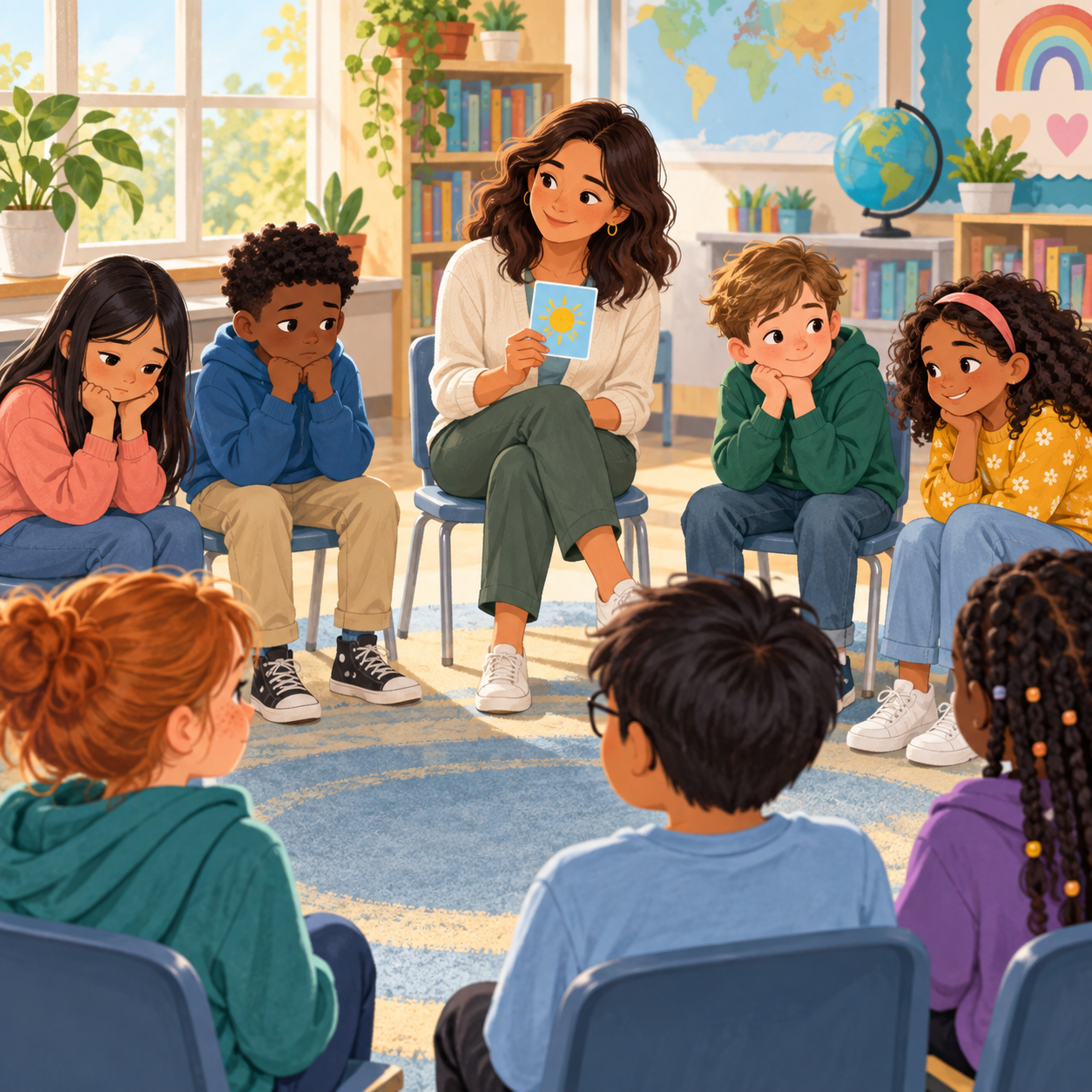
The beginning of a new school year, a fresh semester, or even a Monday morning meeting can sometimes start with the most dreaded sound in education: absolute silence.
Children—especially students ages 8 to 11—can feel hesitant, shy, or unsure of how to interact with their peers. Teachers, homeschoolers, and group leaders often search for ways to spark natural conversations without forcing kids into uncomfortable spotlight moments.
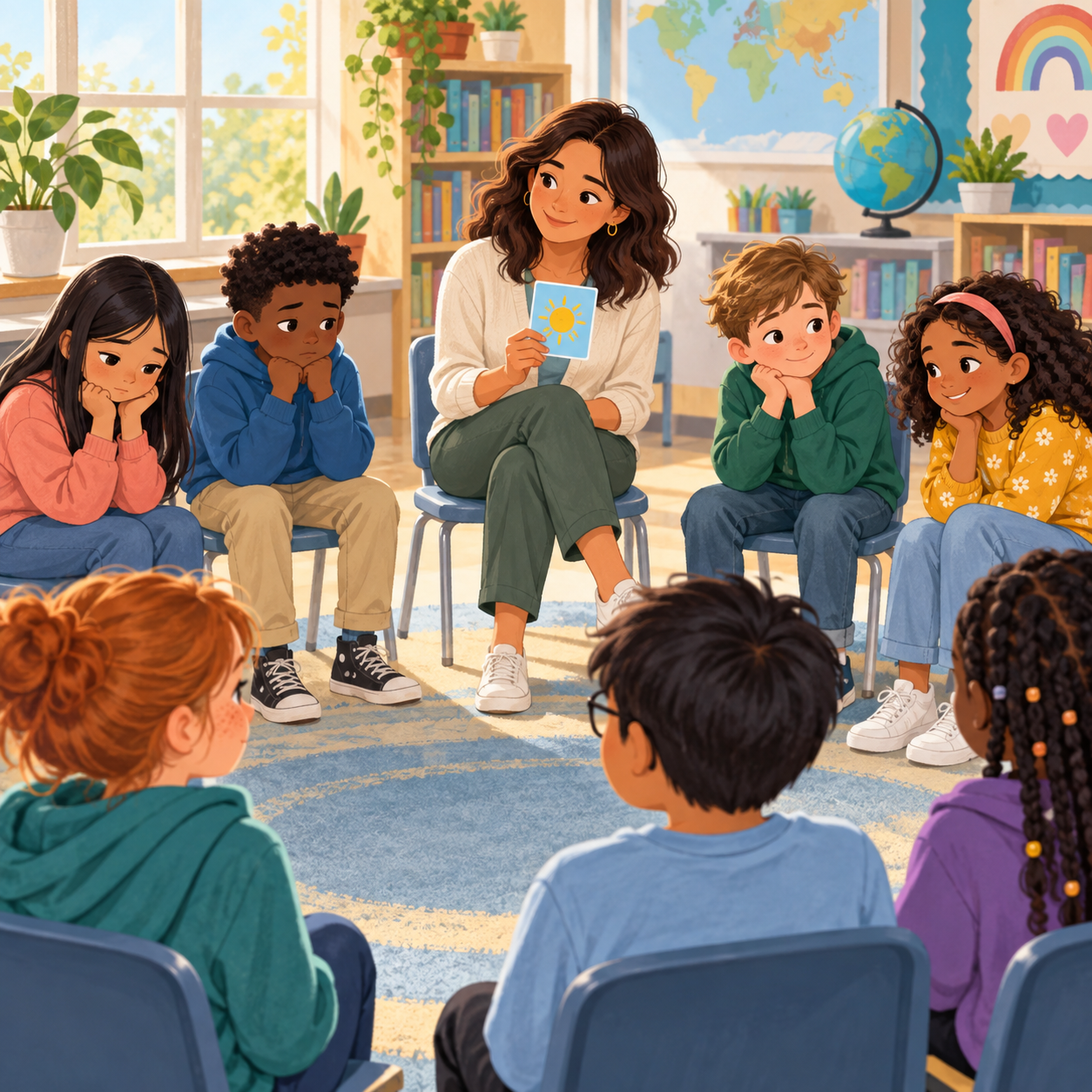
So, how do you turn nervous quiet into giggles, engagement, and genuine connection?
The secret lies in shifting away from high-pressure introductions and moving toward playful, low-stakes prompts. In this post, we’ll explore a creative, practical way to use classroom icebreaker cards to transform your morning routine and build a warm, inclusive learning community.
Why Traditional "Go Around the Room" Introductions Fail
When kids are asked to simply "tell us something interesting about yourself," panic often sets in. Shy children freeze, energetic kids rush through their answers, and the exercise feels more like a chore than a community-building activity.
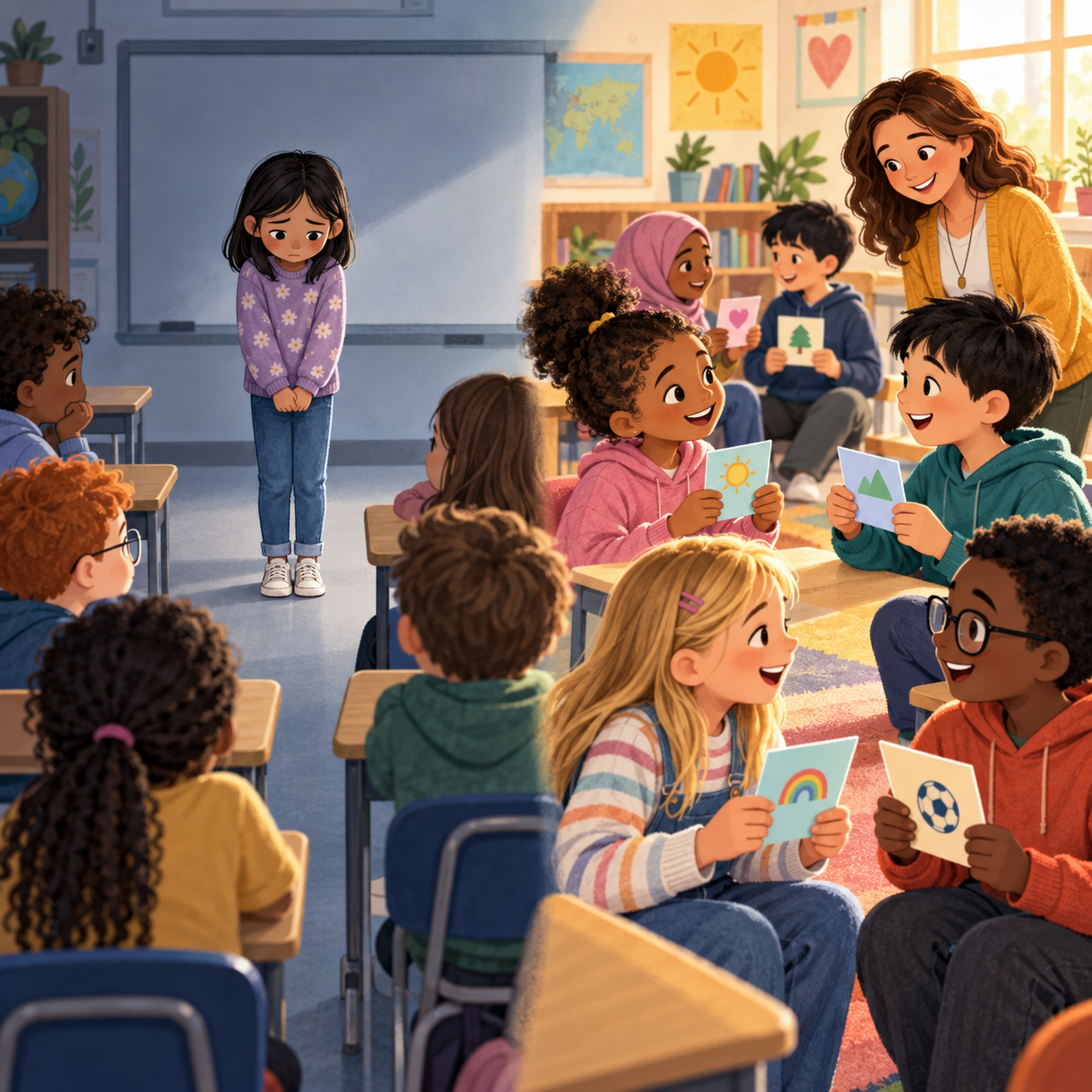
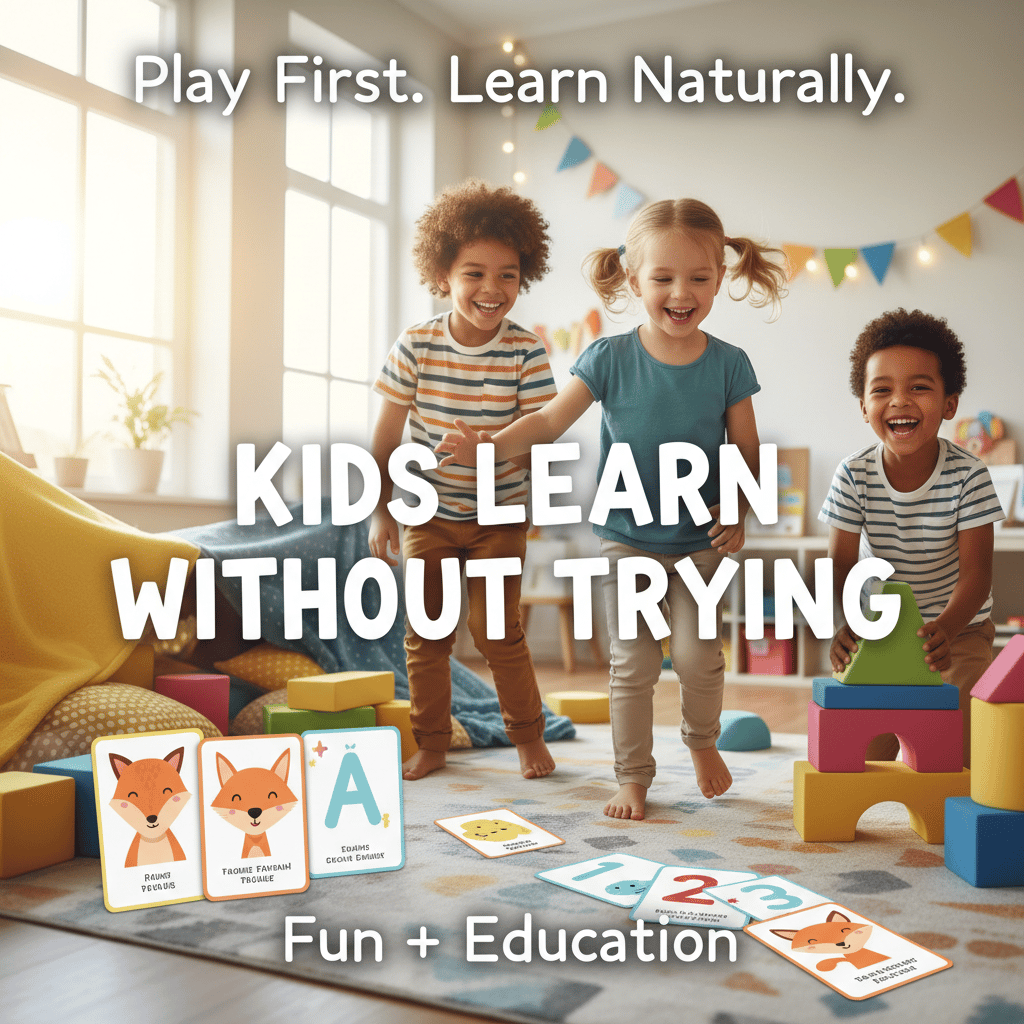
Effective communication needs structure, guidance, and a touch of fun. Children thrive when given specific, imaginative questions that take the pressure off "performing" and let their personalities shine naturally.
A Smart Solution: Using Printable Icebreaker Cards for Morning Meetings
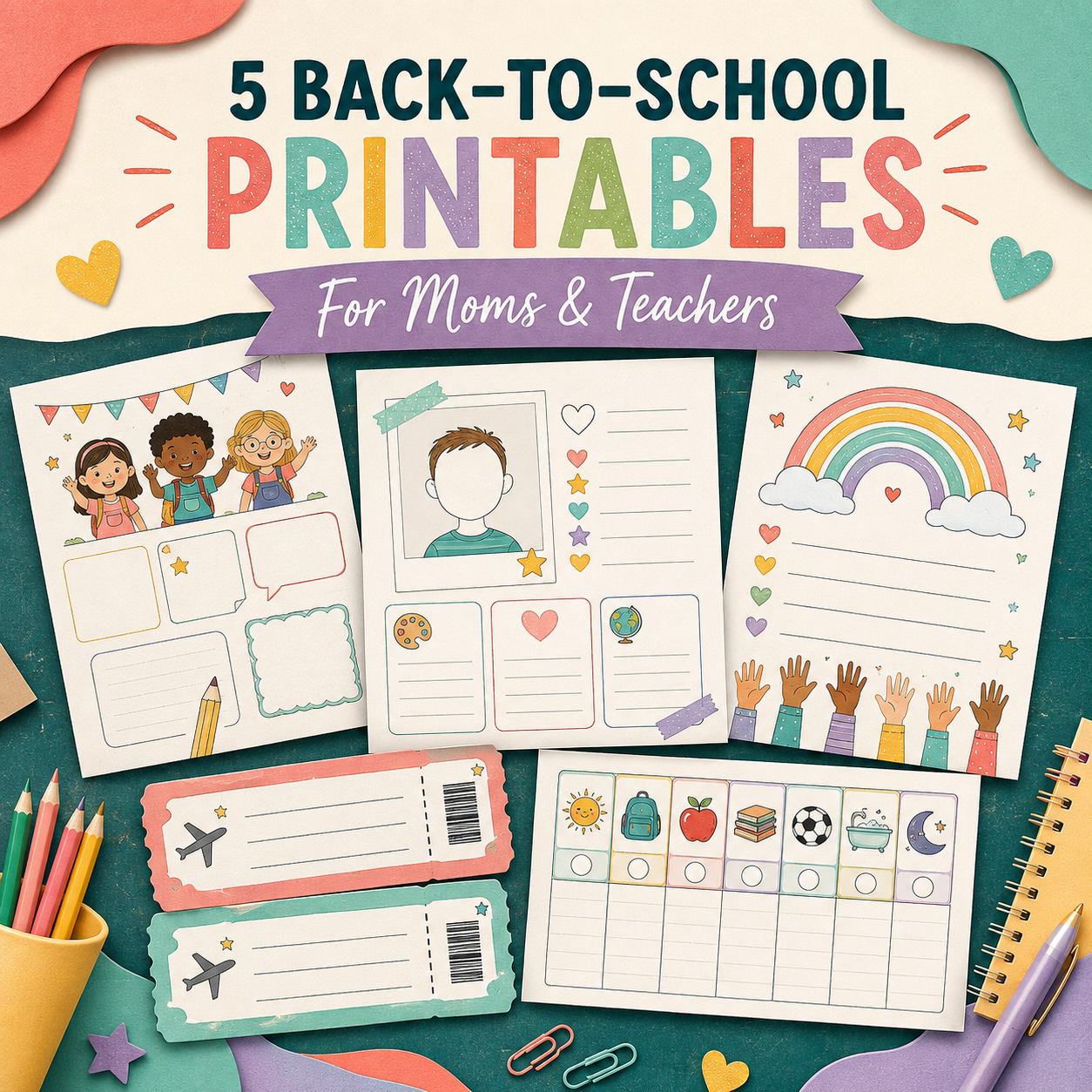
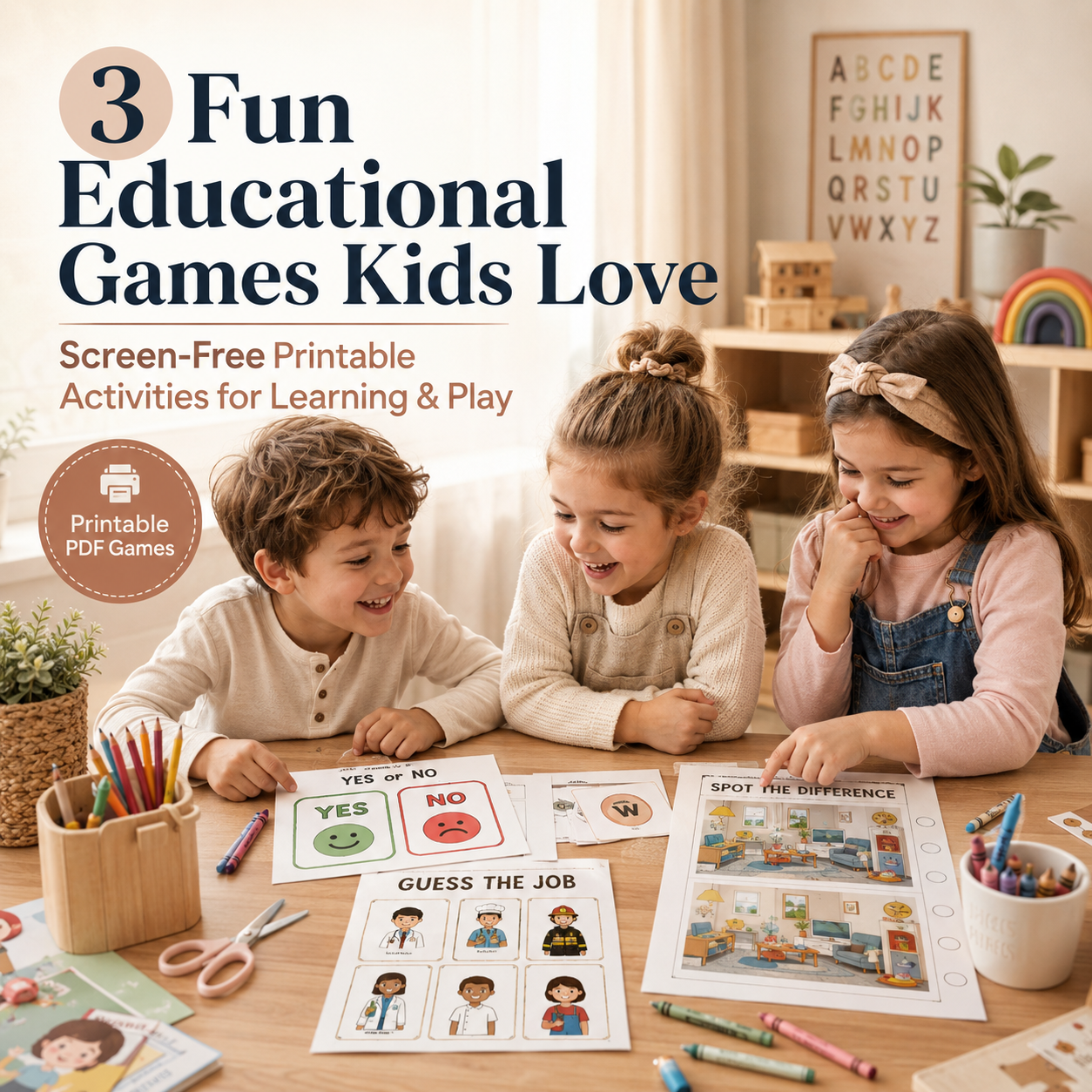
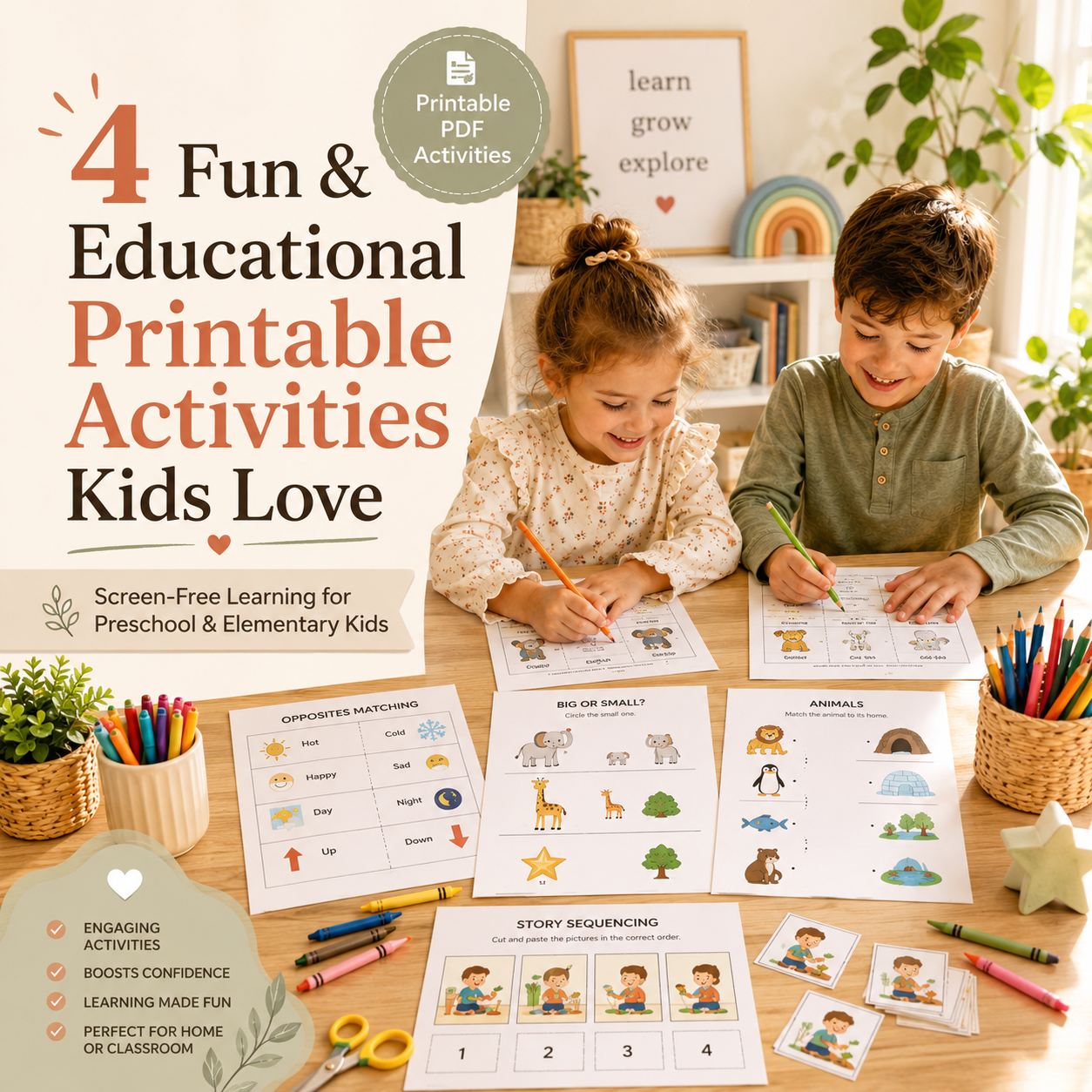
One of the easiest, most affordable ways to keep students engaged from day one is by incorporating ready-to-use printables into your daily routine. Tools like the 60 Fun Classroom Icebreaker Cards for Ages 8–11 provide a structured, stress-free way to get conversations flowing.
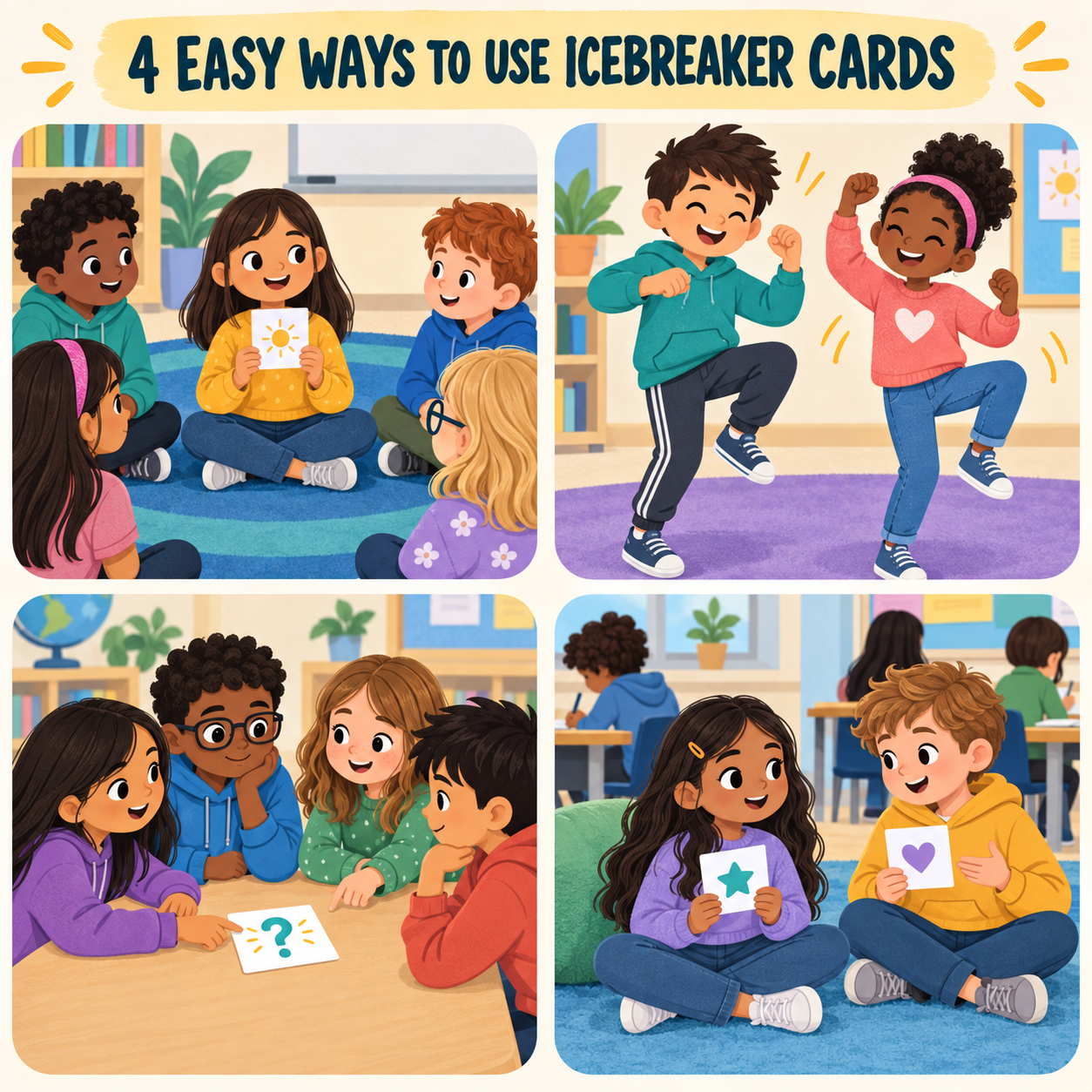
Here are four creative ways to use these cards in your learning space:
1. Morning Meeting Circles
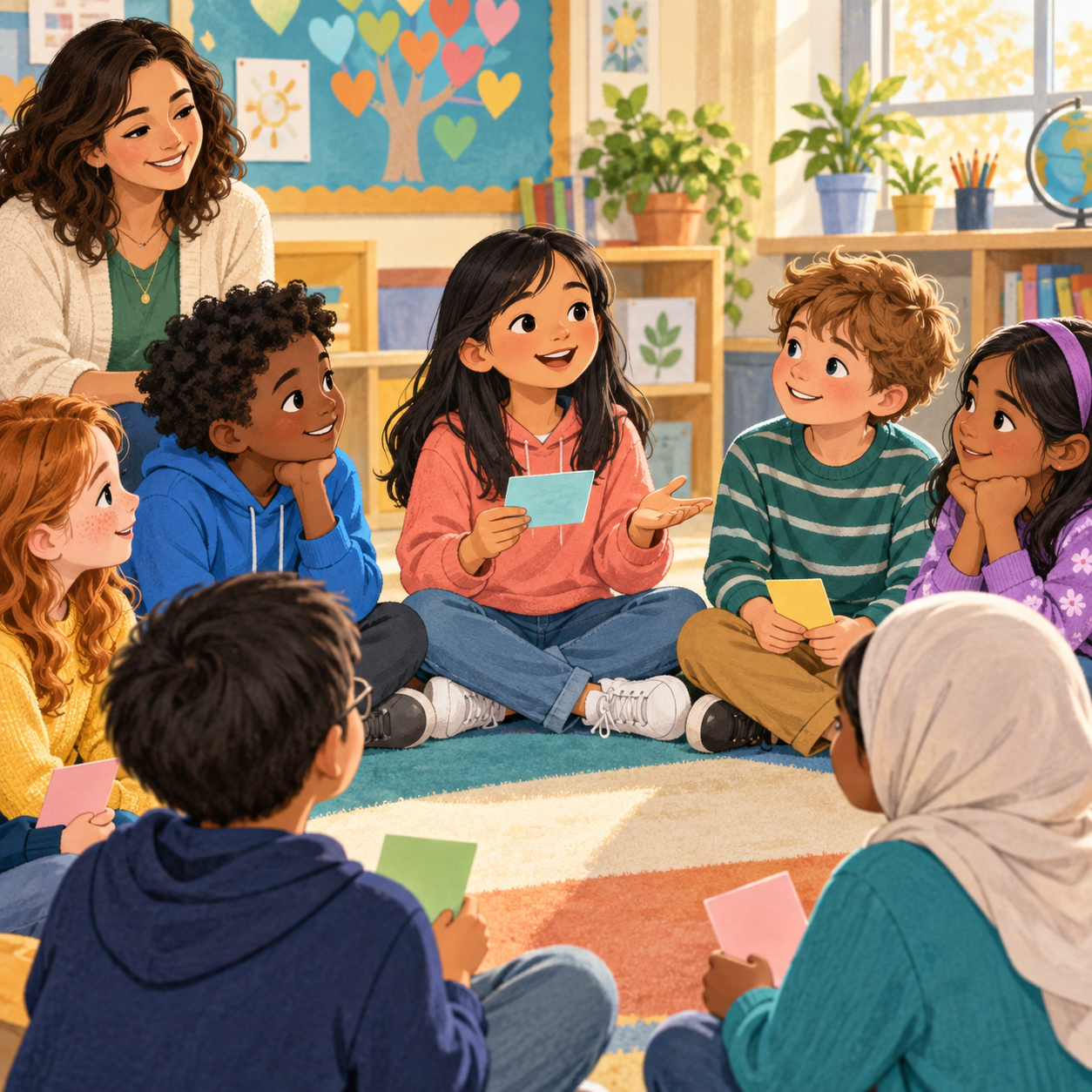
Start the day on a positive note. Pull a card from the deck during your morning meeting or circle time. Have students take turns drawing a question or answering in small pairs. It sets an upbeat, welcoming tone before academic lessons even begin.
2. Brain Breaks and Transition Times
When energy levels start to dip or restlessness sets in after a heavy math or reading block, a quick two-minute game using an icebreaker card acts as the ultimate mental refresh button. It refocuses student attention while keeping the mood light.
3. Small Group Collaboration and Team Building
If you are dividing students into groups for projects, use an icebreaker prompt as a quick warm-up activity. This helps teammates learn each other's preferences, build mutual respect, and work together more harmoniously.
4. Engaging Early Finishers
Instead of unstructured downtime, give early finishers a stack of question cards to use with a partner. It keeps students productively engaged in meaningful dialogue rather than distracting others.
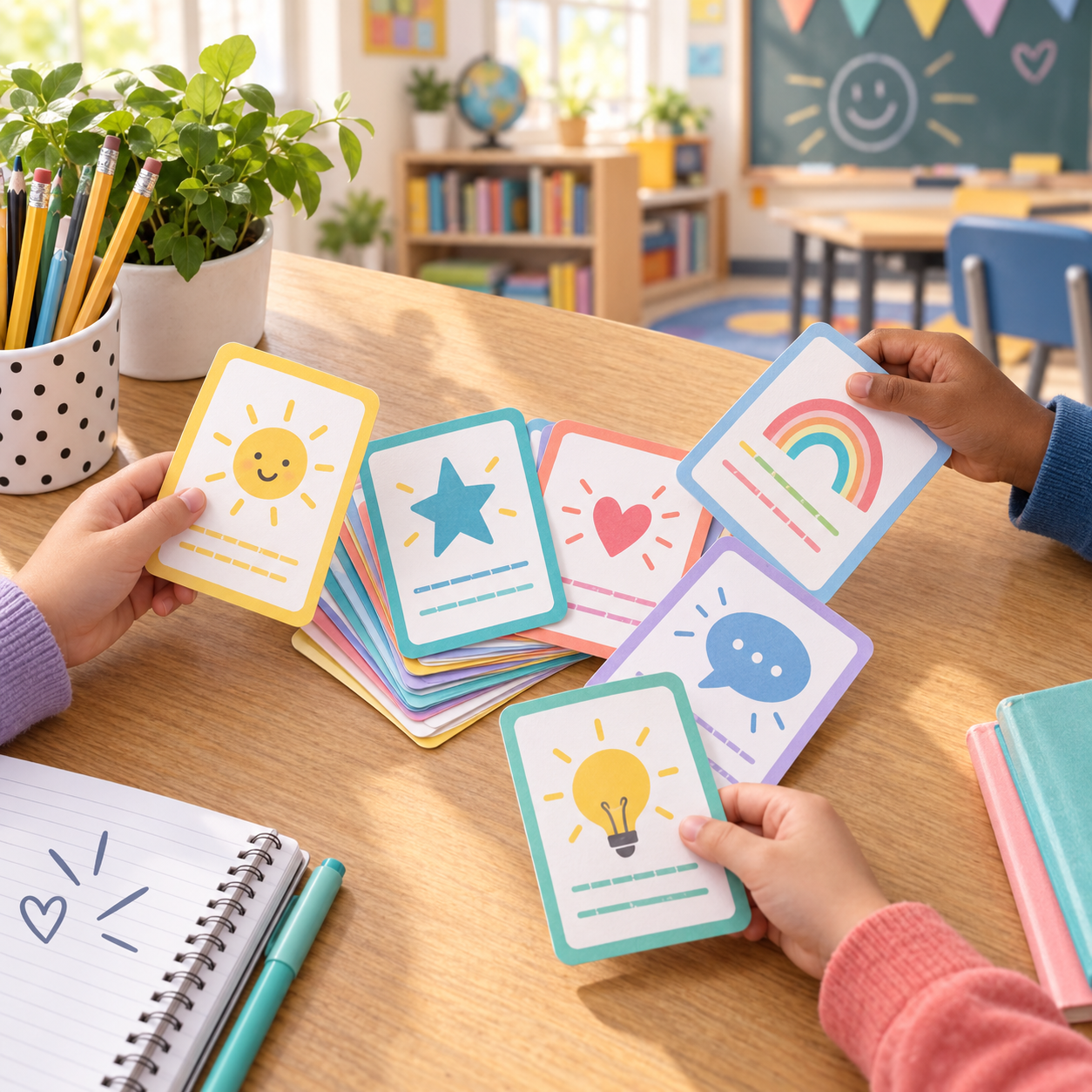
Tips for Maximizing Classroom Engagement
- Keep it Low-Stakes: Let students know there are no "wrong" answers. Encourage wild, creative, and funny responses!
- Model Vulnerability: Answer the questions yourself first. When kids see adults sharing lighthearted answers, they feel much safer participating.
- Involve the Kids: Use blank write-your-own cards to let students create their own questions. Kids love seeing their ideas featured in classroom activities.
Final Thoughts
Creating a positive classroom culture doesn't happen by accident—it is built through small, everyday moments of connection. By removing the awkward silence and replacing it with playful, guided conversations, you help children build confidence, empathy, and strong social skills that last a lifetime.
Ready to transform your morning routine? Explore the 60 Fun Classroom Icebreaker Cards for Ages 8–11 to get your printable questions, instructions, and activity guides instantly!
Keywords: classroom icebreaker cards, back to school activities, morning meeting ideas for kids, student engagement strategies, homeschool communication tools, classroom community building, printable educational resources, icebreaker questions for children.







Comments ()