


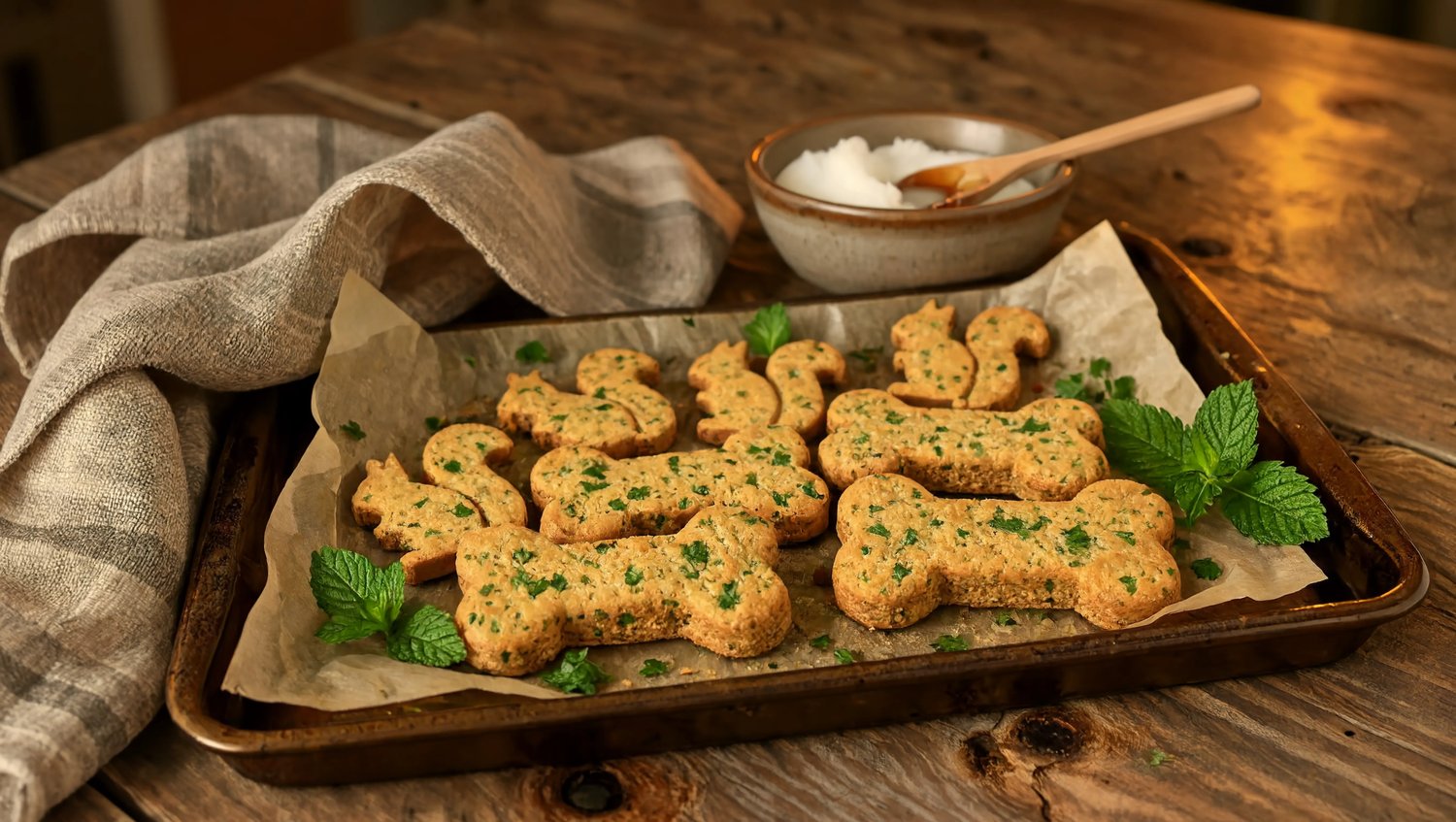
There is a moment every morning on our small farm in California that I live for. The sun is just beginning to burn off the coastal fog, the rosemary hedges are still damp, and Max—my eighty-five-pound Yellow Labrador—comes padding up the porch steps with his tail thumping a steady drumbeat against the railing. He presses his broad, golden head into my lap, looks up with those soft brown eyes, and I lean in to give him his good-morning hug.
And then I smell it. That smell. The unmistakable aroma of "Max found something dead in the orchard again" mixed with the natural musk of a dog who takes his job as farm security very seriously. Let’s be honest—stinky dog breath is the fastest way to ruin a perfect sunrise cuddle.
If you are nodding your head right now, you are not alone. As someone who has spent over a decade studying canine nutrition and living shoulder-to-shoulder with dogs on this land, I can tell you that bad breath is one of the most common complaints I hear from fellow pet parents. But here is what I have learned: you do not need chemical sprays or expensive dental sticks to fix it. Nature already gave us the solution, and it is probably growing in your garden right now.
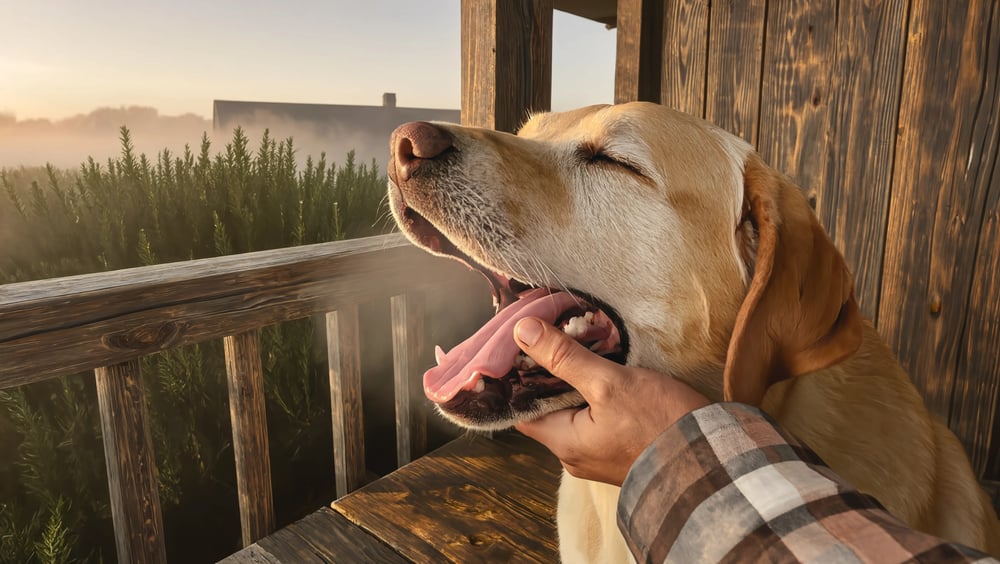
Today, I am sharing my go-to homemade dog treats recipe for fresh-breath cookies—an easy, evidence-based recipe using parsley and mint that has become a staple in my farm kitchen. These are not just healthy dog snacks. They are a simple act of love that turns morning breath into something a whole lot more kissable.
Why Your Dog Has Bad Breath (And When to Worry)
Before we preheat the oven, let us talk about the "why." A dog’s mouth is a complex ecosystem. Like humans, dogs develop odor when bacteria break down food particles trapped between teeth or along the gumline. According to veterinary research, persistent bad breath in dogs is often associated with periodontal disease . If your dog’s breath smells like rotting garbage or ammonia, or if you notice bleeding gums, difficulty eating, or excessive drooling, stop reading and call your veterinarian. No cookie in the world can fix an infected tooth or kidney issue.
However, if your dog simply has that standard-issue "dog breath"—the kind that hits you when they yawn in your face at 6 a.m.—the culprit is usually a buildup of odor-causing bacteria. This is where DIY dog treats can be a game-changer. Think of them as part of a holistic dental routine: regular brushing, professional cleanings when needed, and natural, breath-freshening nutrition.
The Farm Apothecary: The Science Behind Parsley and Mint
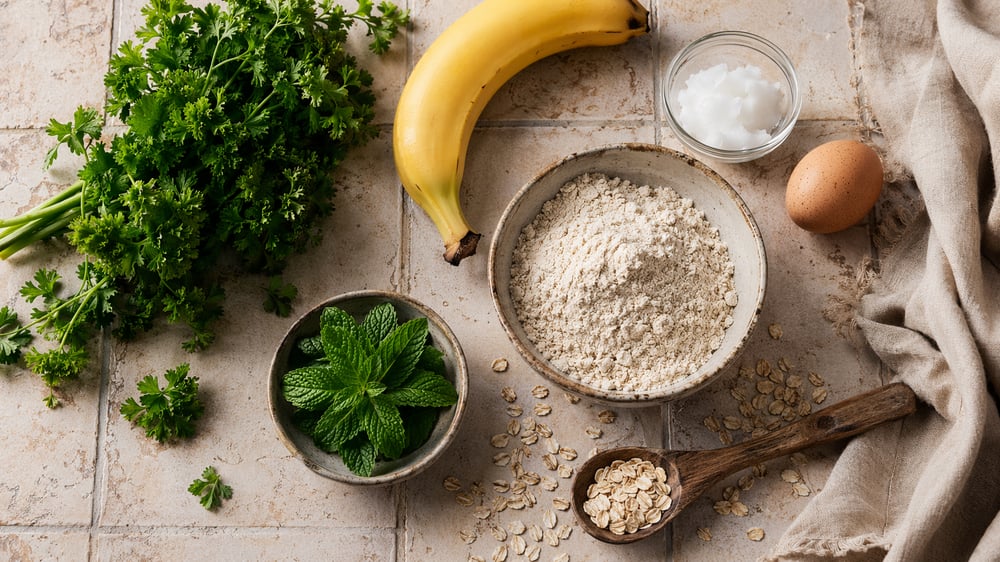
Living on a farm teaches you to look at food as medicine. Every summer, my herb garden explodes with curly parsley and spearmint, and I have watched these two humble plants work wonders on Max’s mouth. Here is what the science says.
Curly Parsley: Nature’s Chlorophyll Powerhouse
Parsley is not just a garnish. Curly parsley is rich in chlorophyll, the green pigment that acts almost like nature’s internal deodorizer by neutralizing odors at the source . It is also packed with vitamins K, C, and A, and has documented antimicrobial properties that help fight the bacteria responsible for foul breath.
A critical Poochwell safety note: Only use curly parsley for your dog. Flat-leaf (Italian) parsley contains higher concentrations of essential oils that can be problematic in large quantities, and spring parsley (wild carrot) is toxic to dogs . When in doubt, look for the bright green, ruffled leaves.
Fresh Mint: The Cooling Antibacterial Ally
Mint has been used for centuries to freshen breath, and it works for dogs too. The herb contains natural essential oils and chlorophyll that provide a cooling effect while combating bacterial growth in the mouth . Veterinary studies confirm that mint’s antimicrobial properties can help reduce the bacteria that lead to plaque and tartar buildup . It can also aid digestion, which is important because gut health and oral health are deeply connected.
Moderation matters. A little mint goes a long way. I use just enough in these cookies to freshen breath without irritating sensitive stomachs .
Coconut Oil: The Secret Dental Weapon
I add a spoonful of coconut oil to this recipe for more than just texture. Coconut oil contains antibacterial and antimicrobial properties that can help control plaque and prevent bacteria from spreading in your dog’s mouth . Plus, most dogs love the subtle tropical flavor.
Poochwell’s Fresh-Breath Farm Cookies: A Homemade Dog Treats Recipe
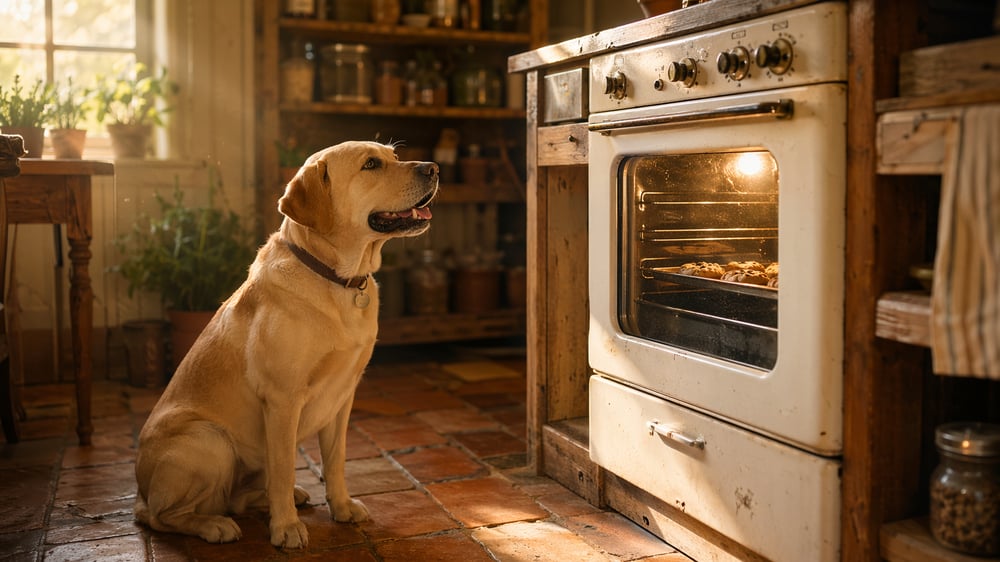
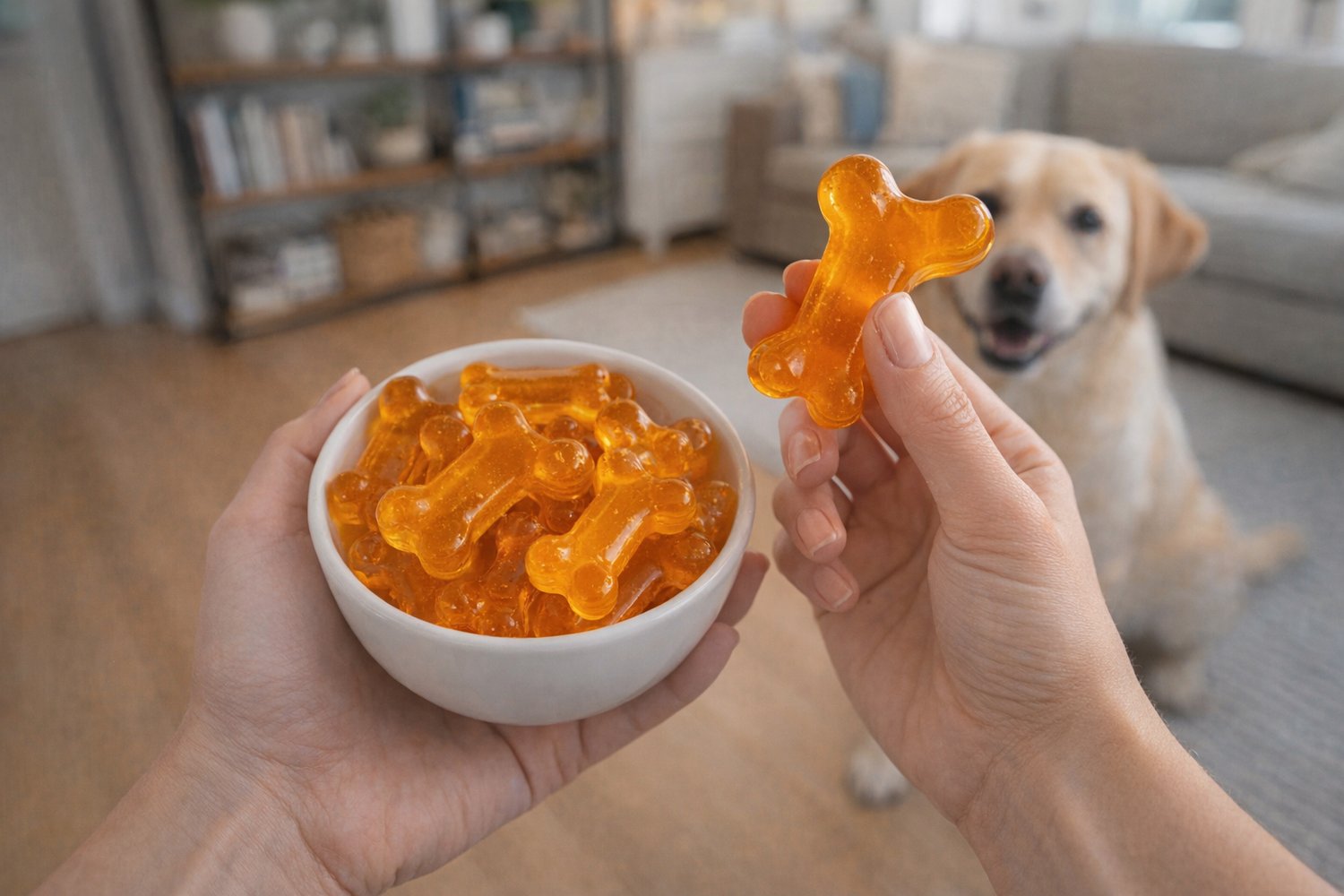
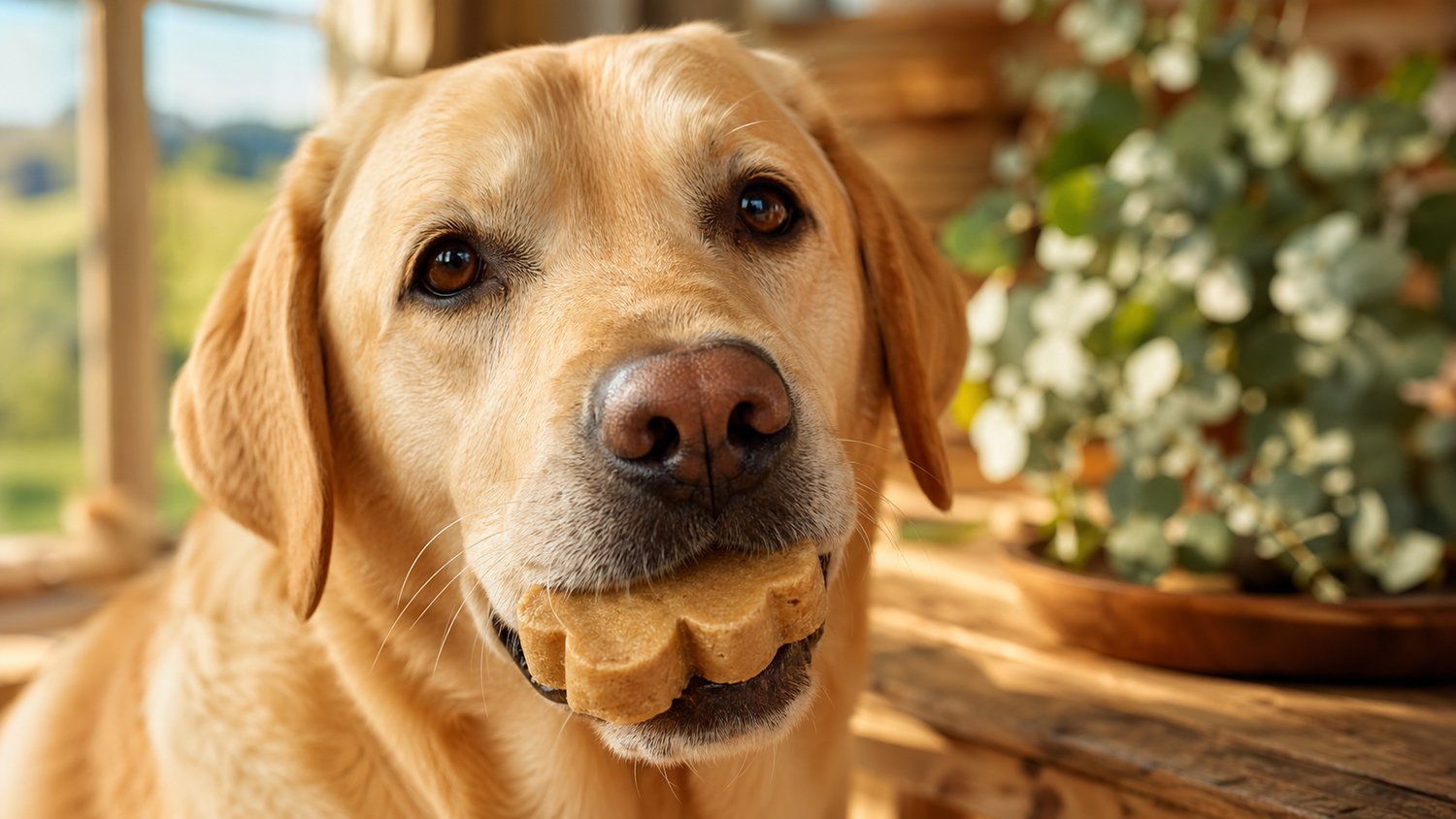
This is the exact recipe I bake for Max every two weeks. It takes thirty minutes from start to finish, uses ingredients you can pronounce, and stores beautifully. These crunchy cookies are among the best dog breath fresheners I have found—and trust me, I have tried them all.
Ingredients
Makes approximately 40 medium-sized cookies
- 2½ cups oat flour (or rolled oats pulsed into a coarse flour)
Poochwell-Tip: Oat flour is gentle on sensitive stomachs. If your dog tolerates wheat, you can substitute whole wheat flour, but oats provide extra fiber and a satisfying crunch that helps clean teeth.
- ½ cup fresh curly parsley, finely chopped
Poochwell-Tip: Do not use dried parsley. The volatile oils that fight bacteria degrade quickly once dehydrated. Chop it fresh, and chop it fine—nobody wants a dog picking leafy greens out of their cookie.
- ¼ cup fresh spearmint or peppermint leaves, finely chopped
Poochwell-Tip: Use fresh garden mint, not peppermint extract or candy canes. Extracts are too concentrated, and many commercial mint products contain xylitol, which is highly toxic to dogs.
- ⅓ cup coconut oil, melted and slightly cooled
- 1 ripe banana, mashed
Poochwell-Tip: The banana acts as a natural binder and adds potassium. If your dog is diabetic or overweight, substitute with ½ cup unsweetened pumpkin puree.
- 1 large egg
Poochwell-Tip: If your dog has an egg allergy, mix 1 tablespoon of ground flaxseed with 3 tablespoons of water and let it sit for five minutes.
Instructions
- Preheat your oven to 325°F (165°C). Line a baking sheet with parchment paper.
- Make your oat flour. If you are starting with rolled oats, pulse them in a blender or food processor for 30 seconds until they reach a coarse, flour-like consistency. A little texture is good—it adds crunch.
- Mix the dry base. In a large bowl, combine the oat flour, chopped parsley, and chopped mint. Use your fingers to rub the herbs into the flour, distributing the oils evenly.
- Add the wet ingredients. In a separate bowl, whisk together the mashed banana, melted coconut oil, and egg until smooth.
- Form the dough. Pour the wet mixture into the dry ingredients and stir until a thick dough forms. If it feels too sticky, add oat flour one tablespoon at a time. If it is too crumbly, add a teaspoon of water.
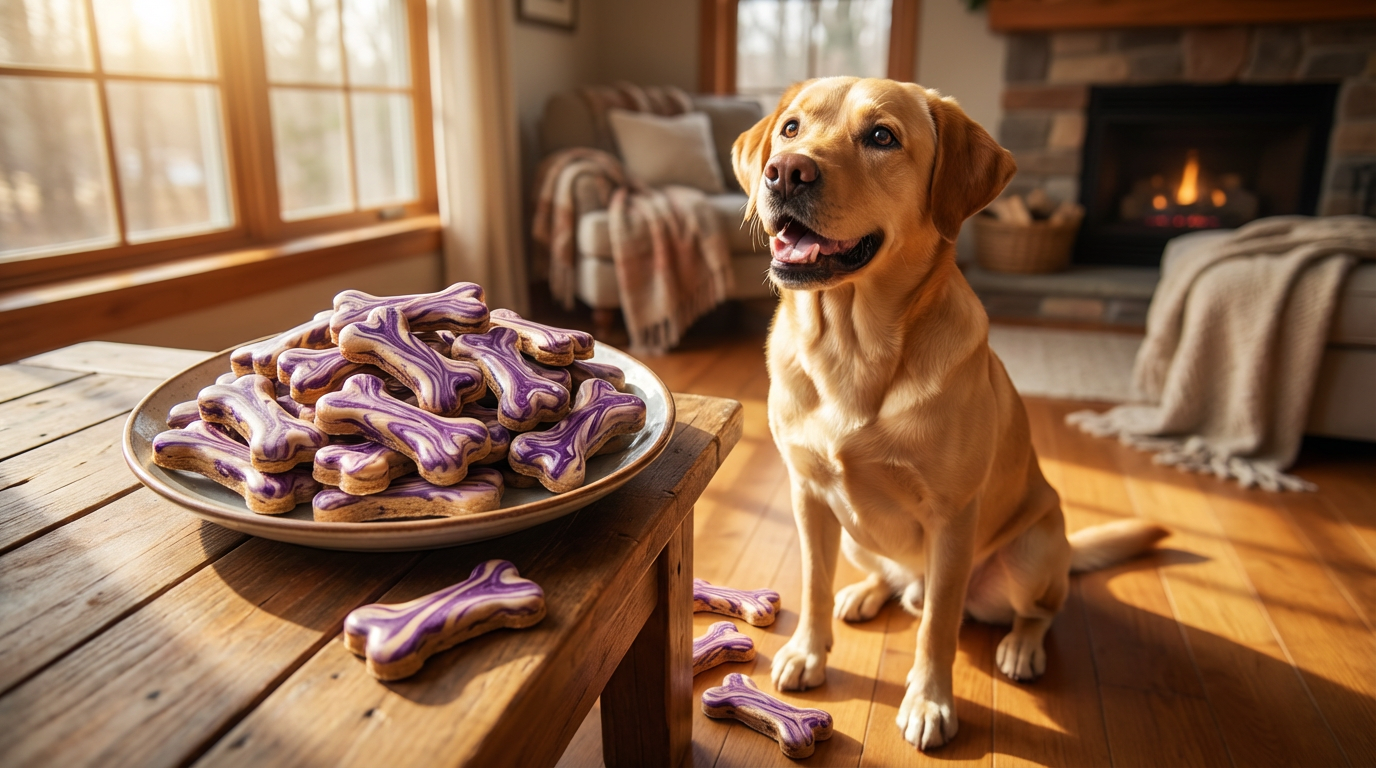
- Roll and cut. Lightly flour your counter with oat flour. Roll the dough to about ¼-inch thickness. Use cookie cutters (I use bone shapes and little squirrels) or simply cut into squares with a knife.
- Bake. Place the cookies on your prepared baking sheet. Bake for 18–22 minutes, or until the edges are golden and the centers are firm. For an extra-hard crunch that helps scrape plaque, turn off the oven and let the cookies cool inside for another 30 minutes.
- Cool completely. Store in an airtight container in the refrigerator for up to 10 days, or freeze for up to 3 months.
Pro-Tips from the Farm Kitchen

These are the little details I have learned from ten years of baking DIY dog treats for Max and his farm-dog friends:
- The "Toothbrush" Test: A good breath-freshening cookie should be crunchy, not soft. The mechanical action of chewing helps scrape plaque off teeth. If your cookies come out soft, bake them longer or leave them in the turned-off oven to dehydrate.
- Herb Harvesting: If you grow your own parsley and mint, harvest them in the morning after the dew has dried but before the midday sun. This is when their essential oil concentration is highest.
- Size Matters: For small dogs, roll the dough thinner and use small cutters so they can crunch the whole treat easily. For large breeds like Max, thicker cookies provide a more satisfying chew.
- The Transition Rule: When introducing any new healthy dog snacks, start with half a cookie and monitor your dog’s digestion for 24 hours. Even good ingredients are new ingredients.
- Never Skip the Vet: These cookies are a fantastic natural dog breath freshener, but they are not a replacement for professional dental cleanings. Think of them as part of your dog’s wellness routine, not a cure-all .
You Want More Healthy Recipes for Your Pooch?
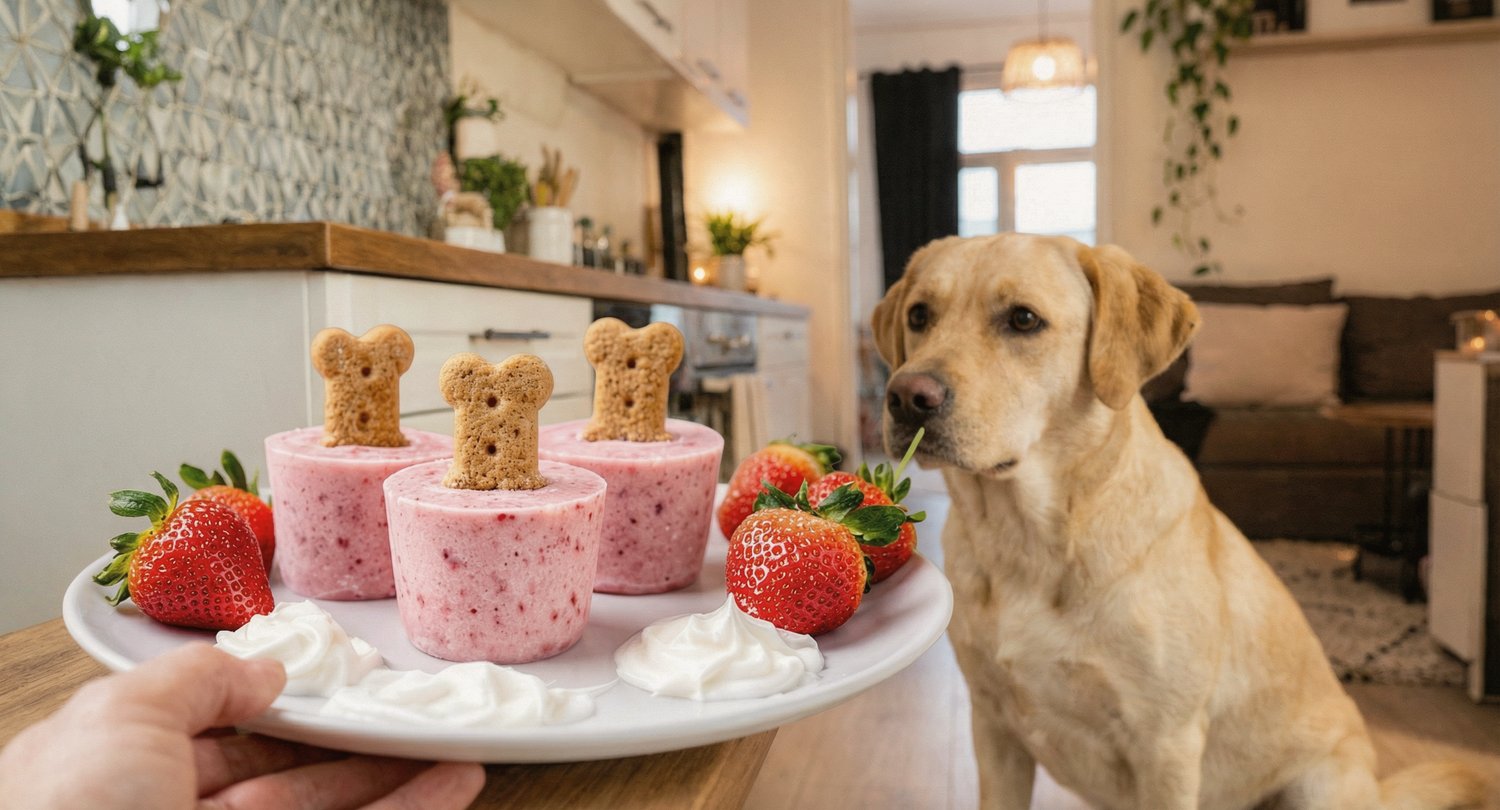
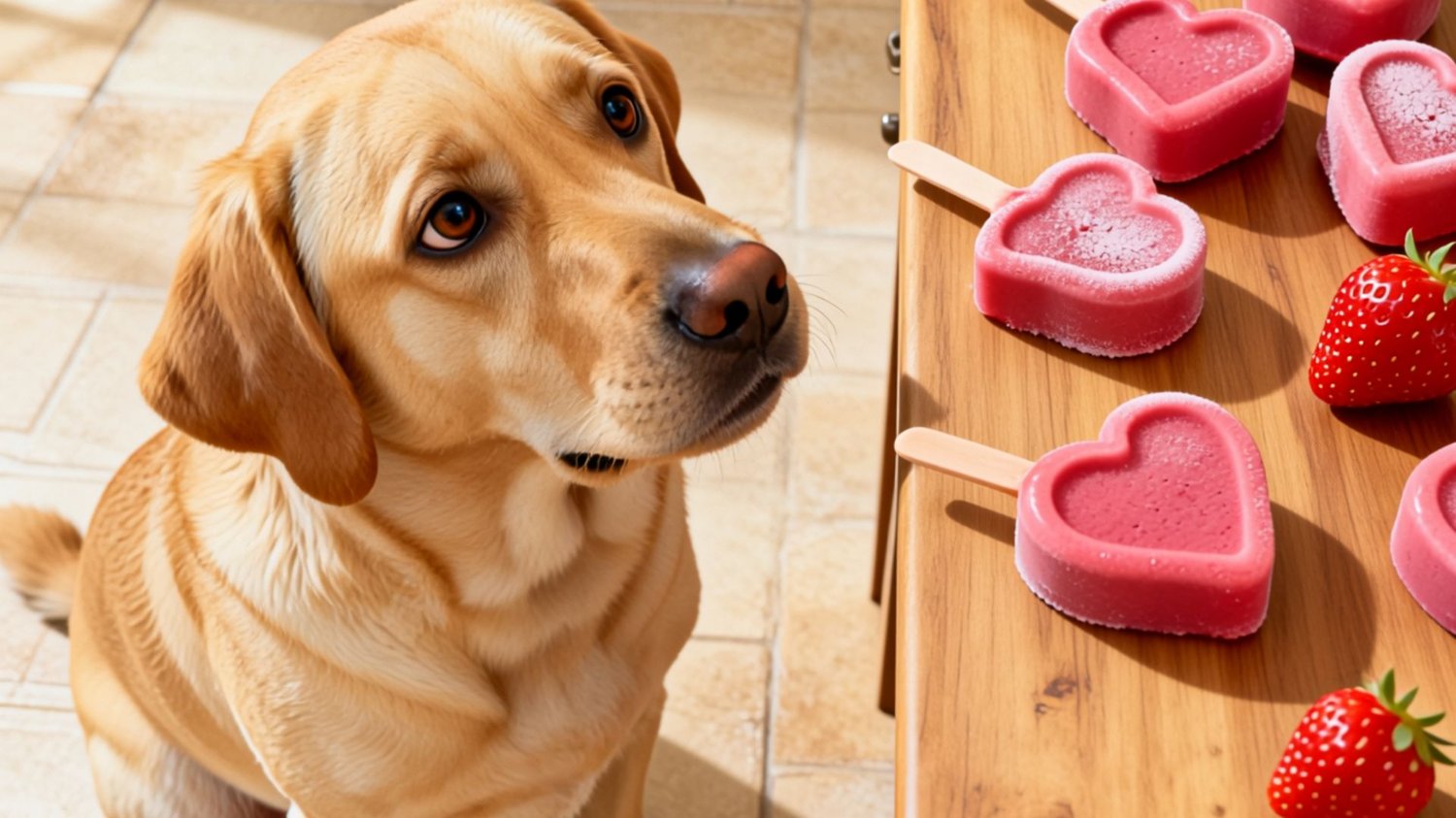
If you loved making these fresh-breath cookies, I have good news: this is just the beginning. Over the years living here in California with Max by my side, I have filled notebooks with dog treat recipes—every one of them tested by real farm dogs, rooted in nutritional science, and designed to solve the everyday problems we face as pet parents. From grain-free biscuits for sensitive stomachs to frozen pupsicles for hot summer afternoons, I have learned that the best way to show our dogs love is through food that actually nourishes them.
That is exactly why I wrote Pup-tastic Treats: Guilt-free Snacks for Your Four-legged Companion. It is not just a recipe book. It is a complete guide to making homemade dog treats that support everything from hip health to coat shine to—yes—fresh breath.

Every recipe includes substitution guides (because every dog is different), calorie counts, and the "why" behind the ingredients, so you can bake with confidence.
If you are ready to turn your kitchen into the healthiest corner of your dog’s world, I invite you to grab a copy. Your dog’s tail—and your nose—will thank you.
Here’s to fresh breath, muddy paw prints, and the kind of love that only a dog can give.
— The Poochwell Farm Kitchen
Have you tried making homemade breath-freshening treats for your dog? Drop a comment below and let me know how your pup liked them!















Comments ()