



Does your dog often suffer from tummy troubles? If your furry friend has a sensitive stomach, finding the right food can be a game-changer. Not only can it improve their digestion, but it can also enhance their overall health and happiness. In this blog, we will delve into the best foods for dogs with sensitive stomachs, addressing common concerns and providing valuable insights.
Understanding Sensitive Stomachs in Dogs
A sensitive stomach in dogs can manifest in various ways, including frequent vomiting, diarrhea, excessive gas, or general discomfort after meals. These symptoms can be distressing for both the dog and the owner. It's essential to identify the underlying causes, which could range from food intolerances and allergies to more severe gastrointestinal issues.
Why Do Some Dogs Have Sensitive Stomachs?
Sensitive stomachs in dogs can be attributed to several factors:
1. Food Intolerances: Some dogs have difficulty digesting certain ingredients, such as grains, dairy, or specific proteins.
2. Allergies: Common allergens like beef, chicken, or soy can trigger digestive upset.
3. Rapid Dietary Changes: Sudden changes in diet can disrupt your dog's digestive system.
4.Underlying Health Issues: Conditions like inflammatory bowel disease or pancreatitis can cause ongoing digestive problems.
Best Foods for Dogs with Sensitive Stomachs
Finding the right food for your dog can make a significant difference in their digestive health. Here are some top recommendations:
1. Hydrolyzed Protein Diets
Hydrolyzed protein diets contain proteins that have been broken down into smaller molecules, making them easier to digest and less likely to cause an allergic reaction. Brands like Hill's Prescription Diet and Royal Canin offer hydrolyzed protein formulas specifically designed for dogs with sensitive stomachs.
2. Limited Ingredient Diets (LID)
Limited ingredient diets contain fewer components, reducing the risk of triggering allergies or intolerances. These diets often focus on a single protein source and a single carbohydrate source. Examples include:
- Natural Balance LID
- Blue Buffalo Basics
3. Grain-Free Formulas
Grains can be difficult for some dogs to digest. Grain-free diets eliminate common culprits like wheat, corn, and soy, focusing instead on easily digestible ingredients such as sweet potatoes and peas. Popular grain-free options include:
- Merrick Grain-Free
- Taste of the Wild
4. Probiotic-Enhanced Foods
Probiotics are beneficial bacteria that support a healthy gut. Adding probiotic-enhanced foods to your dog's diet can improve digestion and boost their immune system. Look for brands like:
- Purina Pro Plan FortiFlora
- Wellness CORE RawRev
5. Novel Protein Diets
Novel protein diets use uncommon protein sources like venison, rabbit, or duck, which are less likely to cause allergic reactions. These can be especially useful for dogs with food sensitivities. Recommended brands include:
- Instinct by Nature's Variety
- Zignature
Frequently Asked Questions
What Ingredients Should I Avoid for Dogs with Sensitive Stomachs?
Avoid ingredients known to cause digestive issues, such as grains, dairy, artificial additives, and common allergens like beef and chicken. Opt for simple, natural ingredients that are easy to digest.
How Can I Transition My Dog to a New Diet Safely?
Transitioning your dog to a new diet should be done gradually over 7-10 days. Start by mixing a small amount of the new food with their current food, gradually increasing the proportion of the new food while decreasing the old food.
Are Homemade Diets Good for Dogs with Sensitive Stomachs?
Homemade diets can be an excellent option, but they must be well-balanced and nutritionally complete. Consult your veterinarian for guidance and consider working with a pet nutritionist to ensure your dog's dietary needs are met.
How Do Probiotics Help Dogs with Sensitive Stomachs?
Probiotics introduce beneficial bacteria into your dog's gut, helping to maintain a healthy balance of gut flora. This can improve digestion, reduce gas, and support overall gut health.
Can Sensitive Stomachs in Dogs Be a Sign of a Serious Health Issue?
Yes, persistent digestive problems can indicate underlying health issues like inflammatory bowel disease, pancreatitis, or gastrointestinal infections. If your dog's symptoms are severe or ongoing, consult your veterinarian for a thorough evaluation.
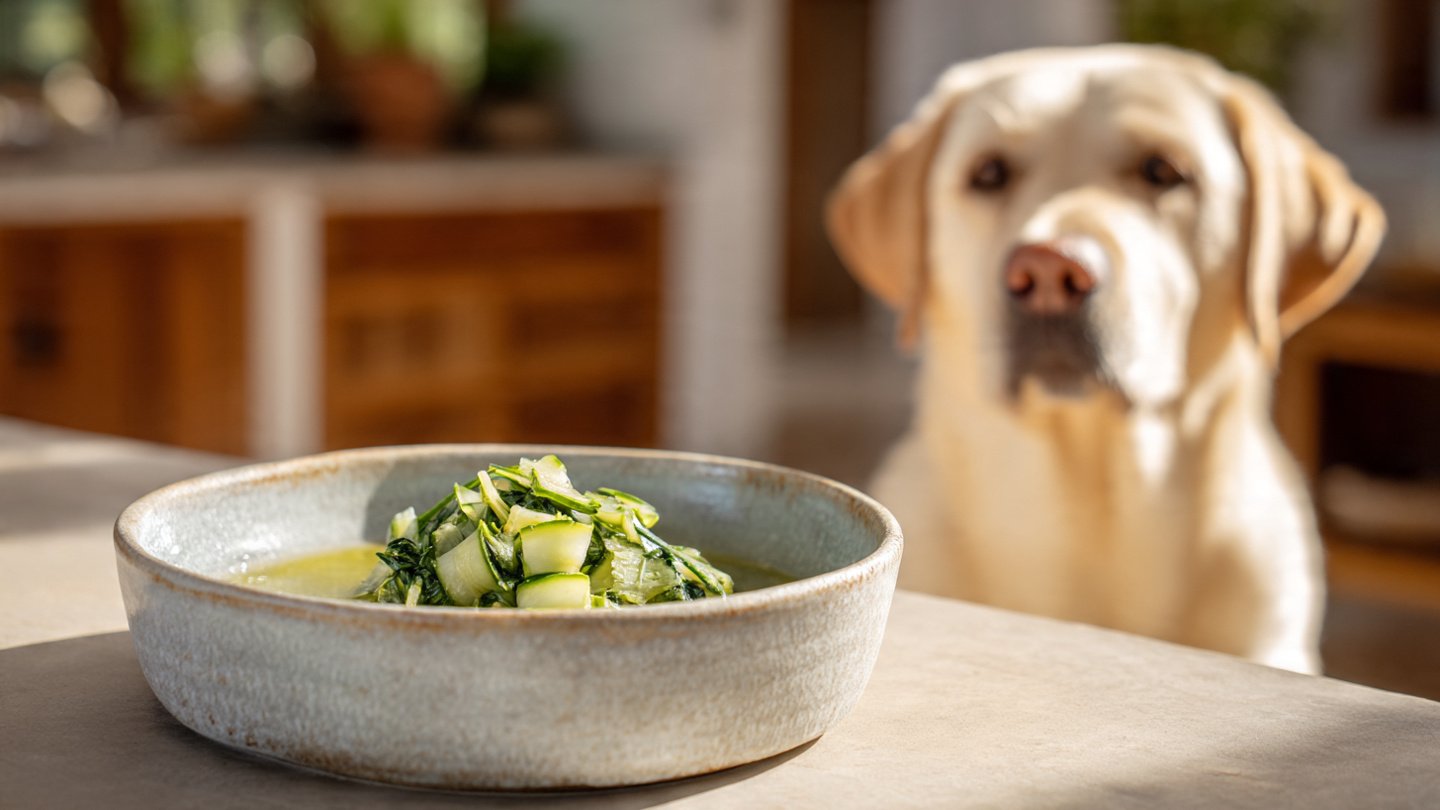
Is Your Dog Struggling with Allergies, Sensitive Stomach, or Health Issues?

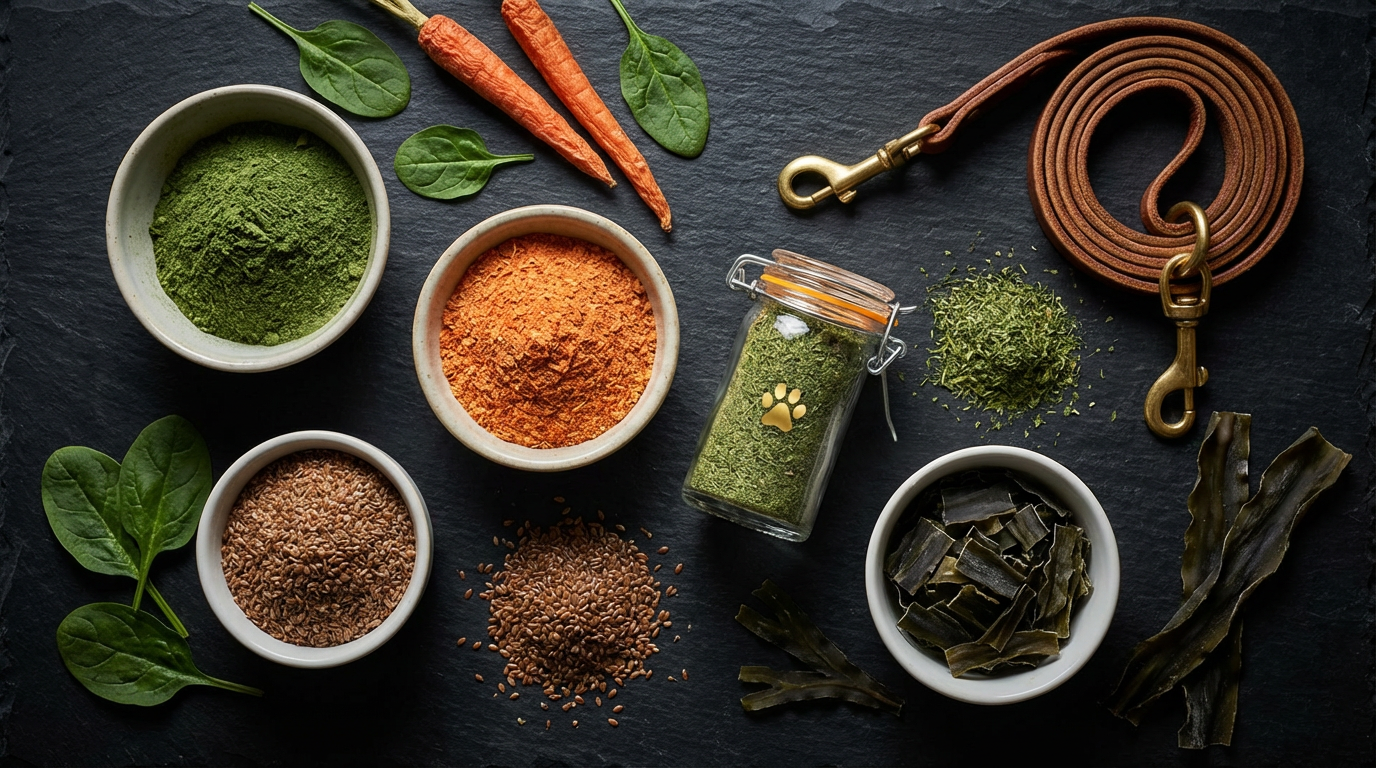
Commercial diets often worsen inflammation, gas, and skin irritations. Discover therapeutic, easy-to-digest recipes specifically designed for dogs with sensitive tummies, kidney care needs, weight goals, and food allergies.
➔ Explore Gentle, Special-Needs Canine Recipes ($9.90)
Finding the best food for your dog with a sensitive stomach can significantly improve their quality of life. Hydrolyzed protein diets, limited ingredient diets, grain-free formulas, probiotic-enhanced foods, and novel protein diets are all excellent choices. Remember to avoid common allergens and transition your dog to new diets gradually.
Have you tried any of these diets for your dog? Share your experiences in the comments below! If you found this article helpful, please like, share, and subscribe for more pet care tips and advice. Don't forget to visit our website at [PoochWell](https://poochwell.dog) for more resources and products tailored for your furry friends.
By following these guidelines and choosing the right food, you can ensure your dog stays happy, healthy, and free from tummy troubles. Remember, a healthy dog is a happy dog!
































Comments ()