



There’s a particular stillness that falls over our little patch of California farmland just after dawn. The fog rolls low across the pasture, the olive trees drip with dew, and for a moment, everything feels exactly as it should. But a few months ago, that peace was broken by a sound no dog parent wants to hear: the relentless, rhythmic scratching of my Yellow Labrador, Max.
I found him on the porch, hind leg jackhammering against his flank, eyes dull with frustration. His coat—usually the color of toasted wheat and soft as down—had turned brittle. Pink patches bloomed along his belly. I had already tried the medicated shampoos, the oatmeal sprays, the vet-recommended kibble that cost more than my weekly groceries. Nothing stuck. That morning, as I watched him scratch until he whined, I realized I wasn’t treating the problem. I was treating the symptoms. The real issue was in his bowl.
If you’re reading this with one hand on your laptop and the other on an itchy, miserable pup, I want you to know: you are not alone, and the answer might be simpler than you think. This is the story of how I learned how to make homemade dog food for dogs with allergies—and the four-ingredient recipe that gave Max his glow back.
When the Itch Won't Stop: Understanding What to Feed a Dog with Skin Allergies

Before we step into the kitchen, let’s talk about the why. Skin allergies in dogs are one of the most common—and most misunderstood—issues pet parents face. You see the scratching, the hot spots, the dull coat, and your first instinct is to reach for a cream or a pill. But here on the farm, we’ve learned to look upstream. If the soil is sick, the plant wilts. If the gut is inflamed, the skin screams.
Commercial dog foods are often loaded with fillers, artificial preservatives, and low-quality protein sources that trigger chronic inflammation. For dogs like Max, whose system was essentially sounding an alarm, every bite of processed kibble was fanning the flames. The question stopped being “What cream should I buy?” and became “What should I feed a dog with food allergies?”
The answer, I discovered, lies in whole, unprocessed ingredients that work with your dog’s biology, not against it. Dogs with sensitivities need clean protein, gentle carbohydrates, and a heavy dose of skin-healing fats. They don’t need a chemistry set. They need a kitchen.
Why Salmon and Quinoa? The Science Behind the Sensation
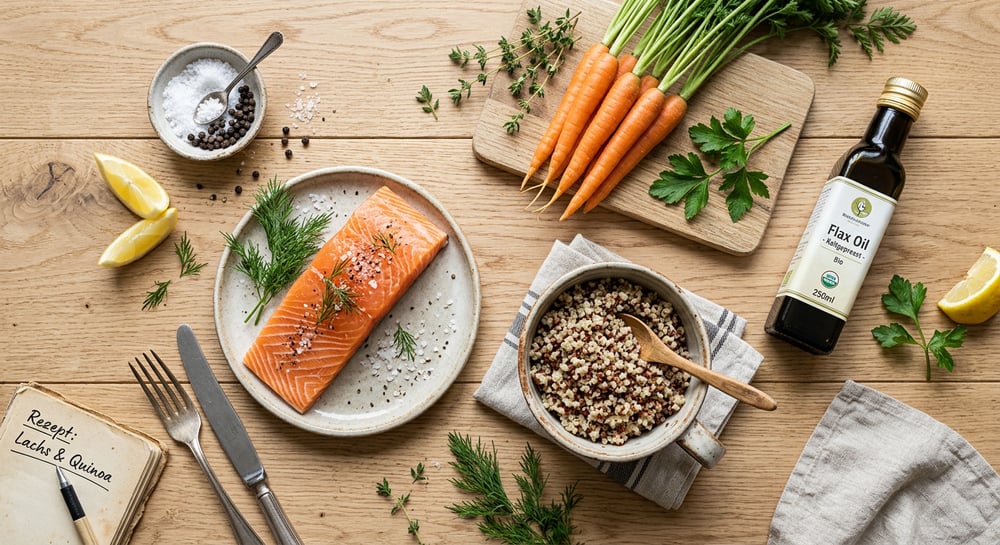
I’m a pedagogue by training, which means I don’t do anything without understanding the lesson first. When I started cooking for an allergic dog, I wanted every ingredient to earn its place. This isn’t about gourmet trends—it’s about functional nutrition.
Wild-Caught Salmon: The Inflammation Fighter
Salmon isn’t just delicious; it’s a biological powerhouse. It’s rich in EPA and DHA, two omega-3 fatty acids that actively reduce inflammation in the body. For a dog with red, irritated skin, these fats are like cool water on a burn. Omega-3s don’t just soothe externally; they strengthen the skin barrier from the inside out, making it harder for allergens to trigger a reaction. When people ask me how to help dog itchy skin, my first answer is always: start with omega-3s, and start with salmon.
Quinoa: The Gentle Grain Alternative
Here’s where I have to get a little technical—but I promise it’s worth it. Many dogs aren’t allergic to all grains; they’re allergic to the quality and processing of the grains in commercial food. But for dogs with true grain sensitivities, quinoa is a revelation. Technically a seed, this pseudo-grain is gluten-free and contains all nine essential amino acids, making it a complete protein. It’s easy to digest, low on the glycemic index, and provides steady energy without the inflammatory spike of corn or wheat.
Carrots: Nature’s Skin Vitamin
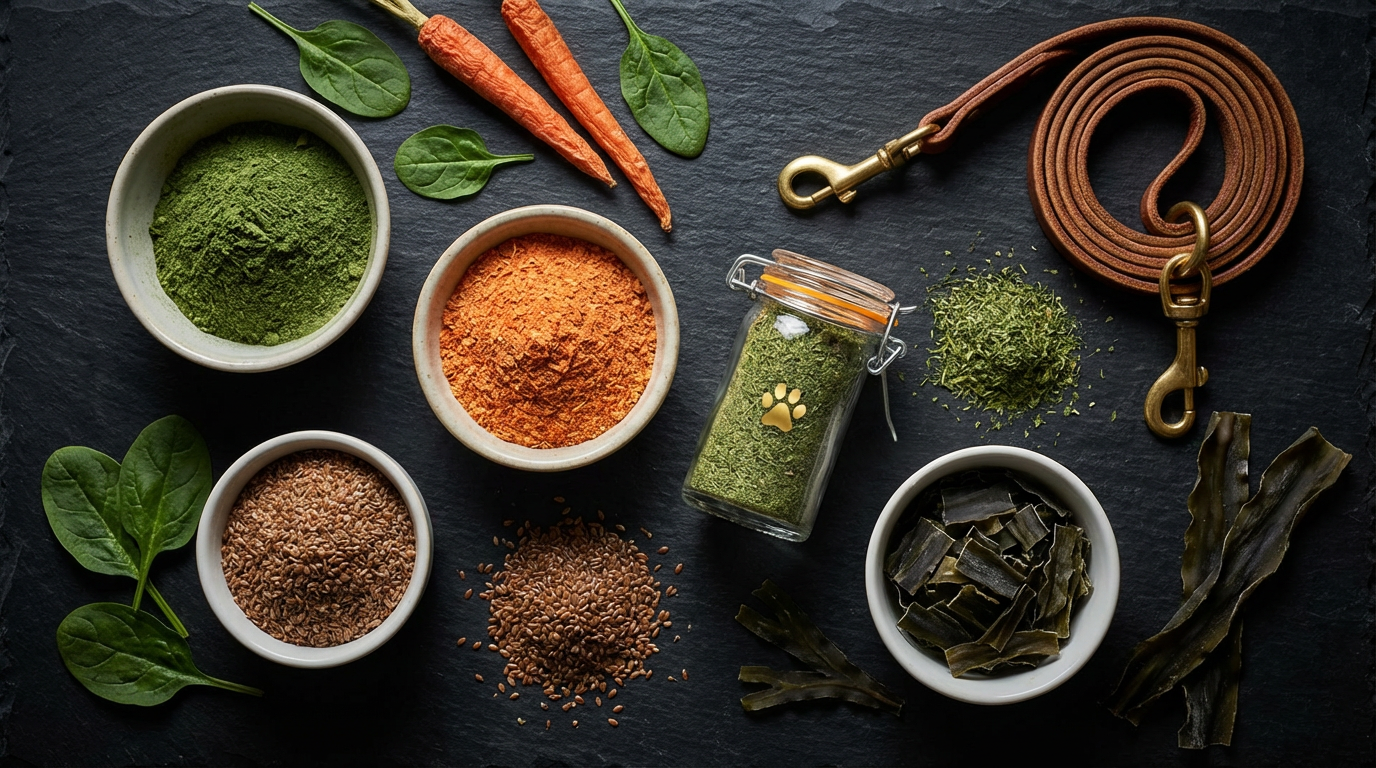
Steamed and mashed carrots bring more than sweetness to the bowl. They’re packed with beta-carotene, which the body converts to vitamin A. This vitamin is essential for skin cell repair and coat health. On the farm, we pull ours straight from the earth, and I swear you can taste the sunshine.
Flaxseed Oil: The Omega-3 Boost
While salmon brings the heavy artillery, a drizzle of flaxseed oil adds a plant-based ALA omega-3 punch. It’s a simple, affordable way to ensure your dog is getting a broad spectrum of essential fats. For Max, this combination became the foundation of the best food for dog itchy skin we had ever tried.
The Recipe: Cooking for Allergic Dogs Made Simple
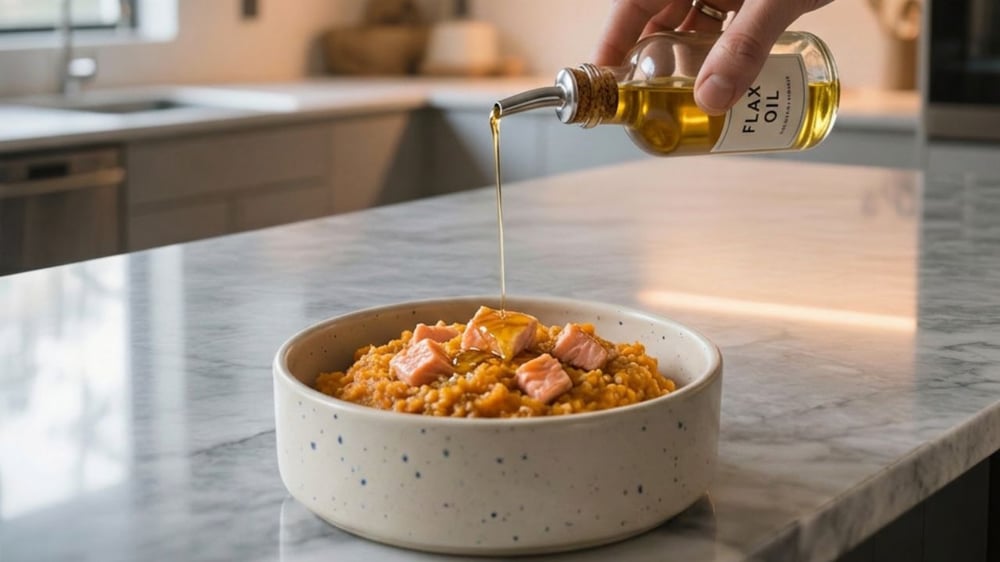
This is where the farm meets the bowl. I designed this recipe to be foolproof, fast, and financially sane. You don’t need a chef’s knife or a sous-vide machine. You need a pot, a steamer basket, and fifteen minutes of your time.
Ingredients
- 1 cup cooked salmon, deboned and flaked
- ½ cup cooked quinoa
- ½ cup carrots, steamed and mashed
- 1 tbsp flaxseed oil (for omega-3s)
Poochwell Tip: Buy your salmon wild-caught and frozen if fresh isn’t available. Avoid farmed Atlantic salmon, which can contain higher levels of toxins and lower omega-3 content. For quinoa, rinse it thoroughly before cooking to remove any residual saponins that might irritate a sensitive stomach. And those carrots? If you can get them from a local farmer’s market, do it. The closer to the soil, the better.
Instructions
- Cook the salmon. Place your salmon fillet in a shallow pan with about an inch of water. Cover and poach over medium heat for 8–10 minutes, or until the flesh flakes easily with a fork. Remove every single bone—this is non-negotiable. Flake the meat into bite-sized pieces.
- Prepare the quinoa. Rinse ¼ cup of dry quinoa under cold water. Combine with ½ cup of water in a small pot, bring to a boil, then reduce to a simmer and cover for 12–15 minutes. Let it cool completely. You want it fluffy, not mushy.
- Steam the carrots. Peel and chop your carrots into coins. Steam them until fork-tender, about 10 minutes. Mash them with a fork until they resemble a smooth puree. No chunks—sensitive stomachs appreciate the smooth texture.
- Combine and drizzle. In a large bowl, gently fold together the flaked salmon, cooked quinoa, and mashed carrots. Drizzle the flaxseed oil over the top and give it one final, loving stir.
Pro-Tip from the Farm Kitchen: Always let the food cool to room temperature before serving. A dog’s mouth and esophagus are sensitive, and hot food can cause more harm than good. I also recommend making a double batch and storing portions in the refrigerator for up to three days. This recipe is designed as a meal topper or a rotational fresh-food option, not a complete long-term diet unless balanced with a veterinary nutritionist’s guidance.
Max’s Verdict: Real Results from Real Food
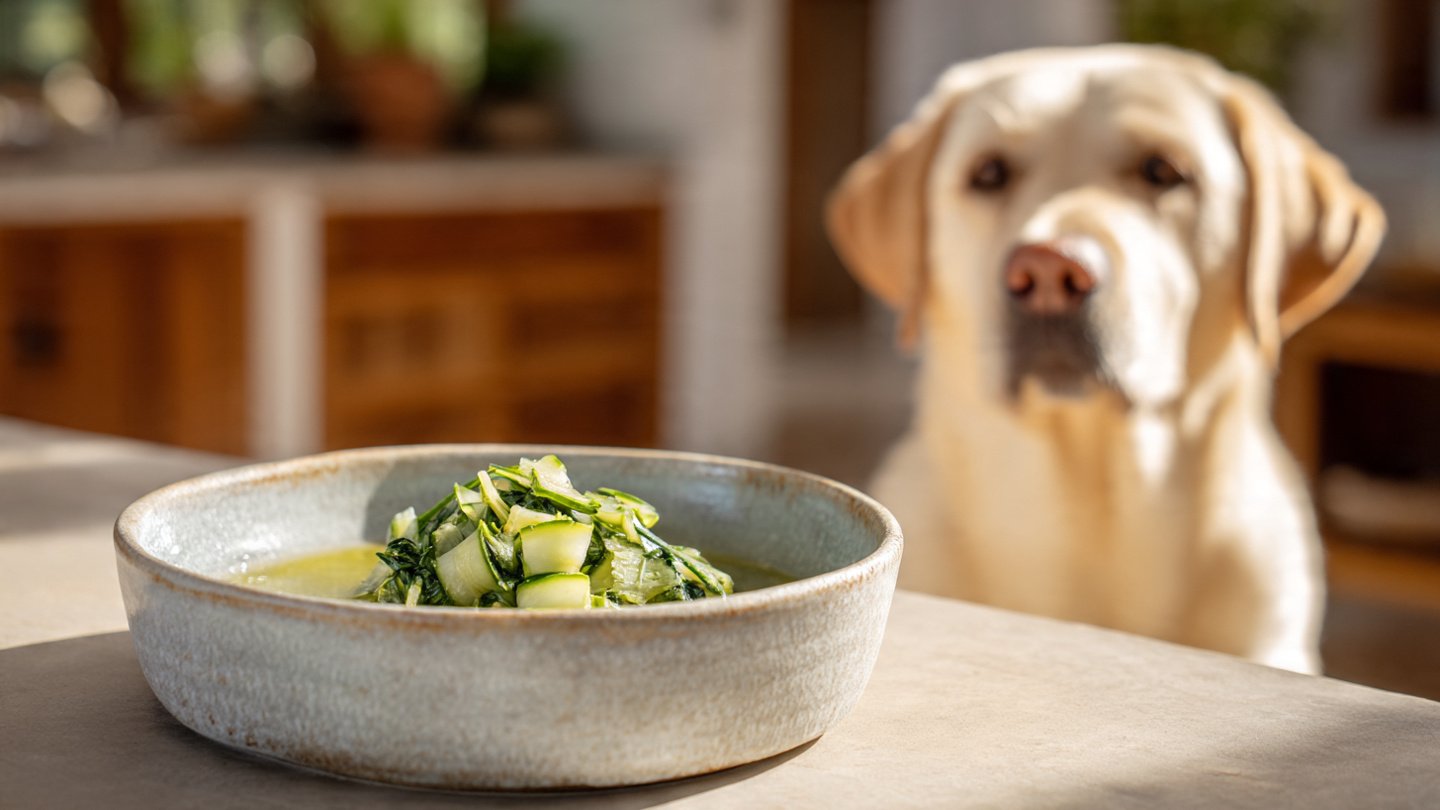
I won’t lie to you. The first time I set this bowl down in front of Max, I held my breath. He sniffed it. He looked at me with those chocolate-brown eyes. And then he dove in.
Within a week, the scratching had decreased by half. Within two weeks, the pink patches on his belly had faded from angry red to soft peach. And by the end of the month, his coat had transformed. It wasn’t just shiny—it was luminous. The omega-3s had done wonders for his coat, just as I had hoped. But more than that, Max had his spark back. He was running through the orchard again, tail high, nose to the wind.
This is the power of asking what to feed a dog with skin allergies and actually listening to the answer. It’s not in a bag with a picture of a wolf on it. It’s in your kitchen.
You Want More Healthy Recipes for Your Pooch?
Here’s the truth I’ve learned after years of living with dogs on this California farm: one good recipe is a start, but a library of them is a lifestyle. If Max’s story resonates with you—if you’re tired of watching your dog suffer and ready to take control of what goes into their body—I want to invite you to go deeper.
I’ve poured everything I know about recipes for dogs with itchy skin, sensitive stomachs, and special dietary needs into my book, Special Paws, Special Meals: Delicious and Nutritious Recipes for Dogs with Special Needs. Inside, you’ll find a dedicated chapter on skin and coat issues that expands far beyond this single bowl. We cover novel proteins, elimination diets, seasonal allergy support, and the exact nutritional frameworks that helped Max—and dozens of other dogs just like him—find relief.

This isn’t a fad. It’s not a trend. It’s a return to what our dogs have always deserved: real food, made with intention, served with love.
If you’re ready to change the way you feed your best friend, grab your copy of Special Paws, Special Meals today. Your dog’s next chapter starts with what’s in their bowl.
From my farm kitchen to yours,
— The Poochwell Team & Max 🐾





























Comments ()