
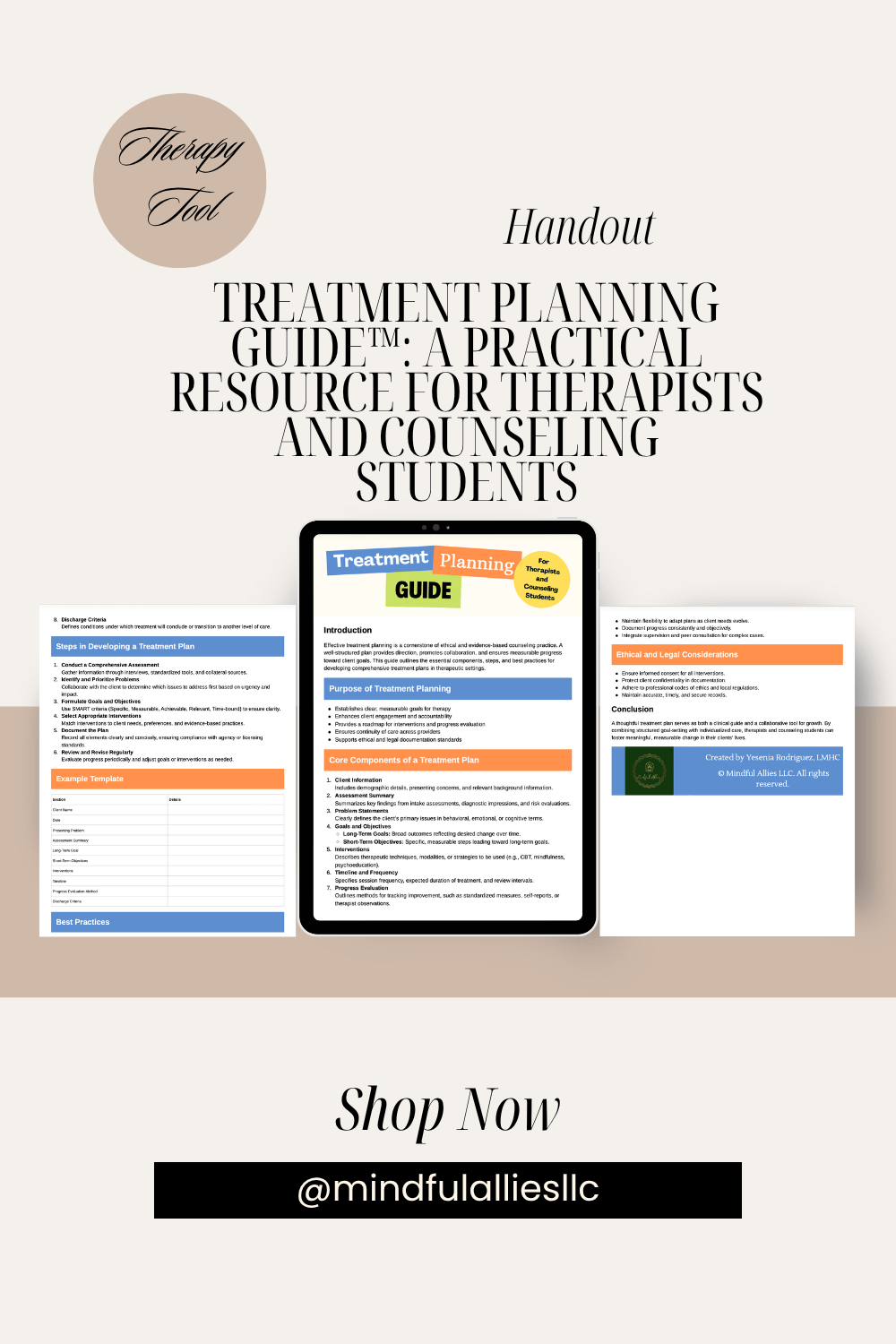
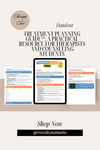
Treatment Planning Guide™: A Practical Resource for Therapists and Counseling Students
A structured and practical guide designed to help therapists, counseling students, interns, and helping professionals develop comprehensive treatment plans that support meaningful therapeutic progress and high-quality clinical care.
Created by a Licensed Mental Health Counselor (LMHC), the Treatment Planning Guide for Therapists and Counseling Students provides a clear framework for understanding and developing effective treatment plans in a variety of therapeutic settings. For many counseling students, interns, and even practicing clinicians, treatment planning can feel overwhelming—requiring the integration of assessment findings, client goals, diagnoses, interventions, and documentation standards into a cohesive and actionable plan.
This guide was created to simplify the treatment planning process by breaking it down into practical, manageable steps. Through clear explanations, examples, and best-practice recommendations, clinicians can strengthen their confidence in creating treatment plans that are individualized, measurable, collaborative, and clinically meaningful.
Designed for use in graduate training, practicum and internship placements, clinical supervision, licensure preparation, or professional practice, this resource serves as both a learning tool and a practical reference guide.
What’s Included
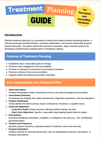
✔ Purpose of Treatment Planning
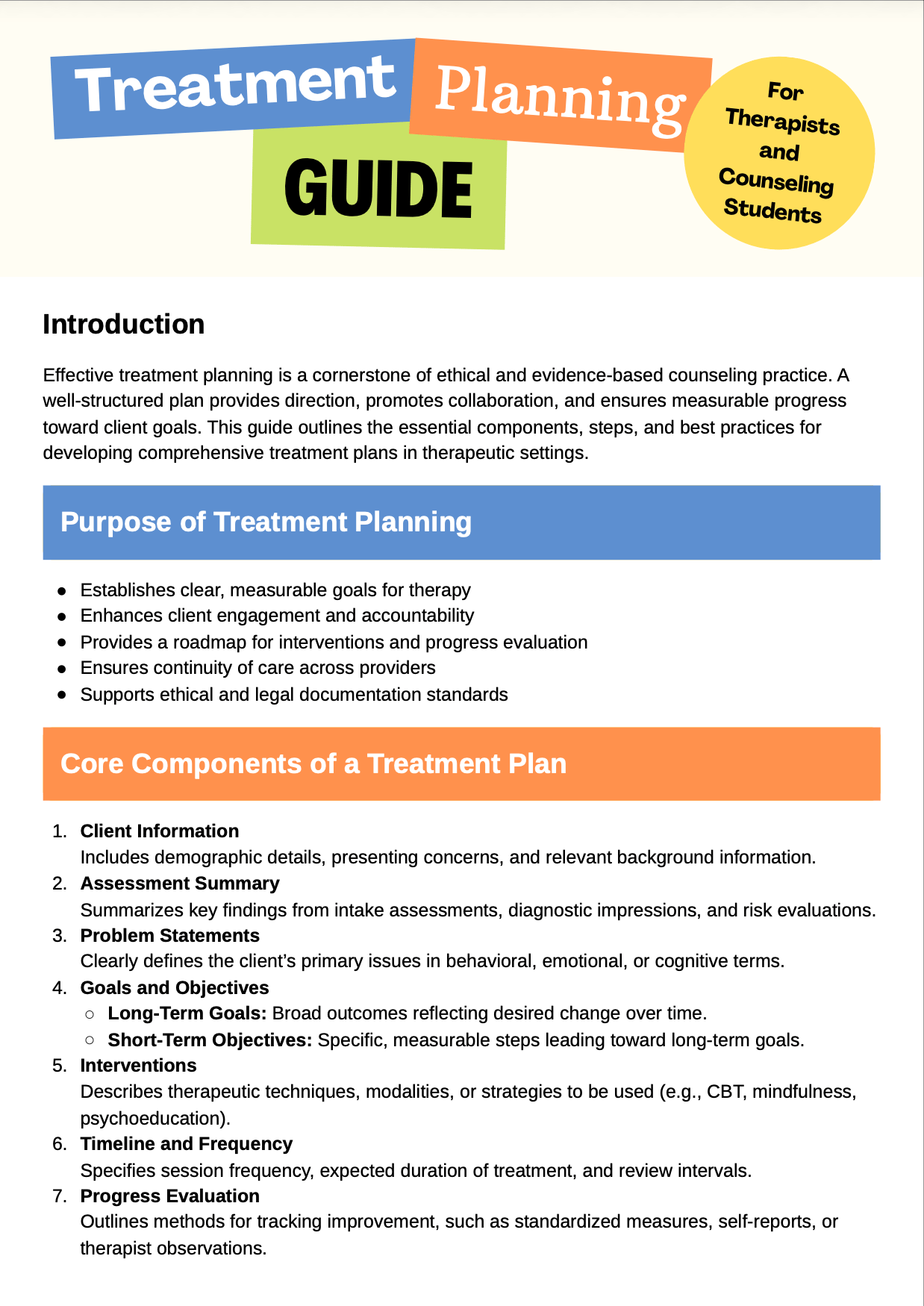
An overview of why treatment planning is an essential component of effective therapy, including its role in guiding treatment, measuring progress, and supporting quality care.
✔ Core Components of a Treatment Plan
A breakdown of the key elements commonly included in treatment plans, such as presenting concerns, goals, objectives, interventions, strengths, and progress measures.
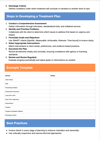
✔ Steps in Developing a Treatment Plan
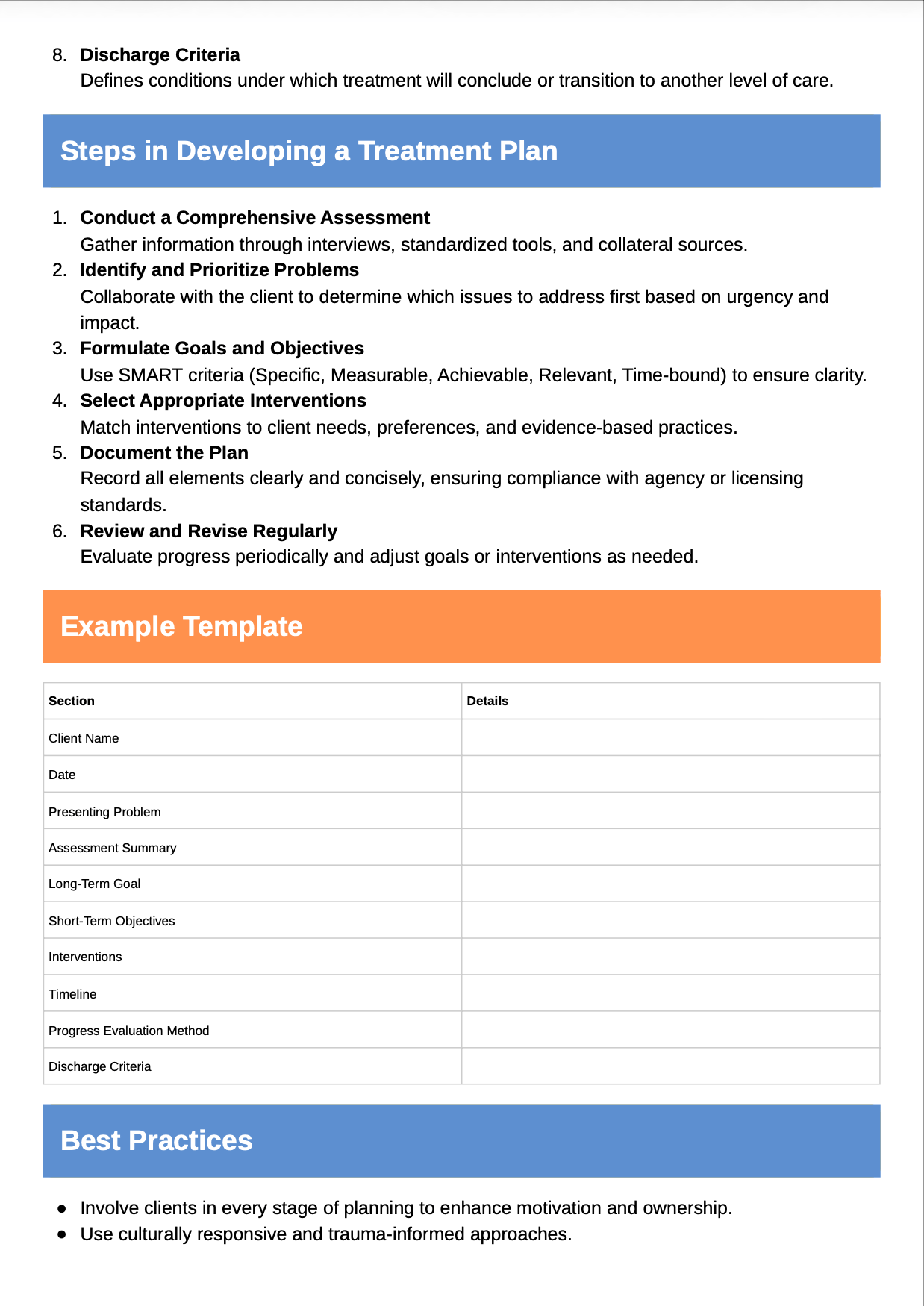
A step-by-step framework that helps clinicians move from assessment and case conceptualization to creating actionable and client-centered treatment goals.
✔ Example Template
A practical treatment planning template that can be used as a reference when developing individualized plans for clients.
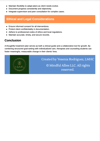
✔ Best Practices
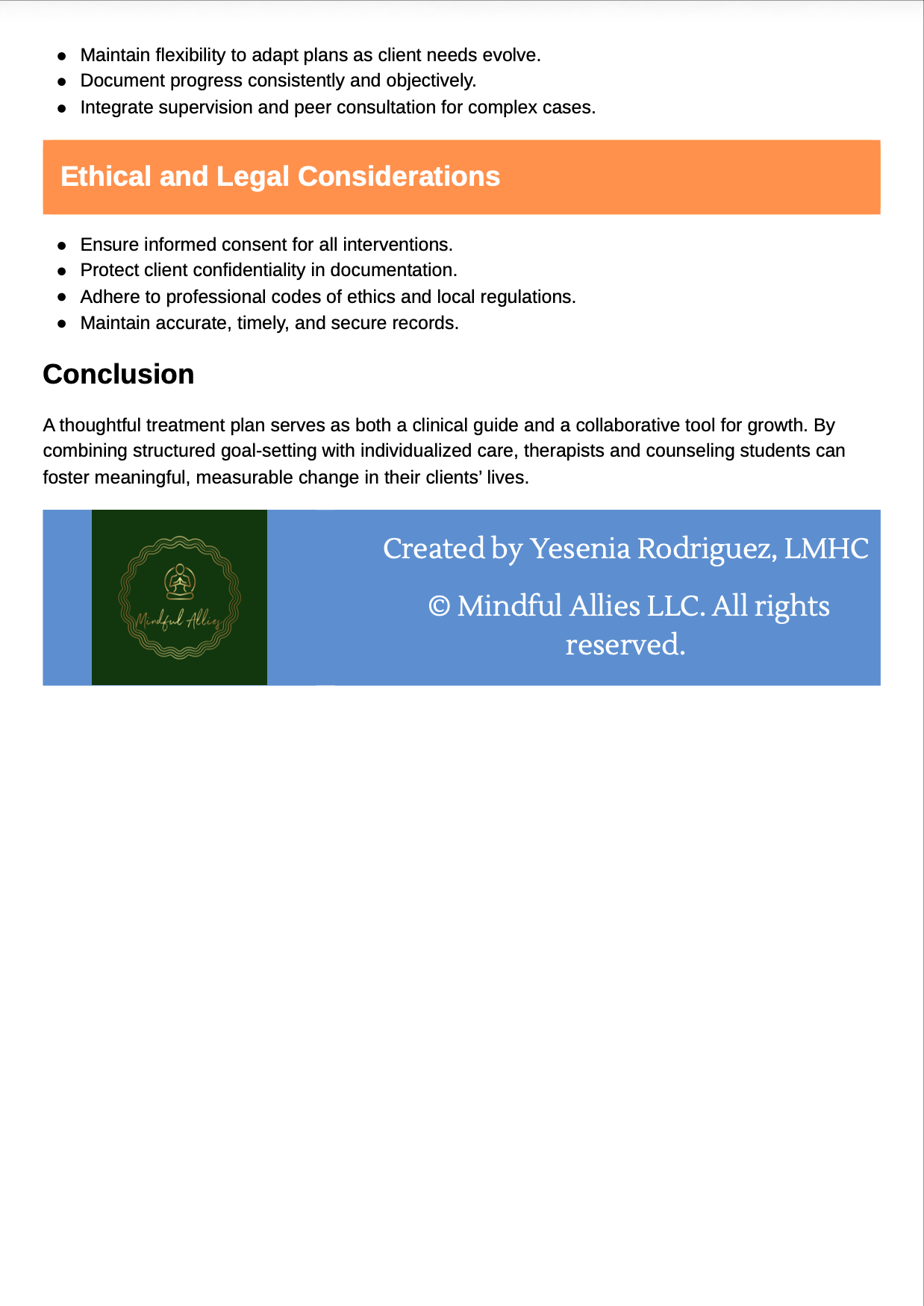
Clinical recommendations for creating realistic, measurable, collaborative, and strengths-based treatment plans that support client engagement and therapeutic outcomes.
✔ Ethical and Legal Considerations
An overview of important ethical responsibilities, documentation standards, cultural considerations, and legal factors related to treatment planning.
Why Therapists and Students Download This Guide
✔ Created by an LMHC with real-world clinical experience
✔ Simplifies the treatment planning process into clear, practical steps
✔ Supports confidence in documentation and clinical decision-making
✔ Helps bridge the gap between theory and clinical application
✔ Ideal for counseling students, interns, new therapists, and supervisors
✔ Available in English and Spanish (sold separately)
✔ Digital format: easy to print or access electronically anytime
Ideal For Individuals Who:
- Are learning how to create treatment plans in clinical settings
- Want to strengthen documentation and case-planning skills
- Are counseling students, practicum or internship trainees, or early-career therapists
- Need guidance in translating assessments and goals into actionable treatment plans
- Value structured tools that support confidence and clinical competence
If you're looking for a practical and easy-to-follow resource to help develop effective, ethical, and client-centered treatment plans, this guide was created to support clinical confidence, professional growth, and high-quality therapeutic care.
Licensing & Usage
This digital product is licensed for personal and individual use only. Your download grants a single-user, non-transferable license to use the material for personal learning, educational support, or professional development.
This product may not be shared, copied, reproduced, resold, redistributed, uploaded, or distributed in any form—digital or physical—without prior written permission from the author.
All content is protected under copyright law. Unauthorized use or distribution is strictly prohibited.
Thank you for respecting the time, care, and professional expertise that went into creating this resource.