
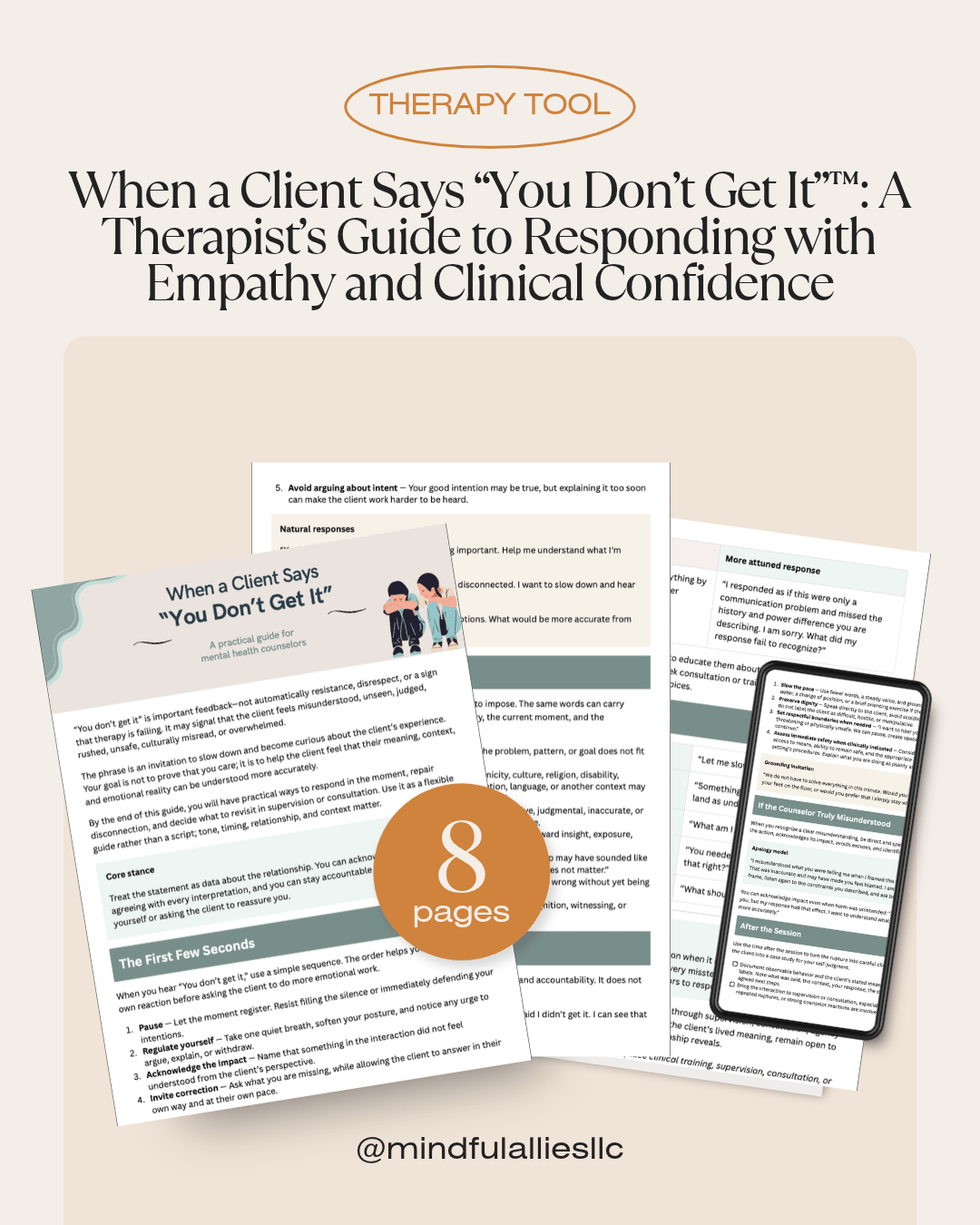


When a Client Says “You Don’t Get It”™: A Therapist’s Guide to Responding with Empathy and Clinical Confidence
When a client tells you, “You don’t get it,” the next few moments matter. Learn how to respond with curiosity, accountability, and care—even when you feel caught off guard.
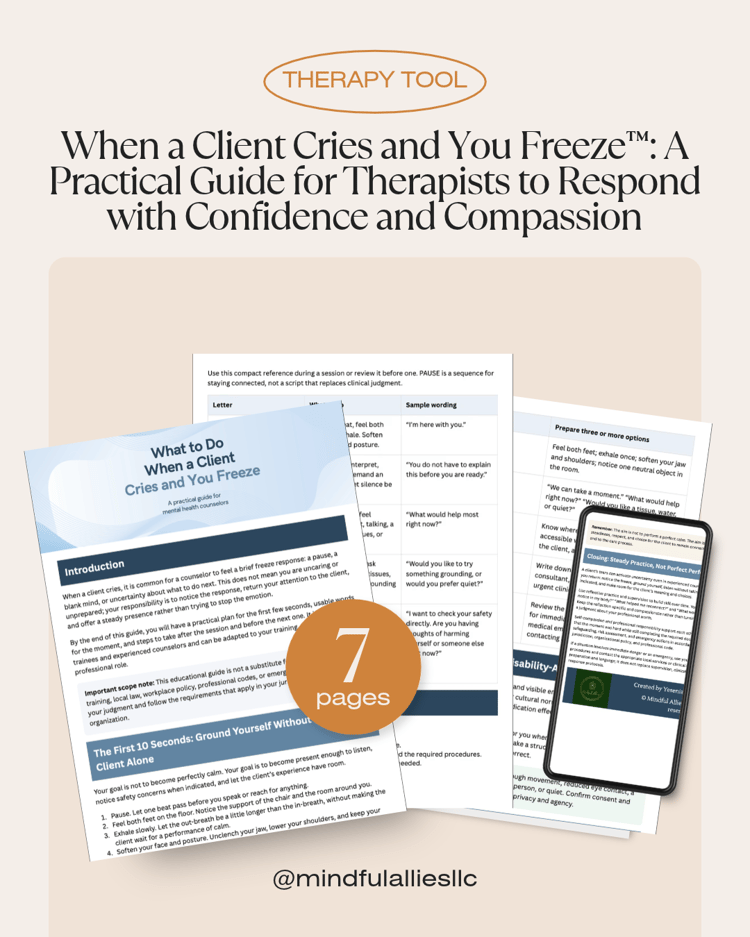
Created by a Licensed Mental Health Counselor (LMHC), When a Client Says “You Don’t Get It” is a practical resource designed for counseling trainees and experienced counselors who want to navigate moments of therapeutic disconnection with greater confidence and intention.
Hearing these words can bring up uncertainty, defensiveness, or the pressure to find the perfect response. You may wonder whether to explain yourself, ask another question, apologize, or give the client space. This guide helps you slow down, consider what the client may be communicating, and respond in ways that prioritize understanding and the therapeutic relationship.
Through practical response strategies, repair conversations, reflective prompts, and composite examples, this resource explores how to acknowledge a rupture without rushing to fix it. It also addresses cultural humility, identity-aware care, heightened emotional activation, and situations in which the counselor genuinely misunderstood the client's experience.
Designed as a flexible clinical guide rather than a word-for-word script, this resource emphasizes that tone, timing, relationship, and context matter. The goal is not to eliminate misunderstandings, but to develop the ability to recognize disconnection, remain open to feedback, and work toward meaningful repair.
What’s Included
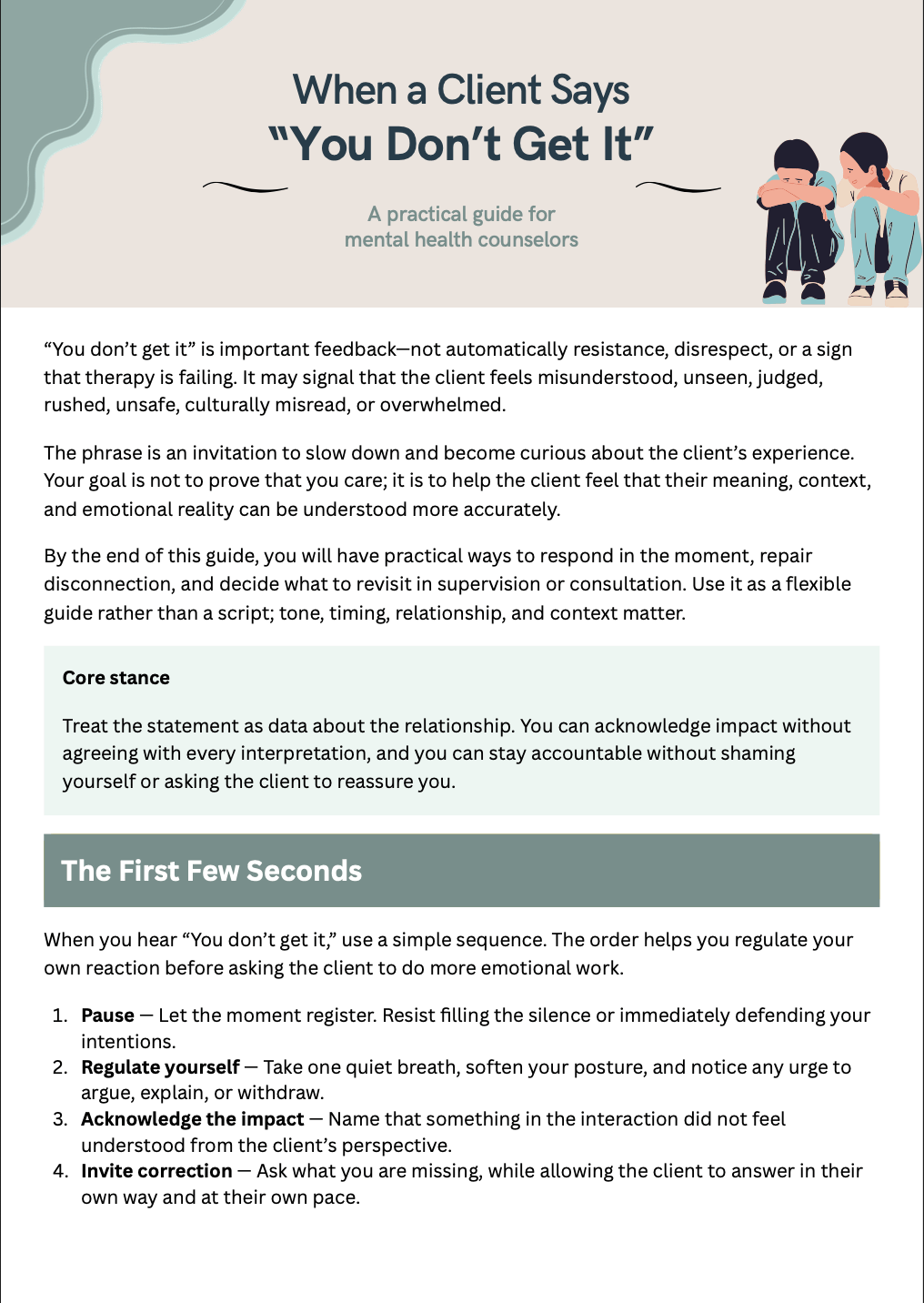
✔️ 1. The First Few Seconds
Explore practical ways to pause, regulate your initial reaction, and remain present when a client expresses frustration or feels misunderstood. Learn how to avoid reacting defensively or rushing into explanations.
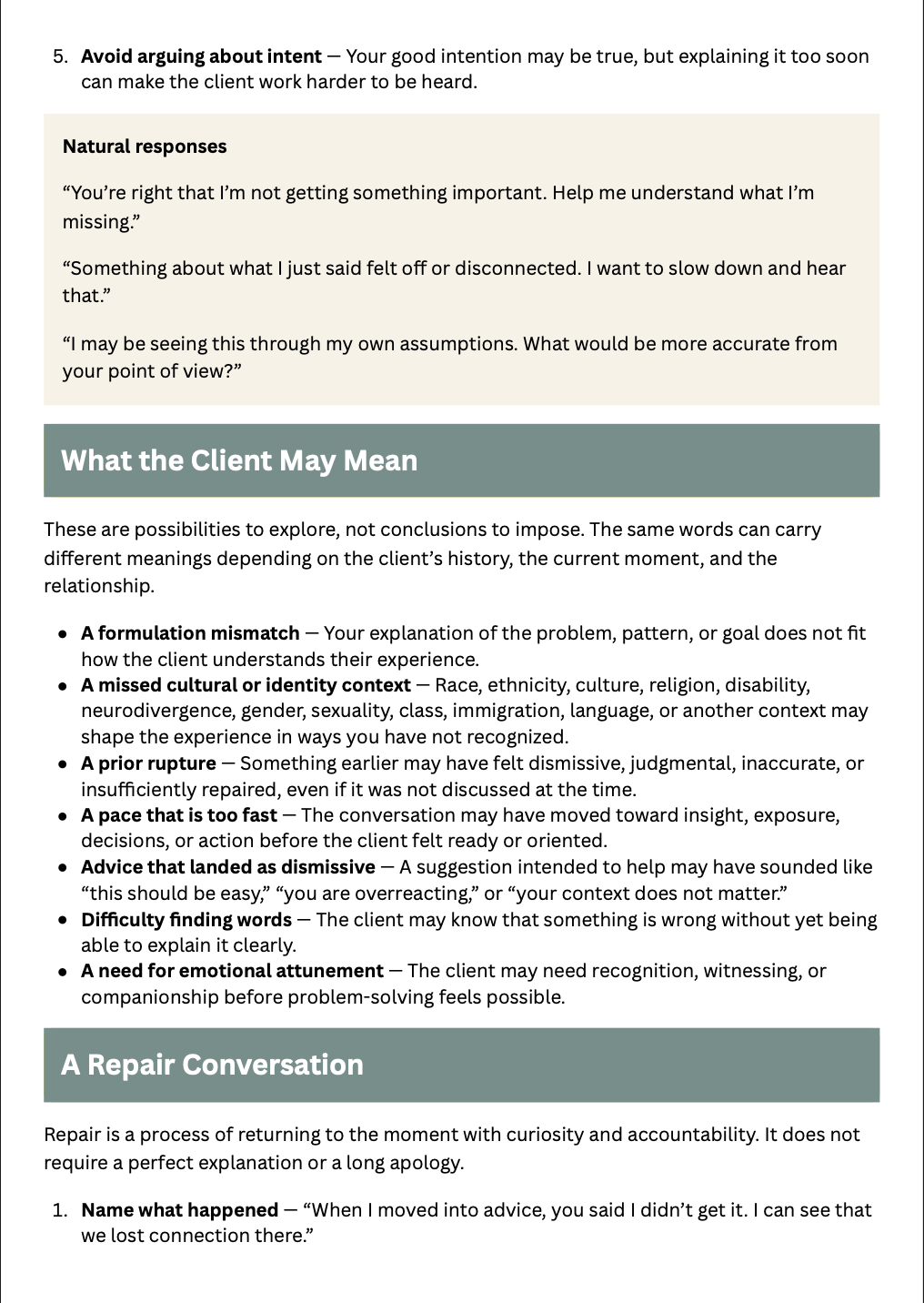
✔️ 2. What the Client May Mean
Consider the different emotions, unmet needs, experiences, and concerns that may be communicated through the statement “You don’t get it.” Develop curiosity about what may be happening beneath the words without making assumptions.
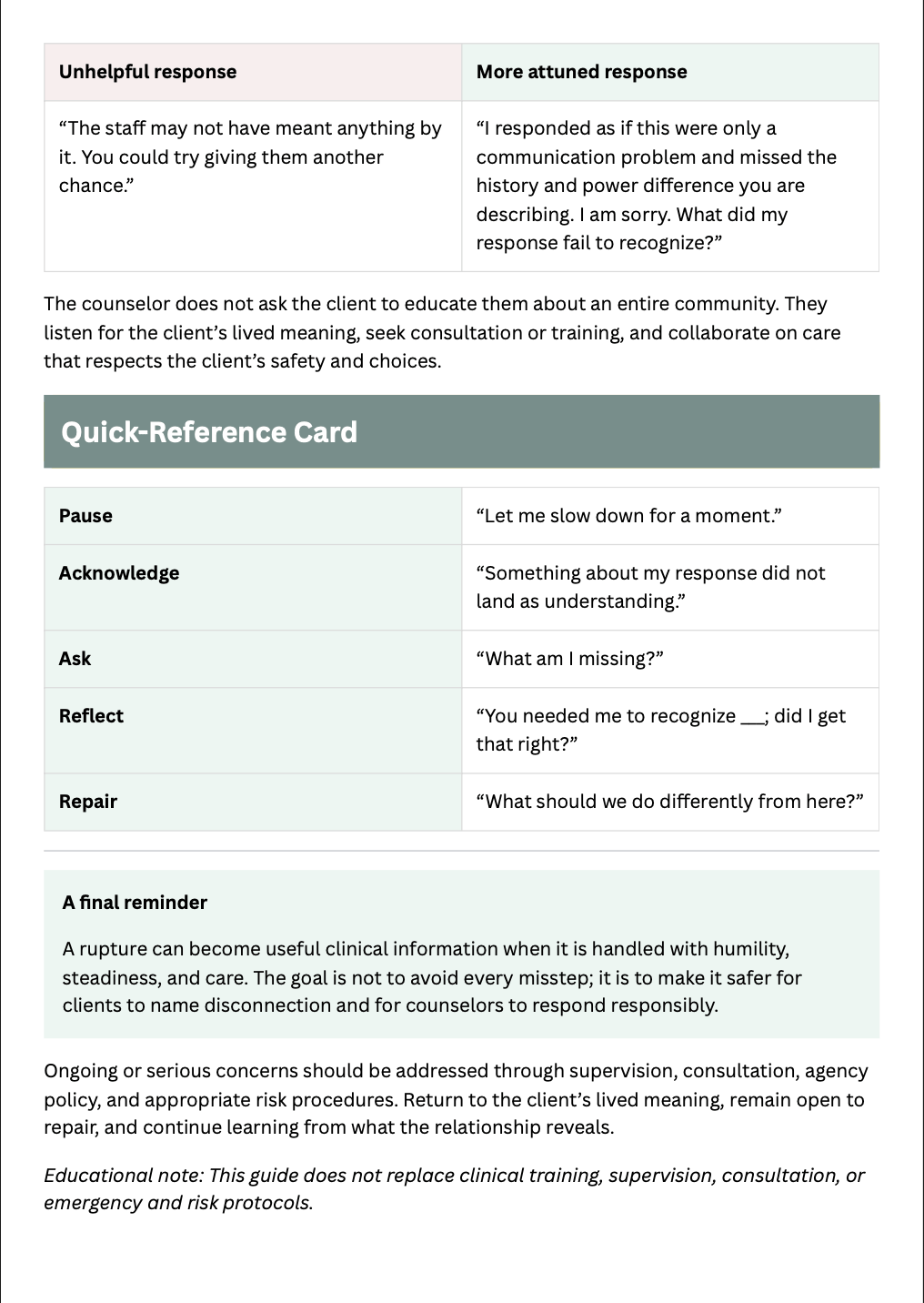
✔️ 3. A Repair Conversation
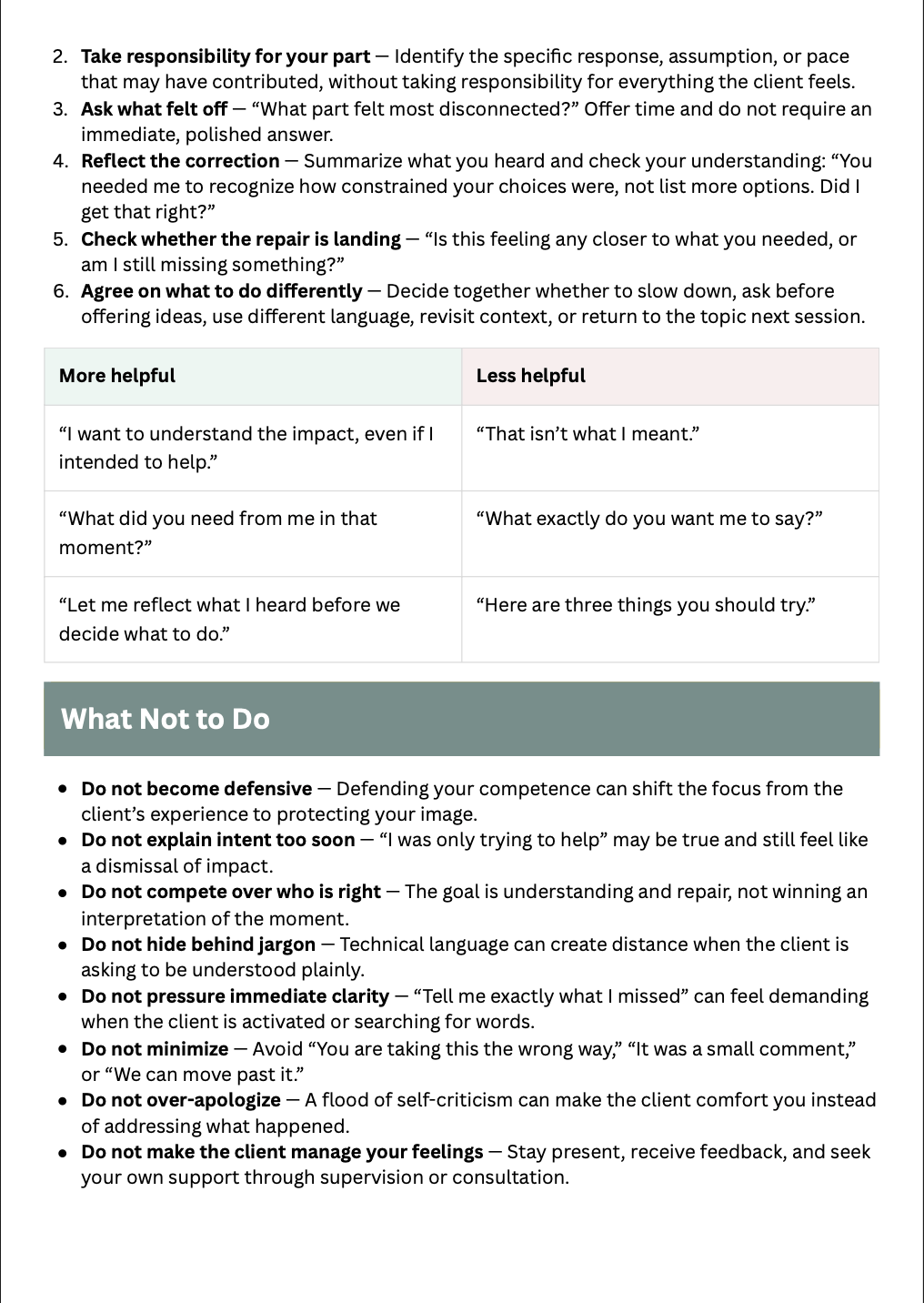
Explore practical ways to acknowledge the client's experience, invite clarification, take responsibility when appropriate, and begin rebuilding understanding through collaborative conversation.
✔️ 4. What Not to Do
Identify responses that may unintentionally increase disconnection, including defensiveness, minimizing, arguing about intentions, overexplaining, or shifting attention away from the client's experience.
✔️ 5. When Words are Hard
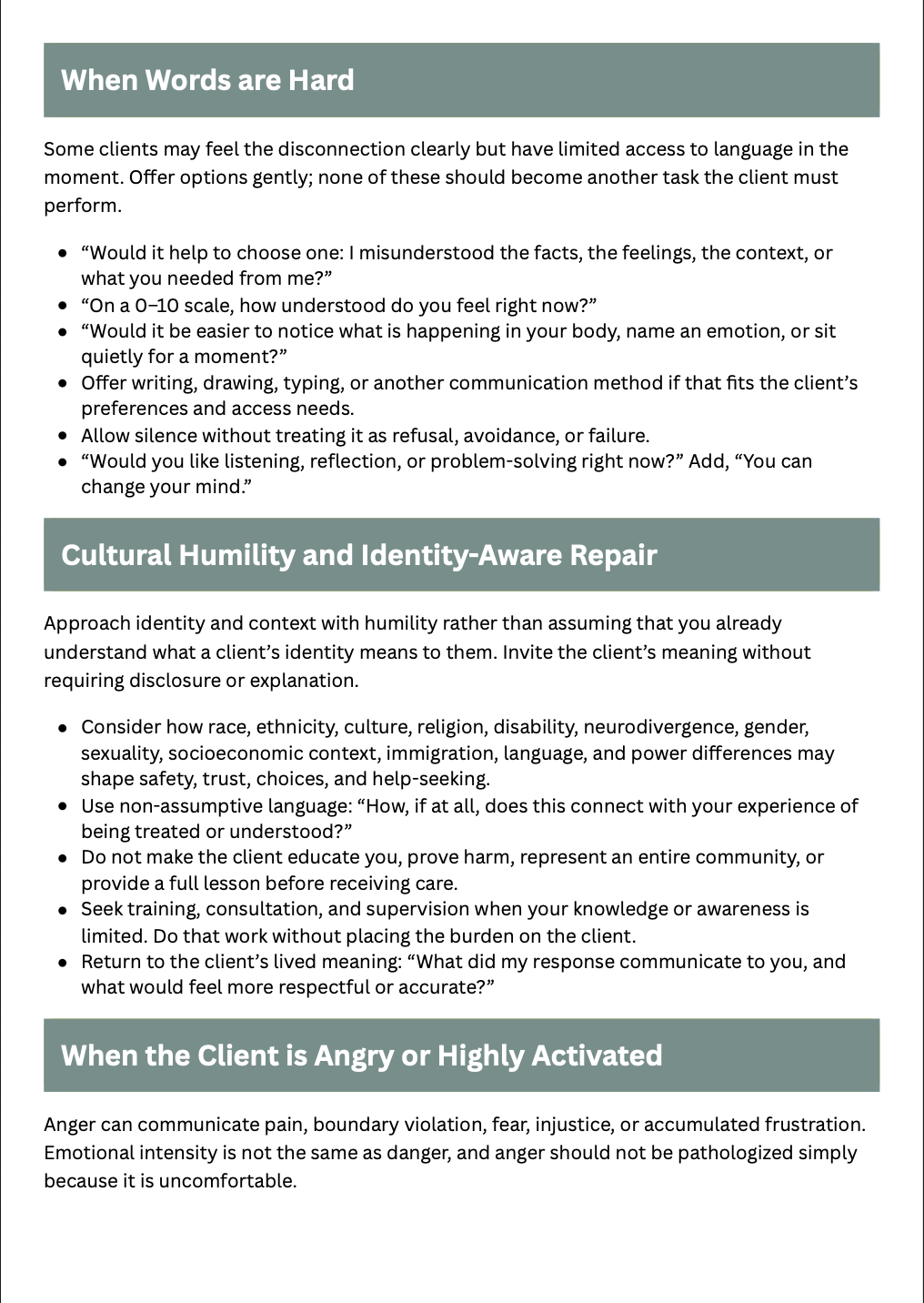
Find simple, supportive ways to respond when you feel uncertain or struggle to find the right words. Learn how to communicate openness and willingness to understand without forcing an immediate resolution.
✔️ 6. Cultural Humility and Identity-Aware Repair
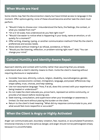
Explore how cultural differences, identity, lived experiences, power dynamics, systemic barriers, and personal assumptions may influence therapeutic misunderstandings. Consider how to invite feedback and approach repair with humility rather than defensiveness.
✔️ 7. When the Client is Angry or Highly Activated
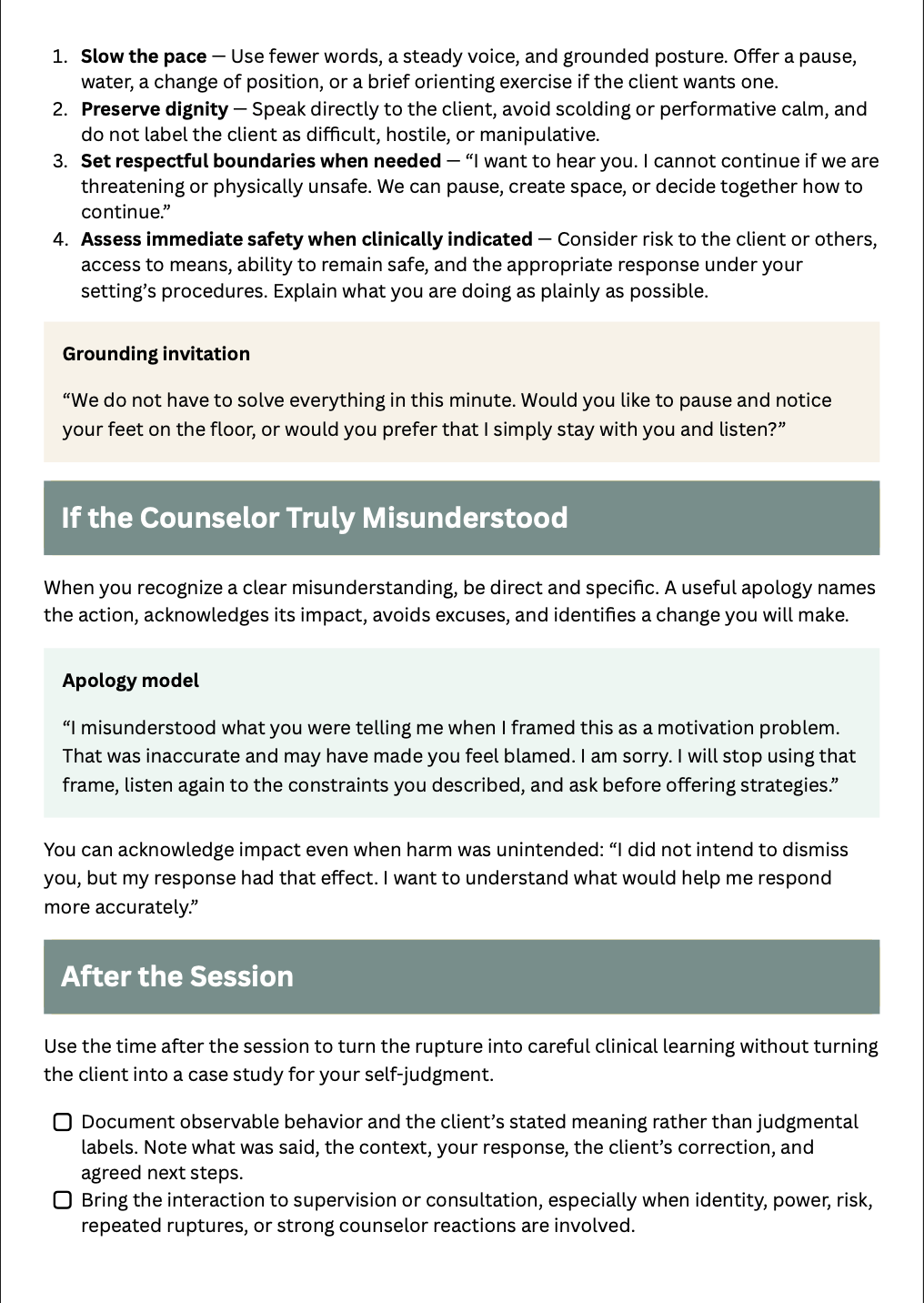
Review considerations for responding when frustration escalates or the client is emotionally overwhelmed. Focus on pacing, emotional safety, validation, and determining what may be helpful in the moment.
✔️ 8. If the Counselor Truly Misunderstood
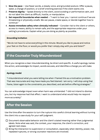
Learn how to acknowledge a genuine misunderstanding, offer an appropriate apology, clarify what was missed, and demonstrate accountability without making the client responsible for reassuring the counselor.
✔️ 9. After the Session
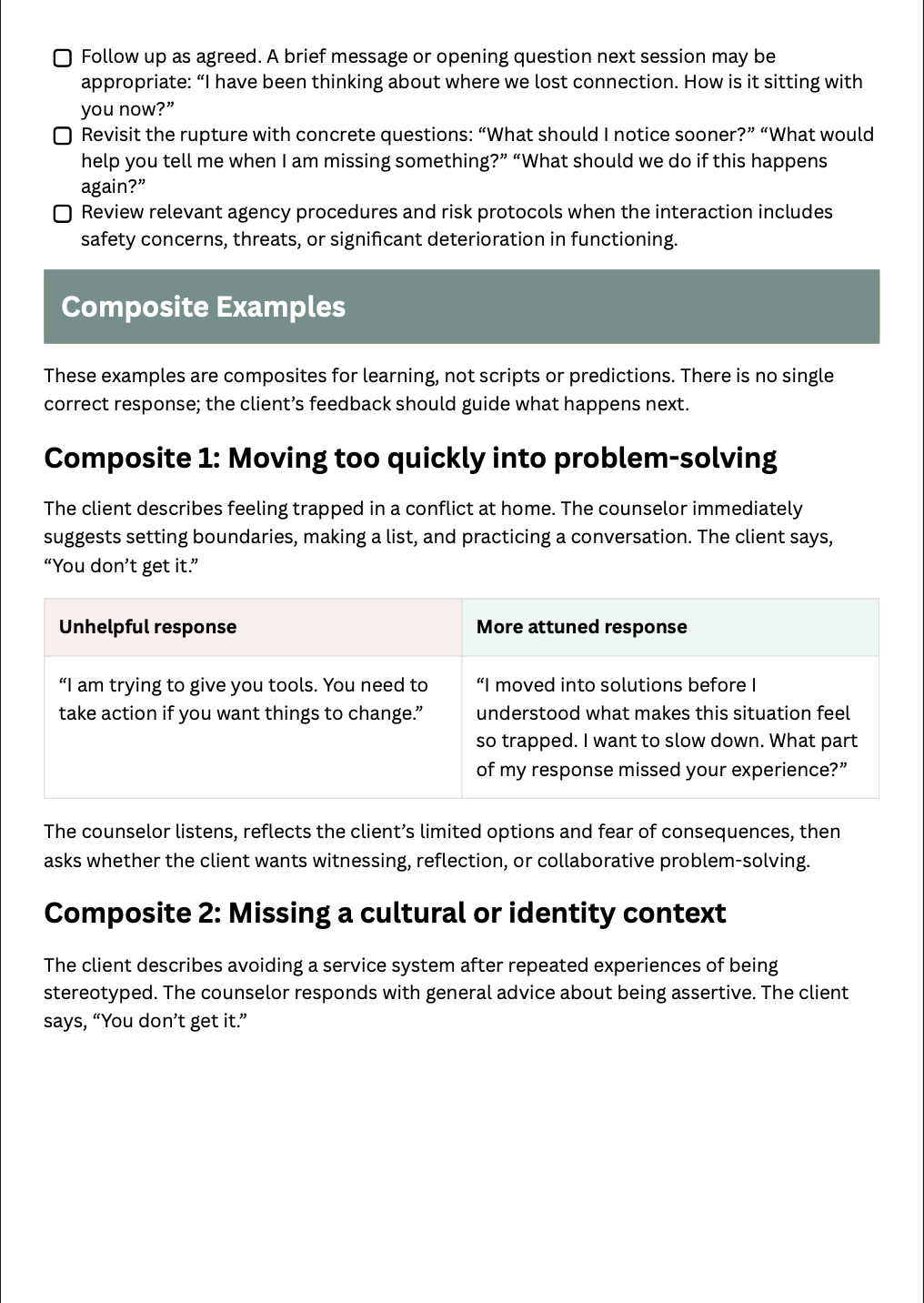
Reflect on the interaction, consider what contributed to the disconnection, and identify questions or concerns to revisit through supervision or consultation. Support ongoing professional growth without turning reflection into self-blame.
✔️ 10. Composite Examples
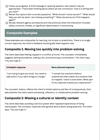
Explore illustrative clinical scenarios that demonstrate different ways therapeutic disconnection may arise and how a counselor might approach repair. These examples offer opportunities to consider context, language, timing, and clinical judgment.
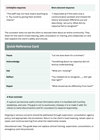
✔️ 11. Quick-Reference Card
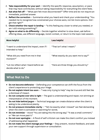
Keep a concise set of reminders and response considerations accessible for moments when a client expresses feeling misunderstood or disconnected.
Why Counselors and Counseling Students Download This Resource
- Navigate difficult conversations: Develop practical ways to respond when a client challenges your understanding.
- Strengthen therapeutic relationships: Learn to approach disconnection as an opportunity for reflection, collaboration, and repair.
- Reduce defensive reactions: Practice pausing and responding with curiosity rather than focusing on explaining your intentions.
- Build cultural humility: Consider how identity, lived experience, and power dynamics may shape the client's experience of therapy.
- Develop clinical confidence: Have flexible response strategies available for moments when you feel uncertain.
- Support professional growth: Identify meaningful topics to bring into supervision, consultation, and reflective practice.
Ideal For Individuals Who:
- Are counseling students, practicum students, or clinical interns developing therapeutic communication skills.
- Are early-career counselors navigating challenging client interactions.
- Are experienced therapists who want to strengthen their approach to therapeutic ruptures and repair.
- Want practical guidance for responding when clients express frustration, disappointment, or feeling misunderstood.
- Value culturally responsive, identity-aware, and collaborative therapeutic care.
- Want a flexible resource that can be adapted to their training, clinical setting, and professional role.
You do not have to get every moment right to create meaningful repair. What matters is your willingness to listen, remain open to feedback, acknowledge your impact, and work collaboratively toward understanding. Download When a Client Says “You Don’t Get It” to strengthen your approach to therapeutic disconnection and support more intentional, responsive clinical practice.
Please note: This resource is intended for educational and professional development purposes. It does not replace clinical supervision, consultation, professional judgment, or applicable ethical and legal requirements. The examples and suggested responses should be adapted to the client's needs, therapeutic context, and counselor's professional role.
Licensing & Usage
This digital product is licensed for personal and individual use only. Your download grants a single-user, non-transferable license to use the material for personal learning, educational support, or professional development.
This product may not be shared, copied, reproduced, resold, redistributed, uploaded, or distributed in any form—digital or physical—without prior written permission from the author.
All content is protected under copyright law. Unauthorized use or distribution is strictly prohibited.
Thank you for respecting the time, care, and professional expertise that went into creating this resource.