

“I’m really nervous. Is it going to hurt?” The question may arrive by phone two days before the appointment. It may come quietly at check-in while another patient is waiting behind the person. Sometimes it appears after the receptionist has alread...
Read More


Cover interruptions, shift boundaries, verbal assumptions and the ambiguity of phrases such as “the team knows” or “someone is handling it.” A handover is an action design, not a memory test Explain the difference between transmitting information ...
Read More

“Can you tell me exactly what it will cost?” It is an ordinary question, but it can place a dental receptionist in an uncomfortable position. The patient wants a clear answer. The receptionist wants to be helpful. Yet the information available bef...
Read More

Open with the patient who was told in the morning that a same-day visit might be possible and hears in the afternoon that no appointment exists. Explain that the operational error becomes a trust problem at the front desk. Why inconsistency feels ...
Read More

Learn how to structure a compliant 30-second HCP visit using one relevant approved message and one proportionate next step. Opening scene An HCP leaves one consultation and is already turning toward the next. She gives the representative thirty seco...
Read More

**Meta description:** Learn how to onboard a dental receptionist with focused call practice, clear communication standards and useful coaching during the first week. At 8:05 on a Tuesday morning, the phone rings before the practice manager has fin...
Read More
At 12:18 on a clinic morning, a medical representative was waiting beside the consultation-room door. She had prepared several approved messages, a clinical reprint and two questions connected to the physician’s patient population. The door opened b...
Read More

At 9:12 on a Wednesday morning, a sales representative arrived at a manufacturing site expecting a 20-minute meeting. She had prepared a short presentation, two customer examples and a set of questions for the operations manager. He met her beside r...
Read More
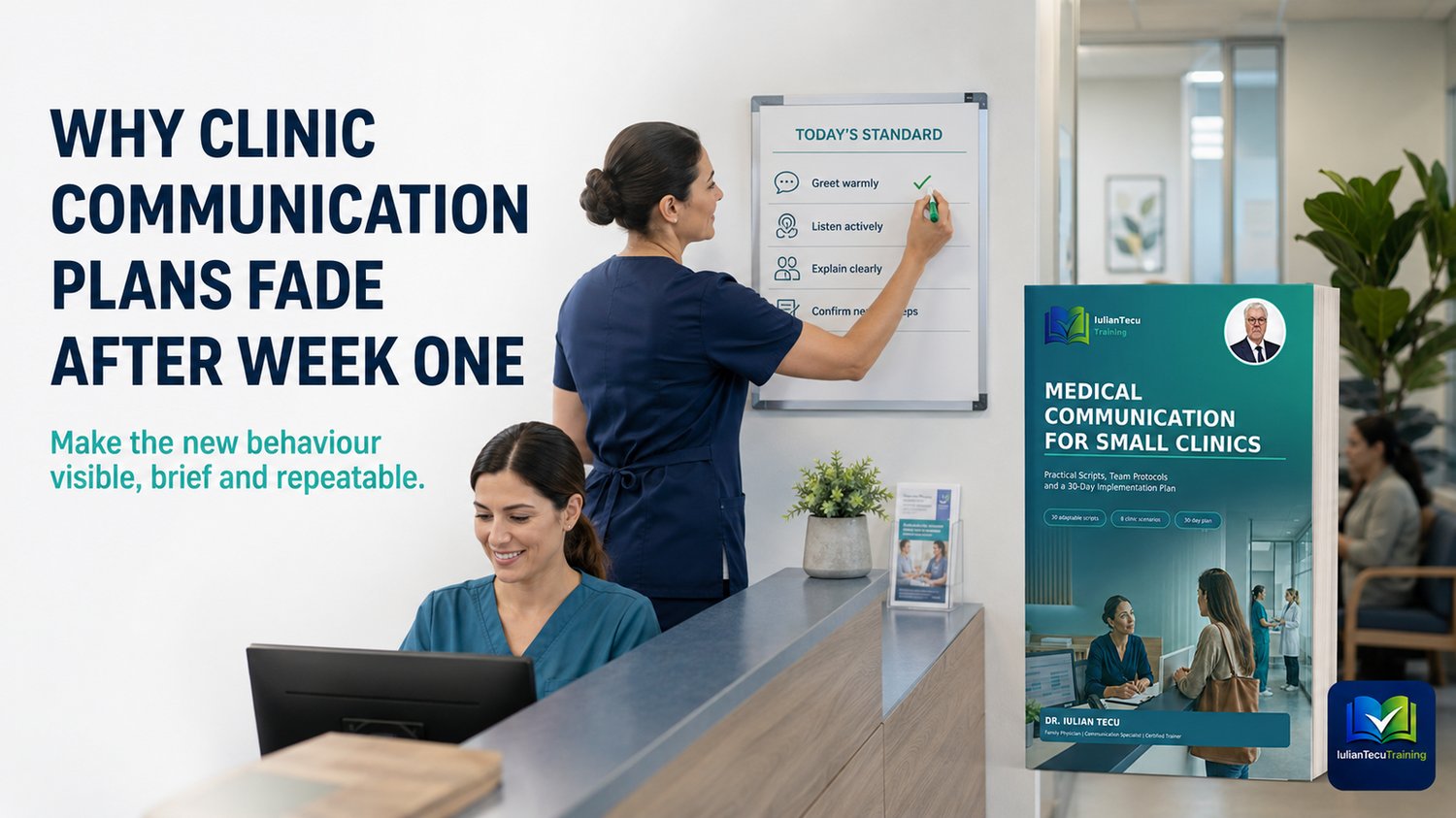
The meeting ends at 4:35 on a Monday afternoon. The clinic manager has spent 40 minutes explaining a new communication priority: patients should receive clearer updates when appointments run late. The team agrees. Someone offers a good example. Anot...
Read More

At 11:20 on a busy Thursday, a clinician is running 25 minutes behind. A patient approaches the front desk and asks a reasonable question: “How much longer will it be?” The first receptionist glances toward the corridor and says, “Probably another ...
Read More

The conversation began with a missing assignment and ended with a bedroom door closing. Your teenager said, “I was going to explain.” You said, “There is always an explanation.” They left. You stayed in the kitchen, still holding the question you ne...
Read More

At 7:10 in the morning, your child says they feel tired. At 9:20, they leave half their drink untouched. After lunch, they sleep longer than expected. By early evening, another caregiver asks when the change began. You know the day happened in th...
Read More
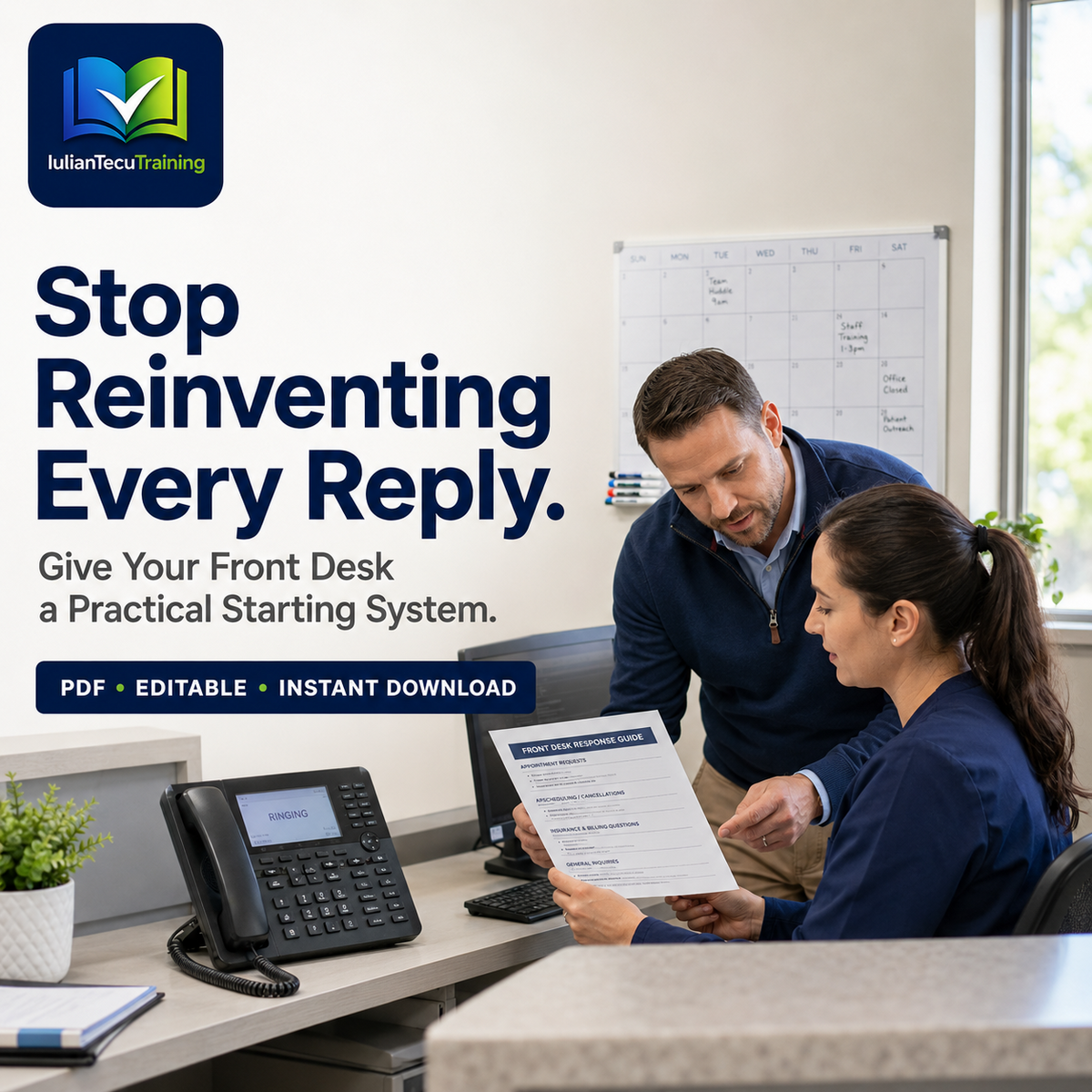
At 8:12 on a busy Monday morning, a patient calls to ask whether her test result has arrived. The receptionist can see that a document was uploaded, but she cannot interpret it and does not know who is expected to call the patient. She says, careful...
Read More
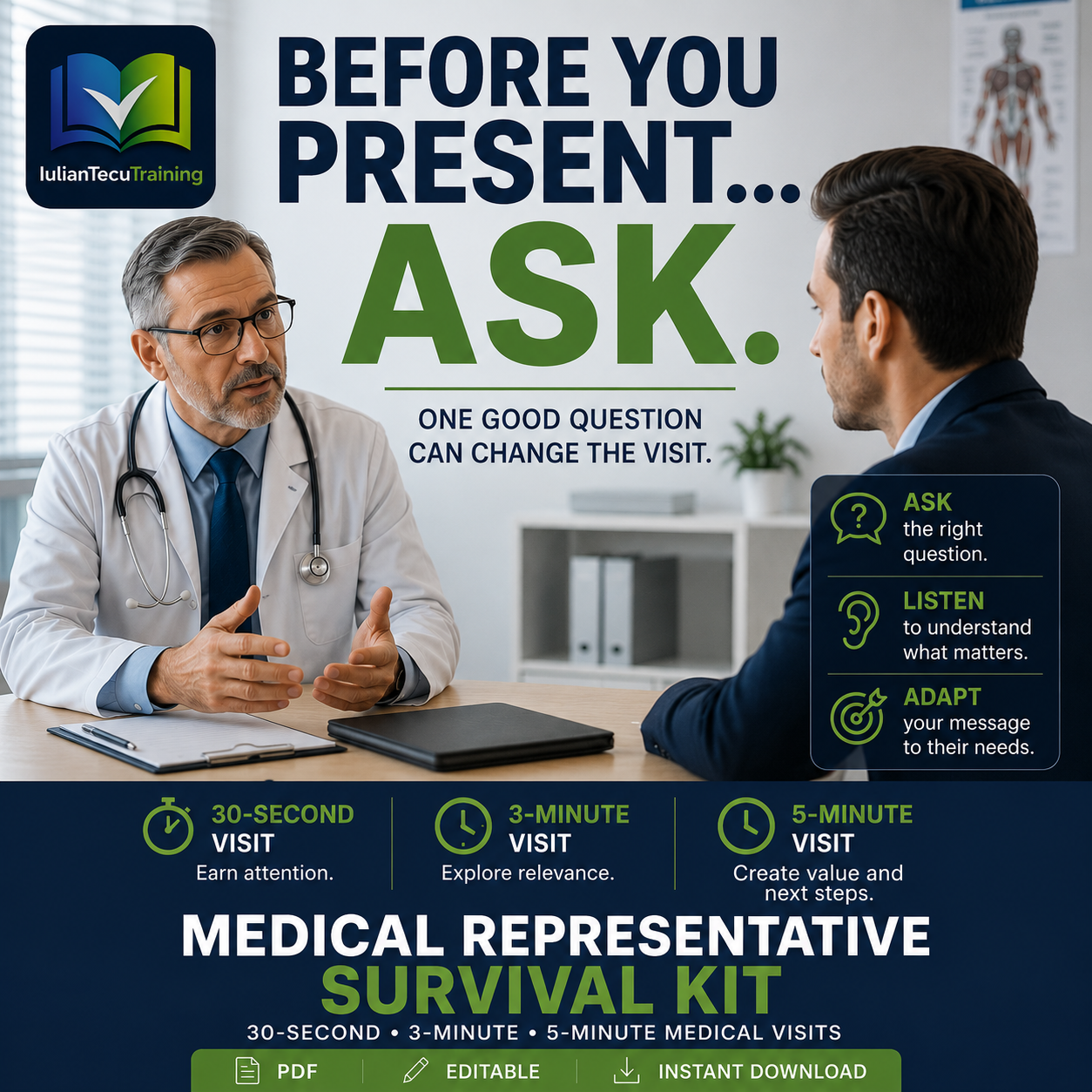
You finally have five minutes. The physician sits down. Your materials are ready. You know exactly what you want to cover. So you begin. Thirty seconds later, you're explaining your second key point. Two minutes later, you're showing evidence. Four ...
Read More

You finally get the meeting. You researched the account. You know the product. You have your questions ready. Perhaps you've even rehearsed the opening. The prospect looks at you and says: “Sorry. Today's crazy. I've got about 30 seconds.” There are...
Read More