
If you’ve ever worked with young kids, you already know this:
they don’t need more complexity… they need more clarity.
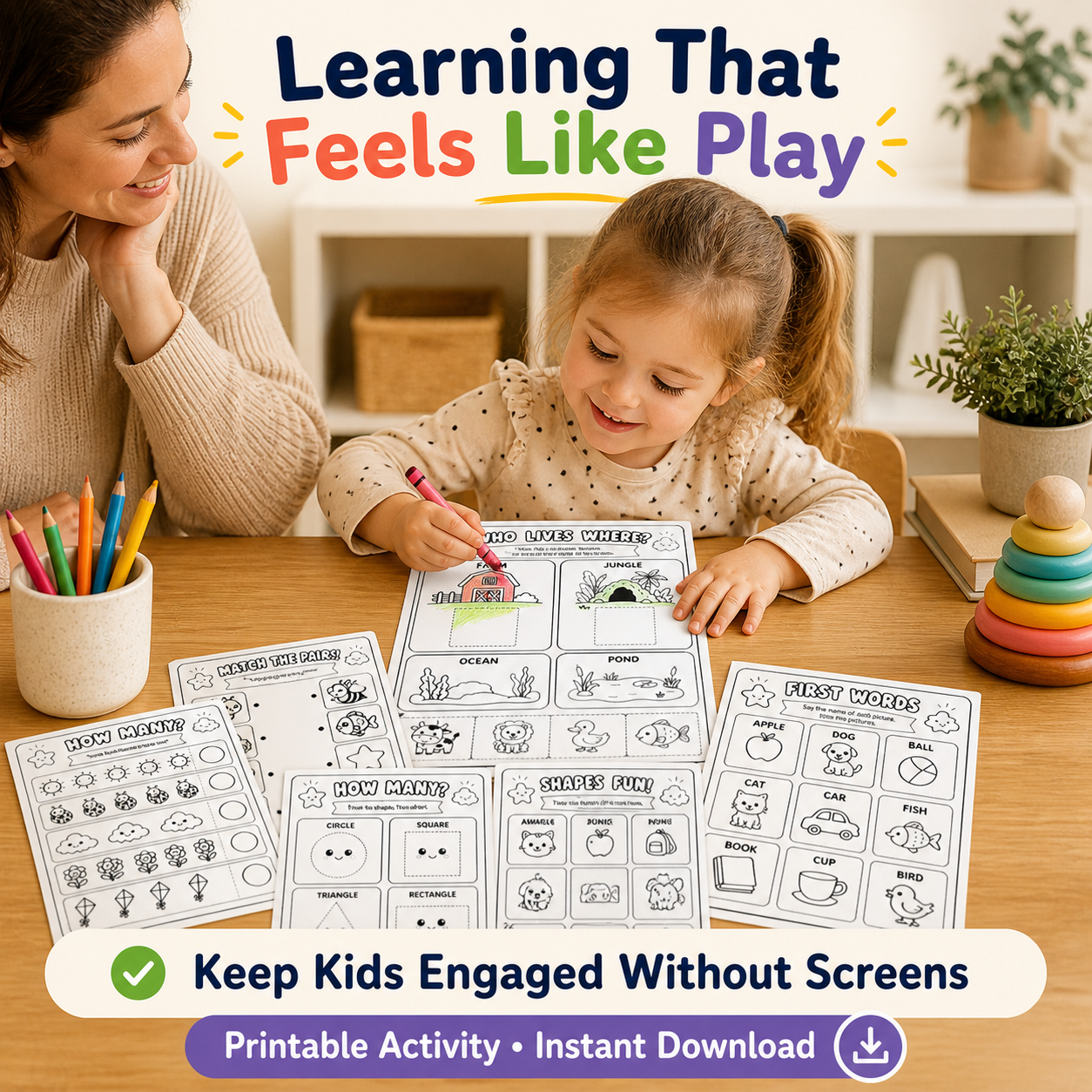
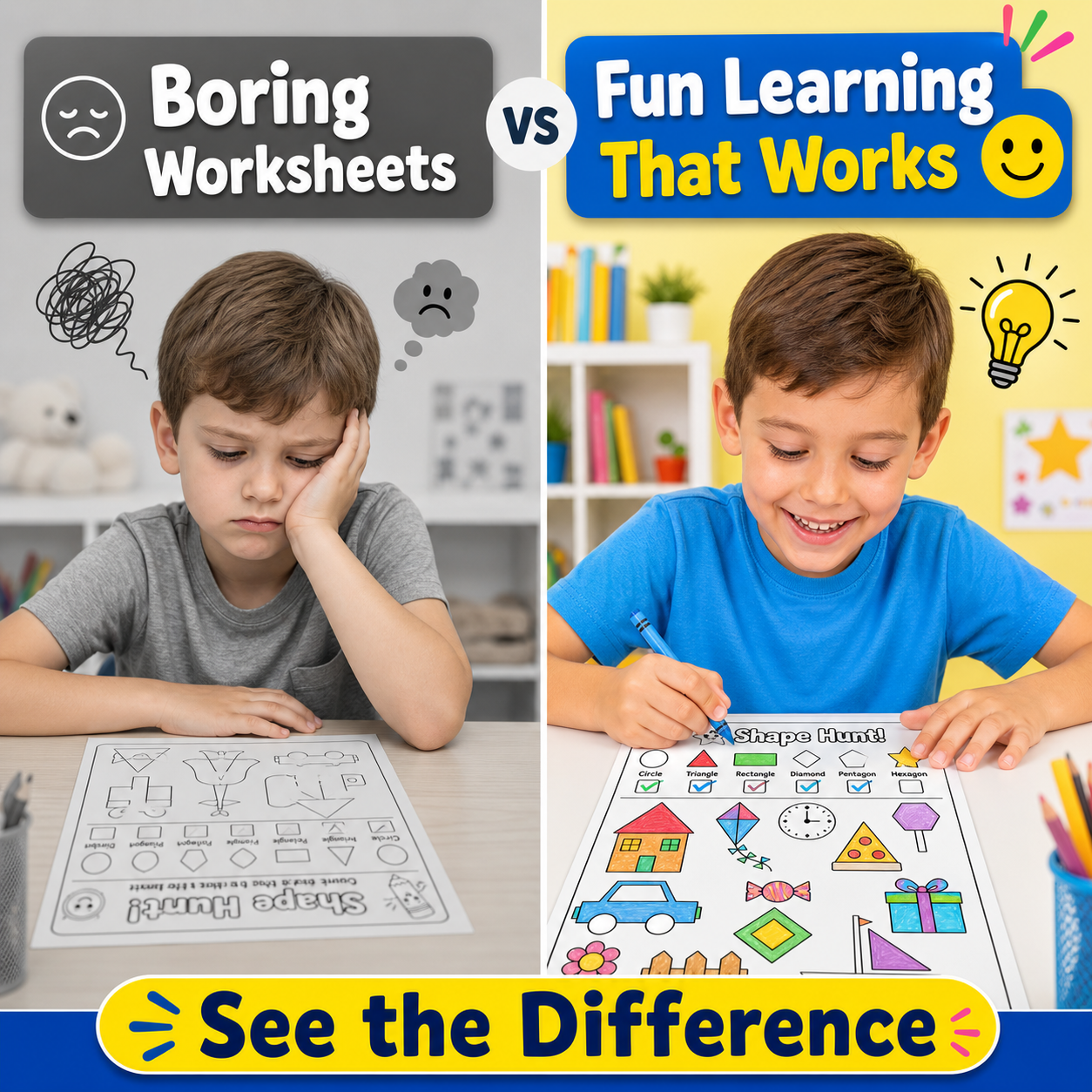
That’s exactly why simple worksheets often outperform “fancy” or overloaded activities—especially for kids ages 3–7.
Here’s a practical breakdown of why they actually work:
1. They match short attention spans
Young kids can focus for a few minutes—not much more. Simple worksheets respect that.
2. They create quick wins
Finishing a page fast builds confidence: “I can do this!”
3. They reduce overwhelm
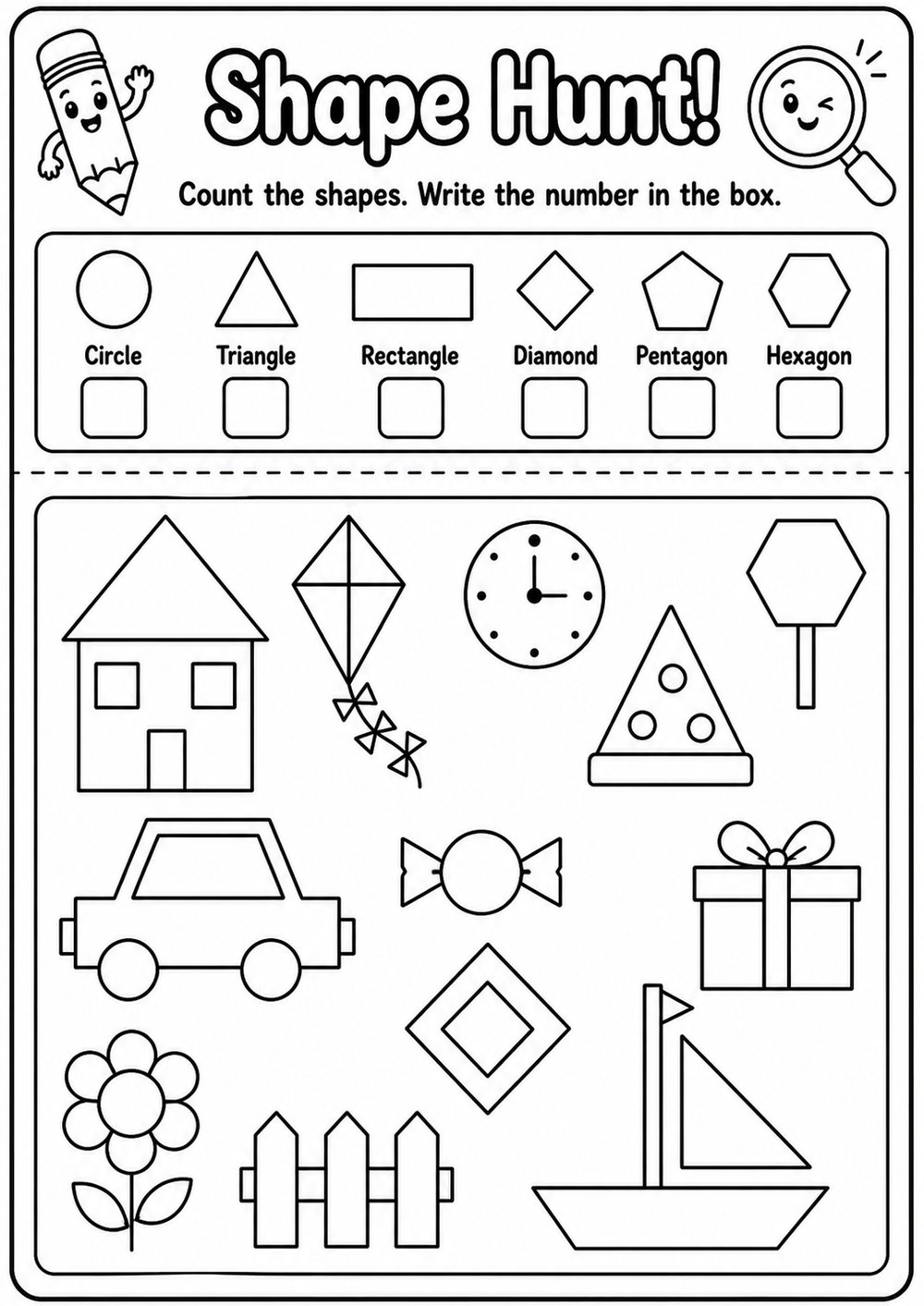
Too many instructions = confusion.
Simple layout = instant understanding.
4. They support step-by-step learning
One task at a time helps kids process and retain information better.
5. They build core skills
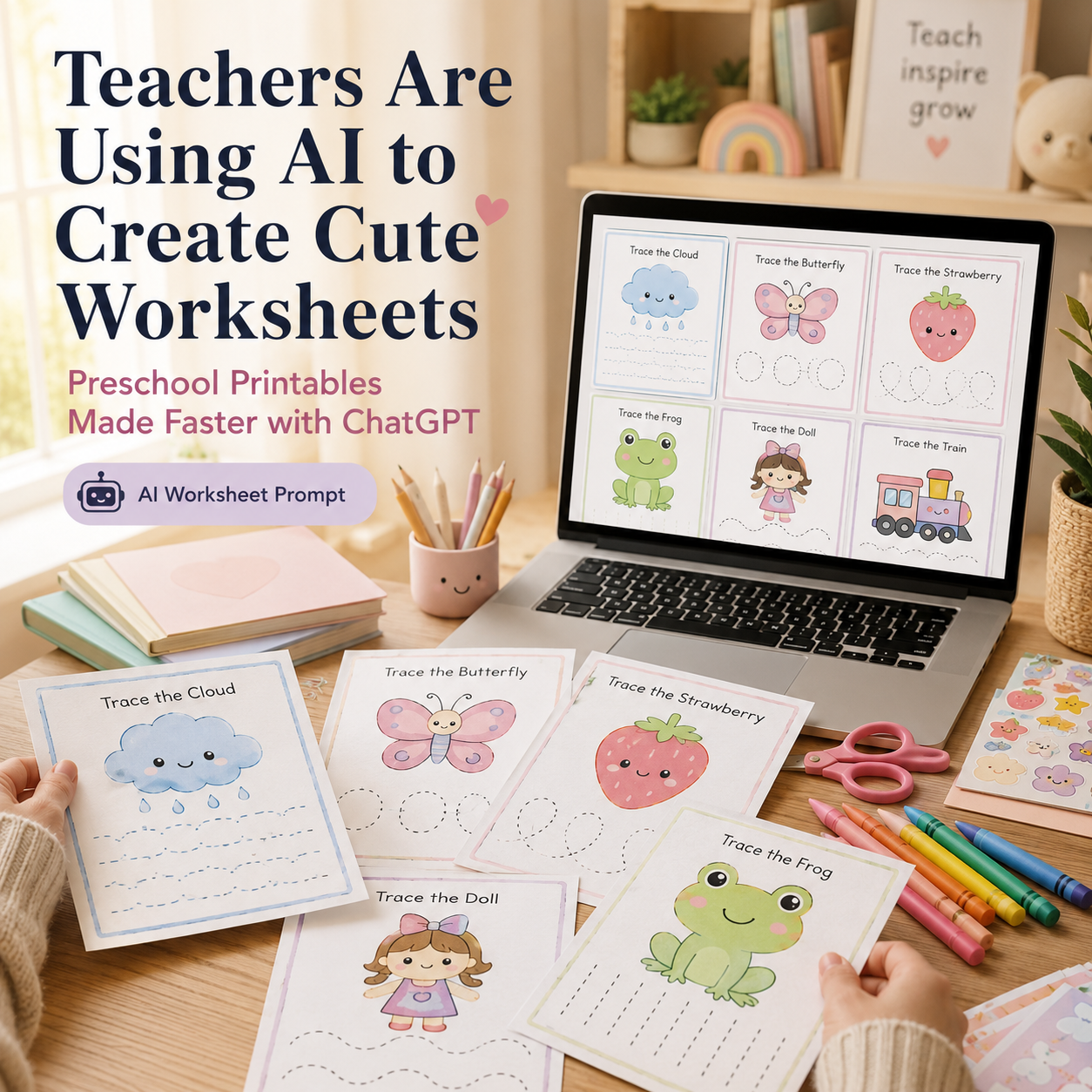
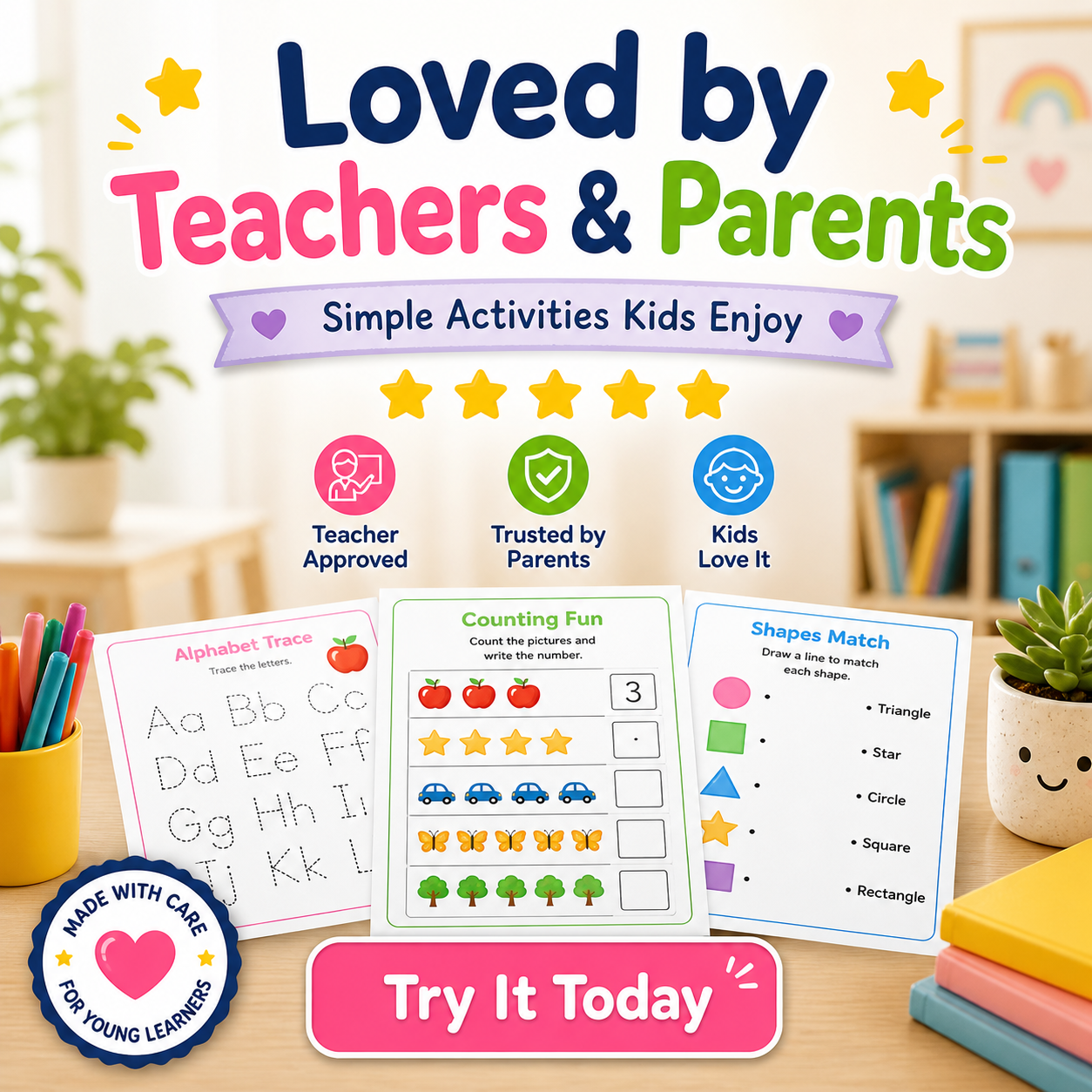
Reading, tracing, matching, counting—simple worksheets focus on the essentials.
6. They encourage active learning
Kids aren’t just watching—they’re doing. That’s where real learning happens.
7. They work for different levels
Easy to adjust, repeat, or simplify depending on the child.
8. They lower pressure
No stress, no overload—just clear, doable tasks.
9. They allow repetition (without frustration)
Repetition is key at this age—but only when it feels manageable.
10. They build strong foundations
Simple activities help kids master basics before moving forward.
11. They save time for teachers
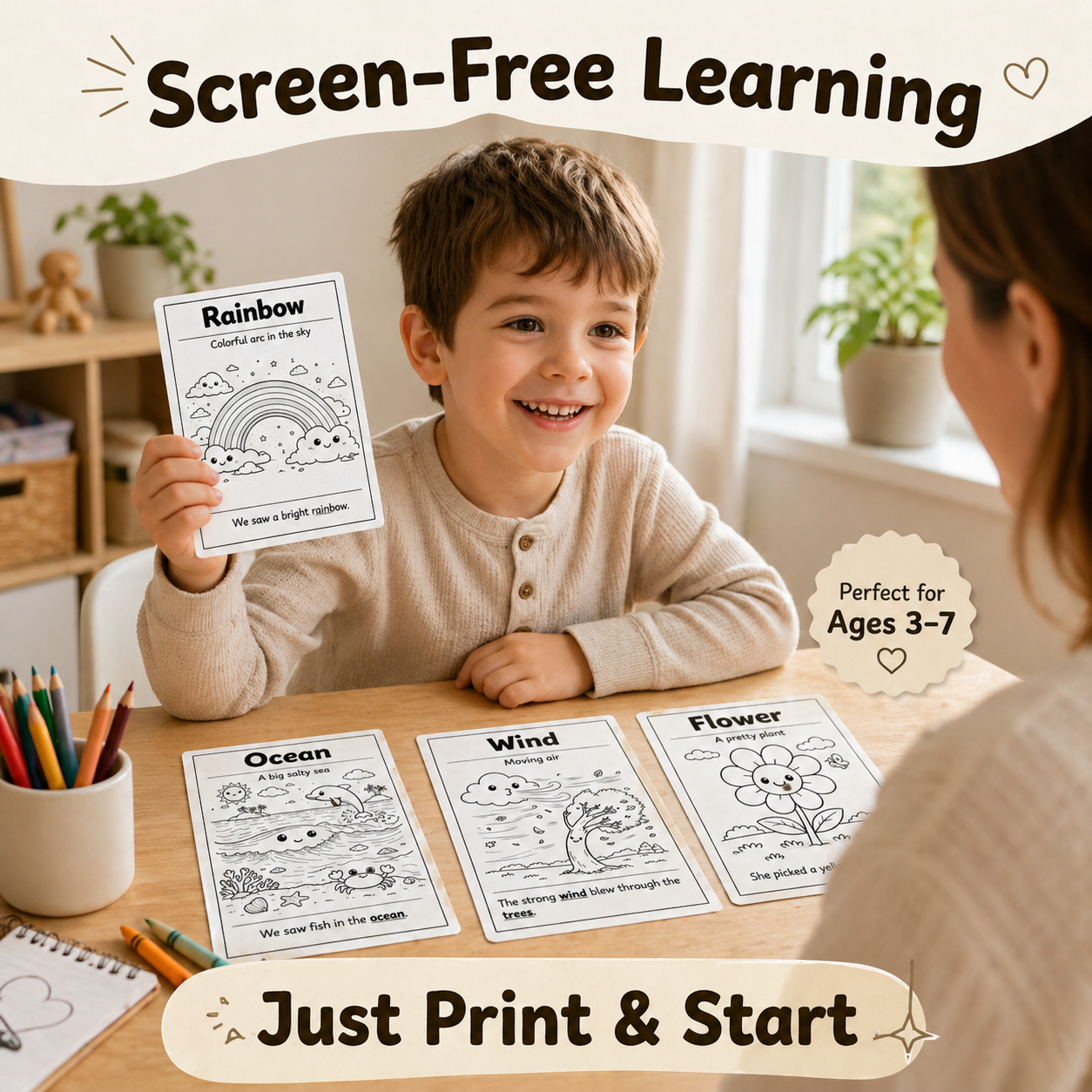
No long explanations needed—just print and start.
12. Perfect for “No Prep” teaching
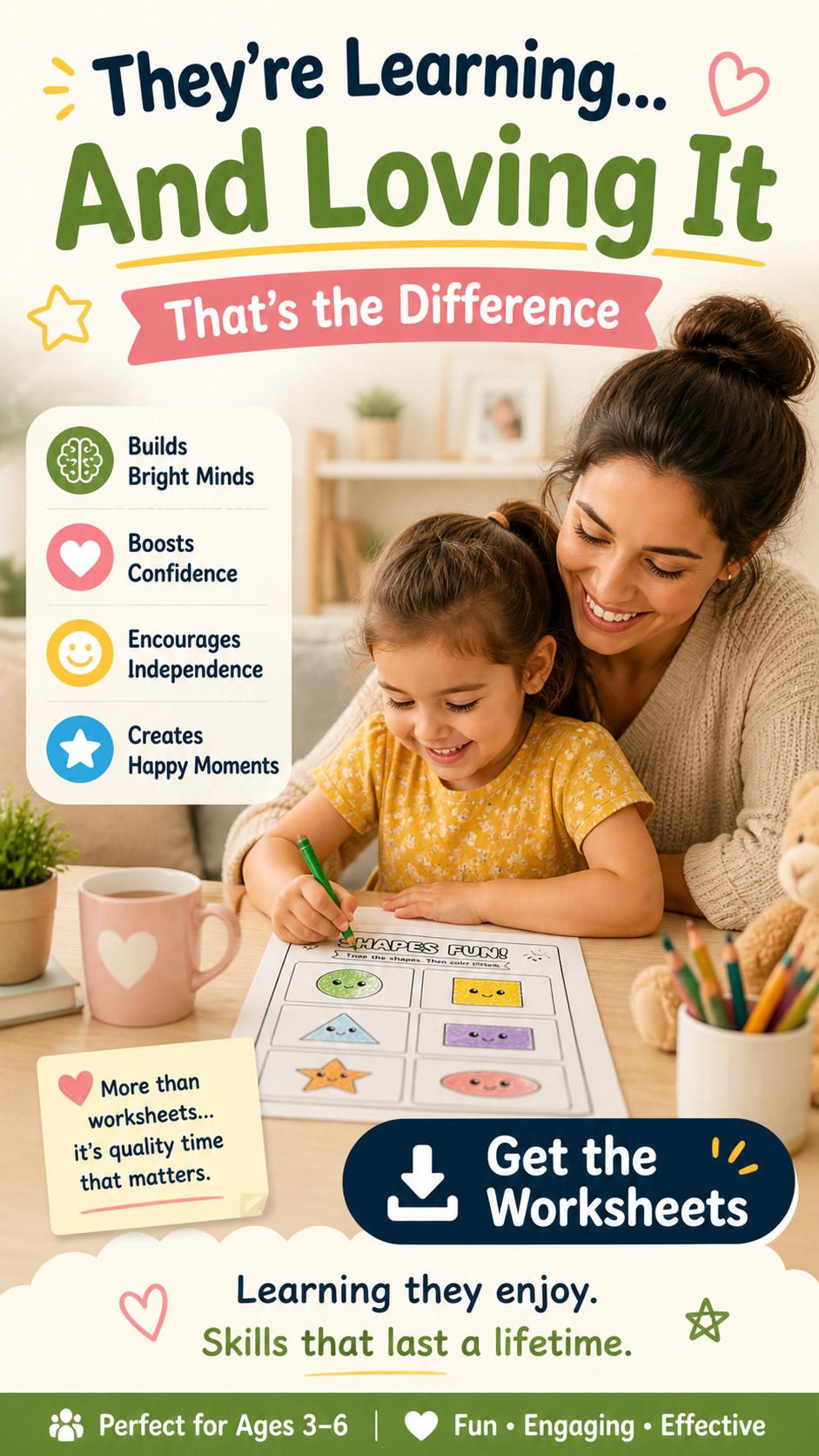
Ideal for busy classrooms or last-minute activities.
13. Easy for parents to use at home
No teaching experience required.
14. They create bonding moments
Simple activities = more interaction between parent and child.
15. They develop logical thinking
Sorting, matching, and patterns build early thinking skills.
16. They encourage creativity
Coloring and simple tasks leave room for imagination.
17. They improve fine motor skills
Holding a pencil, tracing, coloring—all essential at this stage.
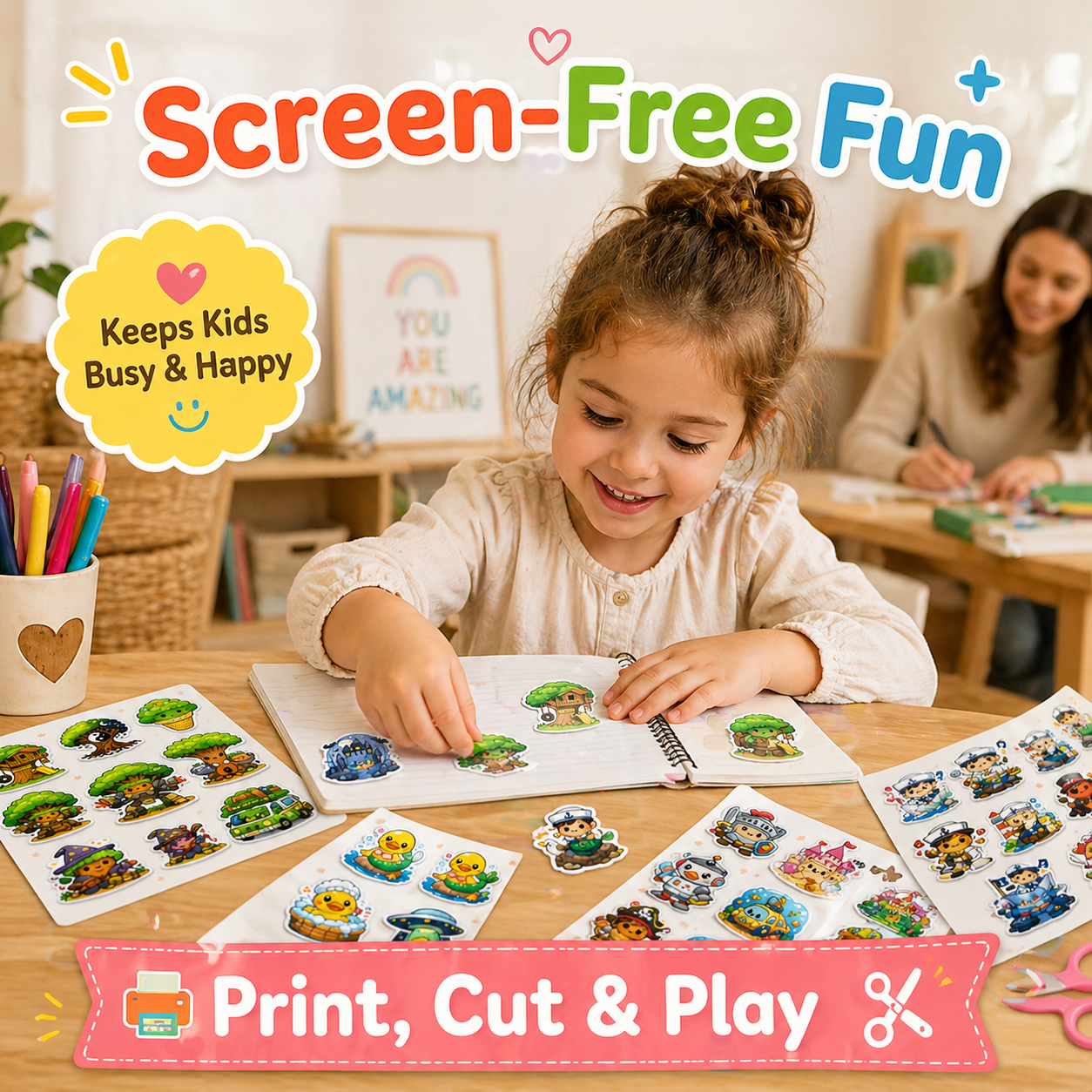
18. They reduce screen time
A real, hands-on alternative to tablets and phones.
19. They deliver faster results
Clear tasks = faster learning progress.
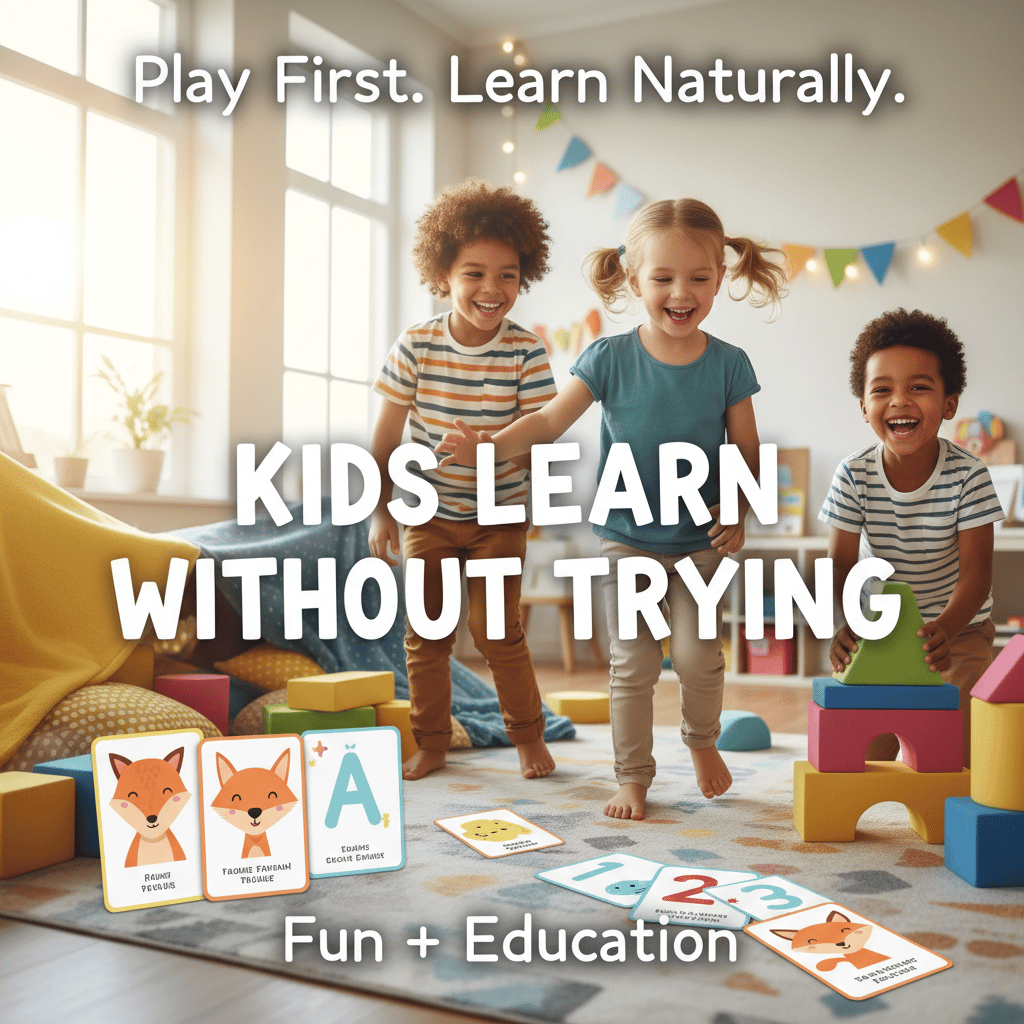
20. They make learning feel fun
And when kids enjoy it… they want more.
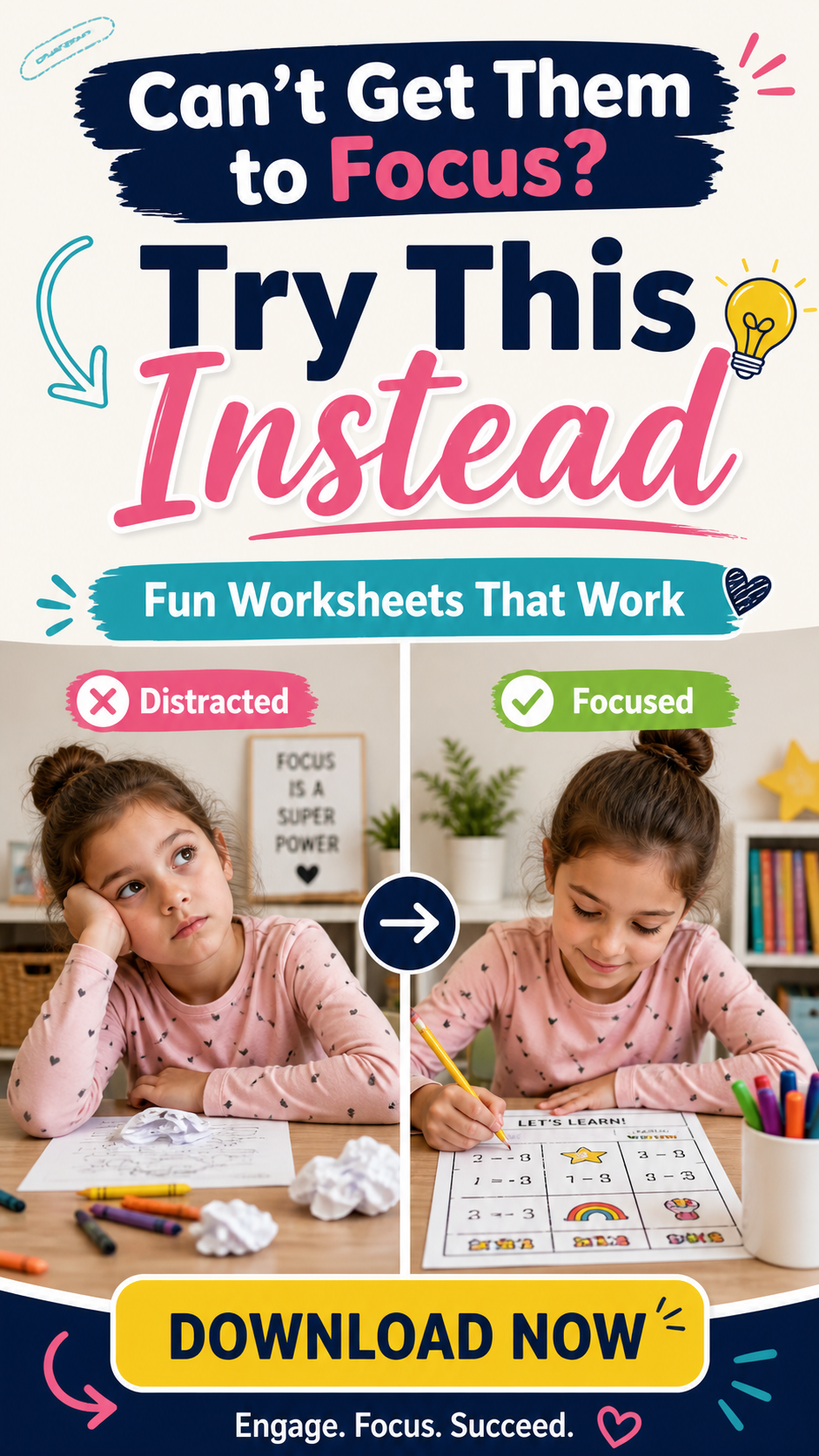
Final Thought
In early education, simple doesn’t mean “basic.”
It means effective, focused, and developmentally smart.
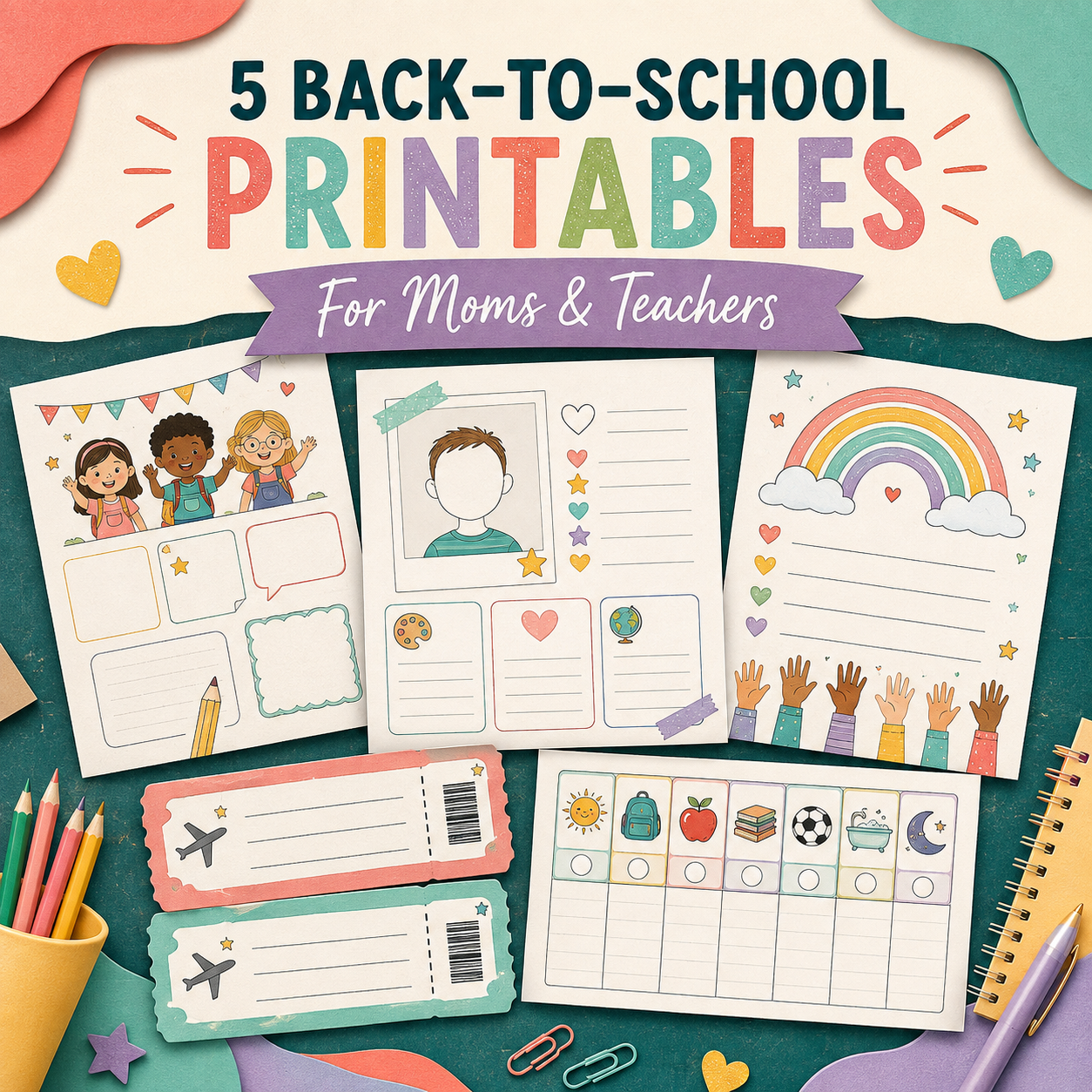
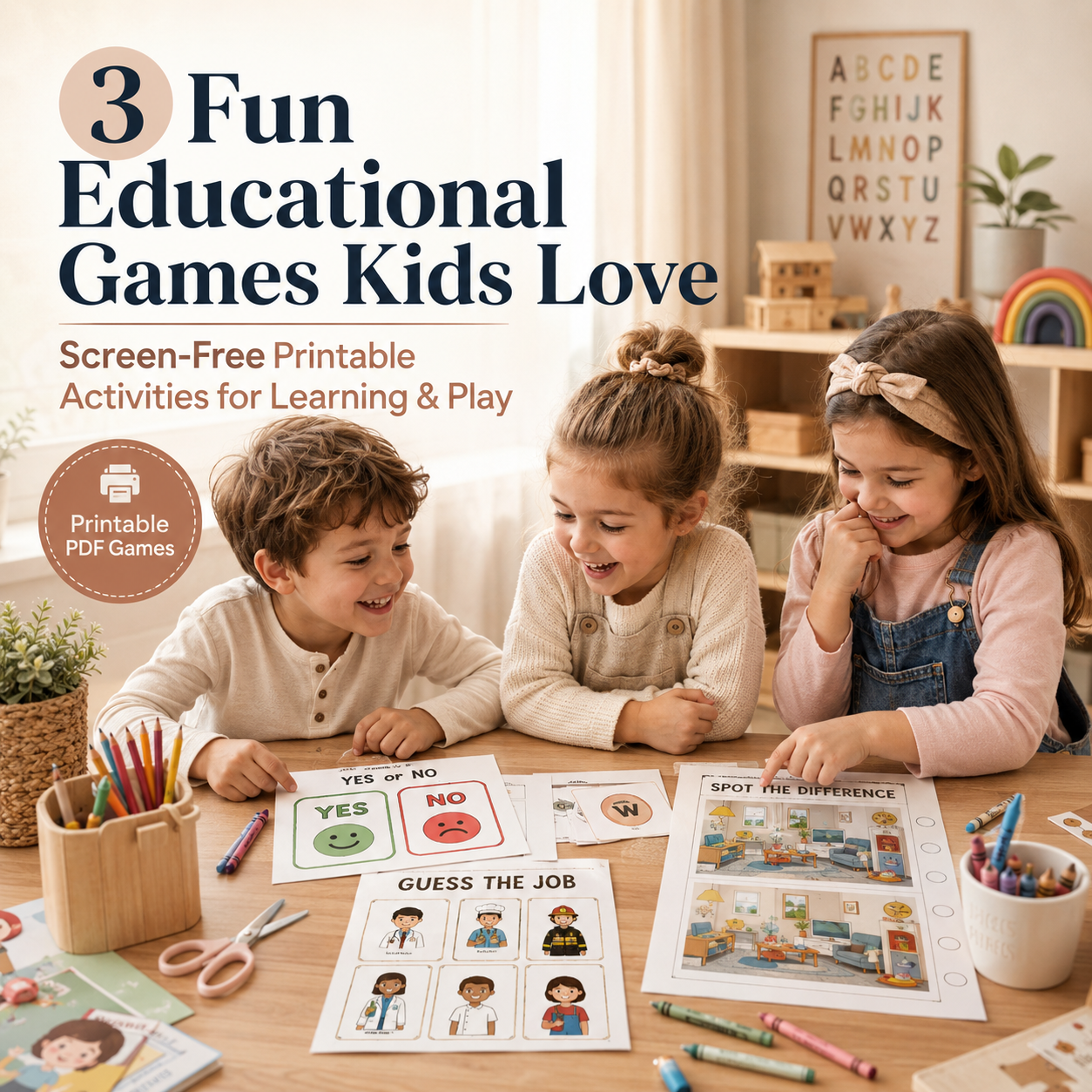
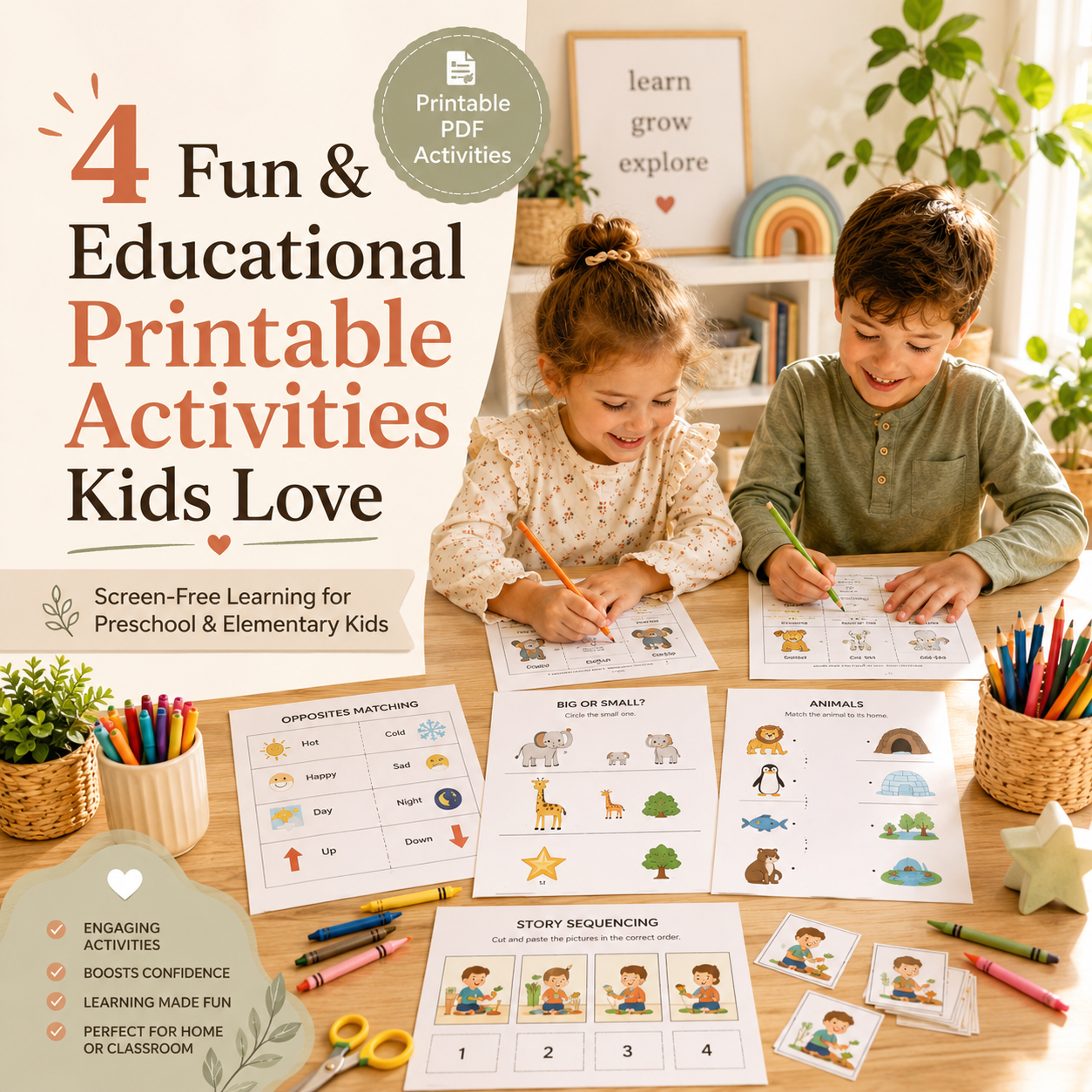
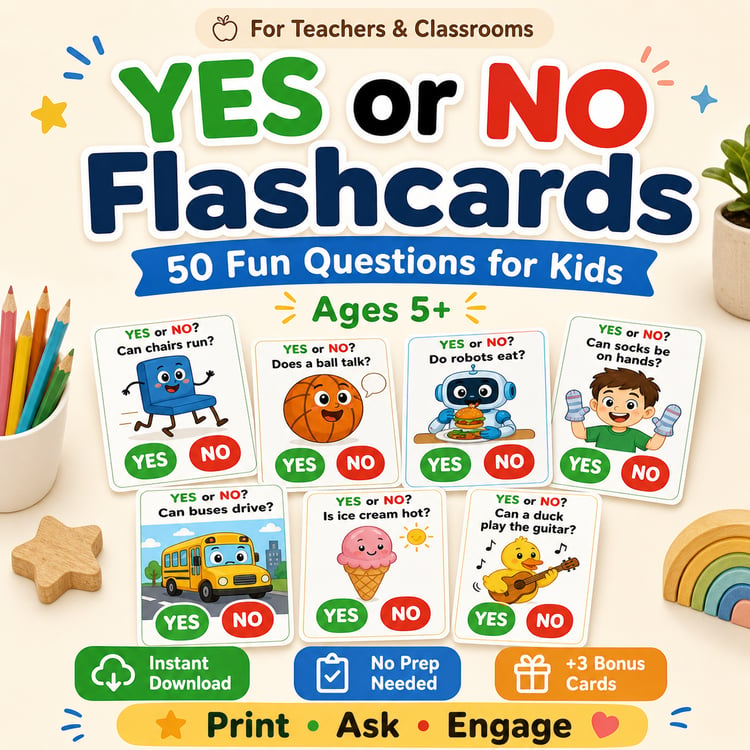
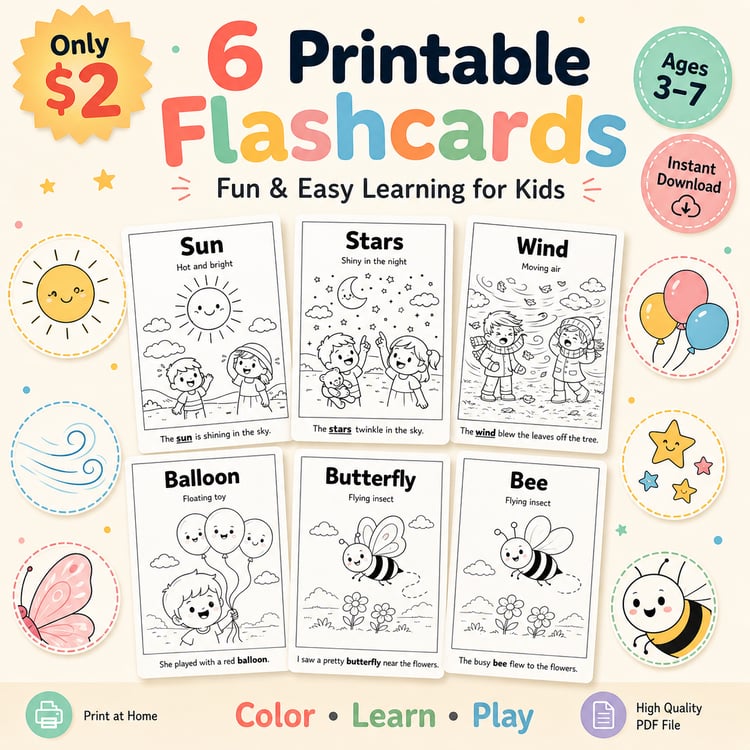
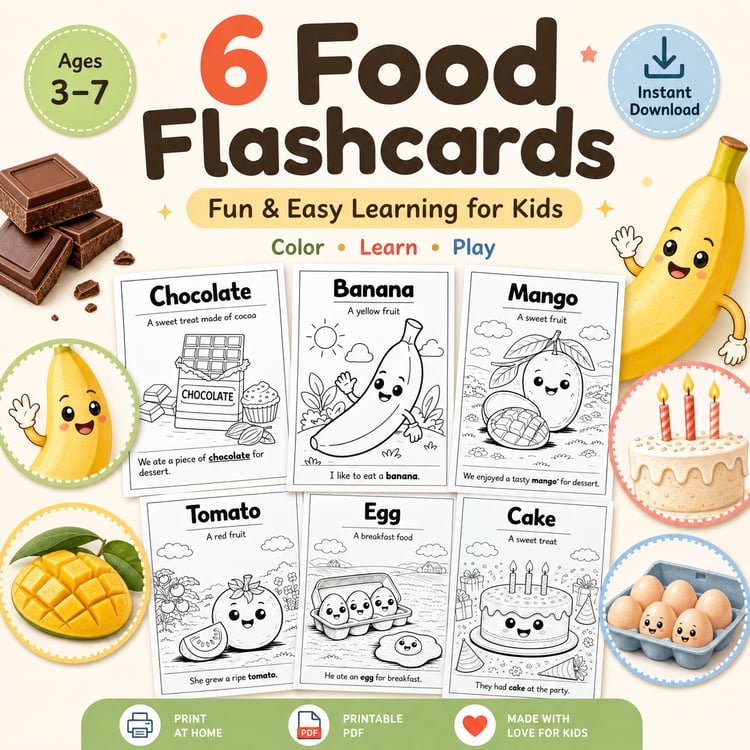
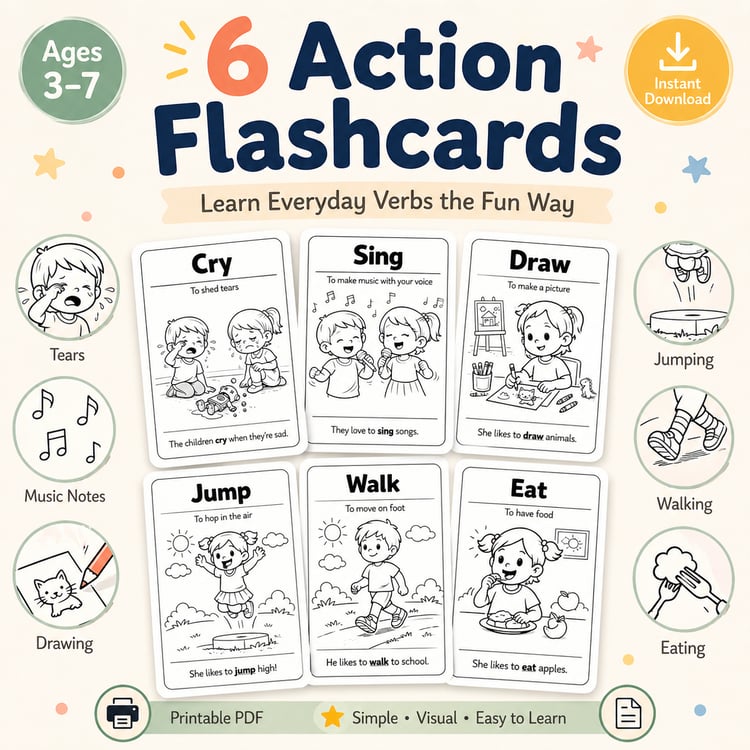
💡 If you’re a teacher or parent looking for ready-to-use, simple activities that actually work:
👉 Check this collection:
https://payhip.com/MintoLoad/collection/activity-sheets
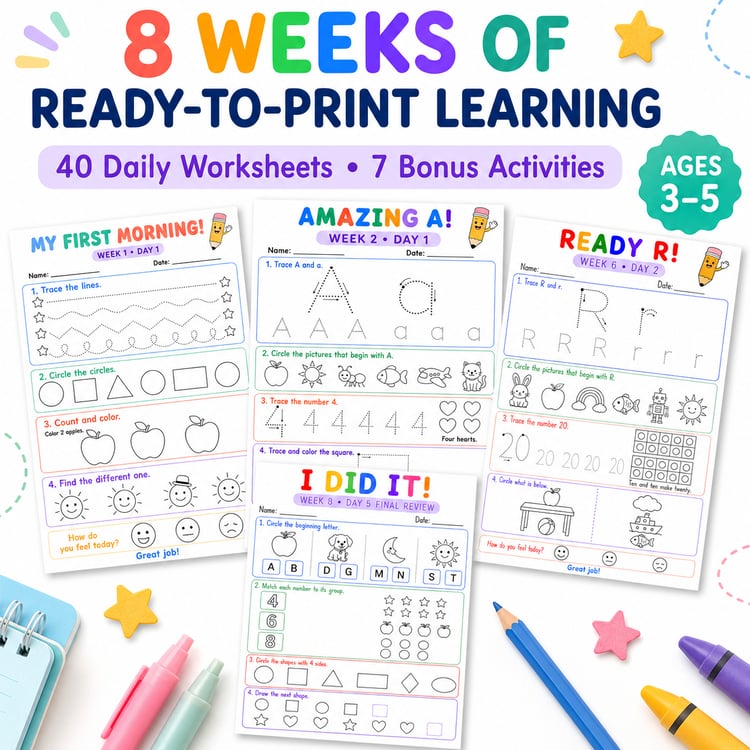
It’s designed to help you start instantly—no prep, no stress, just print and go.


Comments ()