
If you're a teacher, parent, or even selling educational products, you’ve probably asked this question:
Should I use flashcards or worksheets?
Here’s the simple truth:
👉 You don’t have to choose one… you need both.
But each one plays a different role—and understanding that difference is what actually improves how kids learn.
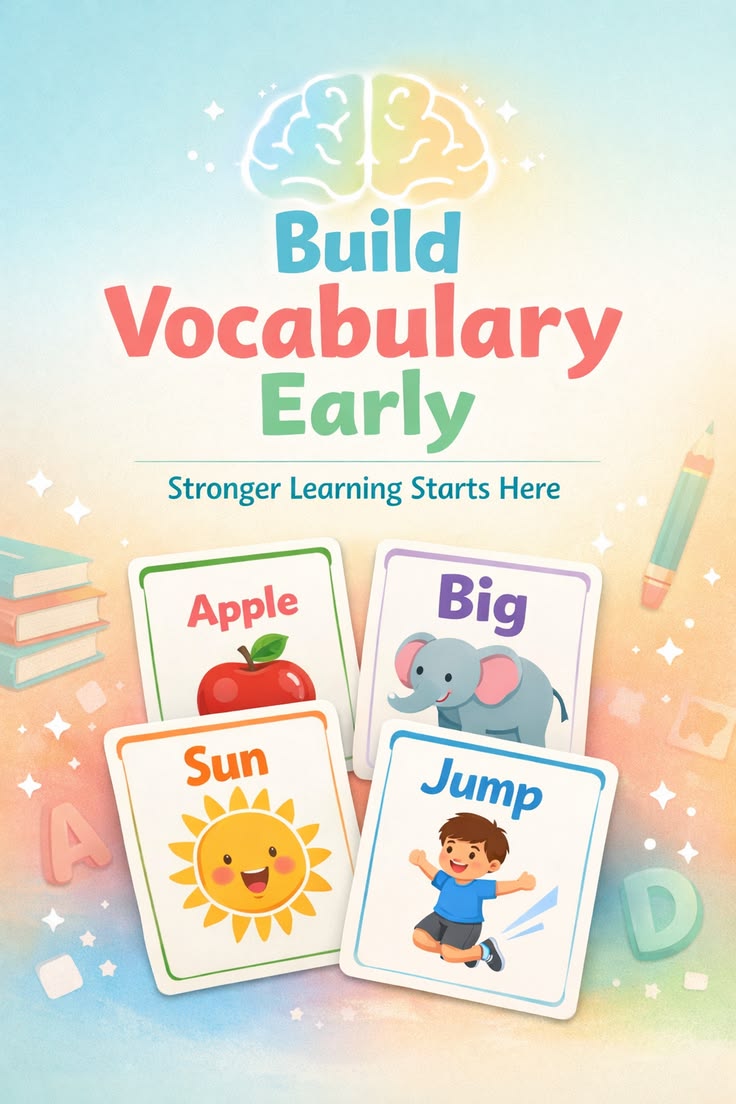
Flashcards: Fast, Simple, and Effective
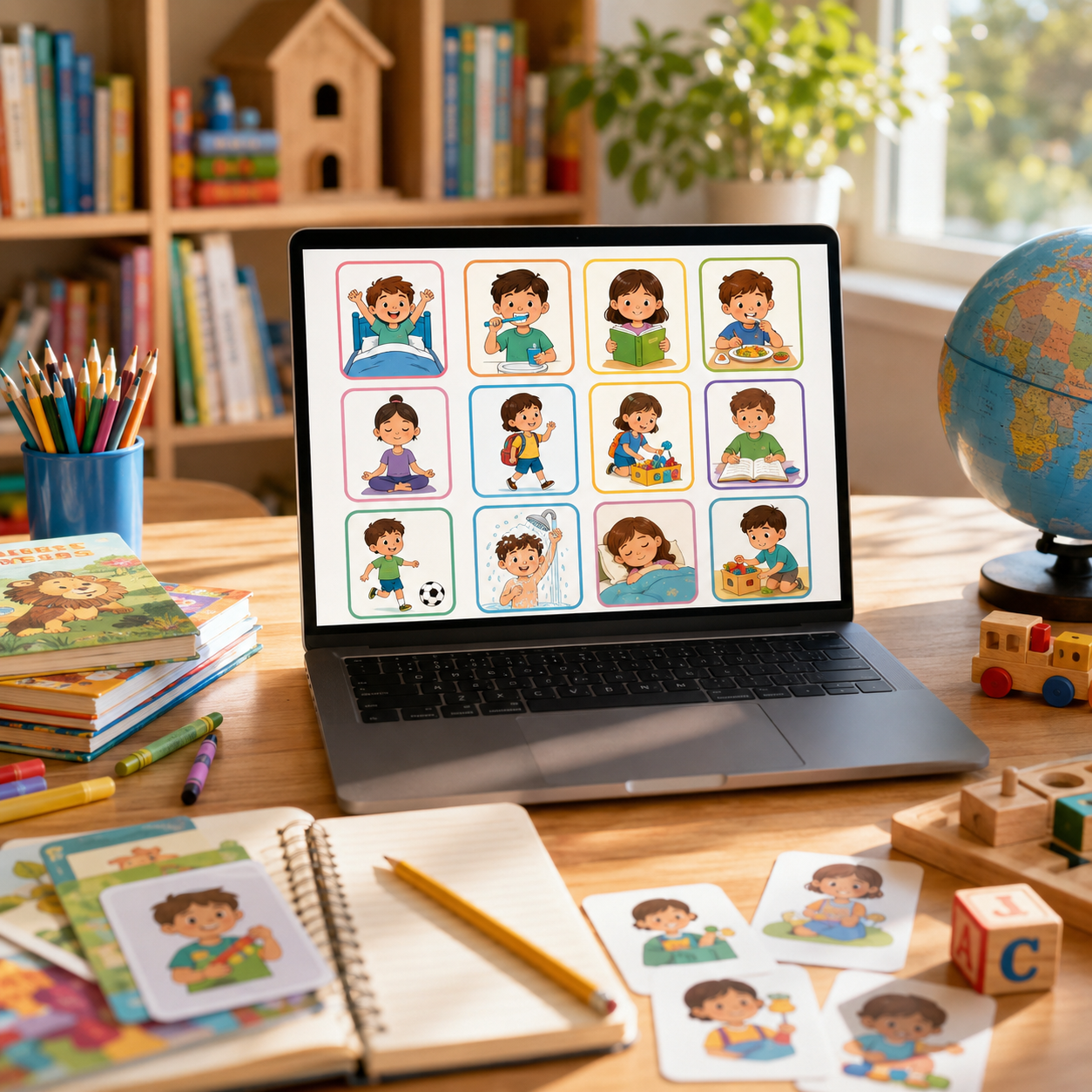
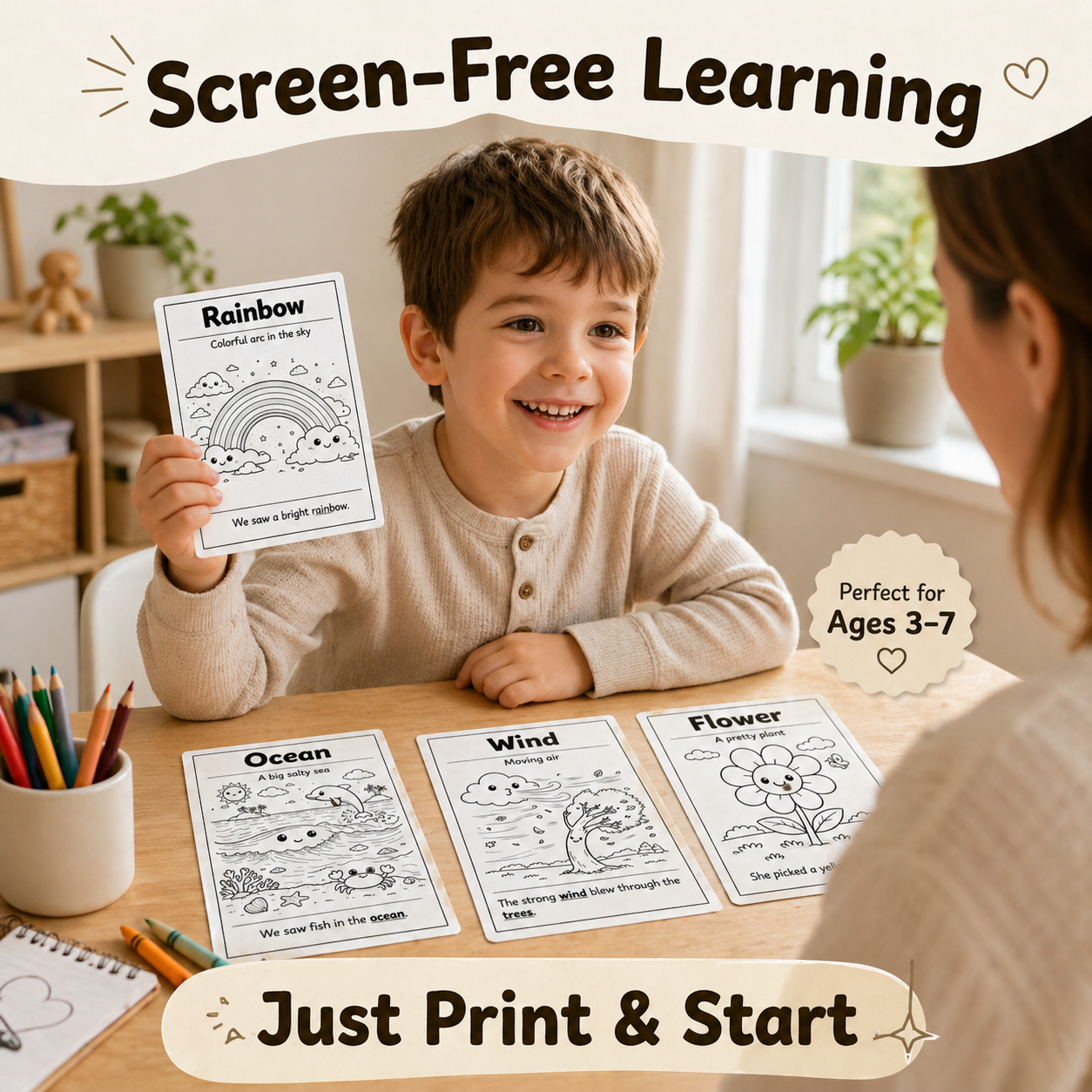
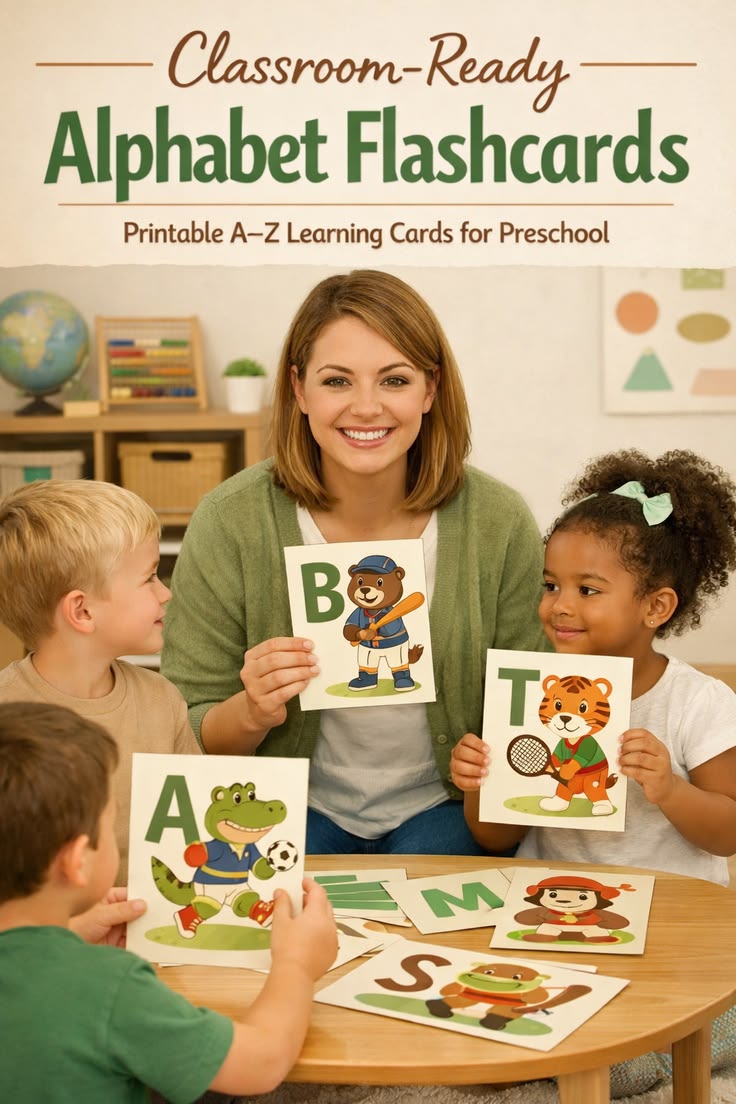
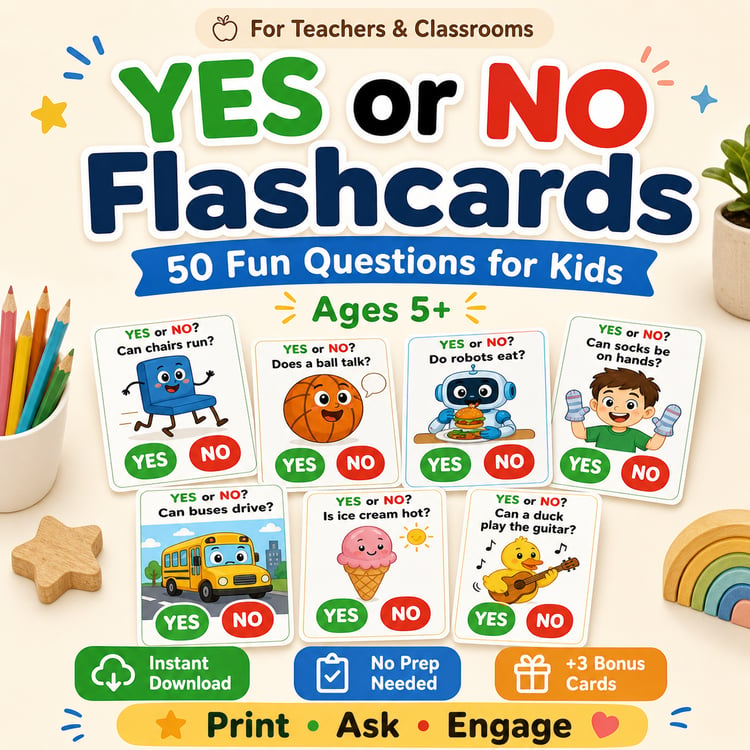
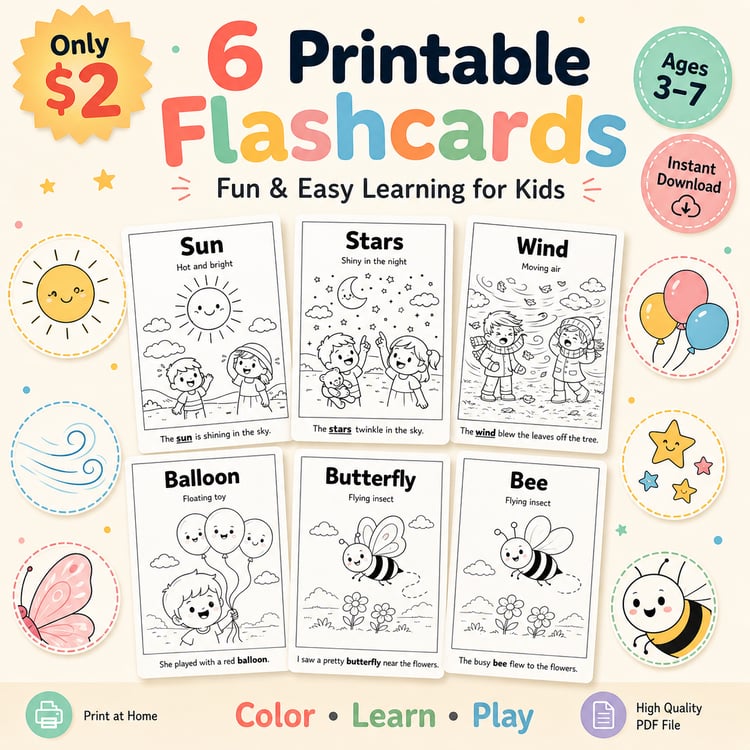
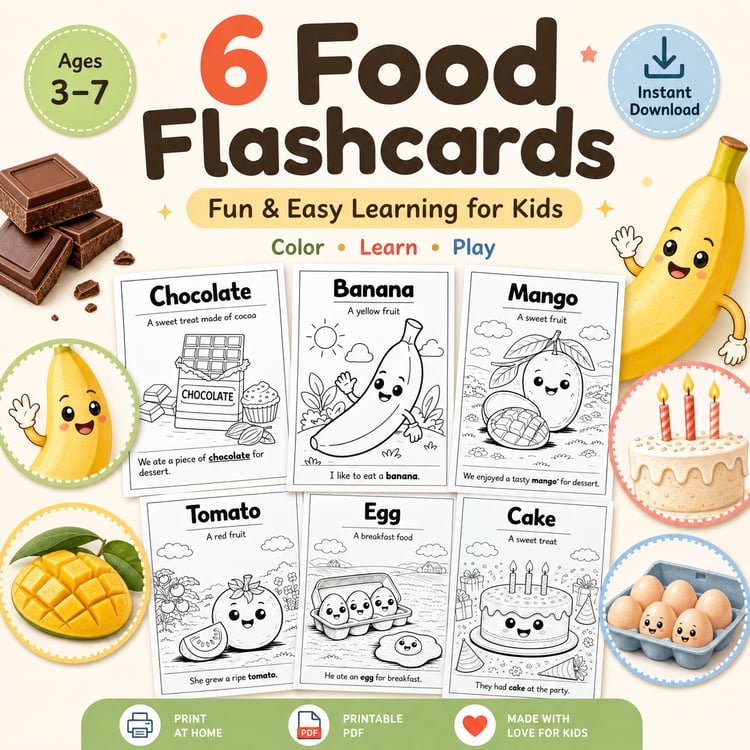
Flashcards are designed for quick learning and repetition. A simple card with a word or image can go a long way.
They help kids:
- Recognize words faster
- Build memory through repetition
- Feel quick wins (which boosts confidence)
They’re perfect for:
- Vocabulary
- Letters
- Numbers
📌 Think of flashcards as your starting point—they introduce ideas quickly and clearly.
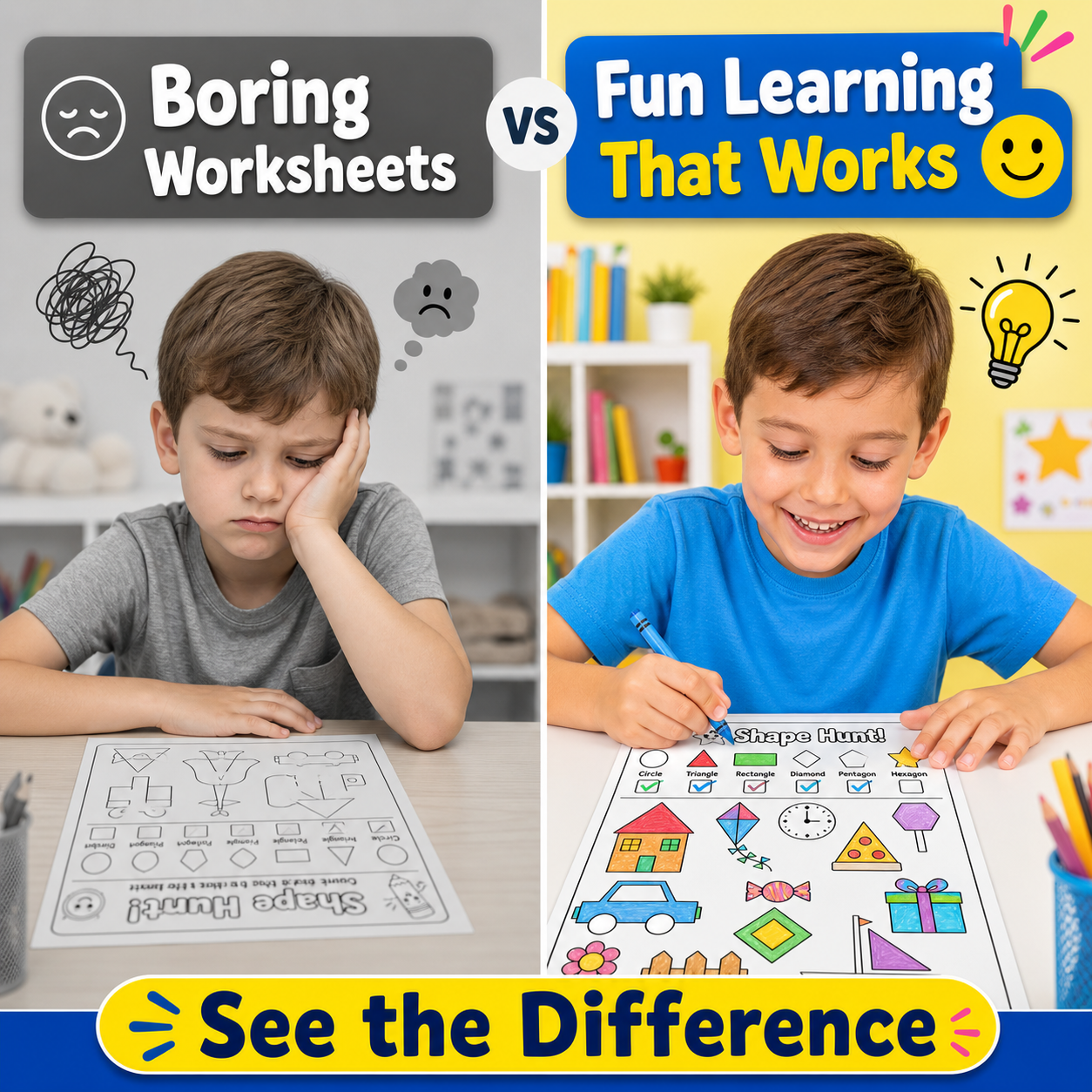
Worksheets: Where Learning Becomes Real
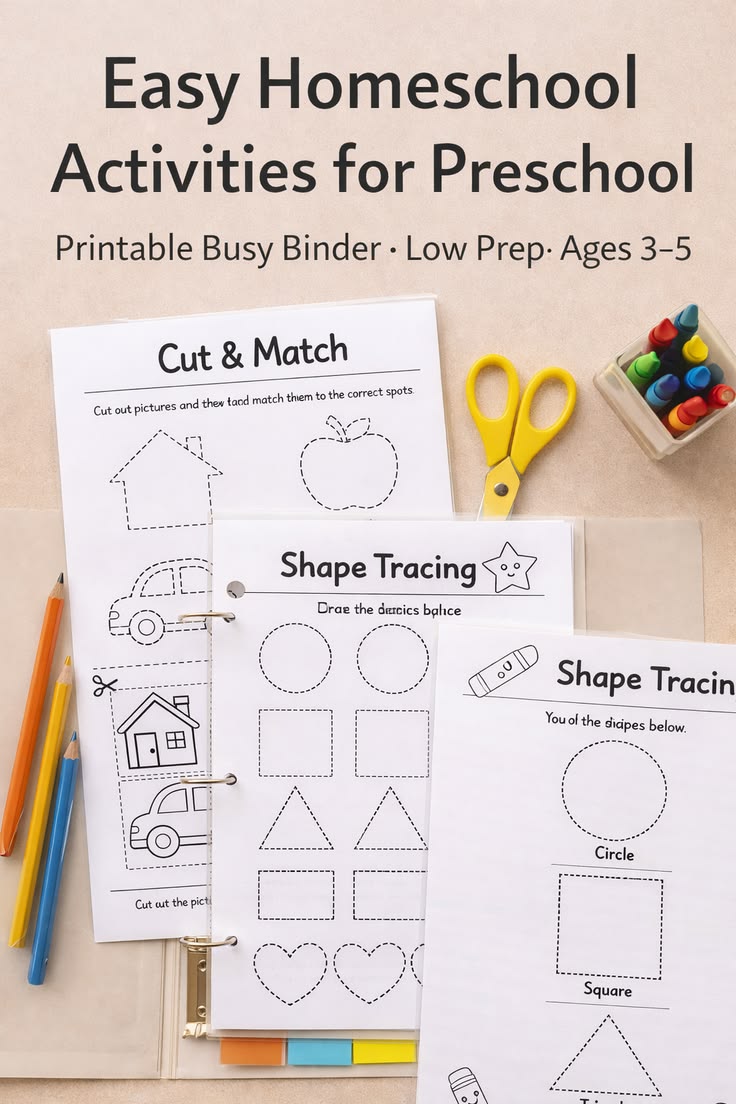
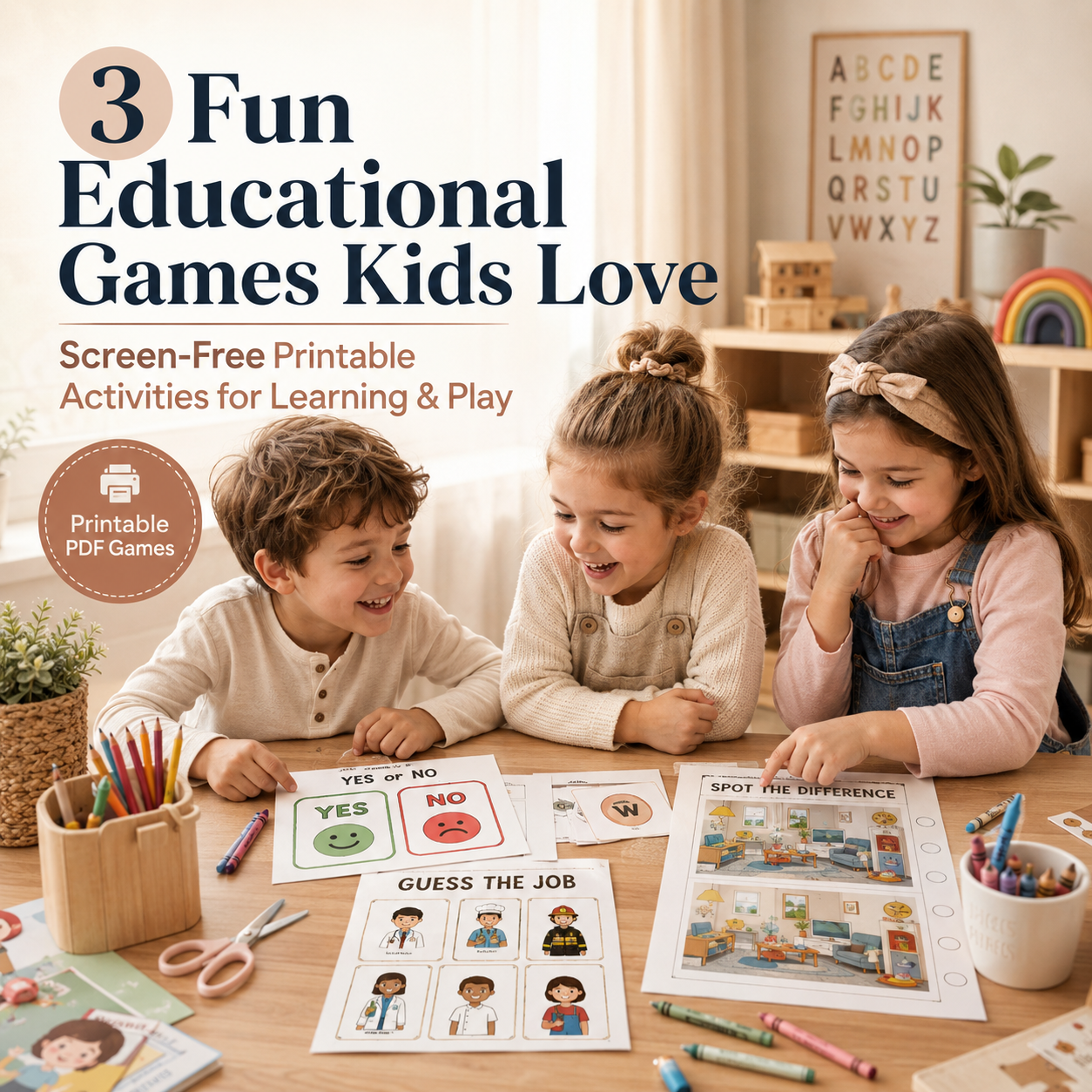
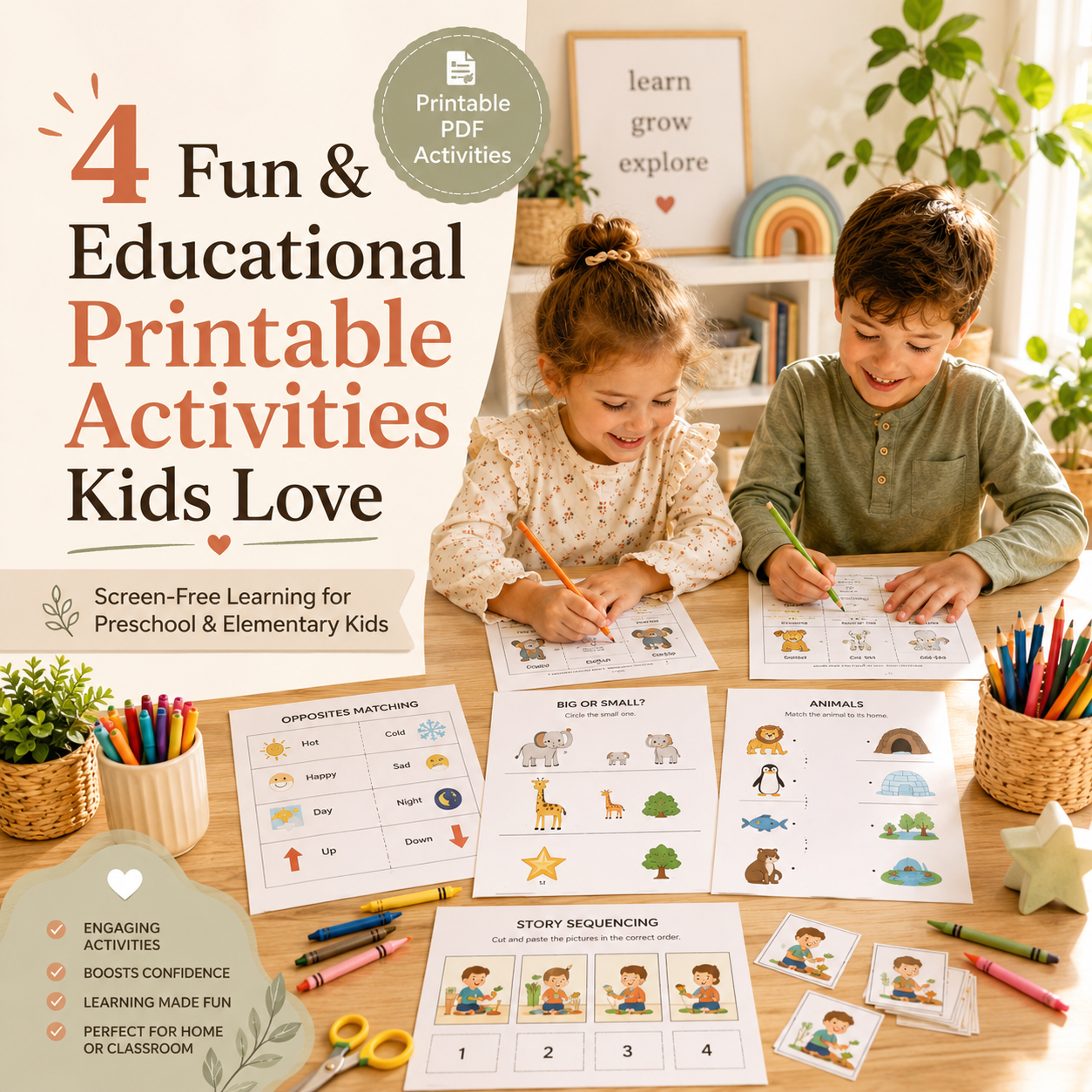
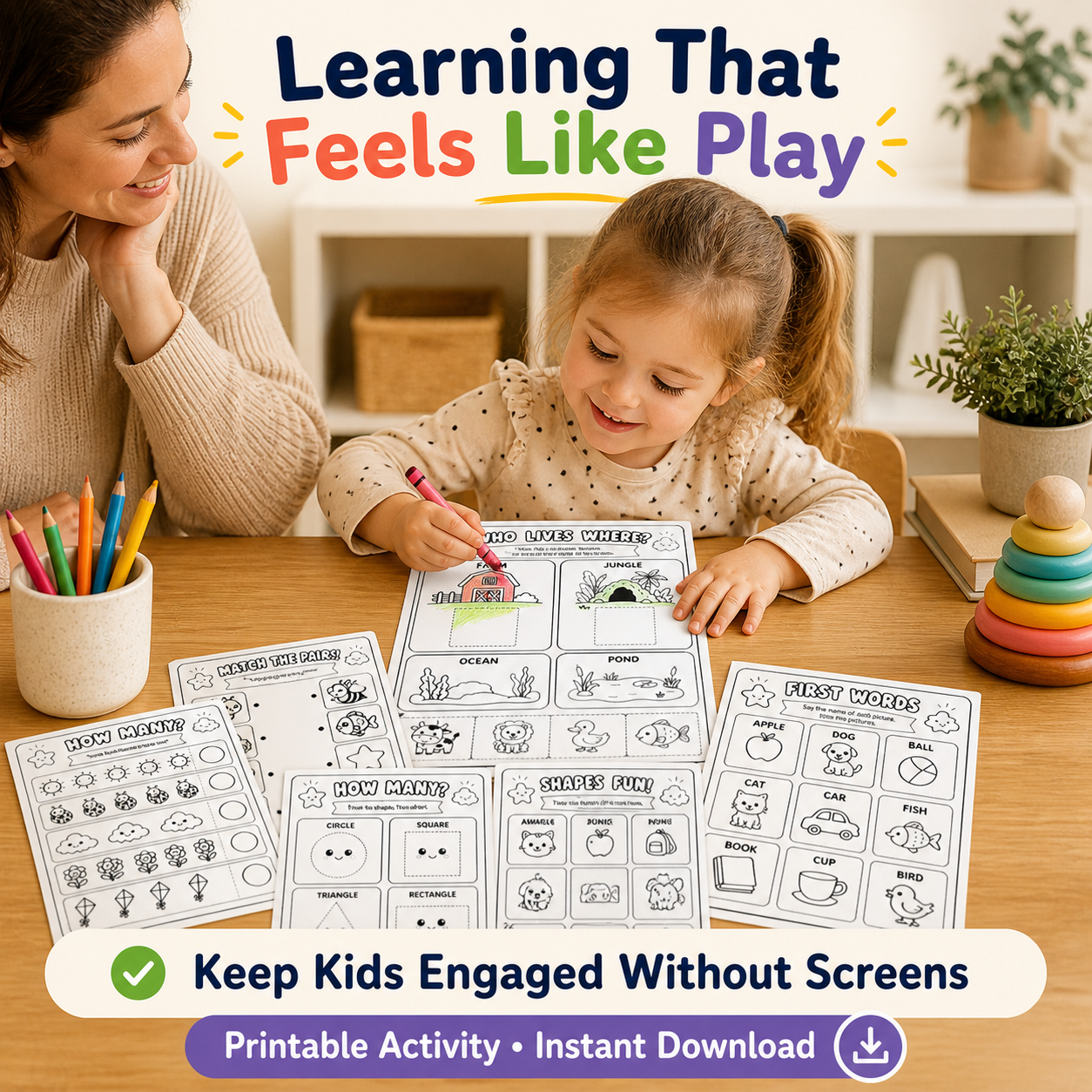
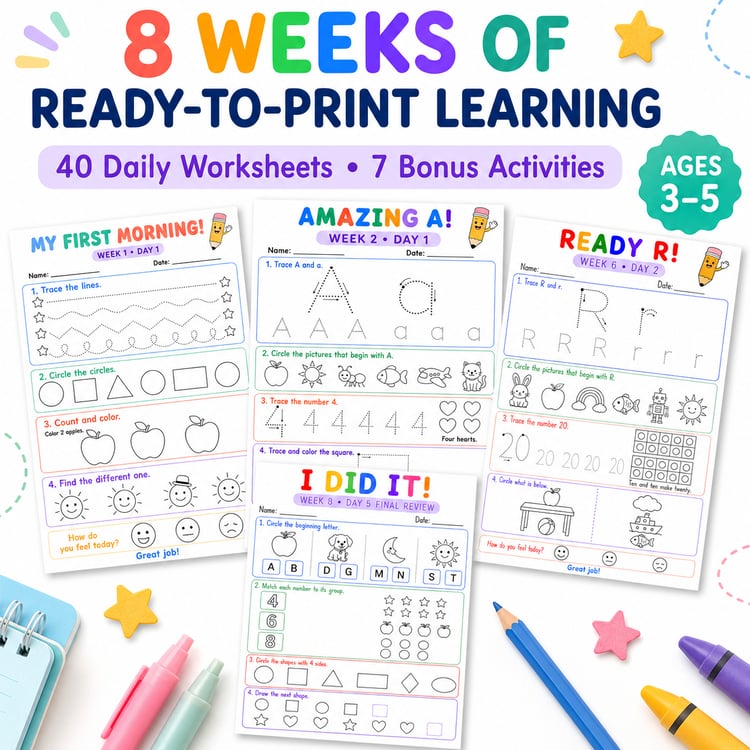
Worksheets move learning from “seeing” to doing.
Instead of just recognizing a word, kids:
- Color it
- Trace it
- Match it
- Use it
This helps them:
- Understand better
- Stay focused longer
- Build real skills
📌 Worksheets are your practice zone—this is where learning sticks.
The Real Difference (Simple and Clear)
Flashcards help kids remember.
Worksheets help kids understand and apply.
Flashcards are fast and fun.
Worksheets are deeper and more structured.
Flashcards are great for short sessions.
Worksheets are great for focused learning time.
When Should You Use Flashcards?
Use flashcards when:
- You’re introducing something new
- You need quick review sessions
- The child has a short attention span
When Should You Use Worksheets?
Use worksheets when:
- You want to reinforce learning
- The child needs hands-on practice
- You want a calm, structured activity
The Mistake Most People Make
Many people rely only on flashcards.
And while they’re great, they often lead to memorization without full understanding.
👉 The smarter approach is simple:
Flashcards first → Worksheets second
The Smart Teaching Flow
Here’s what actually works:
- Introduce the concept with a flashcard
- Repeat it in a fun way
- Give a worksheet to practice
- Review again using the flashcard
🎯 This creates a strong learning loop:
Learn → Practice → Remember
A Simple Example
You show a flashcard: 🍎 Apple
Then the worksheet:
- Color the apple
- Trace the word “Apple”
- Match it with the correct image
👉 Now the child is learning in a complete way—not just memorizing.
If You’re Creating or Selling Educational Products
Don’t limit yourself to one format.
- ✔️ Combine flashcards and worksheets
- ✔️ Offer them as one complete learning solution
- ✔️ Focus on real results (faster learning + better retention)
👉 If you want ready-made resources that already combine both approaches, check this collection:
https://payhip.com/MintoLoad/collection/all
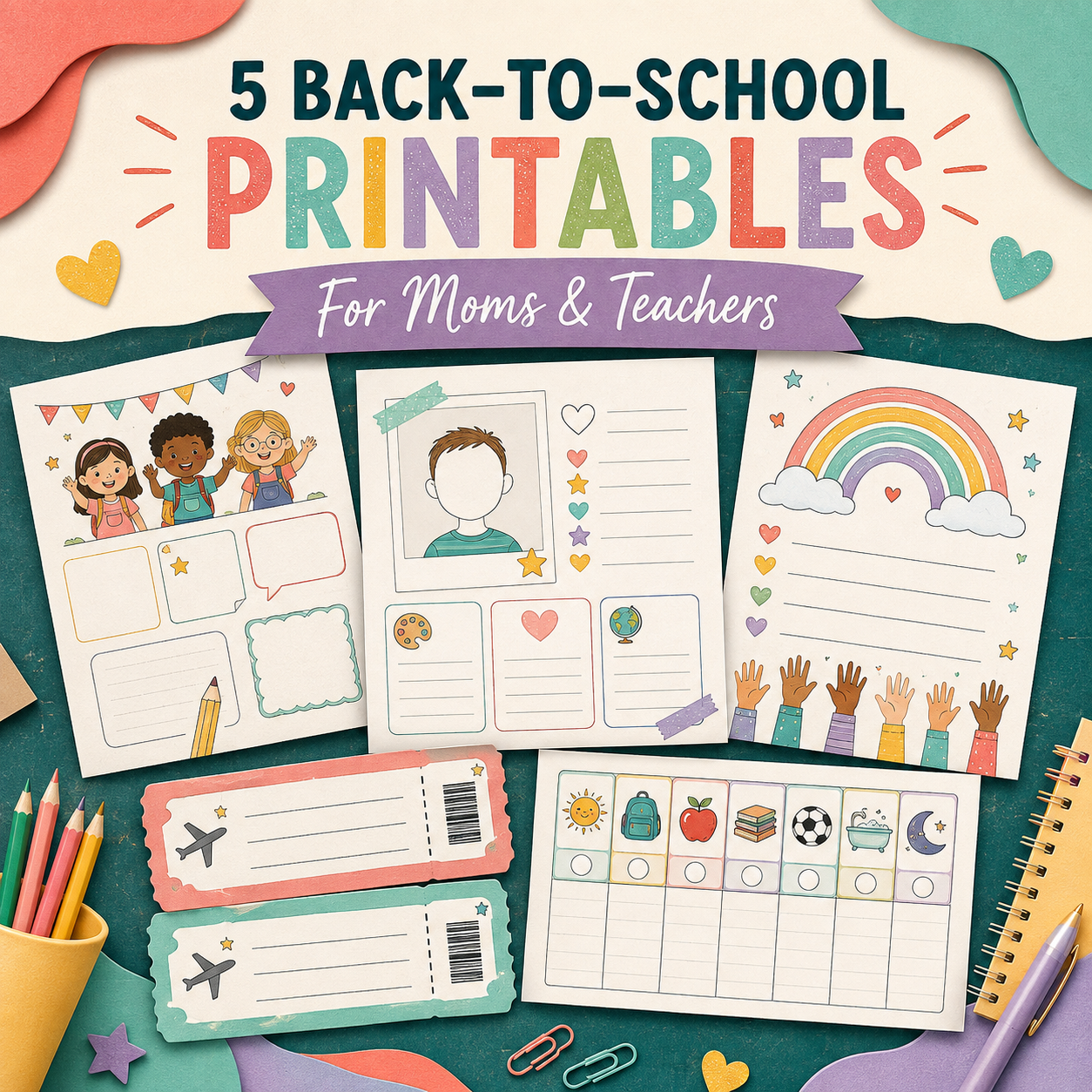
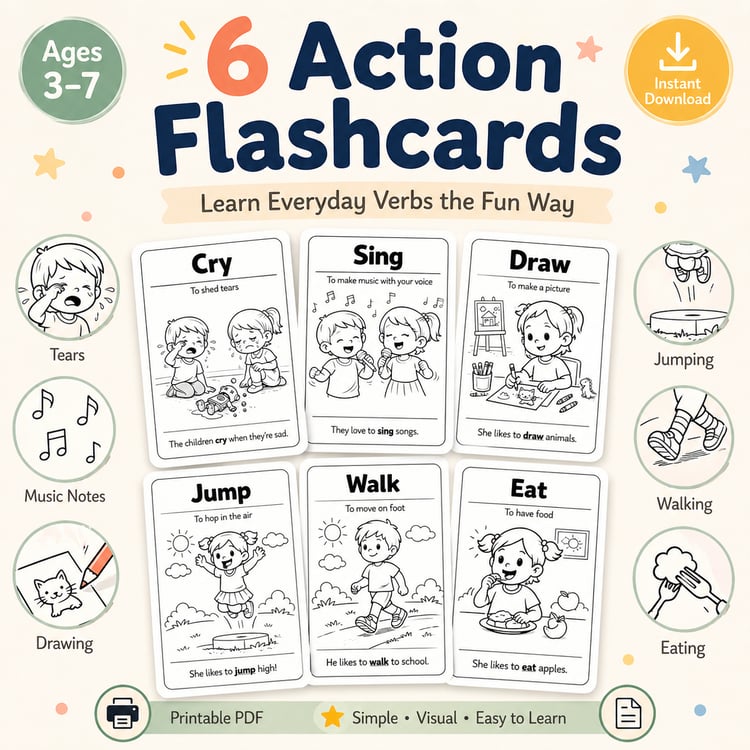
You’ll find printable flashcards, worksheets, and activities designed for kids ages 3–7.
Ready-to-Use Resources (Highly Recommended)
If you want to save time and use materials that are already tested and ready:
👉 https://payhip.com/MintoLoad/collection/all
This collection includes:
- Printable flashcards
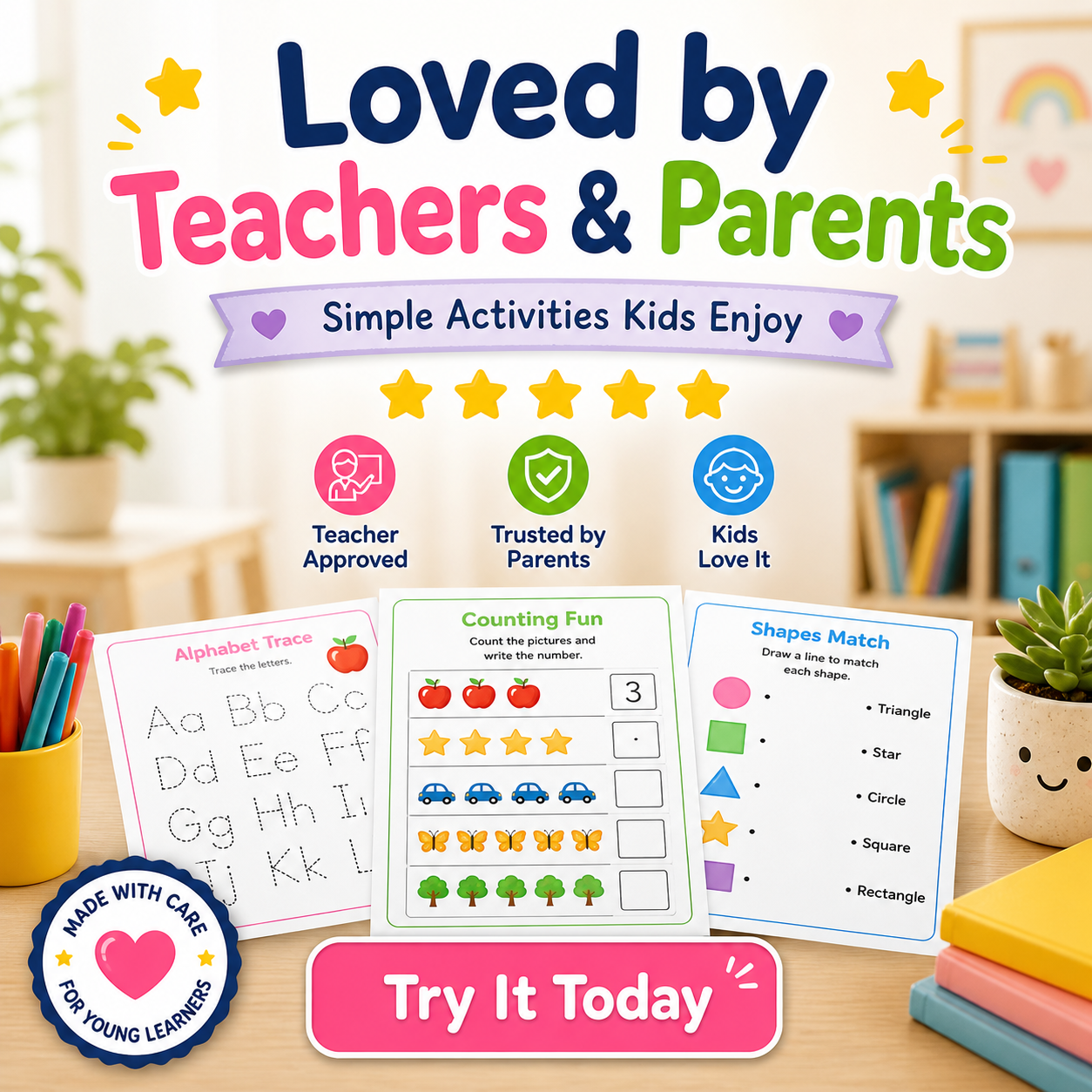
- Engaging worksheets
- Easy-to-use activities for young learners
Final Thoughts
Flashcards help kids start.
Worksheets help kids grow.
But the real results happen when you combine both.
👉 If your goal is real learning—not just quick memorization—
don’t choose one… use them together.
Comments ()