Your Cart
Loading

Where is your sensitive data, and can you get it back?

A customer asks where their records are kept. An insurer asks which systems hold personal information and whether you can restore them. Most organizations answer from memory, because the data sits in a shared mailbox set up years ago, an export on a laptop and a link nobody remembers creating.


Then the backup that reported success every night turns out to have skipped the one database the business runs on.

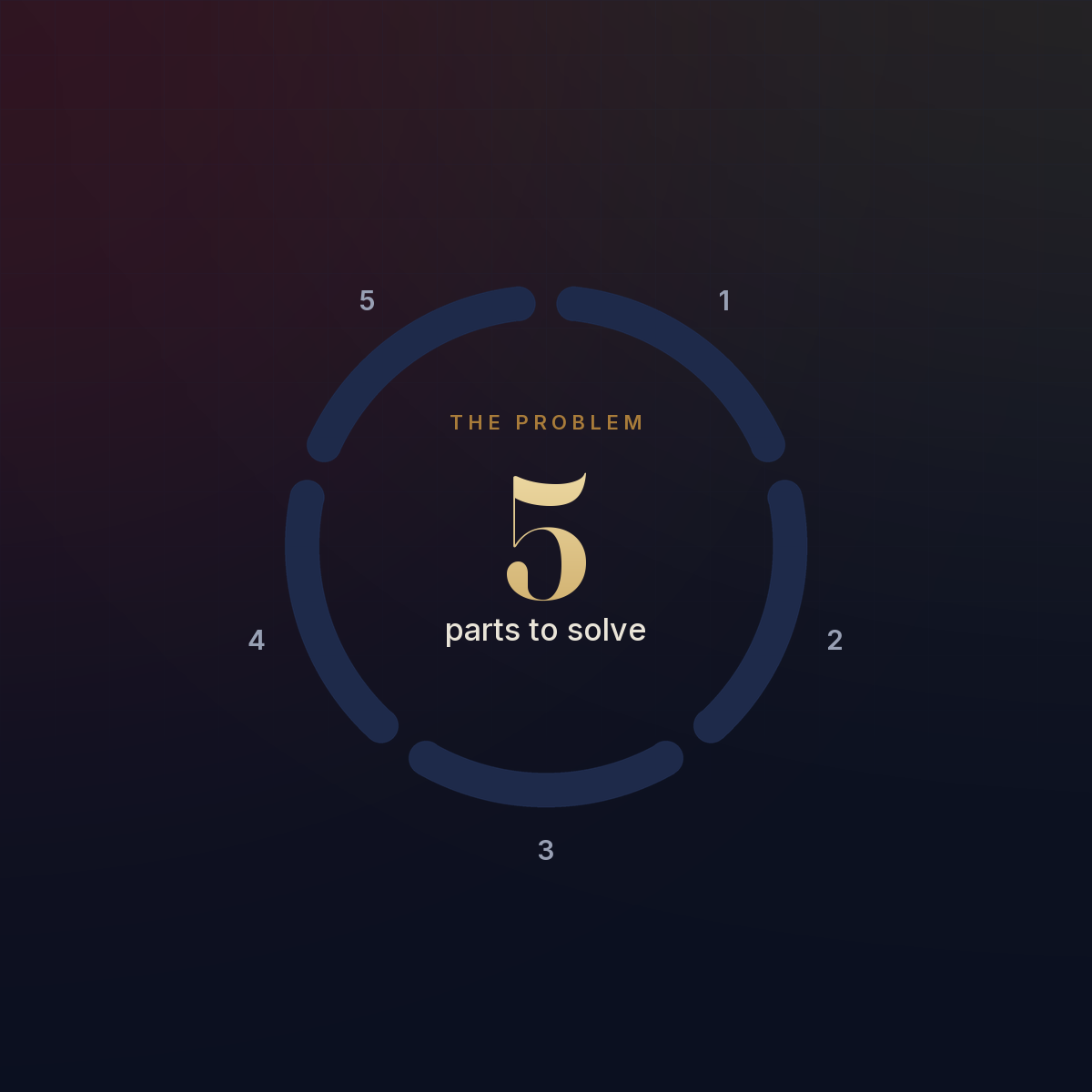
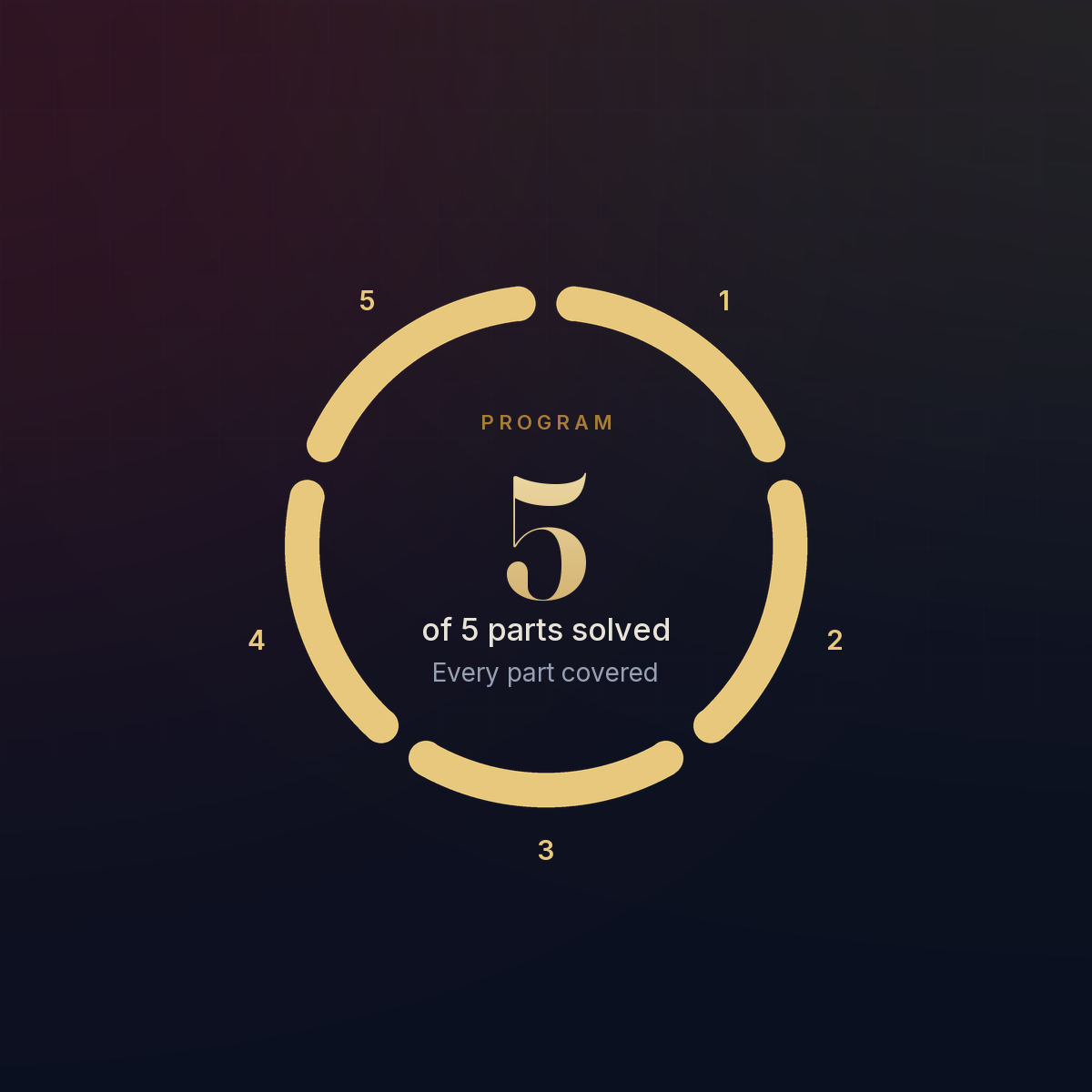
Coverage ring showing the five parts of the problem, all still open.

The problem has five parts.

Data protection is not one problem. It is five, and a backup service solves part of one of them at best.


1. You cannot say where your data lives. There is no register of data sets, owners or the vendors holding copies, so every question starts from scratch.


2. Everything is handled, and shared, the same way. Nothing is classified, so client files get the care of a lunch menu, and a link created in April is still open to anyone in September.


3. Nothing is ever deleted. No retention rule anyone agreed, so old records pile up as liability, and nobody can show what was destroyed or why.


4. Nobody has proved the backup restores. Jobs report success every night, but nobody has restored a system and timed it against how long the business can be down.


5. Nobody has decided the rules. No policy, no standard and no monthly review, and no plan for the first hours after data may have been exposed.

Find out which part is hurting you most.

START HERE, FREE


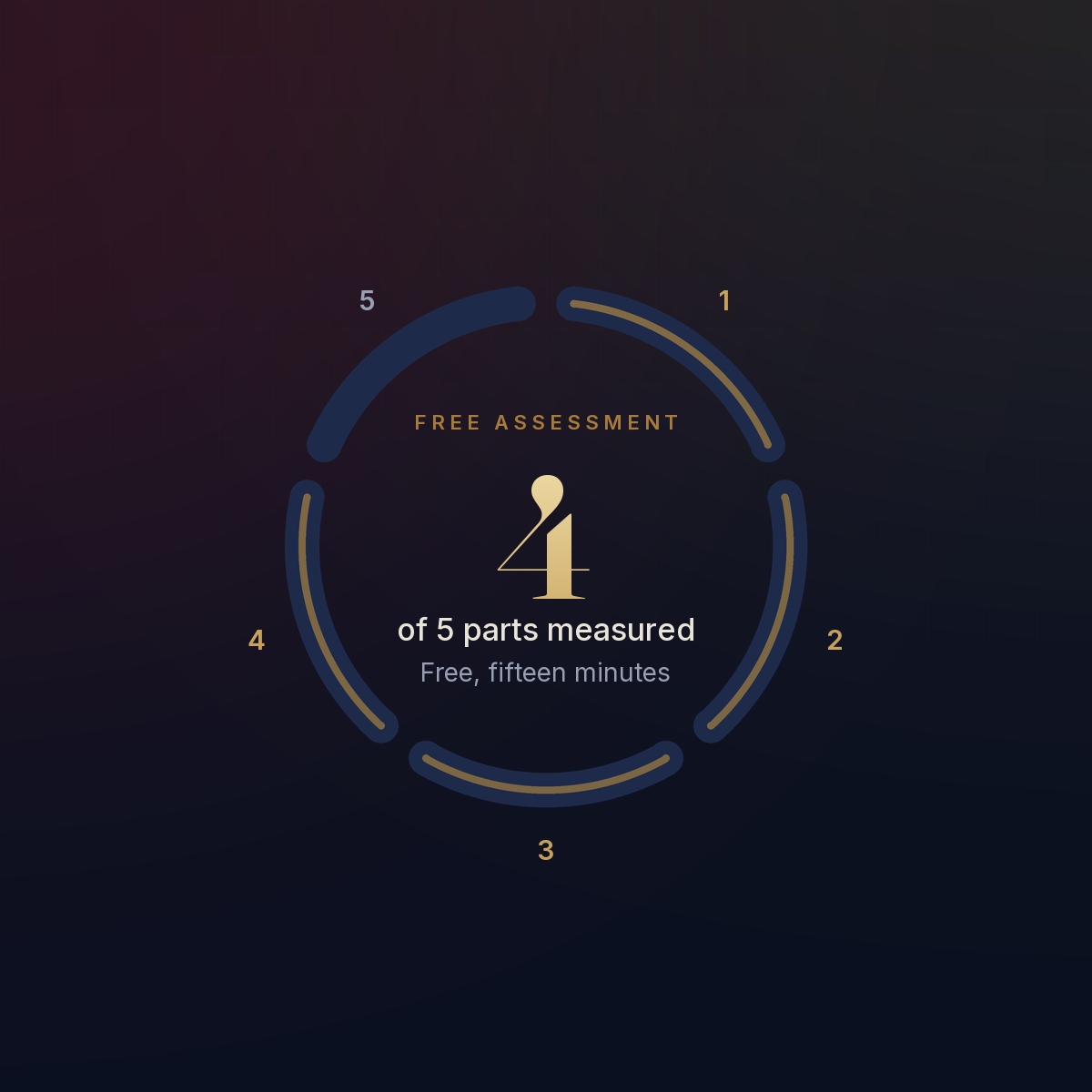
Twenty-four statements across eight capabilities and fifteen minutes. The Data Protection Quick Assessment places you at Reactive, Emerging, Managed or Integrated, and you only reach Integrated when every capability is at least halfway there, because a program is only as strong as its weakest part.


Measures: parts 1 to 4.


Solves: none of them, on purpose. It tells you which capability to fix first.

A Data Register, a retention schedule and a backup record.

DATA INVENTORY STARTER KIT, $9


Every data protection question starts with where. This kit builds the answer in two weeks, in one workbook with four forms.


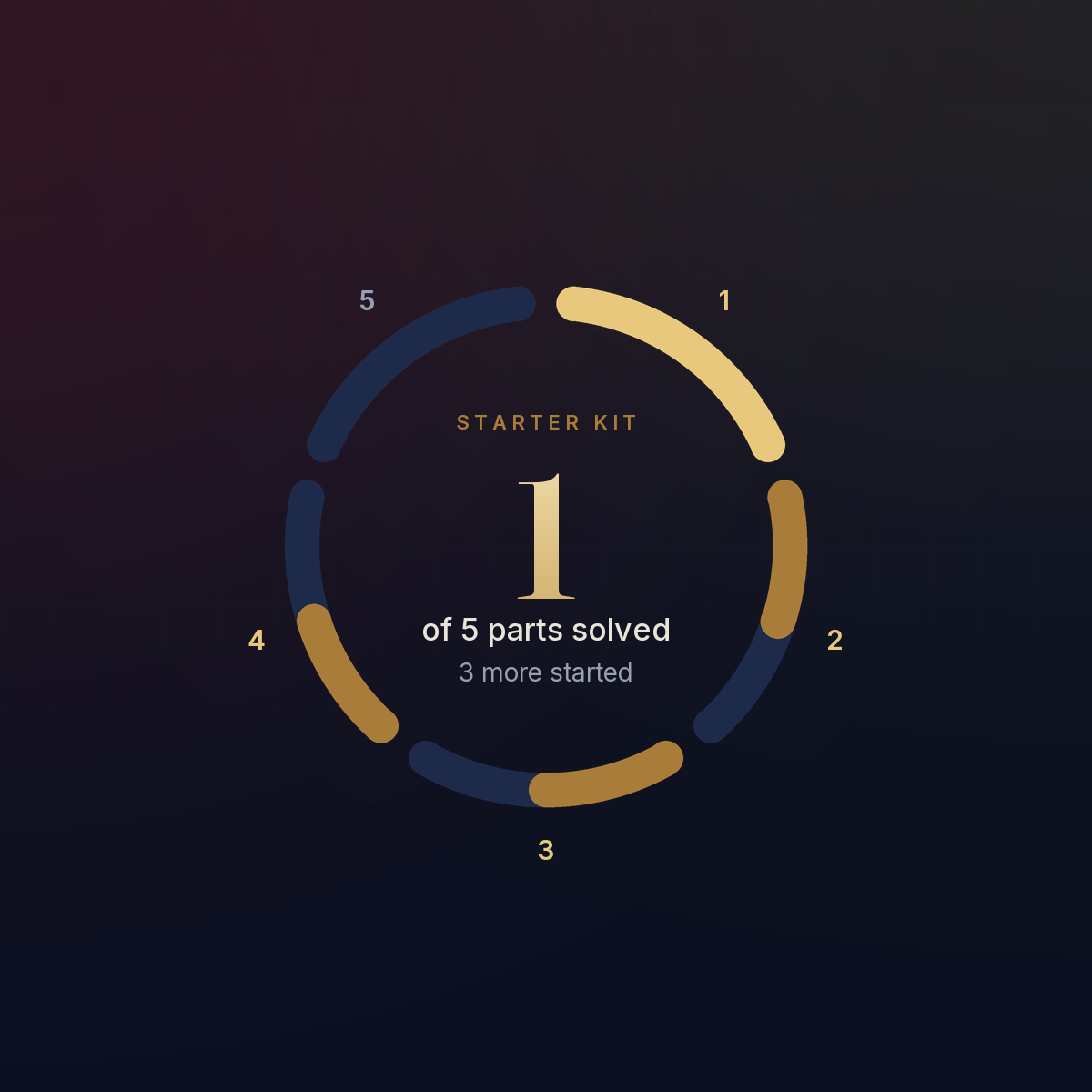
Solves part 1. The Data Register records each data set's location, owner, classification, regulated types, vendor and recovery tier, and flags data with no owner, unclassified data and vendors holding data with no agreement on file.


Starts part 2. Every data set carries a classification, and an external sharing request form records who approved a share. The handling rules and the sharing review are in the Toolkit.


Starts part 3. A Retention Schedule for the periods counsel agrees, and a flag on data with no rule. Legal holds and disposal records are in the Toolkit.


Starts part 4. Every system is checked against the 3-2-1 rule with an immutable or offline copy, and flagged if it has never been restore tested. Restore tests by recovery tier are in the Toolkit.


Still open: part 5. Nothing here sets the rules or reports on them yet.

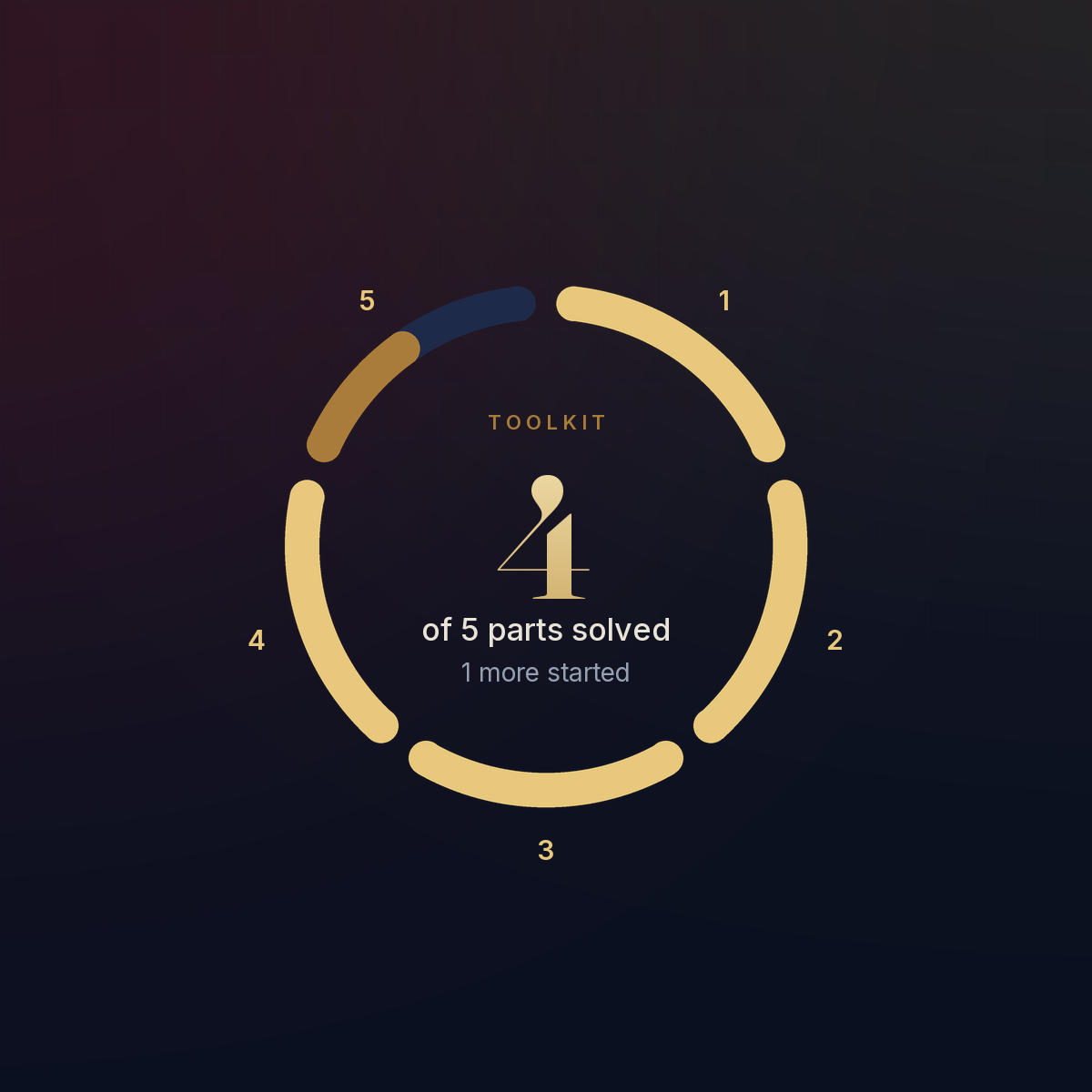
Coverage ring: the Toolkit solves parts 1 to 4 and starts part 5.

Every share reviewed, every restore proven.

DATA GOVERNANCE AND PROTECTION TOOLKIT, $39 AT LAUNCH


Data protection fails in ordinary ways. The Toolkit turns each of them into something someone looks at every month.


Solves part 1, with the full Data Register.


Solves part 2. A handling matrix sets the rules for each classification, and the Sharing Review tracks every external share of Confidential and Restricted data with its expiry and approval, flagging anyone-with-the-link shares, unrecorded shares and stale guests.


Solves part 3. The Retention Schedule respects legal holds, and a data disposal record shows what was destroyed, when and on whose authority.


Solves part 4. Restore tests fall due quarterly for Tier 1, twice a year for Tier 2 and annually for Tier 3, each recording the recovery point and recovery time achieved against the tier, and a failed test must be retested within 30 days.


Starts part 5. Exceptions checked against the Series III approval authority, a live monthly review agenda and a dashboard. There is no policy, standard or incident log yet.

Coverage ring: the Program-in-a-Box solves all five parts.

A data protection program clients and auditors can examine.

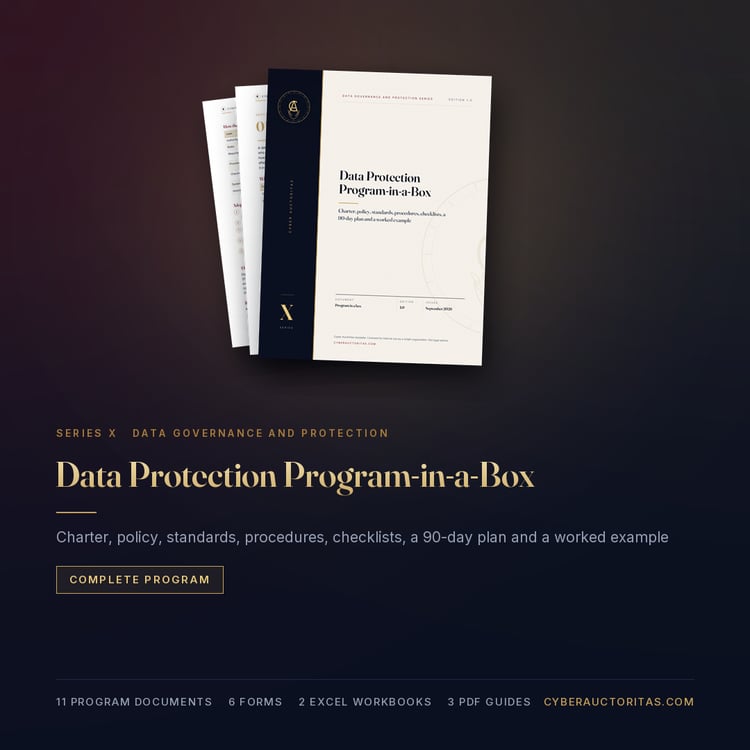
DATA PROTECTION PROGRAM-IN-A-BOX, $129 AT LAUNCH


A Data Register is a tool. A program decides how it is used: who owns each data set, which rules apply at each level, who may approve a Restricted share, how often restores are proven, how long records are kept and who decides, and what happens in the first hours after data may have been exposed. Adopt it in ninety days, after studying a fully worked example of an 85-person accounting firm six months in.


Solves parts 1 to 4, with the full Toolkit workbook, extended with twelve program metrics, a quarterly maturity review on the same eight capabilities as the free assessment and a 90-day plan tracker.


Solves part 5. A Data Governance Charter, a Data Governance and Protection Policy, Data Classification and Handling and Backup and Recovery Standards, procedures for the data inventory, access and sharing review, retention and disposal, and restore testing, a Data Exposure Assessment Checklist, and a Data Incident Log that gathers the facts for counsel and records who made the notification decision and when.


It gives no legal advice: retention periods and notification decisions stay with you and your counsel. Aligned to CIS Controls v8.1 Controls 3 and 11, NIST CSF 2.0, NIST SP 800-34 Revision 1, the NIST Privacy Framework and ISO/IEC 27001:2022 Annex A. It supports those requirements; it does not certify against them.

What no template can do for you.

Even a complete program needs someone to run it: to find the owner of the unclaimed shared mailbox, sit in on the restore test, and tell leadership plainly what data they hold and where it is. If you want that person, the practice provides senior security leadership on retainer.

Choosing the right one

Rather have us run the assessment?

The program is built for your own team to run. If you would rather have a practitioner assess your backup and recovery readiness with you, we run a focused assessment against NIST SP 800-34, the guidance written for it, booked through our EveryExpert profile.


The prices listed there are for organizations of up to 100 people. If yours is larger, start with a free 30-minute scoping call and we will quote a fixed scope and price.