Your Cart
Loading

You run a scanner. Do you know what to fix first?

The scan report lists several hundred findings, sorted by a severity score that knows nothing about which system faces the internet or which flaw attackers are already using. The laptops that never reached the inventory are not in it at all.


Most breaches that begin with a technical weakness begin with a known one, published and fixed by the vendor months earlier. When an insurer, a customer or the board asks what is exposed today and how fast you close it, the answer has to be more than a scan report.
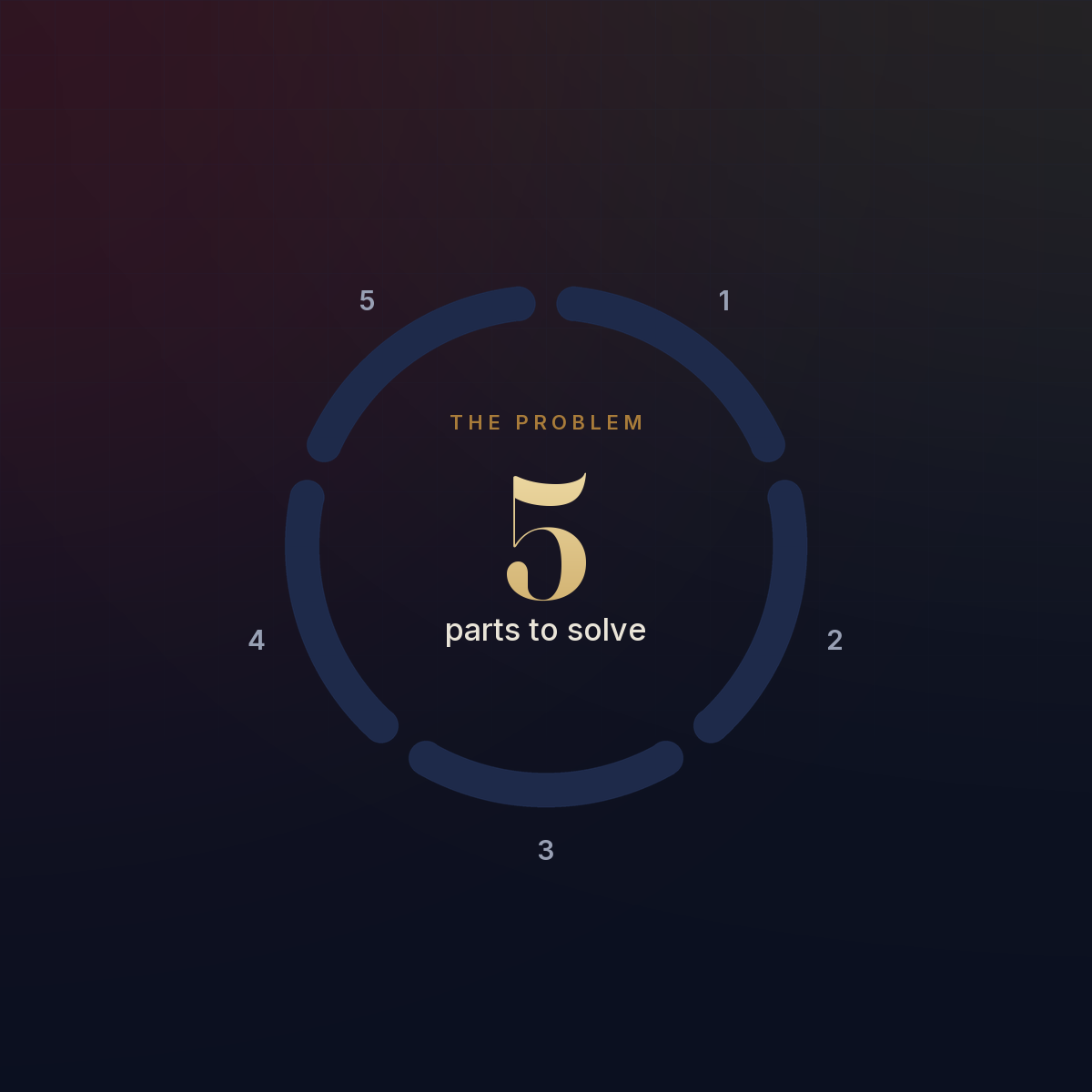
Coverage ring showing the five parts of the problem, all still open.

The problem has five parts.

Exposure management is not one problem. It is five, and a scanner on its own solves part of the first one at best.


1. You do not see everything you are exposed on. The scanner reaches what it happens to reach. Unmanaged laptops, a forgotten staging server and an internet-facing login nobody owns are never in scope.


2. Every finding looks urgent. Findings are sorted by severity score alone, so the flaw attackers are exploiting this week waits behind hundreds of cosmetic ones.


3. Fixes slip and nobody proves them. No deadline per finding, no patch schedule, and fixes marked done without a rescan to show they worked.


4. Unfixable weaknesses stay unfixed for good. The system that cannot be patched is quietly ignored, with no approver, no compensating control and no expiry.


5. Leadership cannot tell whether exposure is shrinking. No metrics, no monthly review, no written policy, and nothing to show an auditor or an insurer.

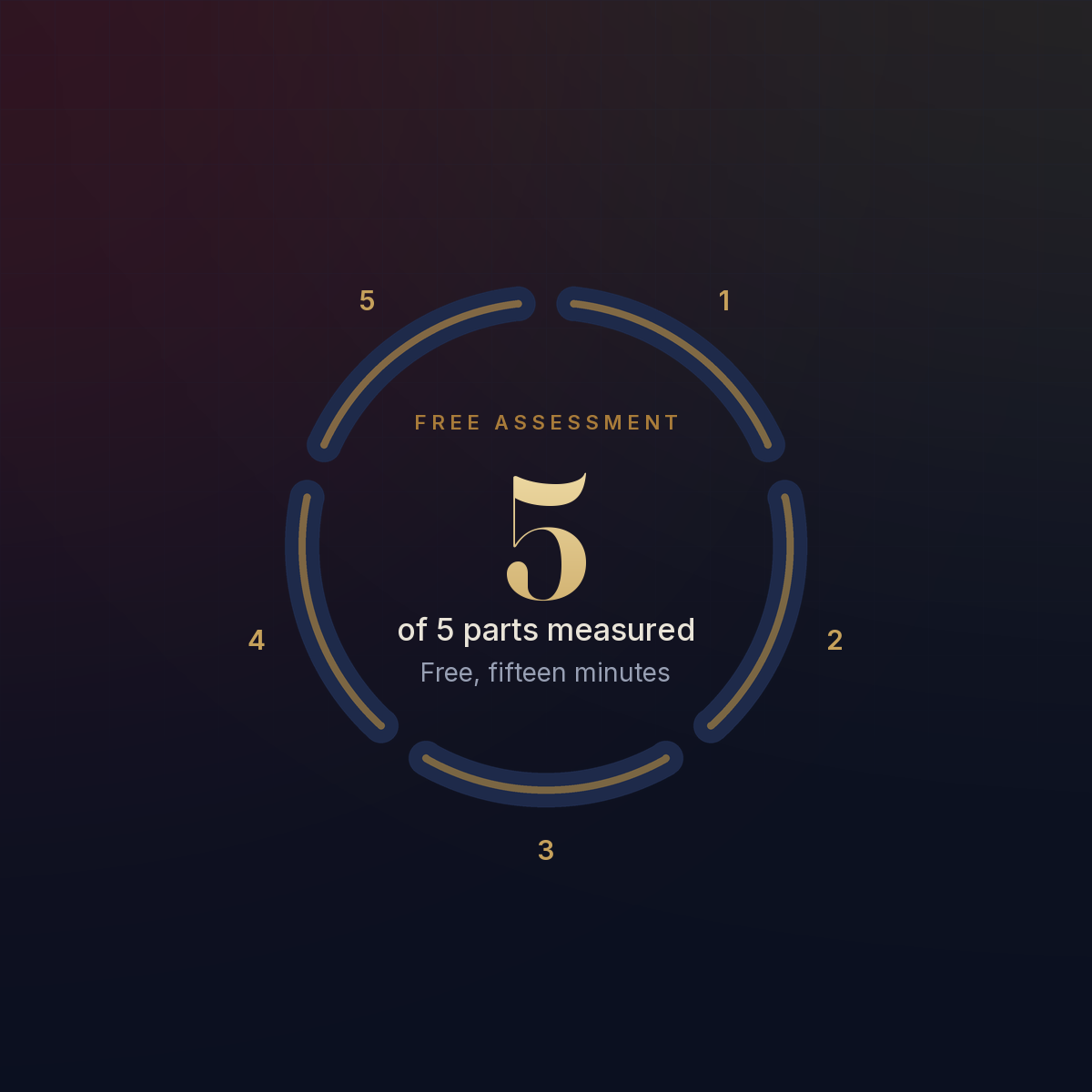
Coverage ring: the free assessment measures all five parts of the problem.

Find out which part is hurting you most.

START HERE, FREE


Twenty-four statements across eight capabilities and fifteen minutes. The Exposure Management Quick Assessment places you at Reactive, Emerging, Managed or Integrated, and you only reach Integrated when every capability is at least halfway there, because an attacker needs only the weakest one.


Measures: all five parts.


Solves: none of them, on purpose. It tells you which capability to fix first.

A deadline for every finding, exploited flaws first.

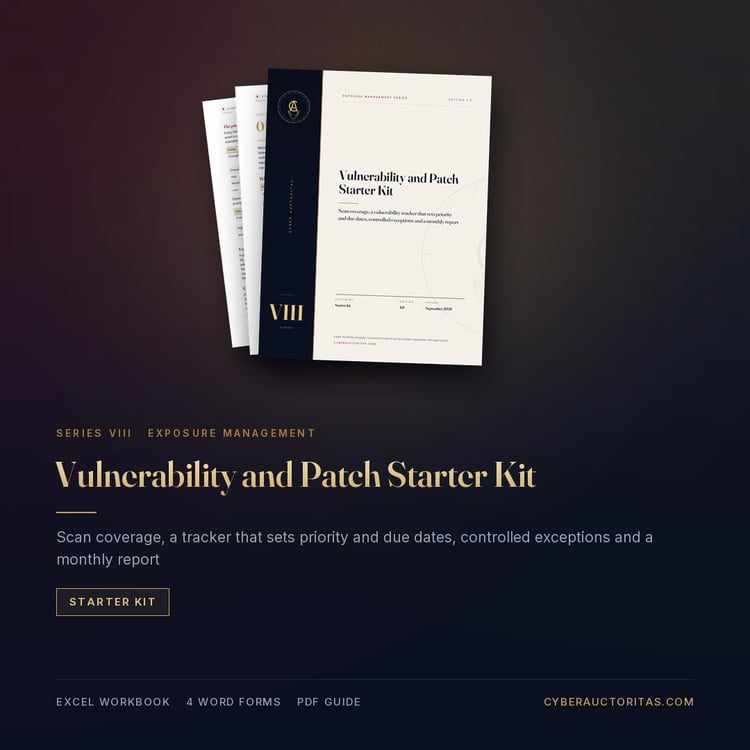
VULNERABILITY AND PATCH STARTER KIT, $9


One workbook in place of the scan report: scan coverage against your asset inventory, a tracker that calculates every finding's priority and due date, checked exceptions and a one-page monthly report.


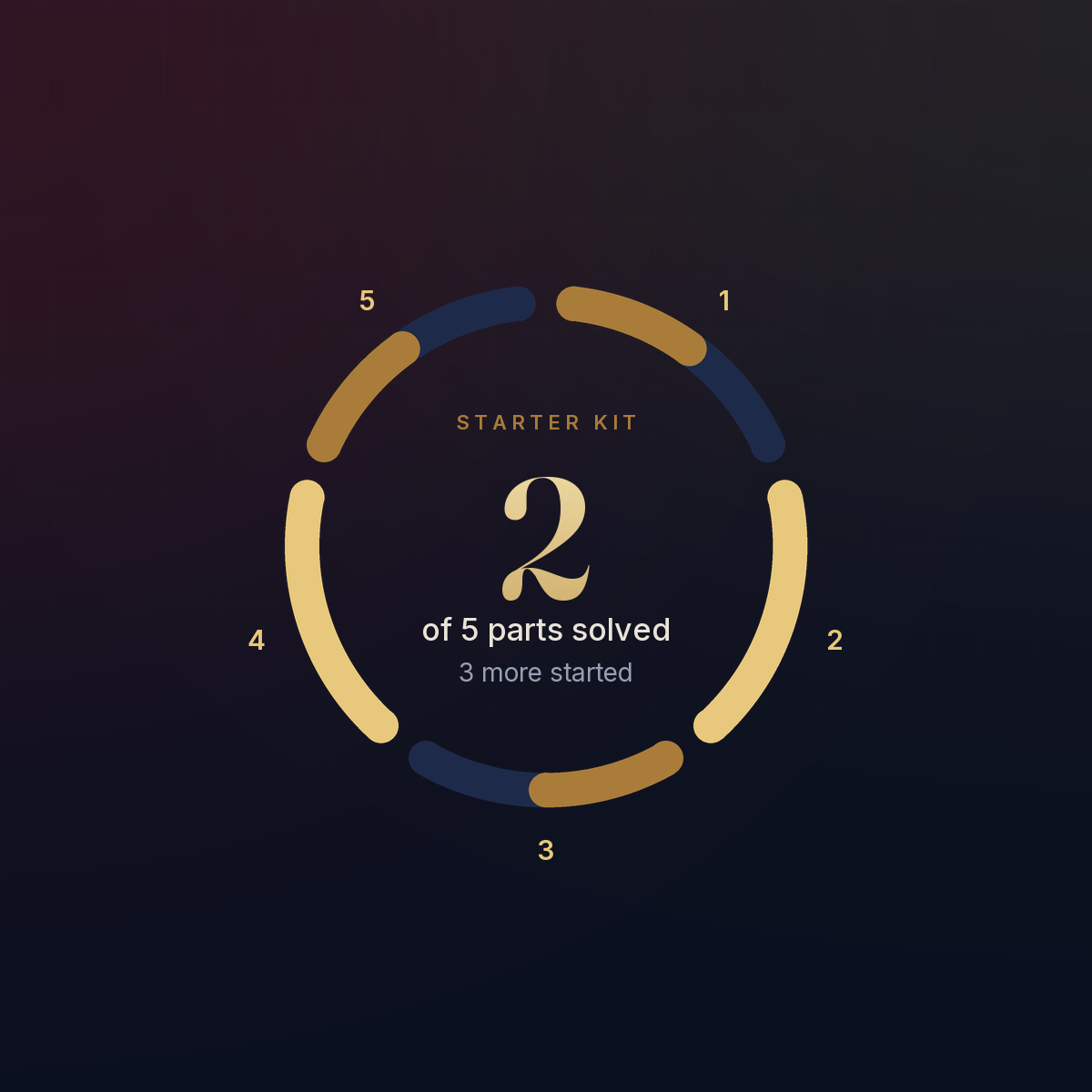
Starts part 1. Scan coverage against a 95 percent target, with flags for assets missing from the inventory, never scanned or scanned without credentials. The register of internet-facing services is in the Toolkit.


Solves part 2. Priority comes from known exploitation, the asset's criticality and internet exposure, the CVSS score and an optional EPSS score. A known exploited flaw on an internet-facing or Critical asset is Emergency: contained in 48 hours, fixed in 7 days.


Starts part 3. Every finding gets a due date, and closure needs a rescan date. The monthly patch cycle across maintenance groups is in the Toolkit.


Solves part 4. Every exception is checked against the approver and the maximum duration its priority requires.


Starts part 5. A one-page monthly report. The dashboard, metrics and written policy come later.

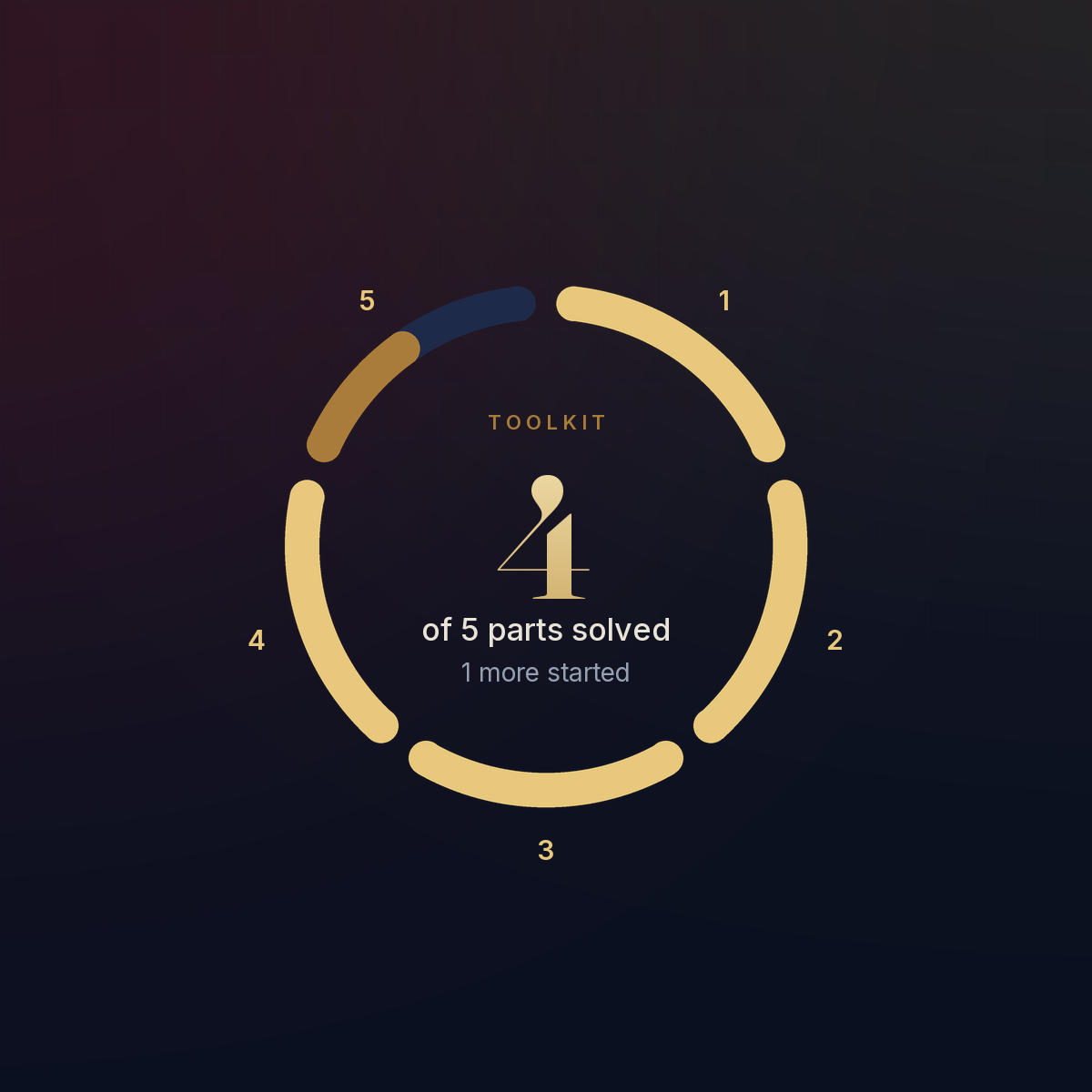
Coverage ring: the Toolkit solves parts 1 to 4 and starts part 5.

The whole cycle, from scan to proven fix.

EXPOSURE MANAGEMENT TOOLKIT, $39 AT LAUNCH


Know what you have, scan it, decide what comes first, patch it, prove the patch worked and report what is left. The Toolkit puts a control on every step and shows the result in one workbook.


Solves part 1. Scan coverage, plus an External Exposure register that flags unowned services, exposed administrative logins, missing multi-factor authentication and overdue quarterly reviews.


Solves part 2, with the same priority model and a flag on every priority override.


Solves part 3. A Patch Cycle tab tracks pilot, broad and critical maintenance groups against their windows, and the tracker flags overdue findings, Emergency findings uncontained after 48 hours, closures without a rescan and reopened findings.


Solves part 4. Exceptions are checked against the Series III approval authority, with 90 days at most for Emergency and Critical findings.


Starts part 5. A live monthly review agenda, a trend and a dashboard with aging, scan coverage and mean time to remediate. There is no charter, policy or written standard yet.

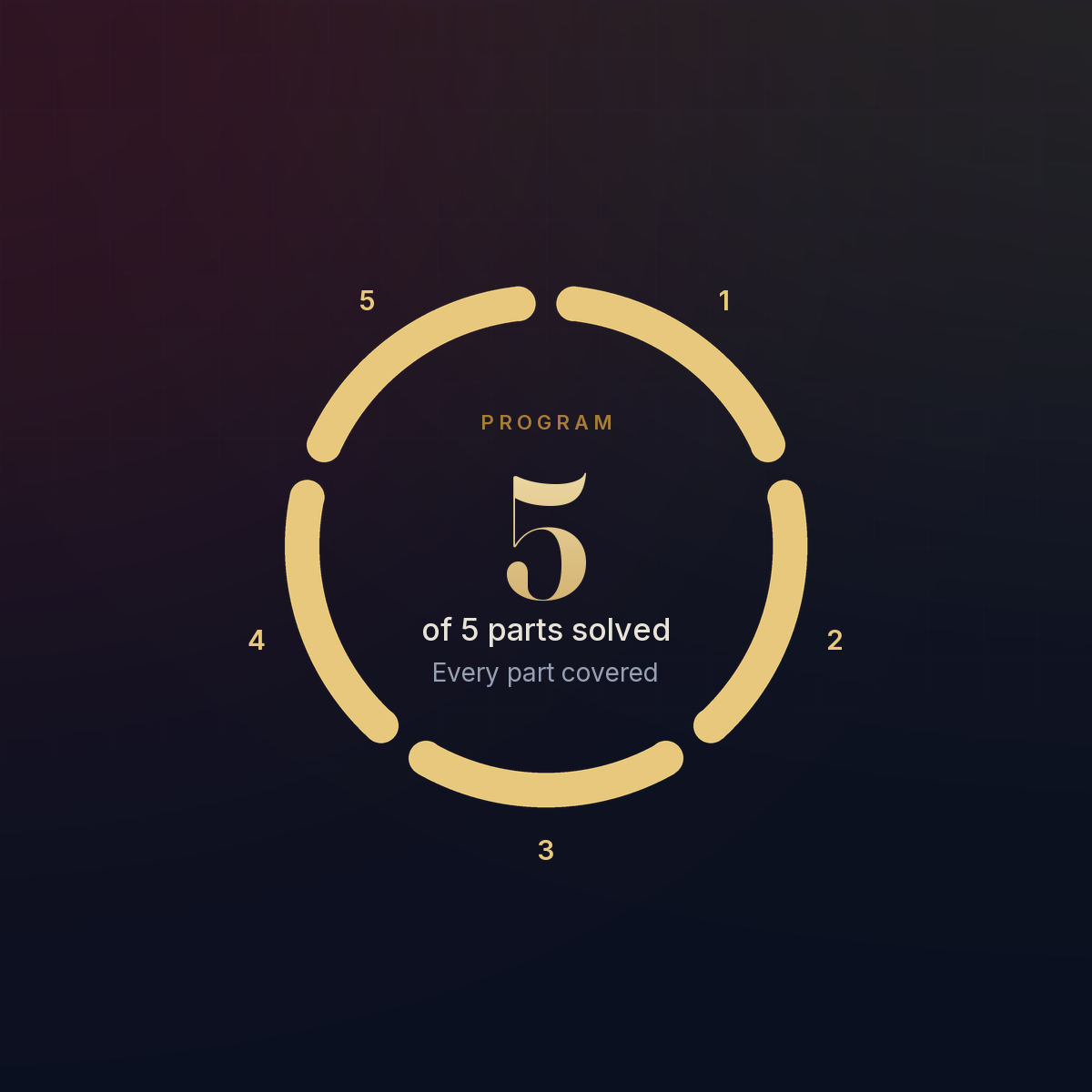
Coverage ring: the Program-in-a-Box solves all five parts.

An exposure program you can show an insurer.

EXPOSURE MANAGEMENT PROGRAM-IN-A-BOX, $129 AT LAUNCH


A scanner and a patching tool are not a program. The program is the set of decisions around them: what must be scanned and how often, how fast each priority must be fixed, who may leave a weakness unfixed and for how long, and how leadership sees whether exposure is shrinking. Adopt it in ninety days, after studying a fully worked example of a 140-person manufacturer six months in.


Solves parts 1 to 4, with the full Toolkit workbook, extended with eleven program metrics, a quarterly maturity review on the same eight capabilities as the free assessment and a 90-day plan tracker.


Solves part 5. An Exposure Management Charter and Policy, a Vulnerability Prioritization and Remediation Standard, a Scanning and Coverage Standard, procedures for remediation, patch management, emergency patching and external attack surface review, and monthly patch cycle and emergency patch checklists.


Aligned to NIST SP 800-40 Revision 4, NIST CSF 2.0, CIS Controls v8.1 Control 7 and ISO/IEC 27001:2022 Annex A 8.8. It supports those requirements; it does not certify against them.

What no template can do for you.

Even a complete program needs someone to run it: to chair the monthly review, refuse an exception that has no compensating control, and tell leadership plainly what is still exposed. If you want that person, the practice provides senior security leadership on retainer.

Choosing the right one

Rather have us run the assessment?

The program is built for your own team to run. If you would rather have a practitioner assess your vulnerability and patch management with you, we run a focused assessment against NIST SP 800-40, the guidance written for it, booked through our EveryExpert profile.


The prices listed there are for organizations of up to 100 people. If yours is larger, start with a free 30-minute scoping call and we will quote a fixed scope and price.