

20 Ecommerce Tips for New Entrepreneurs
Congrats on taking the first step to building an ecommerce store. Learning how to build an online store can be fun, but it always helps to pick up a few tricks from someone who has succeeded in online sales. In this post, we’re going to share 30 ecommerce tips to help you on your journey to online selling.
20 Ecommerce Tips for New Entrepreneurs
1. Choose a Profitable Niche
The most important ecommerce tip is to pick a niche that’s not only profitable but one you also enjoy. Obsession is the name of the game for achieving success. If you’re only picking something for its ability to make money, you won’t be able to stick with it for years on end. The passion you have for a niche will drive you to achieve big results. The most profitable niches tend to be fitness, relationships, personal finance, digital products, jewelry, clean beauty, and AI.
2. Solve a Specific Customer Problem
Most people create a product without considering the biggest pain point for customers. In every niche, there’s a burning issue that people are trying to overcome. The closer you align your products with the exact pain point, the more likely you are to generate the sales revenue you actually want. If you provide a process or system to help people overcome the challenge they’re facing in the niche, they’ll actually enjoy your product enough to maybe recommend it to someone.
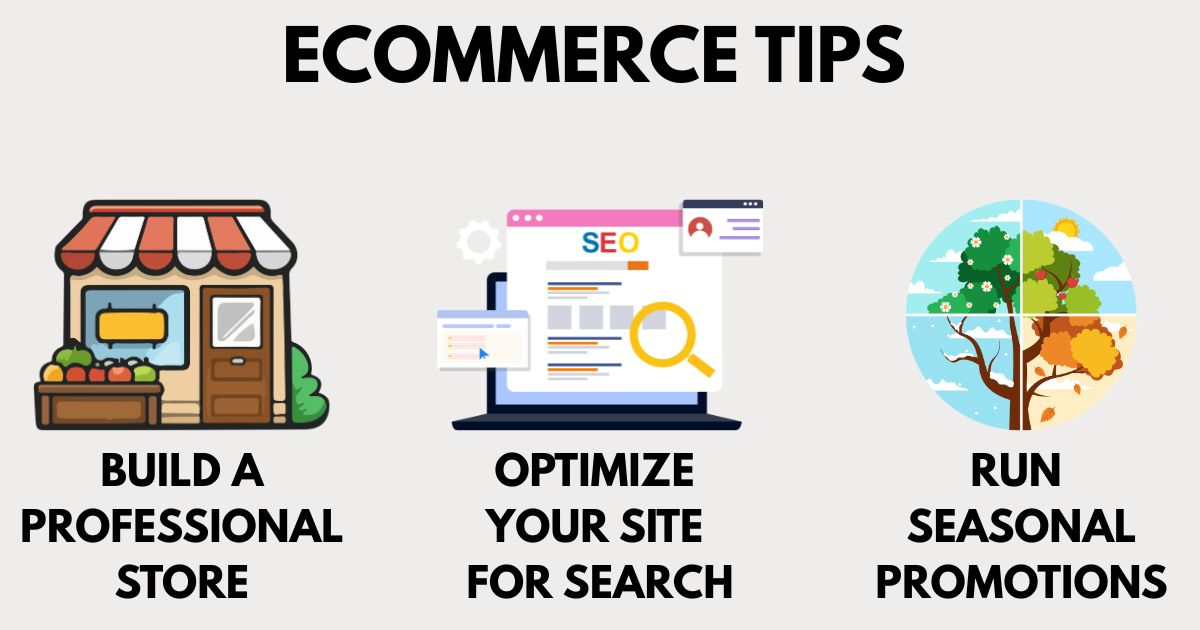
3. Create a Professional Store
Your online store is your first impression on visitors. While not everyone has design skills, you can use pre-made templates or follow the instructions on Payhip to learn how to make your site look like the demo. Many Payhip users add custom code to their website using AI to help design the theme layout they want. You don’t need to have any technical experience to set everything up. All you need is a bit of patience to go through the process to design an ecommerce site that you’re proud of.
4. Write Product Descriptions That Sell
The next ecommerce tip to consider is writing product descriptions that are optimized for both search and readers. Many online stores label their product names as brand names rather than search-based names. If you want to get organic sales from search, using keyword-based product titles will help you rank faster and more effectively. When writing product descriptions, include all product specifications and the key benefits the product offers.
5. Use High-Quality Product Images
Most people make purchases based on the product photo. When selling visual items like ebooks, blankets, results, and more, you want clear images that highlight the product’s main features and help sell you on buying it based on the photo. For example, we’ve all heard that people will buy books based on the cover design, so even when selling digital products, a great product photo can’t be denied. In fitness, you might have before-and-after photos showcasing the results of your products to entice people to sign up. When taking or designing photos, always let a professional photographer or designer use their skills to help you sell digital products more effectively.
6. Add Product Videos
Another ecommerce tip to consider is to add product videos. Videos have higher conversion rates than photos. You can add a talking head video to your landing page for your online course to help people get excited about learning your course material with you as an instructor. You can also use videos to introduce concepts in your ebooks or other digital products. Videos where people share testimonials can also be a great way to help you sell more products on your product page. You don’t need to be in the video for it to be an effective sales tool.
7. Optimize Your Store for Mobile
When selling products on Payhip, you can rest assured that your website will be mobile responsive, so you can attract users on all devices, from their phones to their tablets to their computer monitors. However, not all ecommerce platforms are made equal. If selling on another platform, you might need to optimize your website for mobile devices to ensure your design fits all screen sizes and formats.
8. Improve Your Site Speed
When selling online, your site speed matters. The faster your website speed, the higher your conversions will be. Why? Well, people often bounce or leave a website that takes too long to load. You can use free tools to compress your website photos so they download faster. Some tools can even compress your entire website to help you drastically improve your site speed. Overall, avoid adding large image file sizes to your website. Always compress photos and videos before uploading them to achieve the best results.
9. Customize your Checkout
Some ecommerce platforms don’t allow you to customize your checkout. Often, especially in the digital products space, the platform is a Merchant of Record. Payhip allows you to customize your checkout with your own branding to help you create a stronger brand identity on the platform. You can customize colors, add a logo, change the buy now button color, and more.
10. Offer Multiple Payment Methods
Another ecommerce tip to remember is that most buyers aren’t in the same city or even the same country as you. With ecommerce, you can truly sell internationally. When selling internationally, it’s important to realize that not all countries have access to the same payment methods as they would to the average American online store. Payhip offers 13 payment gateways, which offer over 100 payment methods. When selling online, you can reach customers in countries across North America, Europe, Asia, Africa, South America, and Australia.
11. Build an Email List Early
Your email list is one of the most powerful channels you can own when building an ecommerce site. Start building your email list from day one. You could have a lead magnet where you have a free mini-ebook to collect email addresses that you funnel into a paid product. When you start sending emails that promote your products, you’ll be able to make sales from your email list as it grows. The secret to building an email list that converts is to build a list of a relevant audience. For example, if you create fitness tutorials, your email list should be people who are interested in fitness. If your online store is a mix of niches, your email list won’t be as effective at converting sales. Remember, even Amazon sends personalized emails based on search intent, relevancy matters. Also, don’t forget to send abandoned cart emails to customers to help recover some sales.
12. Use SEO to Generate Free Traffic
Another ecommerce tip to keep in mind is that SEO is still king. A lot of people falsely believe that AI has taken over search so it’s nowhere near as powerful as it once was. However, search is still the biggest mover for sales for most ecommerce businesses. Even more than social media for you doomscrollers out there. Depending on your niche, you should consider creating landing pages for your website. Landing pages aren’t just a targeted product landing page. You can create them for multiple areas of interest. For example, if you sell coaching services, you could create landing pages by city, by niche, and by most common client pain points.
13. Start a Blog
An ecommerce tip for a beginner would be to start a blog for your online store. The more content and web pages your site has, the more traffic you’ll get. Having a singular niche makes starting a blog easier because you can center your blog around that niche. The more blog content you write the more likely you are to be found by potential customers. Writing SEO-optimized blog posts is possible on Payhip as the platform automatically includes a blog CMS on even its free plan. As an ecommerce store, you can create content on gift guides if you sell physical products. You could write about your niche that you coach where you share your tips and best practices based on popular keywords. If you sell ebooks, you could create listicles of the best books by niche while plugging your books in some of the articles.
14. Create Content on Pinterest
Online retailers can boost their ecommerce sales by adding pins to their product pages on Pinterest. Pinterest is not a platform for posting a series of products and then abandoning it. Like all social media platforms, Pinterest requires you to stay active on the platform, constantly adding new content over time. Serious pinners will add new pins primarily on weekends when Pinterest tends to be most active. You should also add multiple unique pins for the same link, but don’t overdo it because you don’t want to get triggered for spam. Pinterest is also a great amplifier for search content. When something goes viral on Pinterest, often the Google ranking for that page goes up as well; in SEO, we call this social signals.
15. Post on Social Media Consistently
When building a brand, you want to be consistent about how often you promote yourself. Dedicating time to posting on social media every day will help you build the habit of building brand awareness. Setting a firm time every day to post on social media will make the habit more routine for you. Depending on the platform, creating posts doesn’t have to take up too much time. You could create a quick one-minute video educating your users or talking about a popular topic on the platform and upload that. With practice, you’ll be able to create content even faster that performs better because you’ll constantly be evaluating your wins.
16. Encourage Customer Reviews
When a customer receives their product or emails your brand to share a positive experience with your product, always ask them to leave a positive review on the product page. If they can add photos or videos to the review, even better. Overall, reviews help people make informed buying decisions. The more positive reviews you have, the more likely you are to get boosts in sales. However, if you have a few negative reviews on your post, don’t fret. Straight five-star reviews look fake to most buyers, but a 4.5-star review often looks more honest. So, if you have a high but imperfect score, you might actually get more sales from buyers who trust your brand.
17. Upsell and Cross-Sell Products
An ecommerce tip that helps boost your overall sales is to both upsell and cross-sell your products. Fortunately, on Payhip, you can do both for free. For example, if you sell ebooks about romantic relationships, an upsell could be a more expensive relationship course or 1:1 coaching you provide. However, for a cross-sell, you might offer another product that’s a bit smaller in scope, such as a meal plan book for your fitness course or an audiobook version of your ebook.
18. Offer Product Bundles
Ecommerce tips about bundling are always about maximizing your sales. You can easily bundle products on Payhip to help you increase your average order value. Some digital products work particularly well for bundles. The secret is to give people even more of what they want. For example, you might bundle all of your Lightroom Presets in one big bundle while also having individual ones for sale. You could also bundle your ebooks by niche category so people can feel like they’re getting a good deal by getting multiple books for one fee. Bundles could be slightly discounted to attract more sales, but you don’t need to discount them too heavily if it would hurt your profits.
19. Run Seasonal Promotions
One of the best tools for understanding seasonality is Google Trends. It allows you to see the seasonal peaks for specific keywords. For example, if you sell sunglasses, you’ll see that search volume tends to peak around May and June, which is the start of the summer months. That way, when you sell sunglasses, you’ll want to ensure your ads run during those two months to capitalize on your sales. If you’re doing media outreach to promote your sunglasses, you’ll want to reach out to publications a few months before then so you can promote them when people are actively shopping for them.
20. Focus on Customer Support
Finally, the most important ecommerce tip is to be customer-centric. Your customers are your lifeline. All your decisions should be based on their needs, not your own. If you get a ton of support emails about a specific topic, that could be the ideal product for you to create or a course lesson to add. Overall, you want to listen to what your customers want and serve them. Go above and beyond for your customers, and you’ll find they’ll keep buying your products.
Frequently Asked Questions
What’s the best way to grow an ecommerce business?
The best way to grow an ecommerce business is to build an online store and build domain authority on it. You can build domain authority by writing blog posts, adding landing pages, getting natural backlinks on your product pages and other content, and refreshing your content with new details every year.
How can I increase ecommerce sales?
You can increase ecommerce sales by spending a lot of time marketing your products. Many sellers look for easy ways to spam-promote their products, like adding links to social media groups, commenting on posts about it, or creating a couple of social media posts about it. However, the hard work that people avoid requires more of a lift. For example, if you sell ebooks, how many publications did you pitch your book to, such as “best books” articles. You’ll likely find thousands of sites where you can do cold outreach to promote your books. If you’ve created an online course, are you posting reels on social media to build an audience that would want to buy that course? Overall, you need to think in terms of getting as much exposure as possible and building an audience.
What are the biggest ecommerce mistakes?
One of the biggest ecommerce mistakes people make is spending too much time designing their website or creating their products, but leaving little time to invest in marketing. Most sellers burn out from all the work they put into building the website and the product, so they’re drained when it’s crickets after their launch. One thing to keep in mind is that marketing your product before you launch it, via building an email list or social media channels, will allow you to have a bigger sales splash at launch. Think of your online store as a long-term business where you’ll invest years into growing the brand, adding new products over time, and more, rather than a quick way to make money, and you’ll be well on your way to achieving your financial goals.
How long does it take to grow an online store?
It takes years to grow an online store. While you can build an online store in minutes, building a brand that’s established in the marketplace where you become influential on your corner of the internet takes years. The biggest brands you constantly hear about today have actually been around for over ten years. You need to devote years to building an audience, creating the right products, and repeating.
Is SEO important for ecommerce?
Yes, SEO is important for ecommerce. An online store is still a website, so you can and should build domain authority on it. Plus, search is still the biggest source of revenue and traffic for most online stores. Yes, it even beats social media. Investing in content by writing blog posts and landing pages will help you build an audience of relevant users on your site. Plus, don’t forget to do backlink outreach too.
Should I focus on paid ads or organic traffic?
Paid ads are great for impulse-buy products on social media. If you sell something that’s really catchy or attention-grabbing, paid ads can convert well for you. Keep in mind that paid ads can cost a lot of money and do eat into your profit margins. They’re not a turn-on-and-become-rich tactic either. However, paid ads will help you earn money faster than organic. Yet, organic will help you grow your business at a scale that most budgets can’t afford. You just need to be patient as you develop your search strategy, which can take years to build and maintain. However, most businesses thrive on organic traffic rather than paid ads.
What’s a good ecommerce conversion rate?
A good ecommerce conversion rate hovers around 2% to 4%. An exceptional ecommerce conversion rate can reach up to 10%. The average conversion rate is likely closer to 1% or under.
How often should I add new products?
If you’re selling physical products, you should add new products every week, such as ten to twenty new products. However, if you’re selling digital products, you should aim to release a new product every 3 months to build a product backlog for people to buy.
How do I get repeat customers?
You can attract repeat customers by selling replenishable products, such as coffee beans, popcorn, and journals. You can also get repeat customers by emailing your customers new products that match their interests. Offering coupon codes for email users can also be a good way to showcase loyalty to previous customers.
What’s the best ecommerce platform for beginners?
The best ecommerce platform for beginners is Payhip. Payhip is a no-code, easy-to-use online store builder. Unlike most ecommerce platforms, you can actually sell your products on Payhip without any monthly subscription fees. Plus, you can access a ton of free marketing tools that are built in. Payhip offers all features on its free plan, making it ideal for beginners on a tight budget.


Payhip
Join over 130,000 creators who have launched their businesses selling digital products, online courses, memberships, coaching, and physical products.
Get started for free today
Comments
Leave a Comment