


20 Best Platforms to Sell Digital Products in 2026
Last updated: June 30, 2026
Digital products are among the best products to sell because they often have low overhead, higher margins, and solve a problem. Finding selling platforms is easy, as there are many options available. On this list of the best platforms to sell digital products, you will find a free online store builder alongside other online selling platforms. These platforms include digital marketplaces and other features to help you sell more digital products online.
So, whether you’re selling software, ebooks, online courses, art, coaching services, or any other type of digital product, you’ll likely find some of the best digital platforms to sell digital products on this list.
Key takeaways
The best platforms to sell digital products are:
- Payhip
- Shopify
- Podia
- BigCommerce
- Gumroad
- SendOwl
- Etsy
- Thinkific
- Teachable
- Wix
Platform Comparison
| Platform | Forever Free Plan | Lowest Pricing | Key Features | Best for |
| Payhip | Yes | Free (5%) | Generous forever-free plan, free website builder, sell all types of digital products, VAT handled, powerful marketing tools | All-in-one platform for selling any digital products |
| Shopify | No | $39/month | Store builder, app ecosystem, multi-channel selling | eCommerce stores |
| Podia | No | $33/month + 5% | Courses, downloads, webinars, community | Beginners + creators |
| BigCommerce | No | Trial only | Advanced SEO, multi-channel selling, enterprise tools | Enterprise businesses |
| Gumroad | Yes | Free + 10% | Simple storefront, memberships, license keys | Simple digital selling |
| SendOwl | No | Paid plans | Checkout system, subscriptions, drip content, PDF stamping | Checkout + delivery |
| Etsy | Yes | Free + fees | Marketplace access, built-in audience | Creative products |
| Thinkific | No | Trial only | Course builder, quizzes, unlimited students | Course creators |
| Teachable | No | $39/month | Course builder, coaching, memberships | Course creators |
| Wix | Yes | Free (limited) | Website builder, templates, bookings, AI tools | Websites + services |
| DPD | No | $10/month | File delivery, secure downloads, external links | File hosting |
| Easy Digital Downloads | No | Free plugin | WordPress integration, cart, reporting | WordPress digital stores |
| Creative Market | No | Free to list | Marketplace for templates, graphics, fonts | Designers |
| Udemy | Yes | Free | Course marketplace, large audience, distribution | Course exposure |
| Envato Market | No | Free to list | Multi-marketplace network, analytics, audience access | Digital assets |
| Squarespace | No | $16/month | Website builder, memberships, scheduling, subscriptions | Content + service sites |
| Sellfy | No | $29/month | Store builder, print-on-demand, subscriptions | Creators + merch |
| WooCommerce | Yes | Free (extra costs) | Open-source store, plugins, full customization | Developers |
| Patreon | Yes | Free + % fee | Memberships, recurring payments, community | Membership businesses |
| Stan Store | No | $29/month | Link-in-bio store, simple checkout, digital delivery | Social media creators |
20 Best Platforms to Sell Digital Products in 2026
1. Payhip
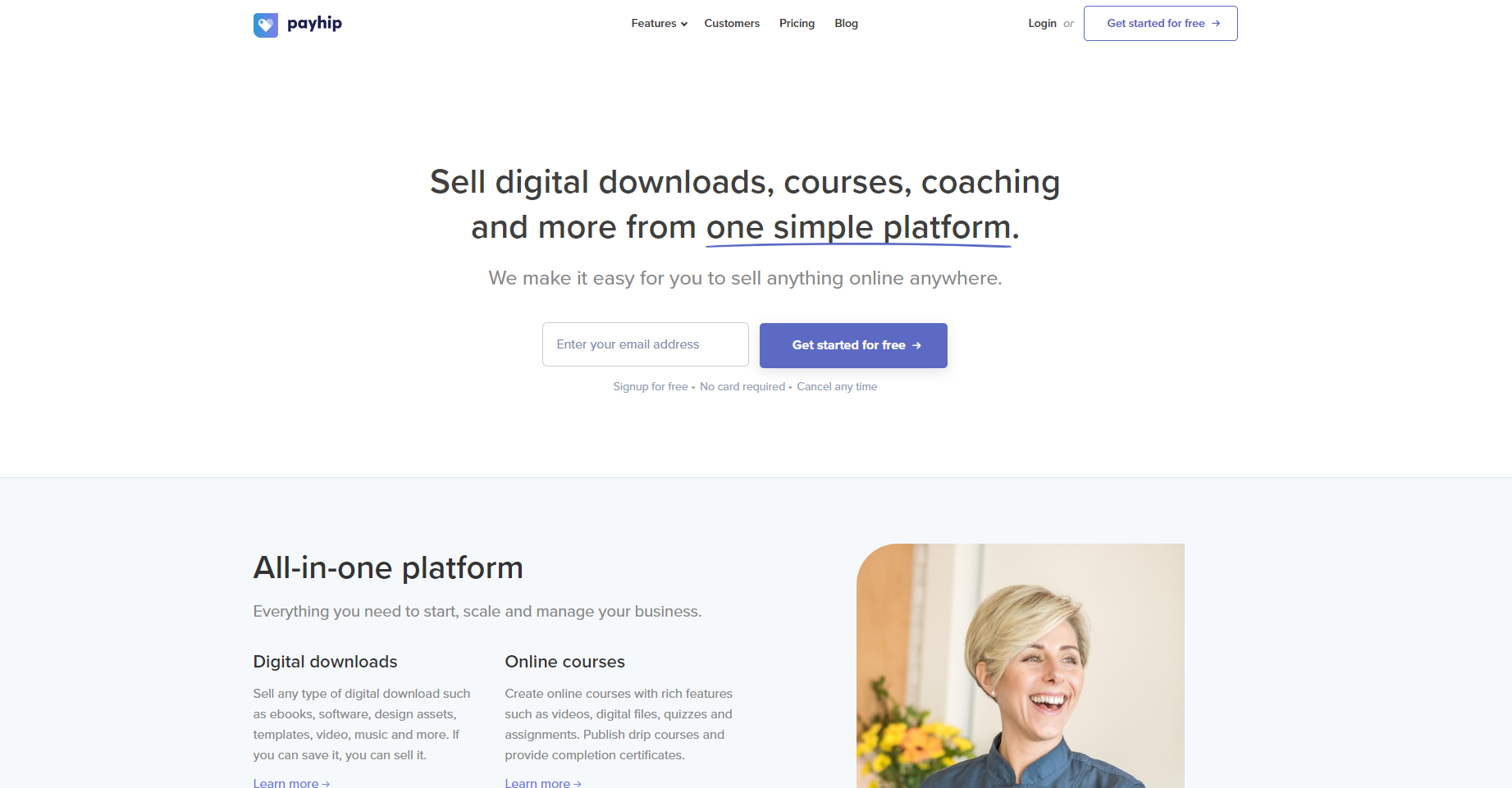
One of the best platforms to sell digital products is Payhip. While most online selling platforms increase their fees constantly, Payhip’s free plan is forever free. You can use Payhip to create an online store, or, if you prefer to sell on social media, you can also sell digital products without a website.
This ecommerce platform lets you sell digital products, such as online courses, software, coaching services, ebooks, videos, and membership sites, as well as physical products.
Notable features:
- You can create a free online store or website with Payhip’s fully customizable store builder, or you can embed Payhip into your existing website.
- You’ll get your own fully hosted domain, or you can connect your current domain to Payhip.
- You can automatically and securely send files to customers without worrying about theft, as Payhip provides features for PDF stamping and download limits.
- Payhip users get instant payouts via PayPal and Stripe, and it offers 11 payment gateways in total.
- Unlimited products, customers, and revenue are the name of the game and are all included in every plan on Payhip (including the free plan).
- Using Payhip, you’ll access many marketing tools, including an affiliate program that can generate more sales. Payhip also offers marketing tools, such as coupons, wish lists, countdown timers, chat, gifts, social media discounts, new digital product notifications, email marketing, collaborations, and more.
- You can price your products on your own terms, including free trials, subscriptions, pay-what-you-want, custom billing intervals, and more.
- When it comes to UK and EU VAT, Payhip takes on all the legal compliance responsibilities so you can have a hassle-free experience.
- Payhip also offers unique features, depending on which product you sell, to create a customizable website tailored to your needs. For example, if you sell online courses, you can add various types of lessons such as quizzes or surveys, drip content at the pace you set, create accounts for students to log into, preview lessons, offer commenting services for community building, accept pre-orders before enrollment, and offer certificates upon course completion.
The best part of using Payhip to sell digital products is that it has one of the lowest costs you’ll find online. Payhip offers a very generous Free Forever plan with only 5% transaction fees. Yet, unlike other companies on this list, you’ll have access to all the features on the free plan, so you won’t be forced to upgrade. You can choose a higher-tier plan to reduce your transaction fees once your business has grown to an established size.
The best platform for selling digital products is Payhip, thanks to its feature set and low cost, especially for beginners.
Sell Digital Products with Payhip
No monthly fees. No tech headaches.
2. Shopify
Shopify isn’t the ideal platform to sell digital products, but that doesn’t mean it can’t be done. While most online retailers use Shopify for selling physical goods, you can still sell digital products, like art, digital prints, spreadsheets, online courses, and other digital products on this ecommerce platform.
If everything in your online store is sold digitally, you’ll want to uncheck the shipping box for that product or for all your products. Disabling shipping lets you sell digital products without charging your customers shipping fees.
You can find Shopify apps that offer instant download features, so your customers can easily find the download link for the product you’re selling. For example, Digital Downloads is a Shopify app you can add to your online store for selling digital products.
The downside to using Shopify to sell digital products is that you will likely need third-party apps. With Shopify’s subscription fees and app subscription fees combined, building an online store selling digital products can be too expensive, especially for people just starting out.
3. Podia

Podia is an online selling platform that allows you to sell physical products, online courses, digital downloads, webinars, coaching, and build a community. You can build your own website in only ten minutes.
Yet, they offer limited customization options and lack advanced marketing features. They also only allow Stripe and PayPal payments, as those are their only payment gateways.
Podia doesn’t have a free plan, only a 30-day free trial. Their paid plans start at $49 per month, with a 5% transaction fee. To cut transaction fees, you’ll need to pay $99 monthly. They recently also added a $179-per-month plan.
4. BigCommerce
BigCommerce is one of the best platforms to sell digital products and physical products. But, it typically focuses on enterprise businesses, which means if you’re new to selling online courses, digital downloads, or even software, it may not be the best platform for you.
It offers advanced marketing features for businesses, including best-in-class SEO, social selling, and Google Shopping advertising directly from your store.
Since BigCommerce’s focus is on enterprise businesses, your beautiful online store will be optimized for conversions, with a streamlined checkout, abandoned cart recovery, discount codes, easy product filtering, and more.
Yet, the free trial only lasts 15 days, and there aren’t any free plans.
5. Gumroad
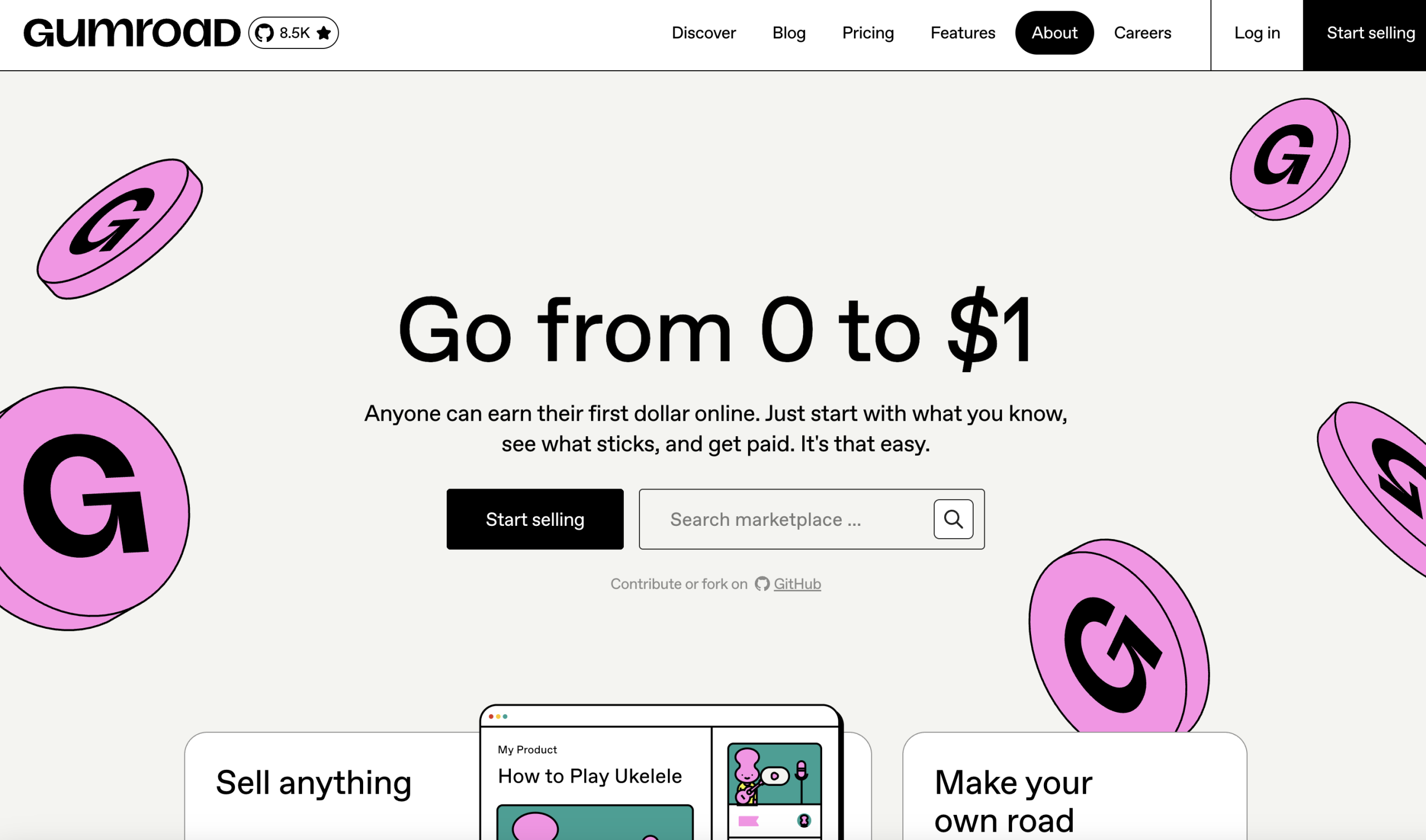
Gumroad is a great ecommerce platform for selling digital products. Whether you’re selling digital products or exploring profitable digital products to sell like ebooks, software, courses, or even a monthly subscription, it’s all possible on this platform.
Gumroad allows you to build a library of content that you charge a monthly subscription for or create membership programs for an organization you run. You’ll be able to offer discount codes, generate license keys, sell content in various file types, or use any of the available marketing tools to successfully sell digital products online.
The biggest downside of using Gumroad is that you’ll be charged a hefty 10% plus a $0.50 fee per sale. Since the fee is a percentage, you’ll pay a larger dollar amount if your product price is higher.
Gumroad might not be the best option for high-priced products or sellers with significant sales revenue. Gumroad also charges a 30% transaction fee for customers who generate sales through their marketplace. These fees can be somewhat high for a new or even tenured seller.
6. SendOwl
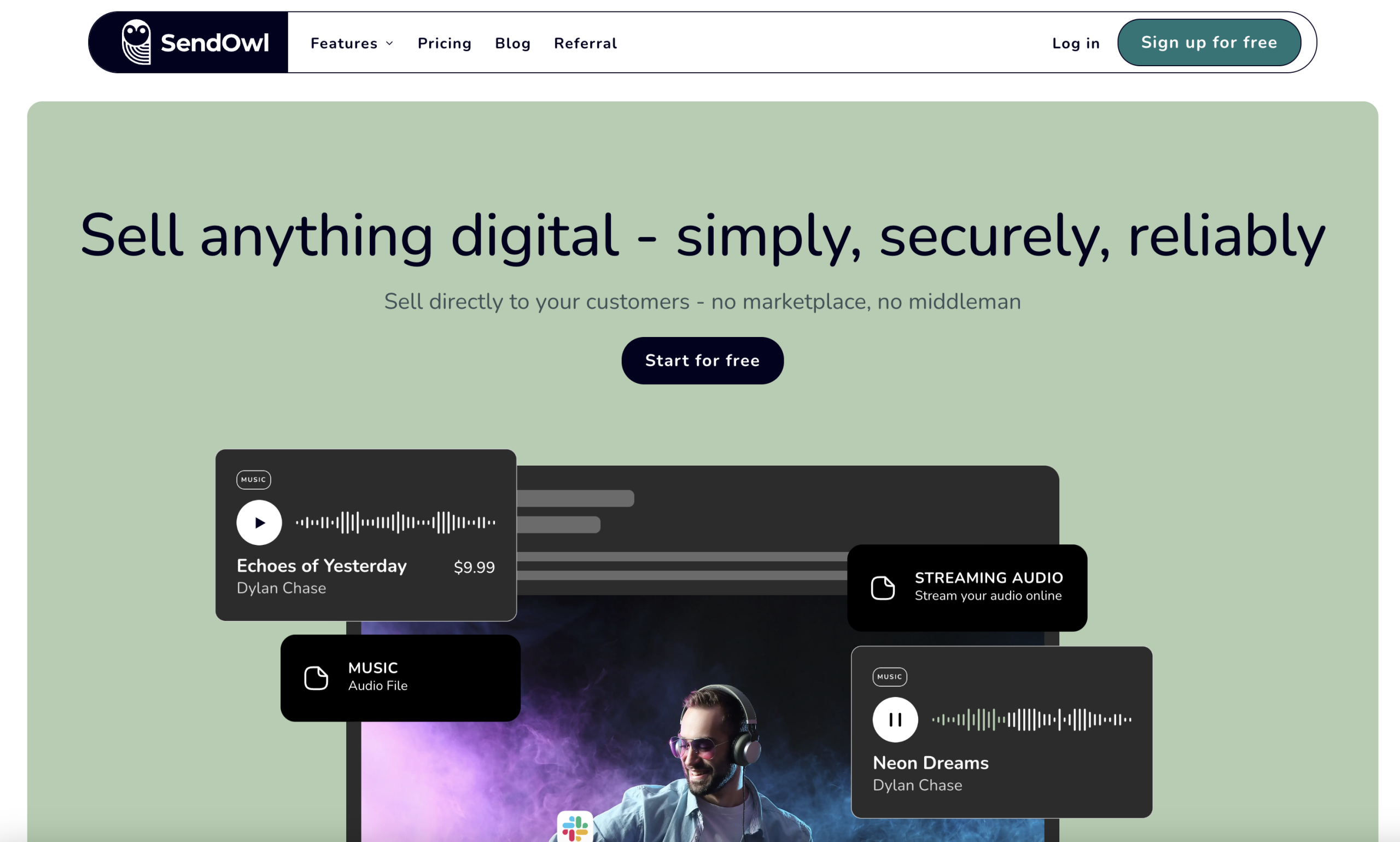
SendOwl is one of the best platforms to sell digital products. This platform for selling digital downloads is stacked. You’ll have standard ecommerce features, such as a shopping cart, responsive checkout, multi-currency options, and more.
As an online retailer, you’ll be able to explore how to sell digital products, memberships, subscriptions, drip content, and other profitable product offerings. From a marketing tools perspective, you can offer your customers discount codes, do one-click upsells, recover abandoned carts, provide product updates, and even run an affiliate program.
Plus, you’ll be able to add time limits to download links, stamp PDFs to prevent piracy, and offer two-factor authentication to ensure your products are sold safely.
One thing to note is that you won’t have an online store layout with this tool; it’s more of a headless platform with checkout and delivery links.
7. Etsy
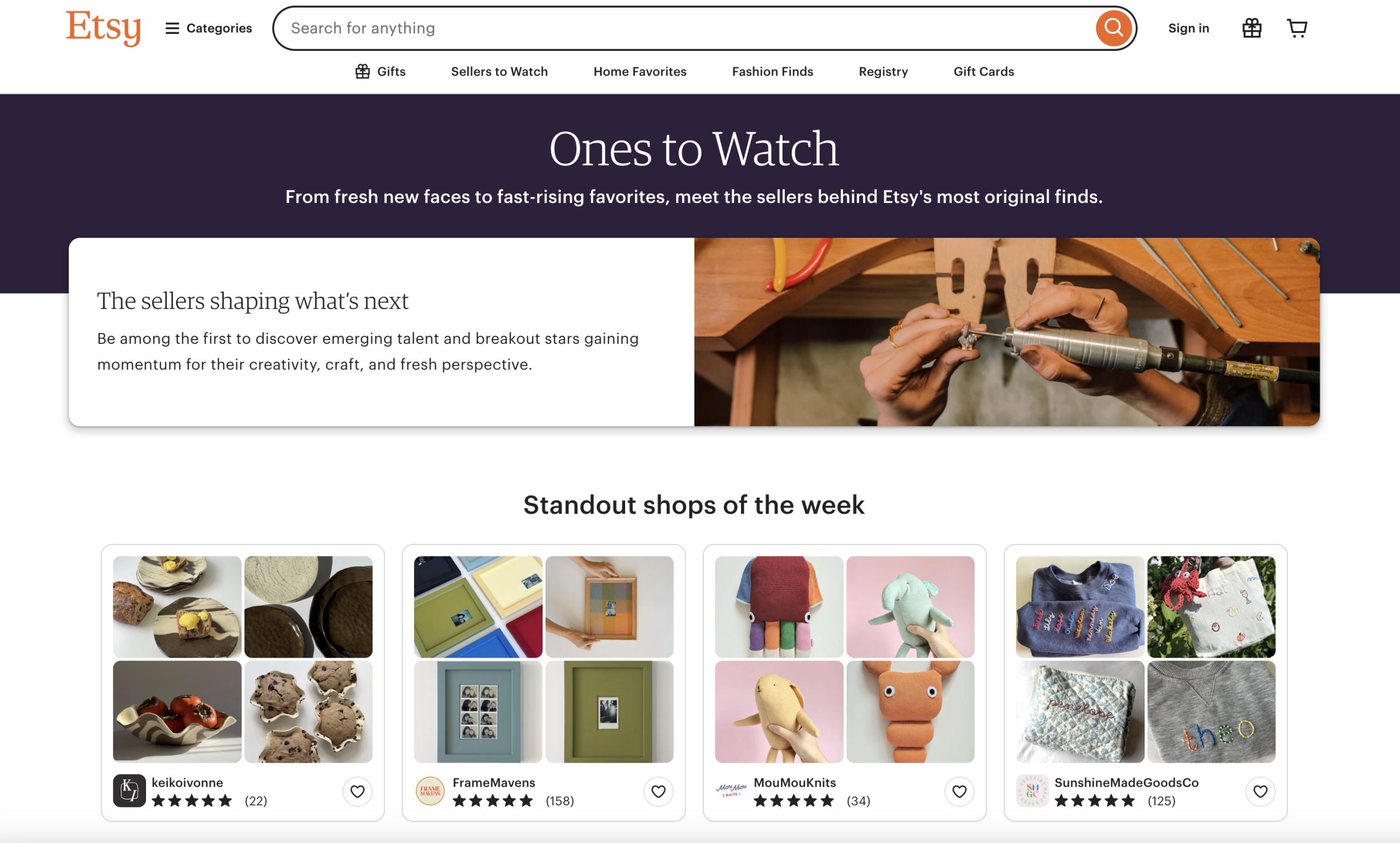
Etsy is a digital marketplace where you can sell digital and physical products. Etsy has over 96 million active buyers, making it easy to find customers.
But a quick search on Reddit will show that Etsy customers often stress sellers out, as they are known to complain a lot, especially if your product is underpriced to generate lots of sales.
Etsy also charges a $0.20 USD listing fee for each product in your store, which expires every 4 months and must be renewed. Also, Etsy charges a 6.5% transaction fee, a 3% payment processing fee, and a $0.25 per-sale fee. The costs of selling on the platform can add up fast.
8. Thinkific

Thinking of selling digital goods like online courses? Thinkific is the platform to sell digital educational videos. Over 100 million courses have been taken on the platform, which makes it a popular choice for course creators.
Millions of dollars have gone into the pockets of those who sell online courses on this ecommerce platform, so it’s a profitable one to sell on too. You can sell an unlimited number of courses and have an unlimited number of students, too.
There are no transaction fees associated with selling on ecommerce platforms like Thinkific, so if you’ve been thinking about selling digital products online, consider starting an online course business. They have a 30-day free trial but no free plans, unfortunately.
9. Teachable
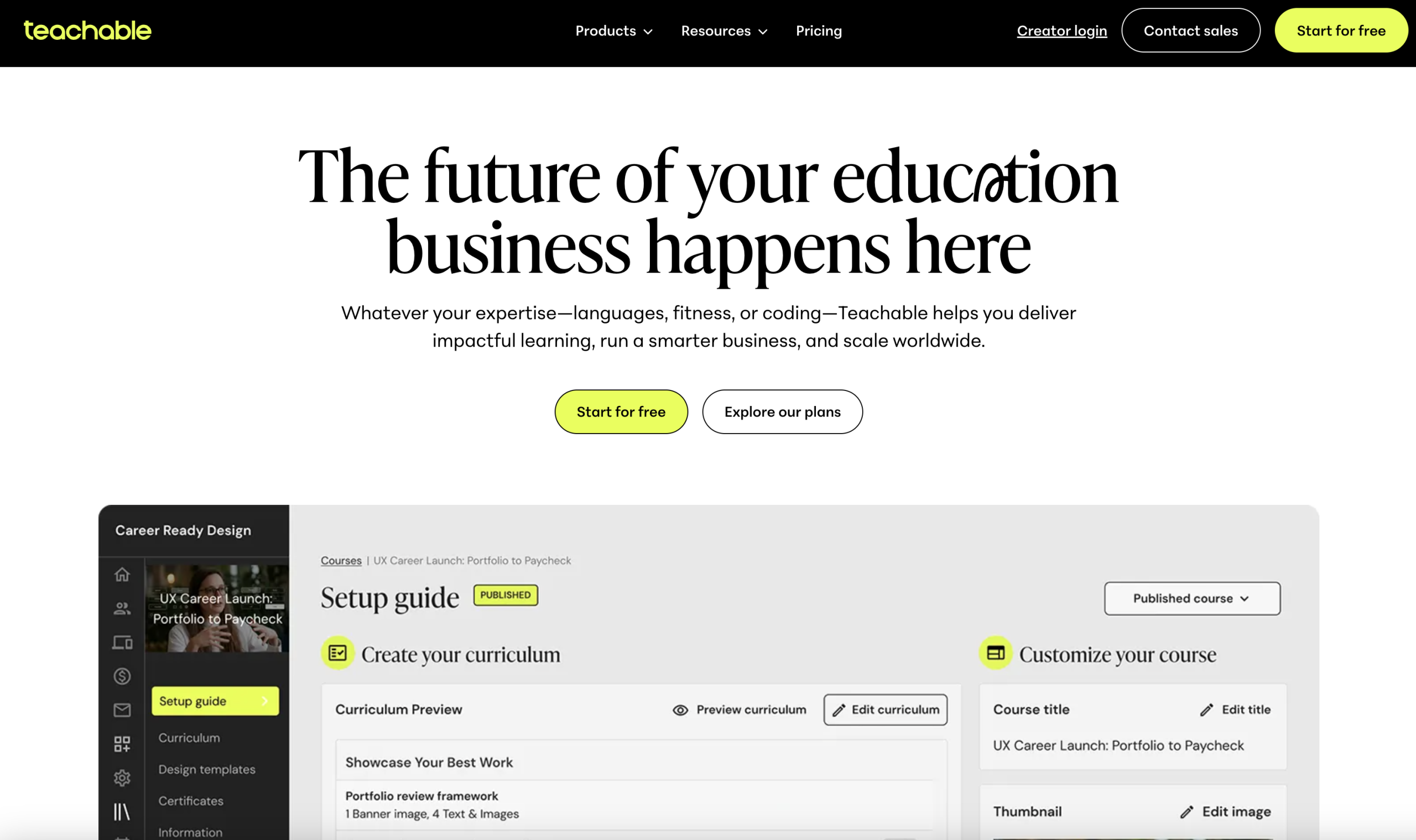
Teachable is an online course platform where you can offer coaching, online courses, digital downloads, and memberships. The focus of this tool is on the education business industry. The features it offers are designed to make it easier for you to educate an audience.
They originally started as a live coaching platform, but now they allow you to create online courses and more. You can generate quizzes, add automatic subtitles and translations, and more for your online courses. Teachable has no free plan, and plans start at $39/month.
10. Wix
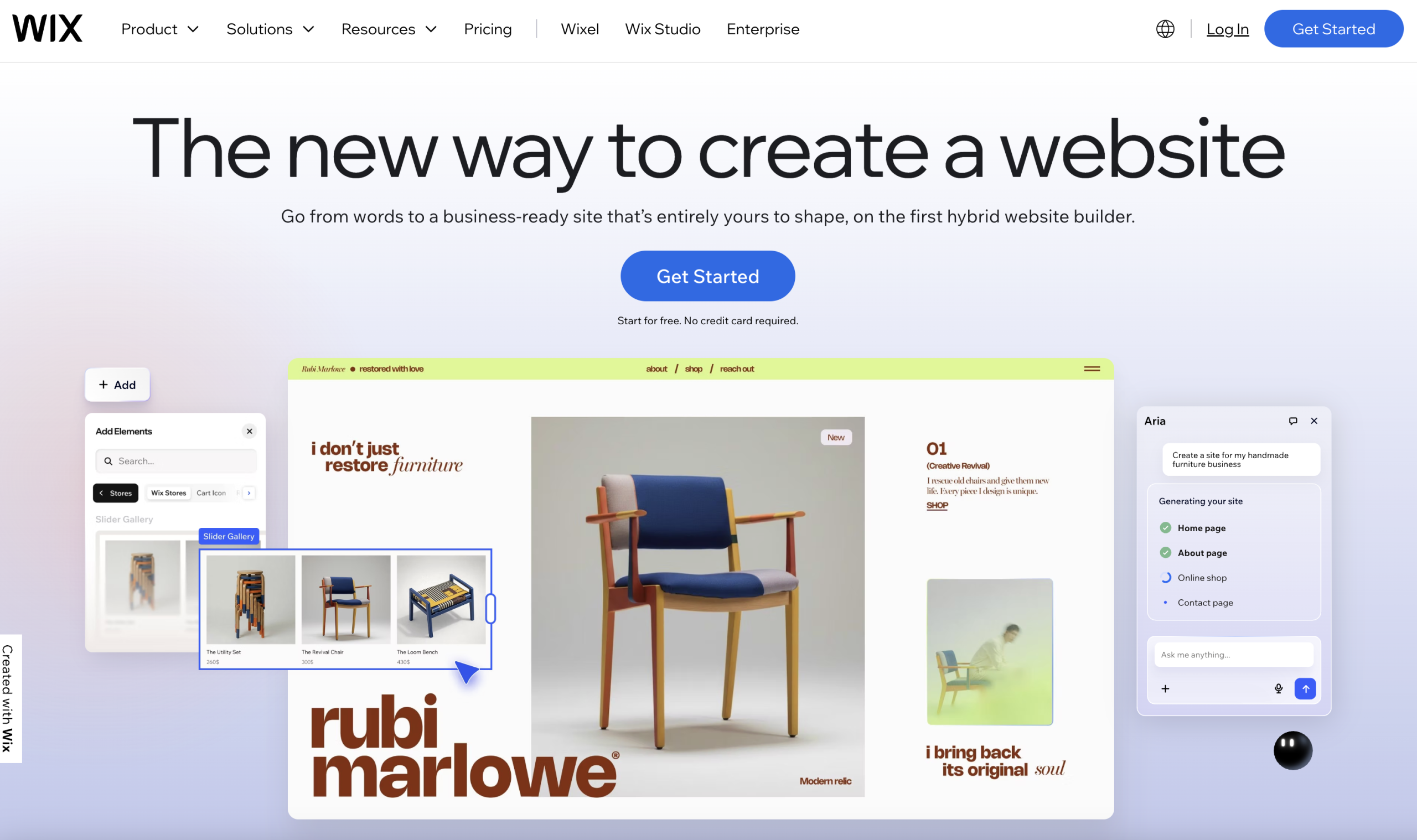
Wix is a great online selling platform for selling physical and digital products. This digital product-selling platform lets you choose from over 2,000 website templates to create a beautiful, customizable website.
You can offer services, appointments, and online classes, which are what make it so appealing to those selling digital goods and services. The marketing features on ecommerce platforms like Wix let you run email campaigns, create social media posts, and use AI-assisted tools.
11. DPD (Digital Product Delivery)
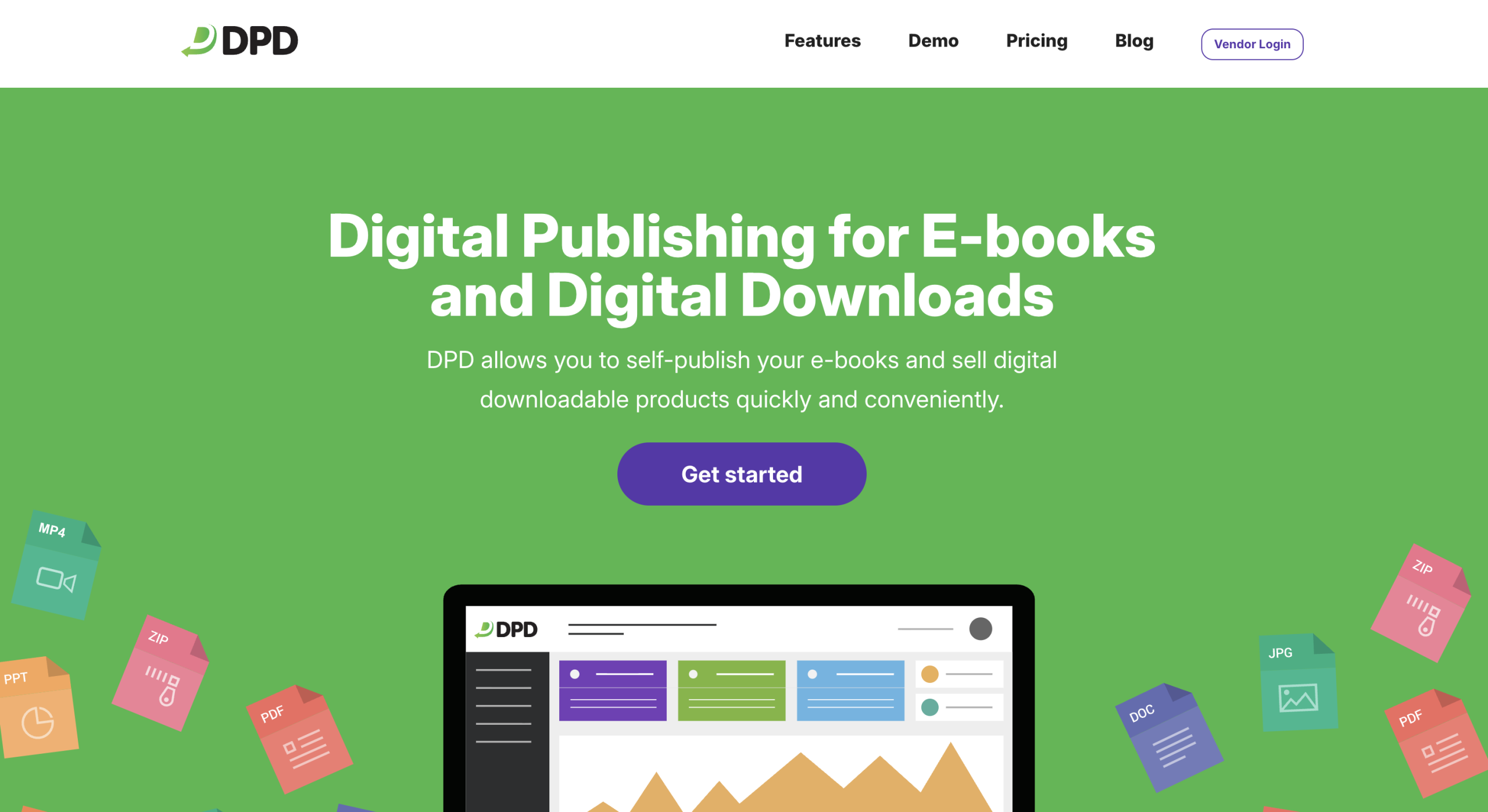
If you sell digital products, Digital Product Delivery (DPD) is a platform that lets you sell digital downloads, such as ebooks, software, themes, music, graphics, and more.
All you need to do is upload your digital files and copy and paste the sell link. You can sell on your own website, via social media, or via instant messaging. This will allow you to sell on more platforms.
Unlike other platforms, this service is more of a digital products-hosting platform. You’ll likely host your website on a third-party site.
If owning a website isn’t the right fit for you but you still want to sell your products online, you might use a service like this for hosting and selling digital products. They don’t offer any free plans, and prices start at $10/month for 1GB of product space and 20 products.
12. Easy Digital Downloads
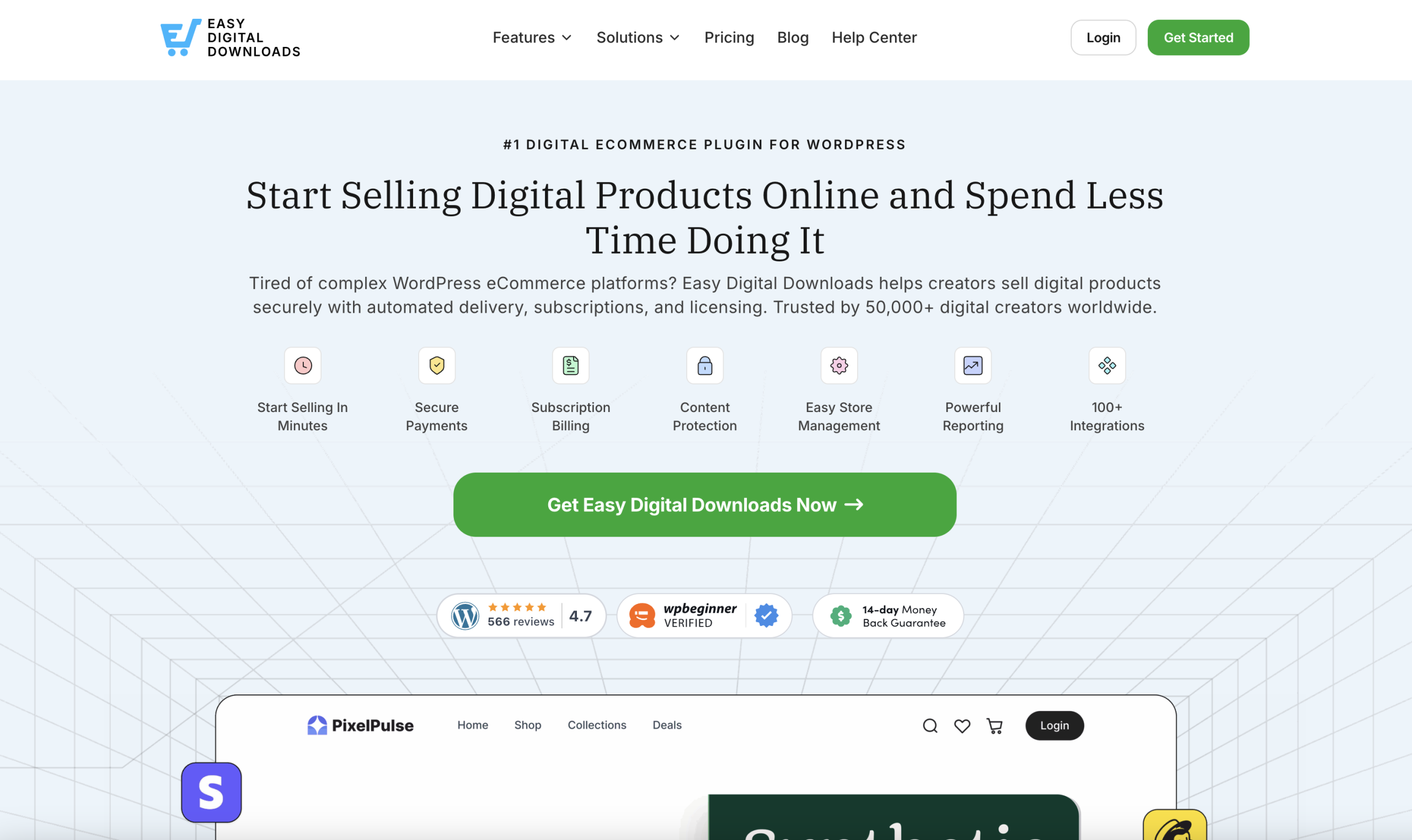
Easy Digital Downloads is a platform to sell digital products on your WordPress website. You’ll have a custom domain via WordPress that you can build a platform of digital goods on as your online business.
Selling digital goods on Easy Digital Downloads includes a shopping cart, detailed reporting, and tools for order and customer management. You can charge customers by billing via Stripe or PayPal. Unlike ecommerce platforms, Easy Digital Downloads is a WordPress plug-in.
Adding too many plug-ins to your website can cause your site to lag or slow down loading times. Yet, with this tool, you can build an ecommerce store where you sell courses, website templates, or even sell subscriptions, any digital product you’d like.
13. Creative Market
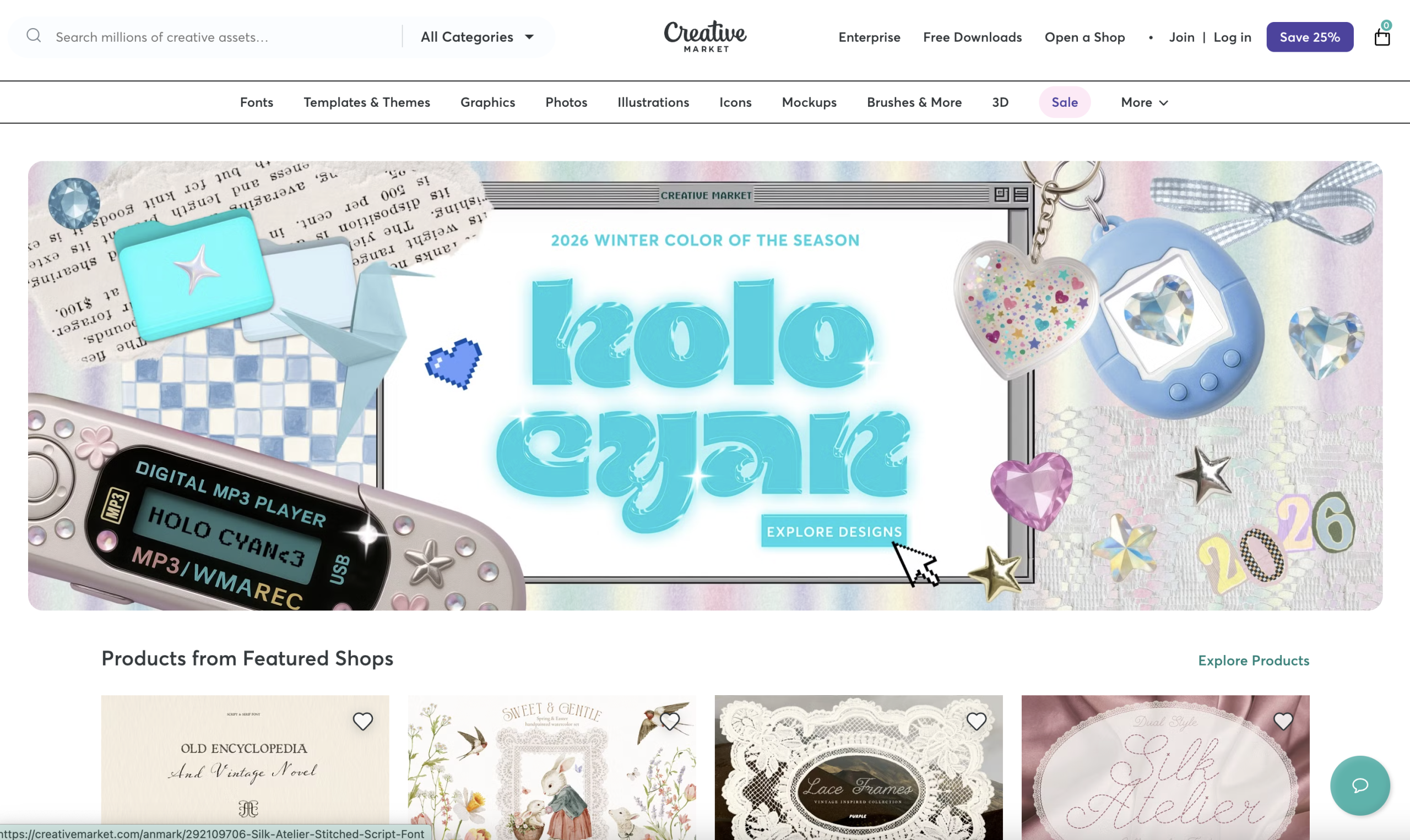
If you want to sell digital goods on an online selling platform without needing a custom domain, Creative Market might be just the option you’re looking for to sell online graphics, fonts, photos, web themes, and templates.
Selling digital products on Creative Market gives you access to millions of buyers who visit Creative Market’s website. You won’t need to build your own online store, but you also won’t be able to remarket to customers who’ve purchased your products through retargeting ads or create an email list.
Still, hosting your digital products on Creative Market is a great way to earn income online.
One thing to keep in mind is that the sellers in their marketplace are carefully vetted, and there’s no guarantee that you’ll be accepted into their digital marketplace.
14. Udemy

If you’re looking for an online selling platform that specializes in online courses, Udemy is a popular choice for many sellers. Udemy has over 81 million registered learners, giving you a big audience to tap into.
You can sell your course for any price. But it’s crucial to note that Udemy takes 50% of organic sales and 63-75% of any sales from their marketing, ads, or affiliates.
You won’t be able to withdraw income earned until you’ve made $25USD. Plus, there is a 6% transaction fee for payment processing.
The platform is known for offering deep discounts on courses on this platform. The good thing here, though, is that you would find new customers from your courses without having to do your own marketing.
15. Envato Market
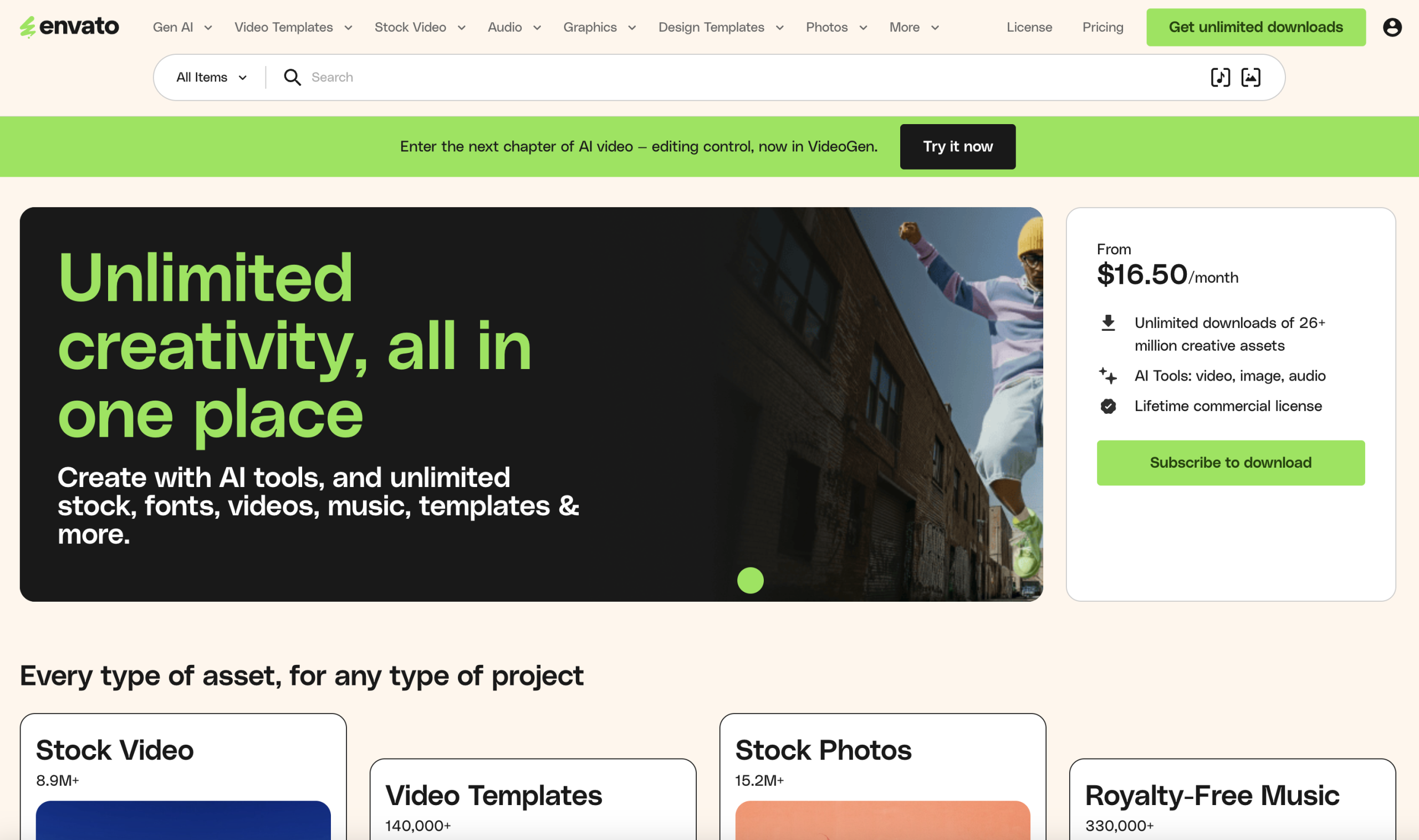
Envato Market owns many websites for selling digital downloads. You can sell website themes on ThemeForest, code on CodeCanyon, audio on AudioJungle, graphics on Graphic River, stock photos on PhotoDune, and more.
On their website, they have a digital marketplace where you can sell digital goods and downloads.
If you’ve always wanted to start an online business selling many digital products, you can sell everything from videos to 3D files on Envato Market’s website.
The all-in-one selling platform has many customers you can target online. You can earn income by selling digital products, being an Envato affiliate, offering exclusivity to Envato, or selling on many Envato properties.
You’ll have access to the forum, where you can get community feedback to help you grow, a full suite of analytics, and you can learn from Envato’s resources to become a successful seller on the online selling platform.
Envato takes a 55% cut of every sale you make if you choose to sell on other online selling platforms as well. Exclusive sellers have to pay between a 12.5%-37.5%, depending on the volume of their sales, but you won’t be allowed to sell on other selling platforms.
16. Squarespace

You could sell digital goods or physical products on Squarespace. If you sell services, you can schedule appointments, send meeting reminders, manage invoices, sell gift cards, and more while charging one-time or monthly subscriptions.
If you sell courses on your ecommerce store, you can charge membership fees, build a community, create a paid newsletter, and gate your content securely on this easy-to-use platform. Squarespace also allows users to create a fundraiser on their website and accept donations.
17. Sellfy
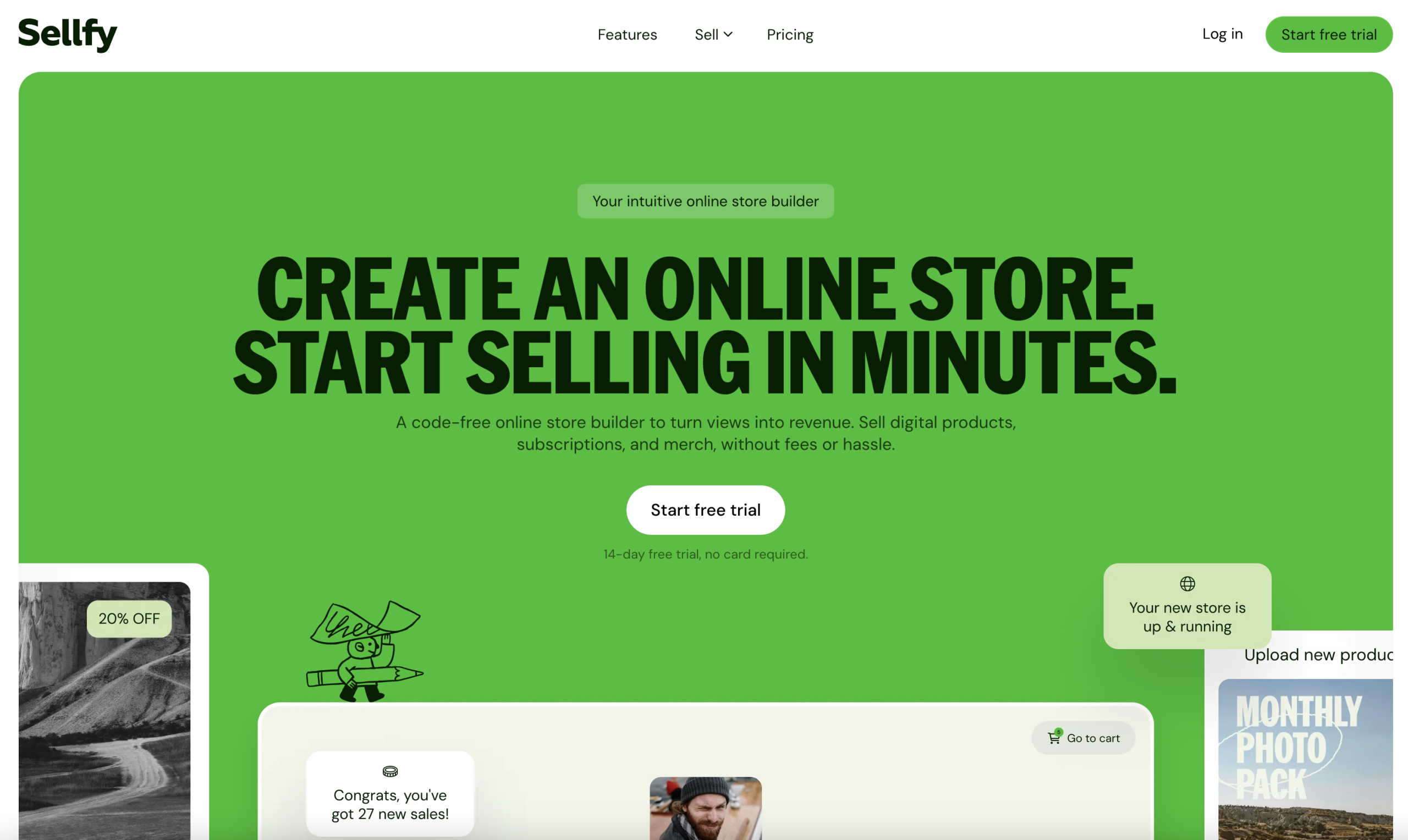
Sellfy is an ecommerce store builder that allows you to sell digital products, subscriptions, and merchandise. Their platform also allows you to create a print-on-demand store with your own original designs.
Whether you want to sell ebooks, videos, music, or some other form of digital product, this online selling platform allows you to do that without the risk of piracy.
The downside to using Sellfy for your store is that there’s no free plan, only a 14-day free trial. If you’re a beginner with no sales in your early days of selling, the monthly subscription of $29 can eat away at your earnings, making you dive deeper into debt while you’re still validating your product.
Plus, once you hit $10k in annual sales, you’ll be forced to upgrade your account to the $79 subscription plan. The more you make, the more you need to pay for your subscription.
18. WooCommerce
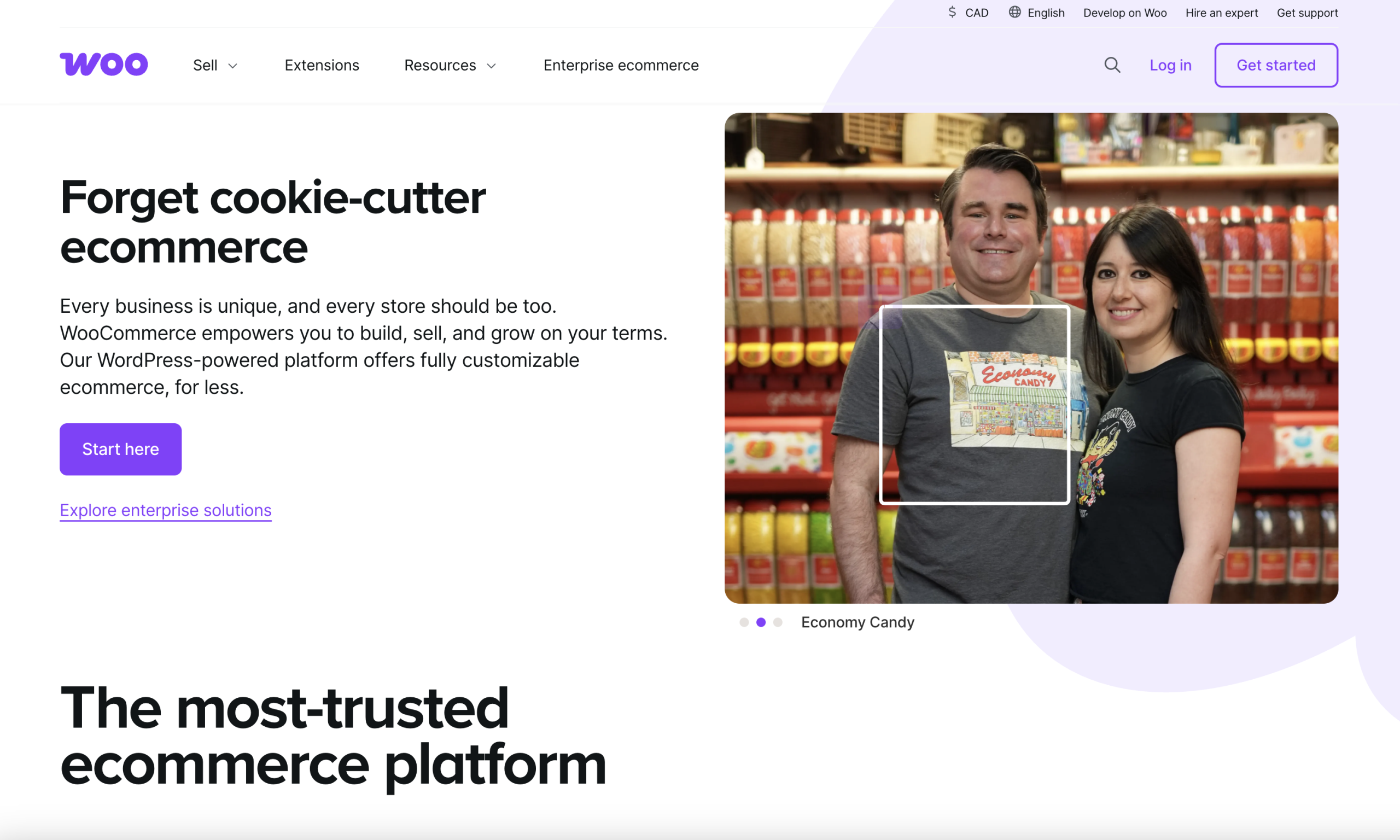
WooCommerce is an open-source ecommerce platform that uses WordPress. Since it’s open source, you can customize your site any way you like.
The upside is that you get full control.
The downside is that it’s not as intuitive or user-friendly as other platforms for selling digital products online.
Sure, you can still sell digital downloads or online courses on WooCommerce; there are thousands of plugins you can install to simplify this process.
Yet, be careful not to add too many plug-ins, as they can slow down your website and break various parts of your site. If you’re not a tech-savvy digital product creator, this might not be the easiest online selling platform for you.
The best part of using WooCommerce is that with the WordPress content management system, you can easily run a blog for your website. Plus, you’ll find countless theme designs to create a one-of-a-kind website.
19. Patreon

Patreon is a membership website where creators can connect with their fans. Anyone with an audience can create a Patreon page to receive monthly payments from their dedicated community in exchange for more exclusive content.
Sellers can earn recurring monthly payments or one-time donations. Patreon has limited tools for managing rewards. They are also known to have lower conversion rates of transitioning from free content to paid subscriptions.
A challenge with Patreon is their pricing, which takes between 5% and 12% of successfully processed sales, plus applicable taxes. Plus, a 2.9% and $0.30 USD payment processing fee.
20. Stan Store
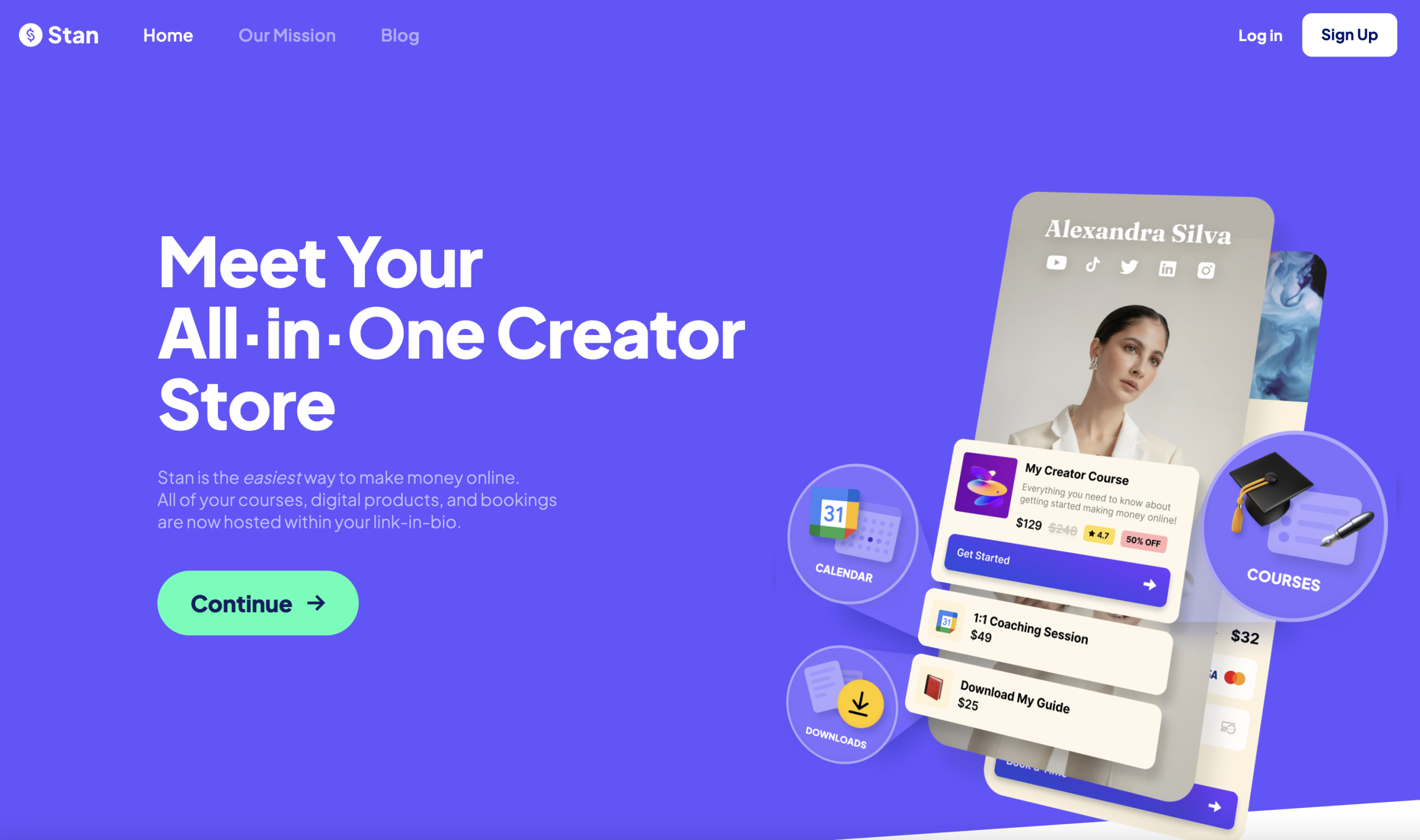
Stan Store is an unconventional selling platform where your digital products are hosted via a link-in-bio on your social media profile. If you’re a content creator, you’ll have an audience that you can promote your products to.
But, you won’t be able to sell physical products with this tool. You will also have to pay $29 monthly for basic features.
While some of the online selling platforms on this list offer instant payouts, Stan Store delays payments for 7 days, which can be frustrating for people looking for immediate income.
This platform is also not easy to migrate to a more complete ecommerce website builder, which can delay your ability to scale as your business grows.
Sell Digital Products with Payhip
No monthly fees. No tech headaches.
Conclusion
If you’re looking for the best platforms to sell digital products, you’ve likely found your gem on this list. An all-in-one platform like Payhip lets you sell any type of digital product, with countless customization options tailored to your offerings.
If you’re looking for an amazing platform to sell digital products, choose one that allows you to expand your business with other products with no limitations. For instance, if you’re currently creating online courses, find a platform where you can also offer coaching services or sell ebooks instead of limiting yourself to an online course platform. Your business will grow over time; it’s best to find a platform to sell digital products that won’t stunt your success. You can sign up for Payhip today (and for free).


Payhip
Join over 130,000 creators who have launched their businesses selling digital products, online courses, memberships, coaching, and physical products.
Get started for free today
Comments
6 Comments
I hope you keep up the great work that you do. I try to always be an encouraging supportive fan of those who sincerely wants & tries to help others to succeed in life, those who may have limited to no resources. Thanks for the information you provided. Please continue to deliver content of the such. May all of your days be great!
Glad to hear you’re loving the content we’ve been publishing recently. 🙂
Hi there,
After trying Podia, System.io, WooCommerce and Payhip, my choice was definitely Payhip to sell my ebooks. I am very pleased with the simplicity and quality of your solution. And I appreciate your business model. Thank you for your work!
Nelly from France
Hi Nelly, we’re glad you ended with Payhip! 🙂
Feel free to contact us if you have any questions or if you need help with anything.
Thank you for the information ma’am..
I am just getting to know about payhip today and I am currently going through your trainings to equip myself before full uploading my digital product.. thank you for availing yourself
No problem, Shvurah, we’re so glad you found this helpful!
Leave a Comment