


5 The Leap Alternatives to Consider in 2026
Last updated: August 6, 2026
The Leap is a platform owned by Thinkific that allows course creators to create and sell their courses. The tool integrates AI to help creators create and monetize their products. However, that doesn’t mean The Leap doesn’t have downsides that are pushing people away from the platform. For instance, you can’t sell physical products on the platform. Plus, the AI model used in the tool often produces generic content, which would hurt your overall sales. The platform is also mobile-first, considering most people prefer learning on desktops, which may discourage older users from buying products from sellers. You can also only sell mini or micro courses on the platform, preventing you from truly maximizing your sales revenue.
Key Takeaways
-
Payhip is the best all-around alternative, offering free access to all features, support for both digital and physical products, full-sized courses, and built-in marketing tools.
-
Gumroad is a popular digital product marketplace with strong discoverability, but higher fees, delayed payouts, and limited customization options.
-
Stan Store is a mobile-first link-in-bio platform ideal for creators selling through social media, with appointment booking features but no free plan.
-
Snipfeed is a creator-focused platform with unique monetization tools like tipping and livestreams, though it requires a subscription and continues charging transaction fees.
-
Beacons is a link-in-bio solution with email marketing capabilities and a free plan, but higher fees and feature restrictions on lower tiers.
Why People Want The Leap Alternatives
1. Platform Limitations
People are turning to The Leap alternatives because this platform has a mobile-first design, which limits how you can reach people to sell your digital products. For example, since the tool is primarily a link-in-bio, you won’t be able to get the advanced blog CMS for driving organic traffic from search or AI. Plus, it lacks features for building a traditional-sized online course for creators with abundant knowledge to share, as the platform prioritizes micro courses and mini products.
2. Weak AI
Some search for The Leap alternatives because the AI output tends to be generic. The average creator is typically exceptional at creating content and would likely produce content that converts better than AI-generated content. If someone has advanced skills to produce a course, they likely know how to position themselves to get sales. While having AI features can be handy, the quality of the AI may actually hurt sellers more than help them.
3. Product Limitations
Some sellers are moving towards The Leap alternatives because they can’t sell the product types they want. For example, some creators may prefer to sell both physical and digital products. Plus, some creators won’t want to sell micro courses or mini products. They’ll want to invest in selling a more complete version of their product to maximize revenue.
Comparing The Leap Alternatives
| Platform | Best For | Pricing | Key Pros | Key Cons | Why Choose It |
|---|---|---|---|---|---|
| Payhip | Creators who want to sell full-sized courses, digital products, and physical products | Free: 5% fee Plus: $29/mo (2%) Pro: $99/mo (0%) |
Free plan with all features, unlimited products, unlimited revenue, instant payouts, marketplace access, 100+ payment methods, VAT handling | No AI functionality | Choose Payhip if you want to move beyond mini courses and build a complete online store with full courses, digital downloads, memberships, coaching, software, and physical products. |
| Gumroad | Digital product sellers who want marketplace discoverability | 10% + $0.50 per transaction 30% marketplace fee |
Custom domains, popular marketplace, simple digital product selling | High fees, delayed payouts, limited store differentiation, limited support | Choose Gumroad if marketplace exposure matters more than lower fees or advanced store customization. |
| Stan Store | Social media creators selling through a mobile-first link-in-bio page | Creator: $29/mo Higher tier: $99/mo |
Mobile-first storefront, built-in calendar, good for appointment-based creators | No free plan, no AI tools, no marketplace, not ideal for full websites | Choose Stan Store if your sales mainly come from social media and you need a simple mobile storefront with booking features. |
| Snipfeed | Creators monetizing audiences with tipping, livestreams, and social media automation | Starter: $9/mo + 10% fee Pro: $29/mo + 2% fee Pro Plus: $59/mo + 2% fee |
Tipping, ticketed livestreams, automated social responses | No free plan, no AI authoring, feature gating, still charges fees on higher plans | Choose Snipfeed if you want creator monetization tools like tips, livestreams, and social automation more than a full online store. |
| Beacons | Creators who want a link-in-bio page with email marketing features | Free: 9% seller fee Creator: $10/mo + 9% fee Creator Plus: $30/mo (0% fee) Creator Max: $90/mo |
Free plan, link-in-bio page, built-in email marketing, creator-focused tools | High fees on lower plans, limited branding, feature restrictions, AI not suited for product creation | Choose Beacons if you want a simple link-in-bio page with email marketing and are comfortable upgrading to unlock stronger features. |
5 The Leap Alternatives to Try Instead
1. Payhip

Payhip is the best Leap alternative because it’s the cheapest while still offering all the features you need to sell digital products and sell physical products online. This The Leap alternative allows you to securely sell products, with features like PDF stamping and buyer download limits to help prevent your products from being pirated. It also has an expansive marketplace where you can increase your product’s visibility to sell more.
PRICING
Payhip has a free plan that includes all features, while allowing you to sell unlimited products, access unlimited bandwidth, and earn unlimited revenue. You only pay a 5% transaction fee per sale. The Plus plan costs $29 per month and reduces the transaction fee to 2%. The Pro plan costs $99 monthly and has no transaction fees. There isn’t any feature gating on the platform, and you’ll have access to all the features you need on all plan types.
PROS
-
Has a free plan like The Leap
-
Allows you to sell both digital and physical products on one platform
-
Offers unlimited bandwidth for all product types
-
Sell online courses of any size without issue
-
Has a built-in marketplace where you can promote your products to an existing audience
-
Choose from over 100 payment methods, such as PayPal, Stripe, Apple Pay, Google Pay, and more
-
Allows you to have custom domains
-
You can view online courses via desktop, unlike The Leap
-
Automatically handles VAT and sales tax
-
Easily build a blog to drive more organic traffic back to your website
-
Access marketing features, such as an affiliate marketing program, coupons, upsells, and more
-
Get paid instantly when using PayPal and Stripe
-
Offers specialized features for selling online courses, ebooks/other digital downloads, and software
-
Includes PDF stamping and buyer download limits to help prevent piracy
CONS
-
Doesn’t feature AI functionality
Sell Digital Products with Payhip
No monthly fees. No tech headaches.
2. Gumroad
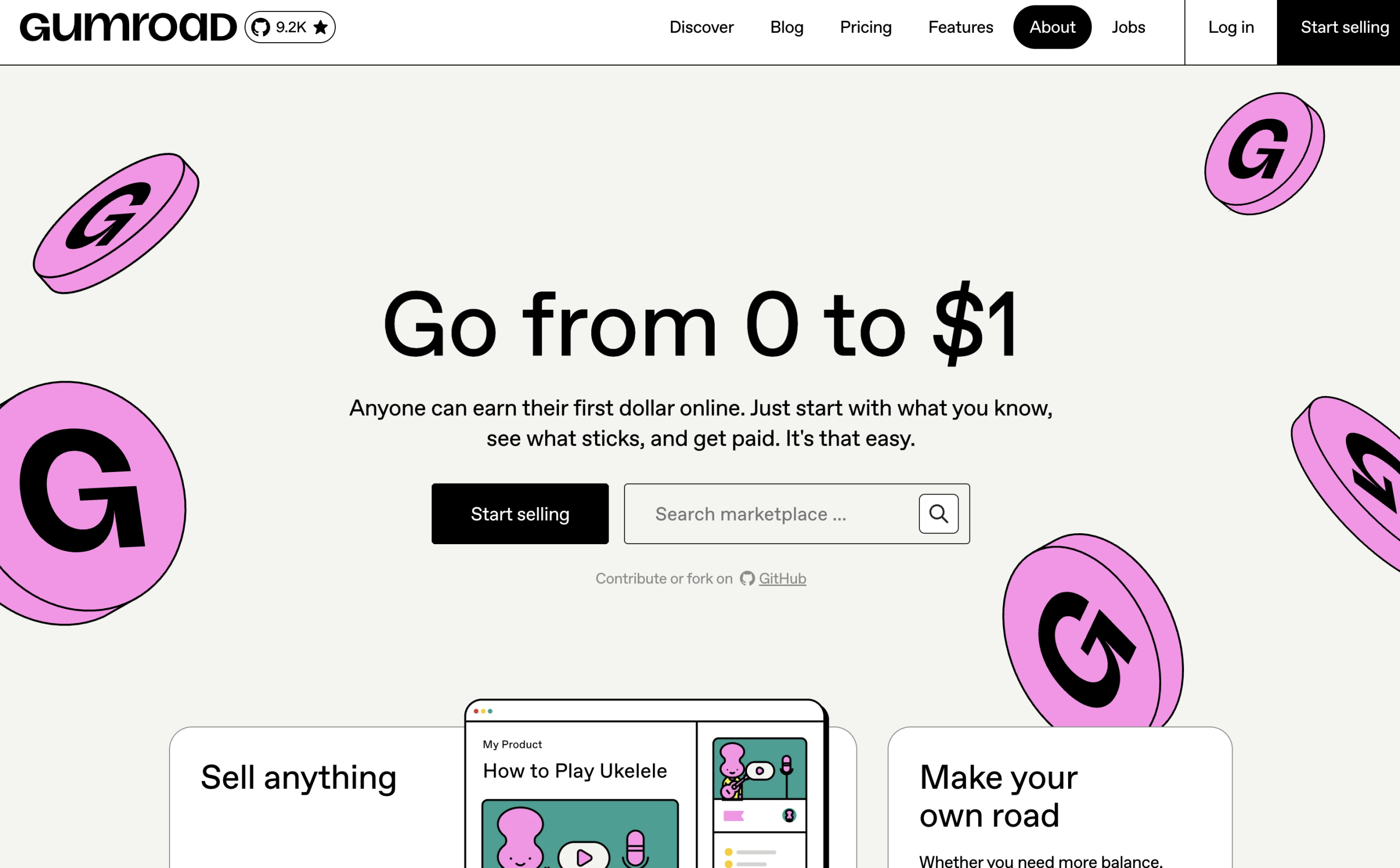
Gumroad is the most expensive The Leap alternative. Gumroad is a Merchant of Record. As a result, it typically has delayed payouts and higher transaction fees than most platforms. While it can help with your tax compliance, they will be the legal seller of the transaction.
PRICING
Gumroad has a free plan, but unlike other The Leap alternatives has higher fees. It charges 10% plus $0.50 per transaction for all sales you bring to your profile or through your direct links. However, if you end up getting sales from the Discover Marketplace, you’ll have to pay 30% per transaction.
PROS
-
Allows custom domains
-
Offers a popular marketplace for selling digital goods
CONS
-
Has steep fees compared to The Leap
-
Payouts can take up to seven days to reach your bank
-
Lacks differentiation from other Gumroad stores
-
Limited tooling for features like fraud protection
-
Support entails mostly a chatbot interaction, as it has recently phased out live chat
-
Users report that account bans can happen suddenly without warning
-
Lacks AI tools to create mini courses, guides, and quizzes
-
Doesn’t have a built-in native link-in-bio tool
3. Stan Store
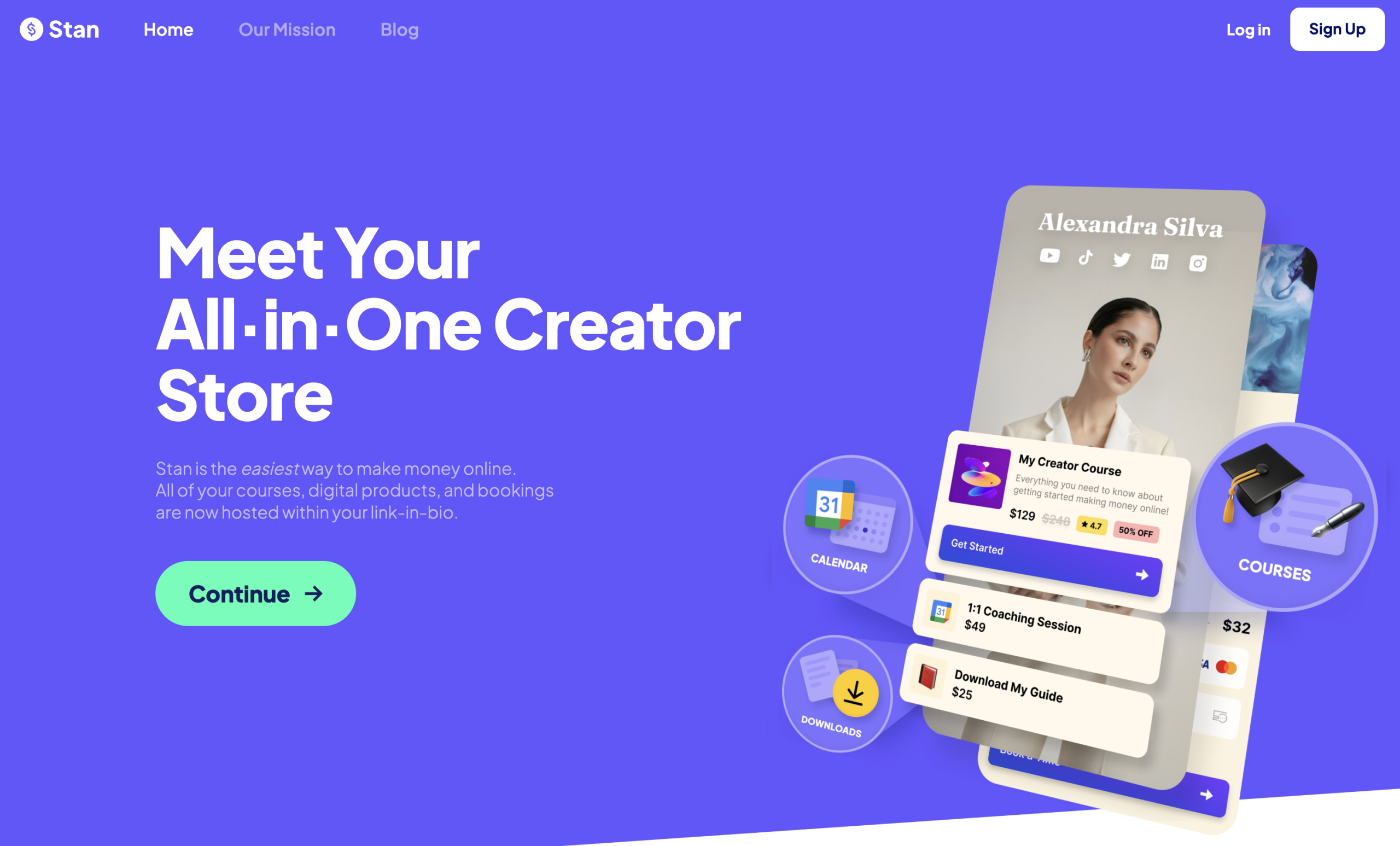
Stan Store is a The Leap alternative that primarily offers users a mobile experience via a link-in-bio. This alternative to The Leap has a monthly subscription with no free plan, making it a higher-cost option. It’s not ideal for creating a multi-page website and lacks AI tools, but has a calendar allowing you to schedule appointments in the event that you’re service-based.
PRICING
Stan Store doesn’t have a free plan. You’ll need to pay $29 per month for their Creator plan. The plan has limited features, and you’ll need to upgrade to access all the platform’s features. The next tier plan costs $99 per month and lets you send unlimited emails and access features such as pixel tracking.
PROS
-
Is a link-in-bio tool that caters to mobile users
-
Has a built-in calendar for scheduling appointments
CONS
-
Requires a monthly subscription, unlike The Leap
-
Lacks built-in AI tools, requiring creators to produce digital products from scratch
-
Can’t build advanced funnels
-
Not ideal for building a multi-page website
-
Primarily for converting social media traffic; not ideal for organic search traffic
-
Lacks a built-in marketplace to promote your products
-
Mostly used by digital product creators, less suited for physical goods
4. Snipfeed
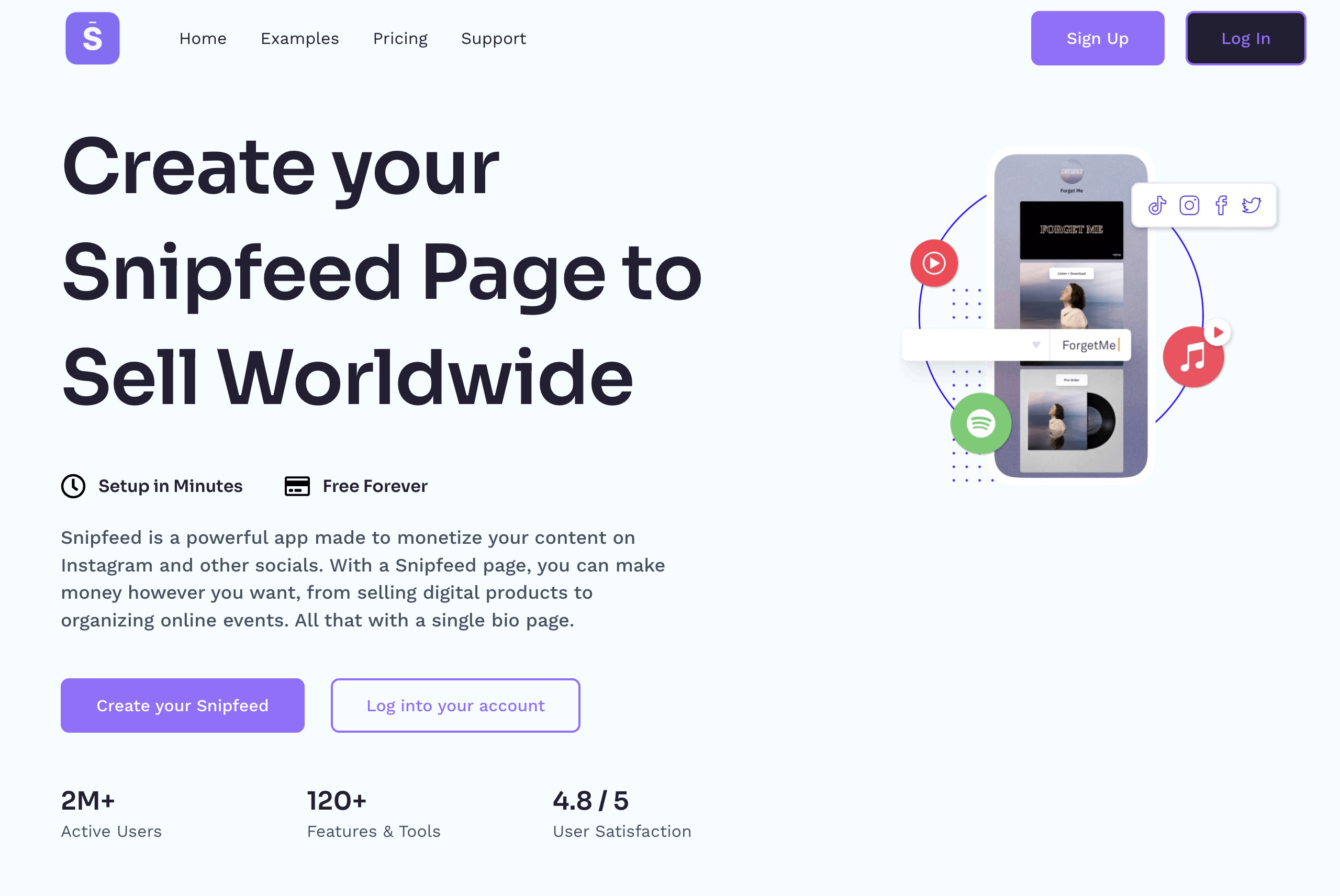
Snipfeed is a The Leap alternative with many unique features. Unfortunately, unlike The Leap, it lacks a free plan, making it a more subscription-based expense. The platform also lacks AI features and primarily serves as a link-in-bio.
PRICING
Snipfeed has three pricing tiers, each with its own features, costs, and fees. The Starter plan only costs $9 per month but has a 10% fee per sale on every product. The Pro plan costs $29 per month and has a 2% fee. The Pro Plus plan costs $59 per month and still has a 2% fee. Overall, there isn’t a plan that completely eliminates transaction fees. Plus, you need to upgrade to the highest tier plan to access all the features Snipfeed offers.
PROS
-
Has built-in features, such as tipping, ticketed livestreams, and more
-
Offers automated responses for social media platforms like Instagram and TikTok
CONS
-
Doesn’t have a free plan and requires a monthly subscription
-
Lacks an AI-powered authoring tool for product creation
-
Features are gated under more expensive plans
-
Primarily a link-in-bio tool, providing fewer features than a traditional online store builder
-
You can only access the SMS features in the United States and Canada; it also caps at 2.5 SMS per month
-
Less ideal for new creators who want to add more content and products, as it primarily serves creators with large followings
5. Beacons
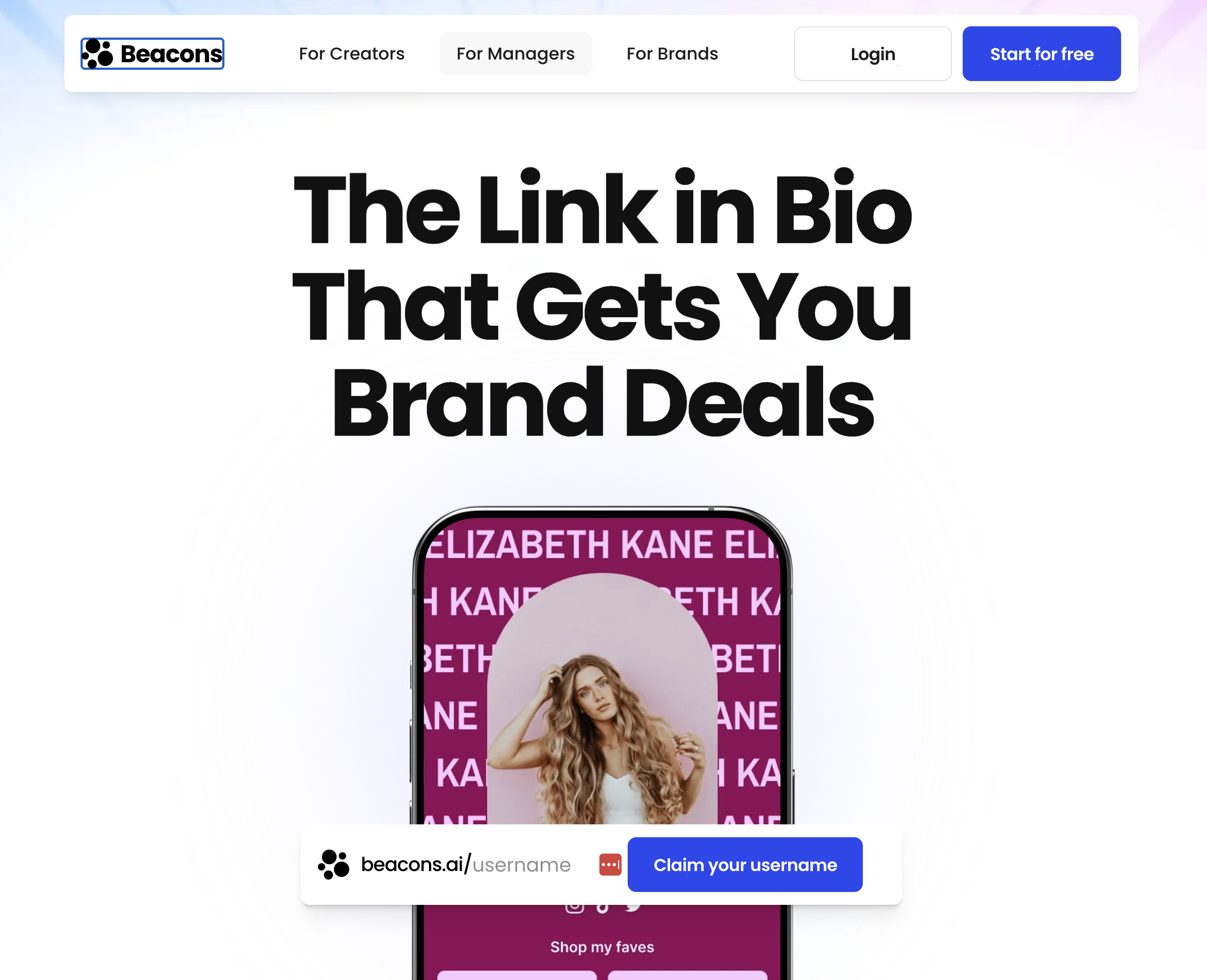
Beacons is an alternative to The Leap that also offers a free plan, though it comes with high fees. It primarily acts as a link-in-bio, meaning that it’s also mobile-first. While Beacons does have AI, its AI doesn’t help you in the creation of bite-sized digital assets.
PRICING
Beacons has four pricing tiers. Their free plan charges 9% in seller fees and caps features, such as 50 email sends per month. The Creator plan costs $10 per month and still has a 9% seller fee, but it has features like 500 email sends per month. The $30-per-month Creator Plus plan has 0% seller fees and lets you sell unlimited courses with video hosting. The Creator Max plan costs $90 per month and offers prioritized online support and access to Beacons in-person events.
PROS
-
Offers a link-in-bio for creators to add their products and links in one simple landing page
-
Access built-in features for email marketing
CONS
-
Has high transaction fees
-
Requires you to continuously upgrade to access better features
-
Difficult to create a truly branded experience for your business
-
Better suited for creators rather than for establishing a business
-
Lacks a built-in product builder
-
AI isn’t well-suited for creating bite-sized assets
Frequently Asked Questions
What’s the best The Leap alternative?
The best The Leap alternative is Payhip because it offers a free plan like The Leap and provides more flexibility for what you can sell, including courses of any size and physical products.
What’s the cheapest The Leap alternative?
The cheapest alternative to The Leap is Payhip, which offers a free plan with a 5% transaction fee per sale. On top of this, Payhip lets you sell unlimited products, earn unlimited revenue, access unlimited bandwidth, and use all features on its free plan.
Why are people looking for The Leap alternatives?
People are looking for The Leap alternatives because it’s too heavily optimized for mobile-only, micro-learning, which just isn’t what buyers need. Most creators want to create advanced, detailed courses that let them charge a higher price and pocket more revenue. Bite-sized content works for social media, but it’s less than ideal for the average person who wants to invest in their online education. With limited products to sell, many turn to The Leap alternatives to sell physical products, detailed courses, and build a fully hosted website.
Which The Leap alternative is best for selling courses?
The best The Leap alternative for selling courses is Payhip. Unlike The Leap, Payhip allows you to create full-sized online courses with unlimited bandwidth. You’ll have access to features such as lesson types, customizable branding, drip content, student accounts, a commenting system, certificates, preorders, and lesson previews.
Can you sell physical products on The Leap?
No, you can’t sell physical products on The Leap as the platform is primarily a digital products and services platform. If you want to sell digital and physical products and services, you’re better off choosing a platform like Payhip to offer all the product types you need.
Which The Leap alternative is best for beginners?
The best The Leap alternative for beginners is Payhip because it eliminates the need for technical know-how. The platform is also free to start with a small 5% fee only once you’ve made a sale. You can take your time to learn how to promote your products without paying subscription fees. Payhip also lets you build a complete storefront to sell full-fledged online courses, memberships, coaching services, digital downloads, and physical goods. You can also receive instant payouts when using PayPal or Stripe.
Can you build a full website on The Leap?
No, you can’t build a multi-page website on The Leap. The platform is primarily a mobile-first link-in-bio storefront for hosting mini courses, guides, tutorials, and more. Most users get their traffic from social media. However, a full website often gets traffic through organic search.
Is The Leap only designed for mobile-first products?
Yes, The Leap is designed for mobile-first products. If your product is only viewed on a mobile device, it’s a good platform to choose. However, if you’re creating online courses or products that require a desktop device, it might not be the best fit.


Payhip
Join over 130,000 creators who have launched their businesses selling digital products, online courses, memberships, coaching, and physical products.
Get started for free today
Comments
Leave a Comment