


Japan’s hot springs are not only places to bathe. In a few carefully managed locations, travelers can taste certified spring water, experience the unmistakable sulfur atmosphere of an active geothermal field, or cook a complete meal with natural ste...
Read More

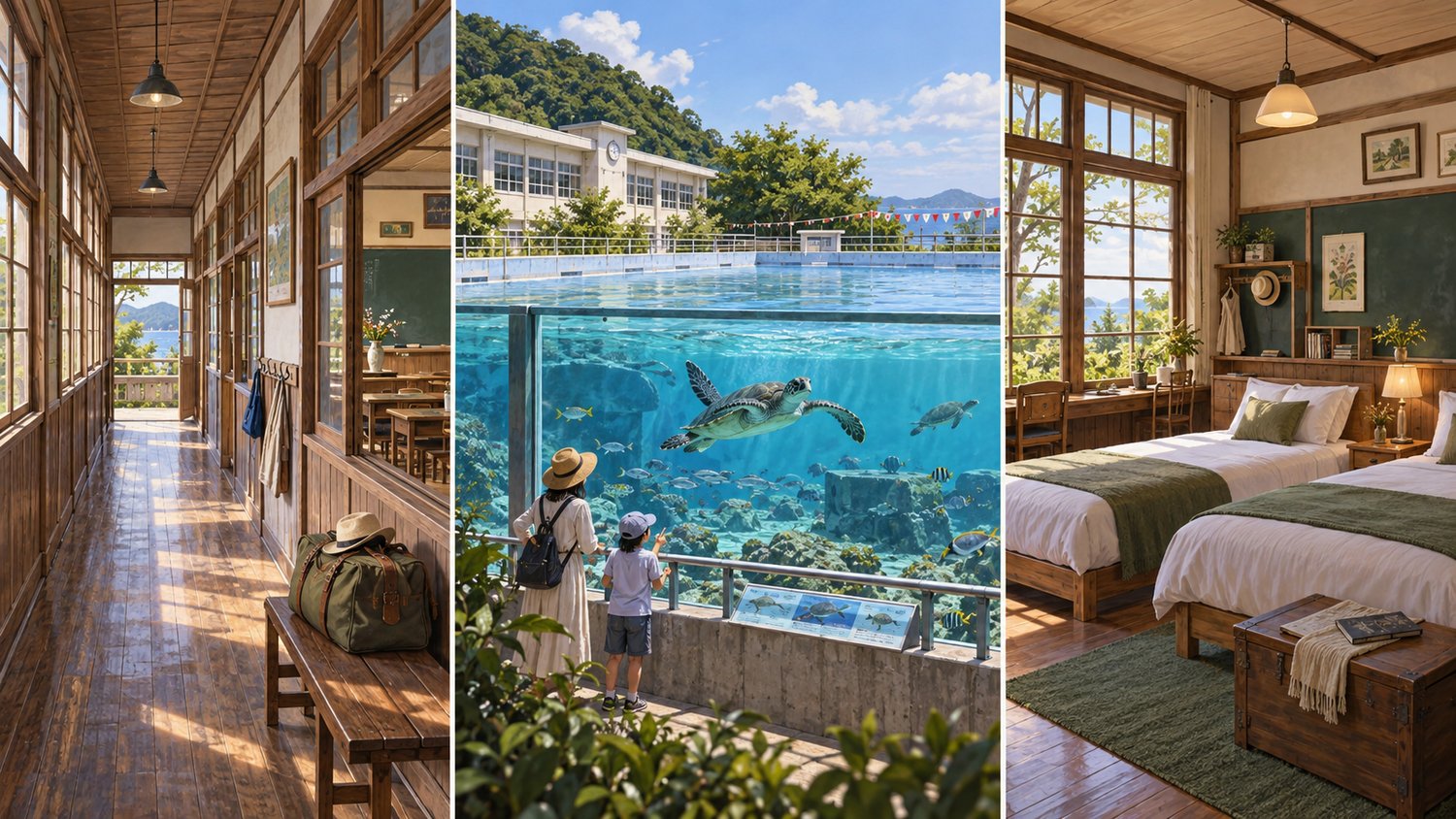
An abandoned school in Japan does not always disappear. Some return as places where travelers can sleep, eat, learn or meet local marine life. The interesting part is not nostalgia alone: each project keeps a different part of the original school ex...
Read More

JR Central's Supreme Class has a published launch date of 1 October 2026. It is not a conventional premium seat: it is a private cabin offered in two different cars. WHICH CABIN SHOULD YOU CHOOSE? Car 10 is designed for one guest. Car 7 can accommod...
Read More
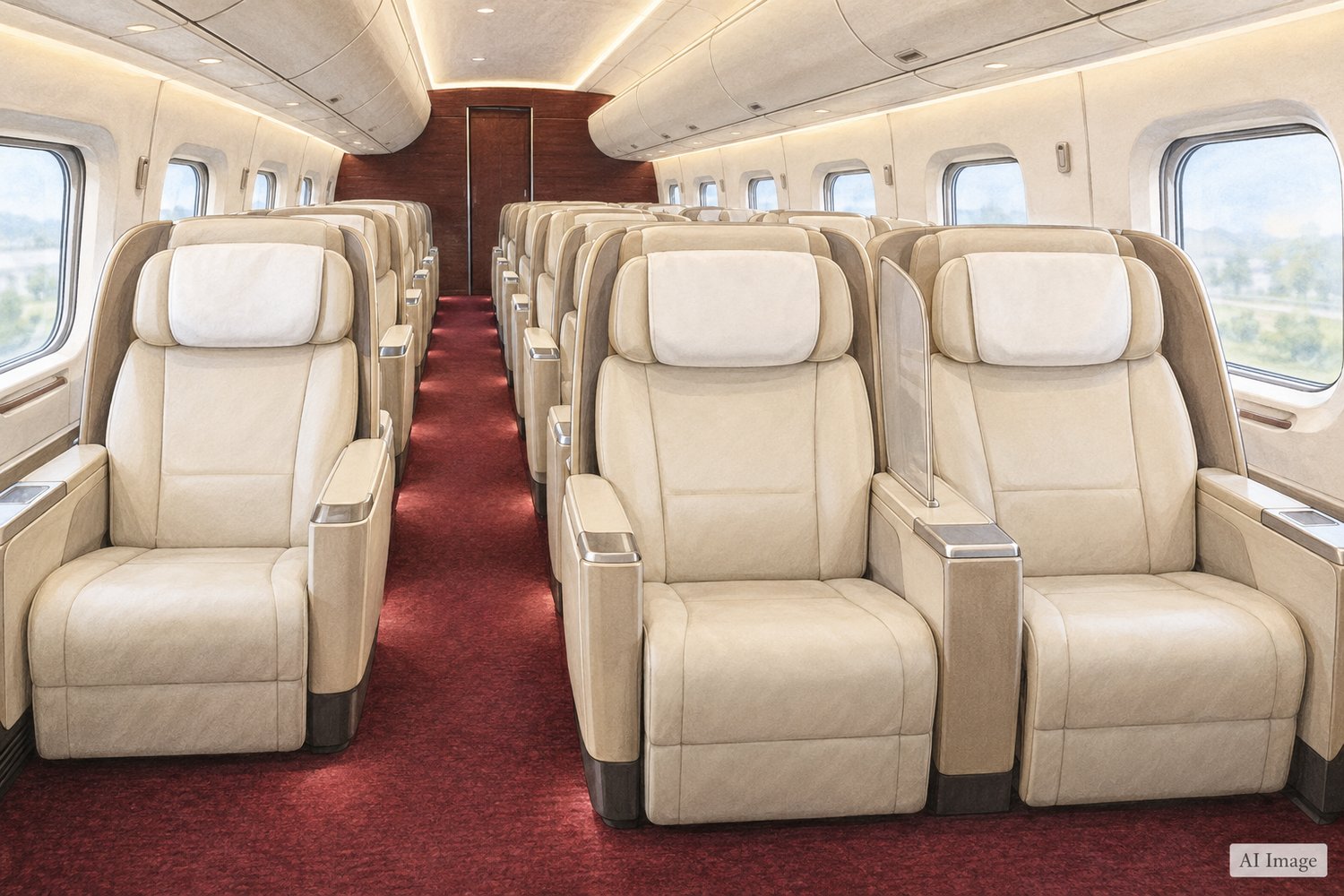
AI-generated illustration inspired by the E5/H5 GranClass interior: one seat on one side of the aisle and two on the other (1+2). AI Image appears lower right. Furniture details are interpretive; this is not a photograph or a Supreme Class cabin. Of...
Read More
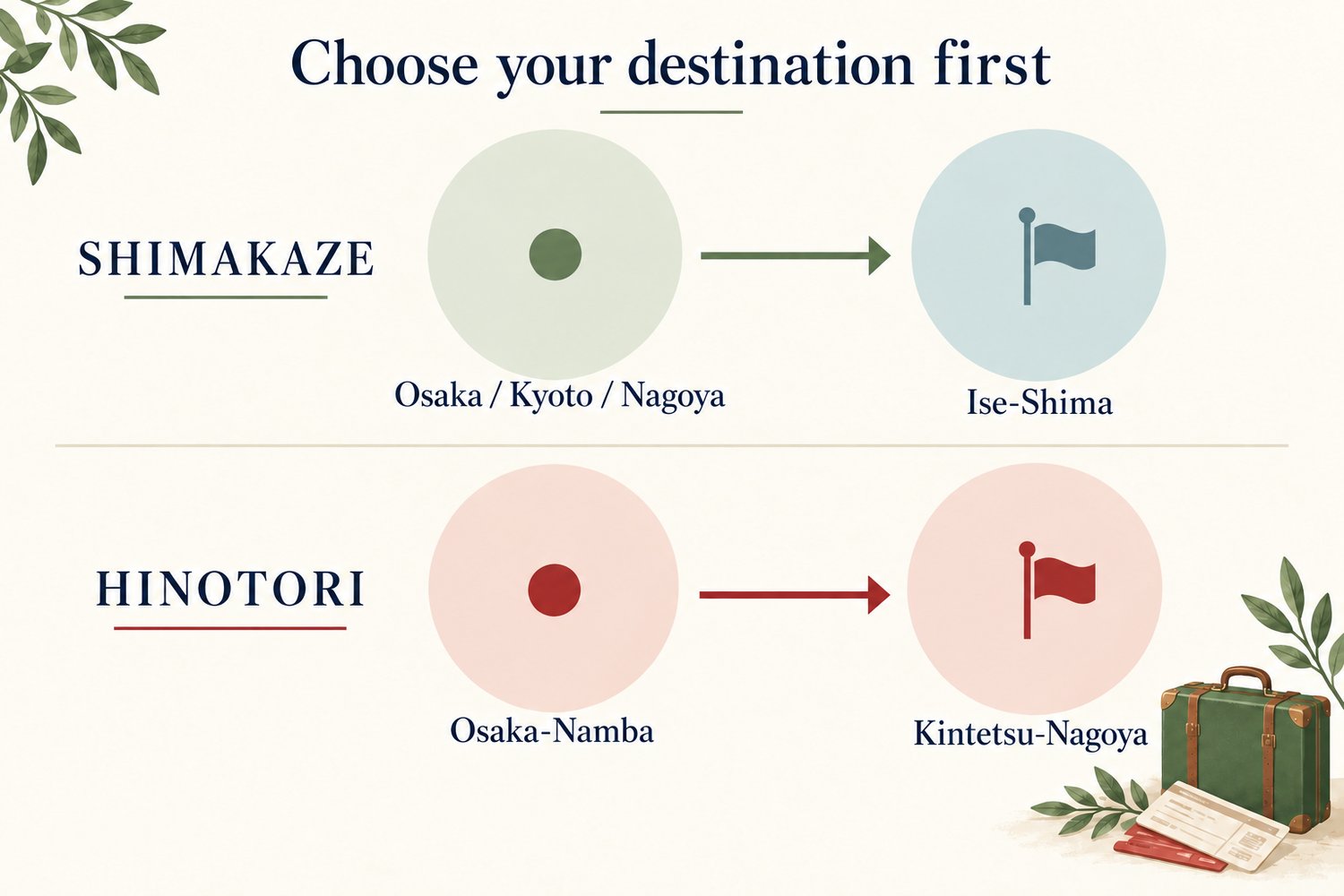
Shimakaze and Hinotori are both premium Kintetsu trains, but they solve different trips. Shimakaze is a sightseeing train to Ise-Shima from Osaka, Kyoto or Nagoya. Hinotori is a frequent intercity limited express between Osaka-Namba and Kintetsu-Nag...
Read More

SPACIA X runs from Asakusa toward Tobu-Nikko and Kinugawa-onsen, but choosing the train is only half the decision. The bigger question is which of its six seating styles fits your party, budget and interest in the onboard cafe. Before choosing a sea...
Read More
Japan's premium trains are not interchangeable. Supreme Class is a private-cabin product for the Tokaido-Sanyo-Kyushu Shinkansen. GranClass covers selected northern and Hokuriku routes. SPACIA X is built around Nikko and Kinugawa. Shimakaze makes Is...
Read More
Japan's urban boats are useful transport, not just cruises. Three easy examples let you replace a rail segment with a waterfront view: Asakusa to Odaiba in Tokyo, Yokohama Station to Yamashita Park, and Miyajimaguchi to Miyajima. 1. TOKYO: ASAKUSA T...
Read More
Japan's islands do not always require a domestic flight or a complicated multi-day plan. Sarushima, Naoshima and Miyajima each offer a very different island experience, but all can be reached from a major city or rail hub with a short final boat con...
Read More
Japan lets visitors experience volcanic landscapes in three very different ways: ride a ropeway over steaming ground in Hakone, walk through geothermal "hells" and cook with steam in Beppu, or cross Kagoshima Bay to an active volcano at Sakurajima. ...
Read More
The Shimanami Kaido is a roughly 70-kilometre cycling route between Onomichi in Hiroshima Prefecture and Imabari in Ehime Prefecture. It crosses islands of the Seto Inland Sea by a chain of bridges. The scenery is famous; the planning mistakes are l...
Read More
Japan's closed railway lines are not only ruins to photograph. Some have been rebuilt as supervised rail-bike attractions; another has become a free hiking route through unlit tunnels. The experience changes completely depending on whether you want ...
Read More
Tokyo does not have to be expensive every day. Three genuinely free places offer a skyline, a cabinet-of-curiosities museum and a history of Japanese advertising—and the same Shinjuku building adds a free projection-mapping show after dark. The usef...
Read More
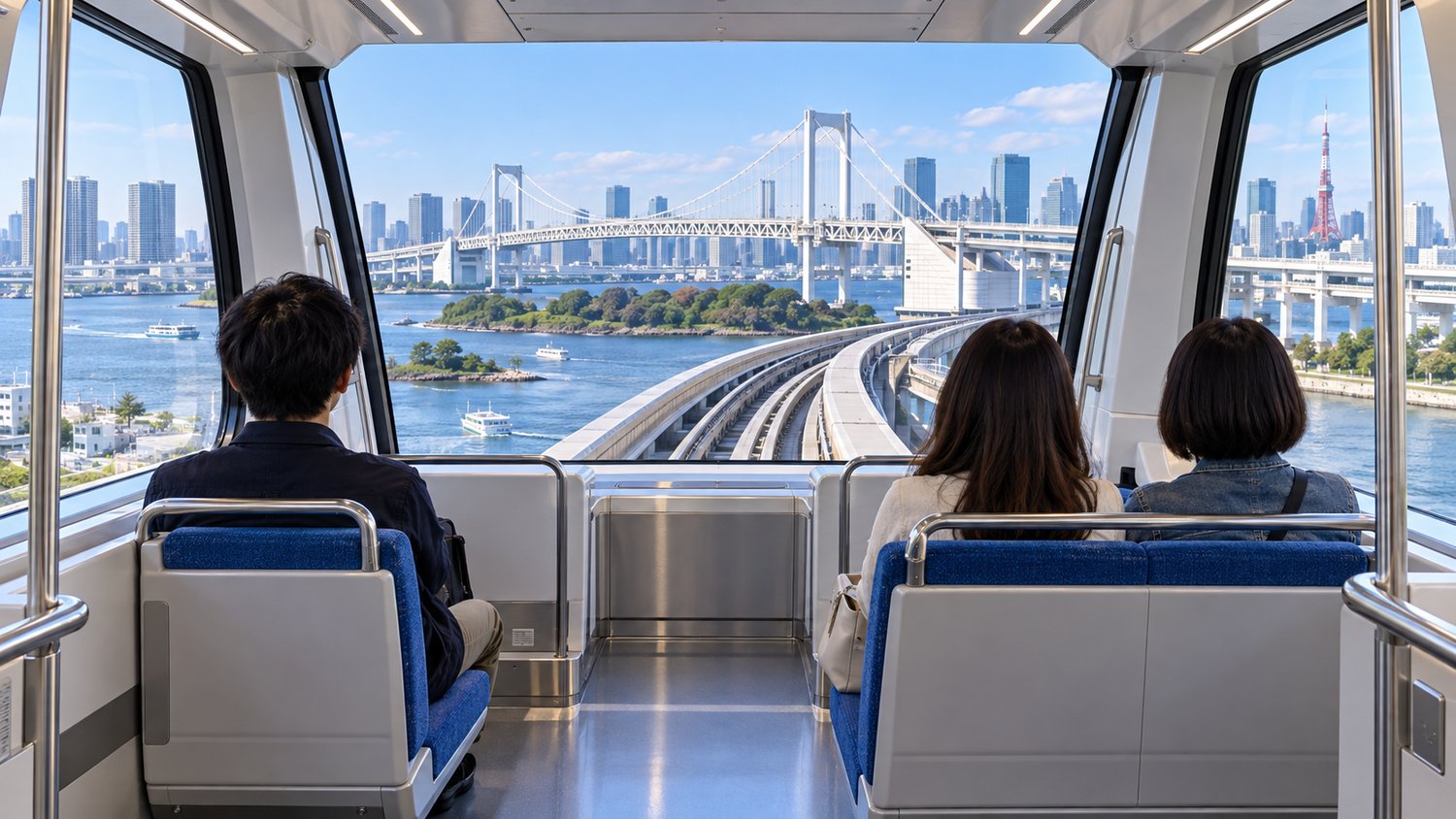
official operator information on 28 September 2026. Operating patterns, fares and access restrictions can change during events or service disruption. Use the official links above for the latest departure and fare.</p>Tokyo has a sightseeing ri...
Read More
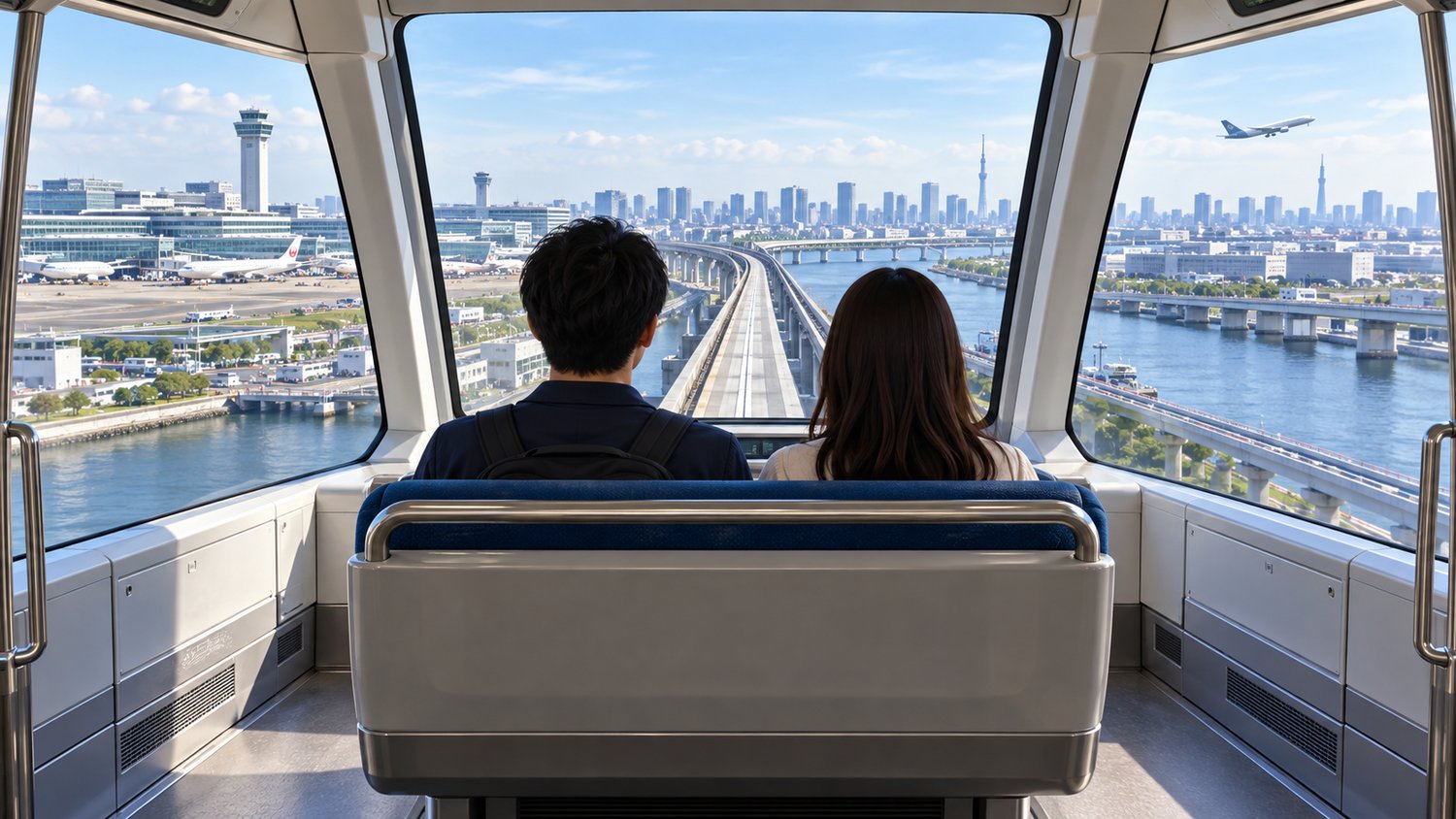
The Tokyo Monorail is not only an airport transfer. From the front of the train, Haneda’s runways, canals, warehouses, expressways and the Tokyo skyline arrive in one continuous panorama. Since November 2025, the operator has also used the route nic...
Read More