
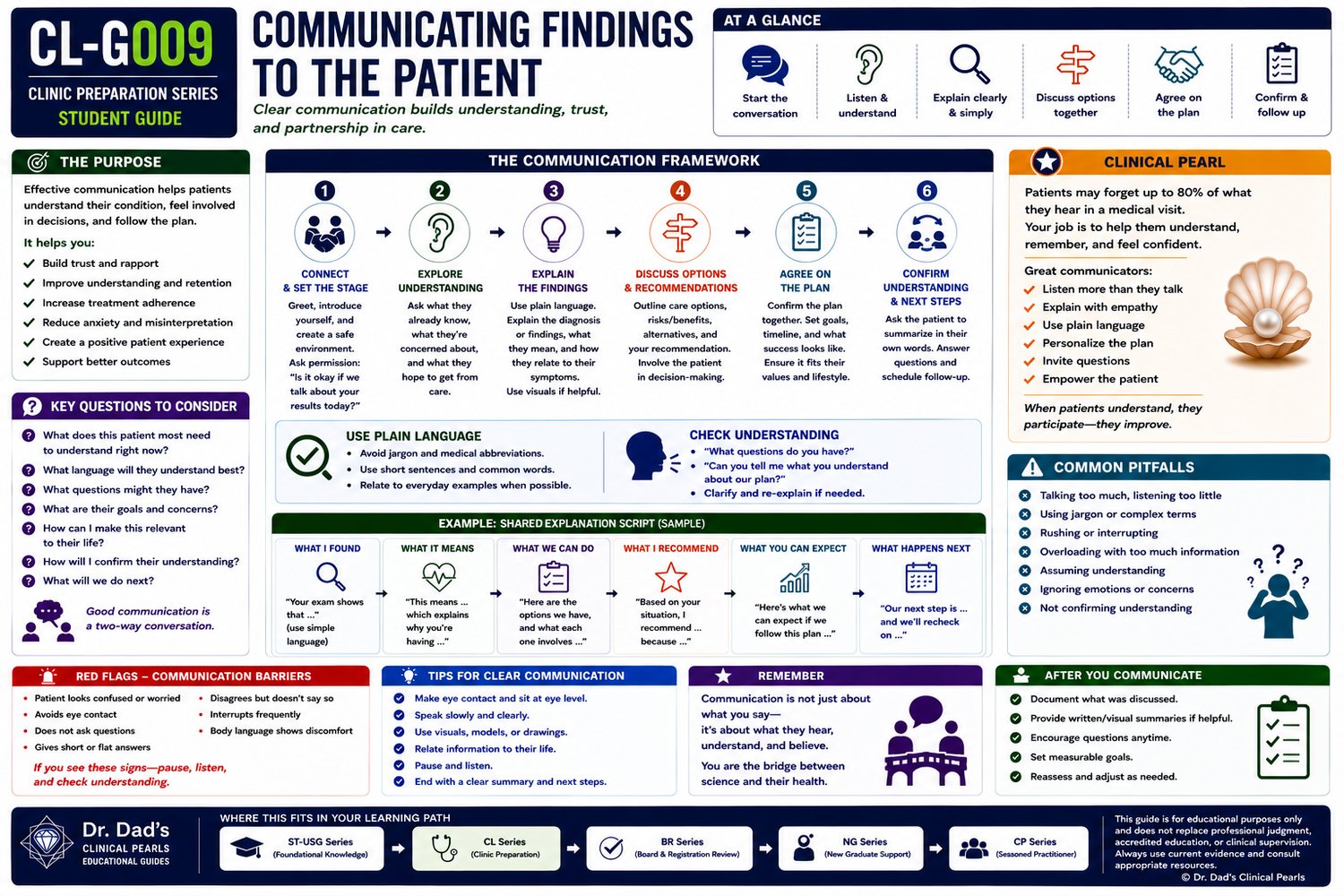
CL-G009 COMMUNICATING FINDINGS TO THE PATIENT
On Sale
$7.95
$7.95
Key Topics
- Organizing clinical findings before discussing them with the patient
- Explaining examination findings in clear, understandable language
- Translating clinical terminology without oversimplifying important information
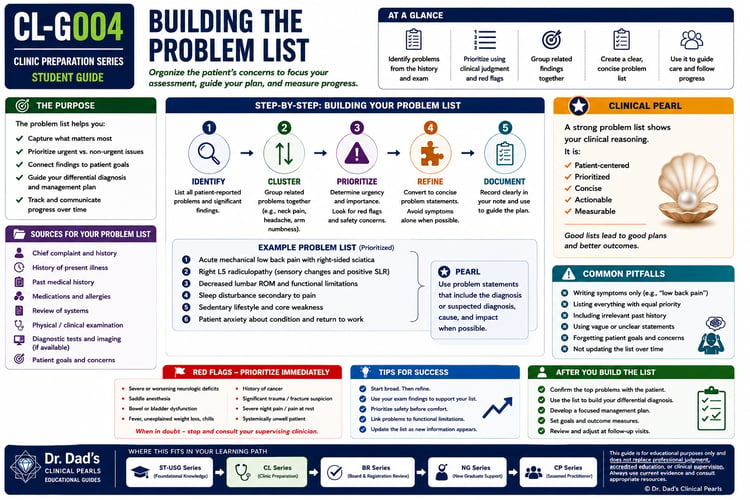
- Connecting examination findings to the patient’s chief complaint and functional concerns
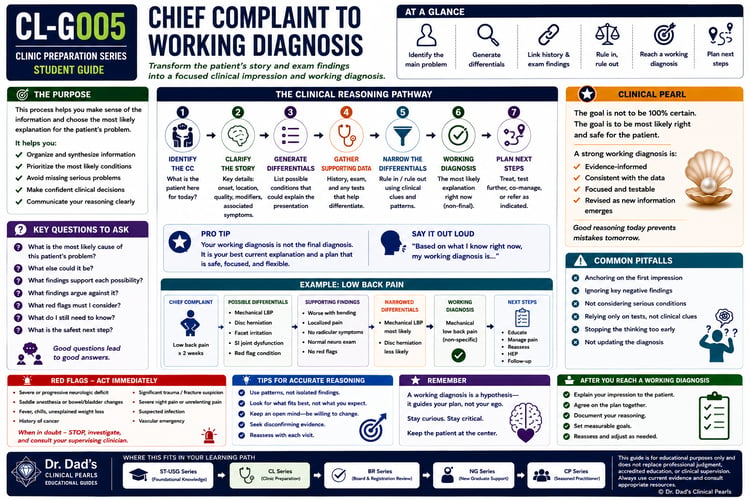
- Explaining the working diagnosis and relevant differential considerations
- Distinguishing confirmed findings from clinical uncertainty
- Discussing clinically significant abnormal findings appropriately
- Explaining when additional investigation or diagnostic testing may be necessary
- Communicating the rationale for treatment, referral, co-management, or reassessment
- Discussing expected outcomes and realistic timelines for improvement
- Explaining treatment options, benefits, limitations, and reasonable alternatives
- Avoiding exaggerated claims, guarantees, or unnecessarily alarming language
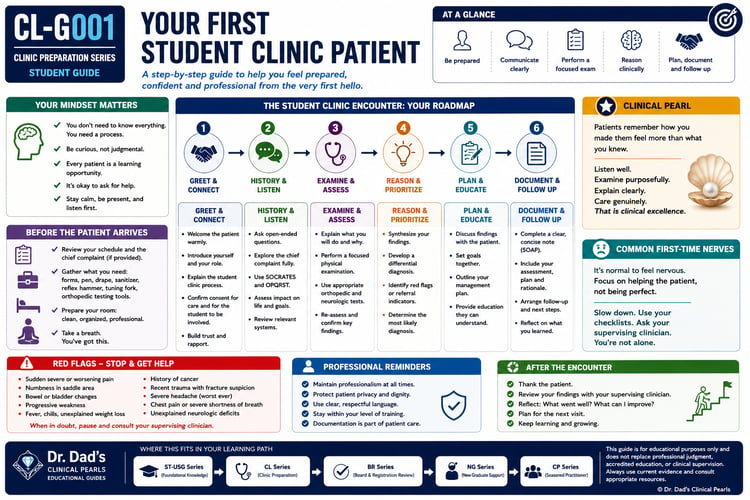
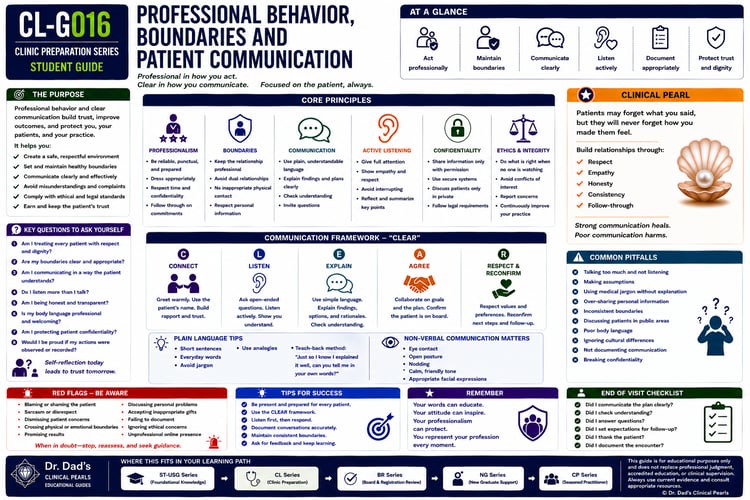
- Encouraging patient questions and confirming understanding
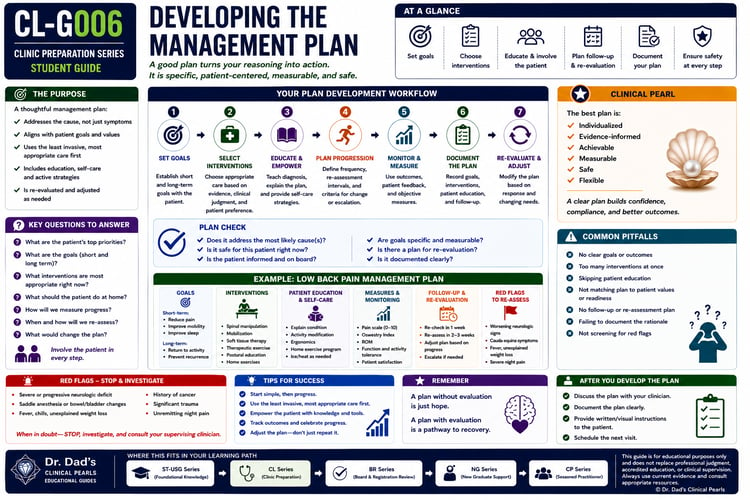
- Using shared decision-making when developing the management plan
- Adapting communication to the patient’s health literacy and individual needs
- Addressing patient concerns, expectations, and misconceptions
- Providing appropriate safety-net instructions and symptoms requiring further evaluation
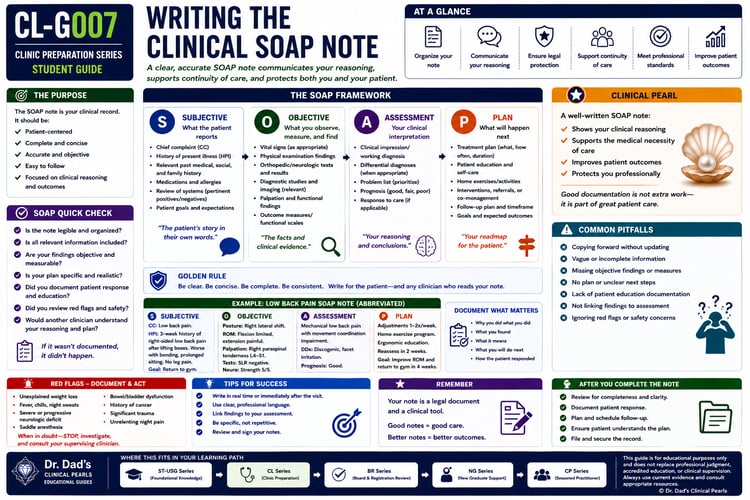
- Documenting important findings, recommendations, and patient discussions
- Building patient confidence through clear, professional, and patient-centered communication