

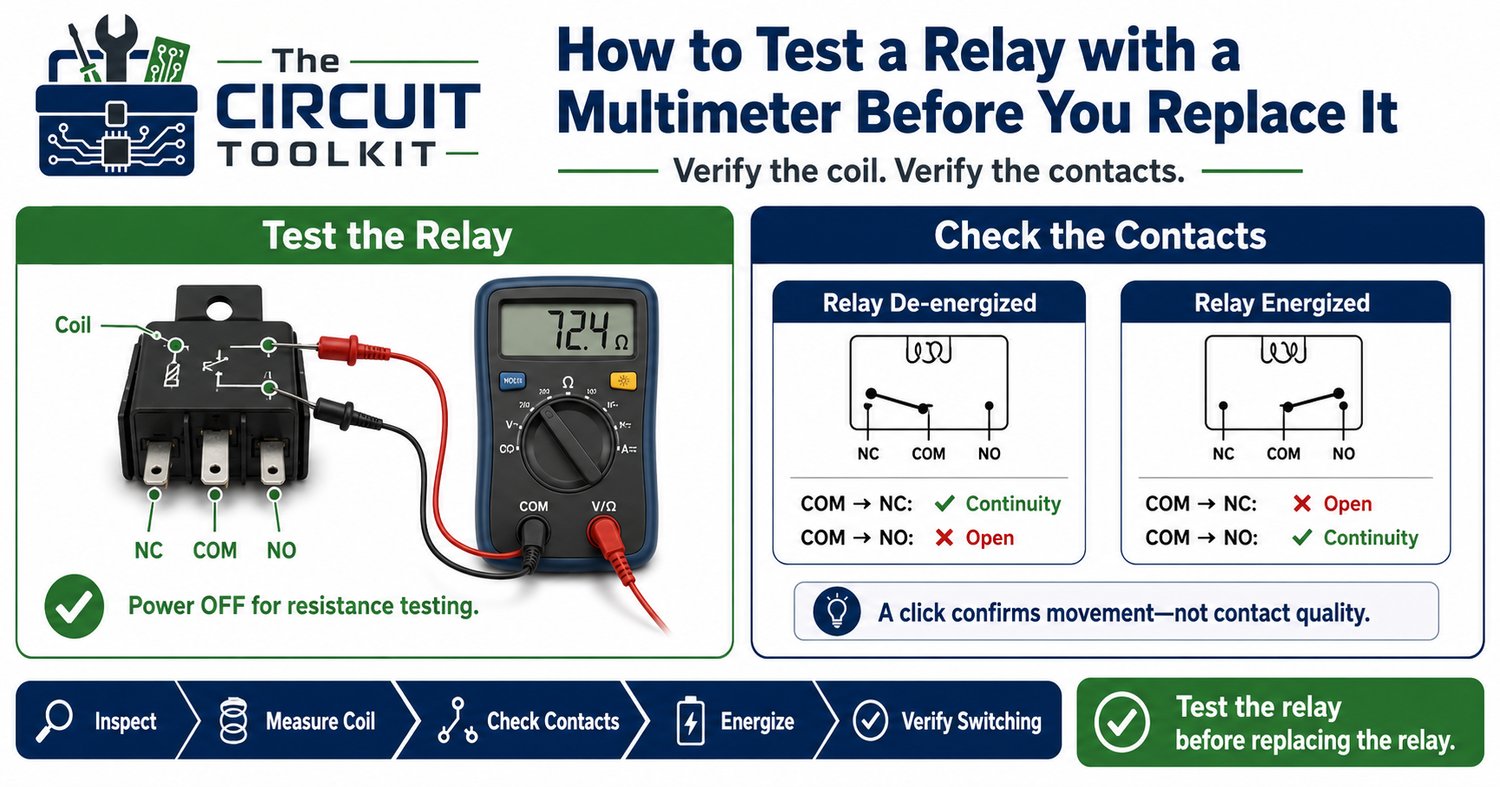
Relays are found in everything from industrial control panels and automotive systems to power supplies and embedded electronics. Because they switch electrical loads, they're often blamed when equipment stops working. But replacing a relay simply be...
Read More
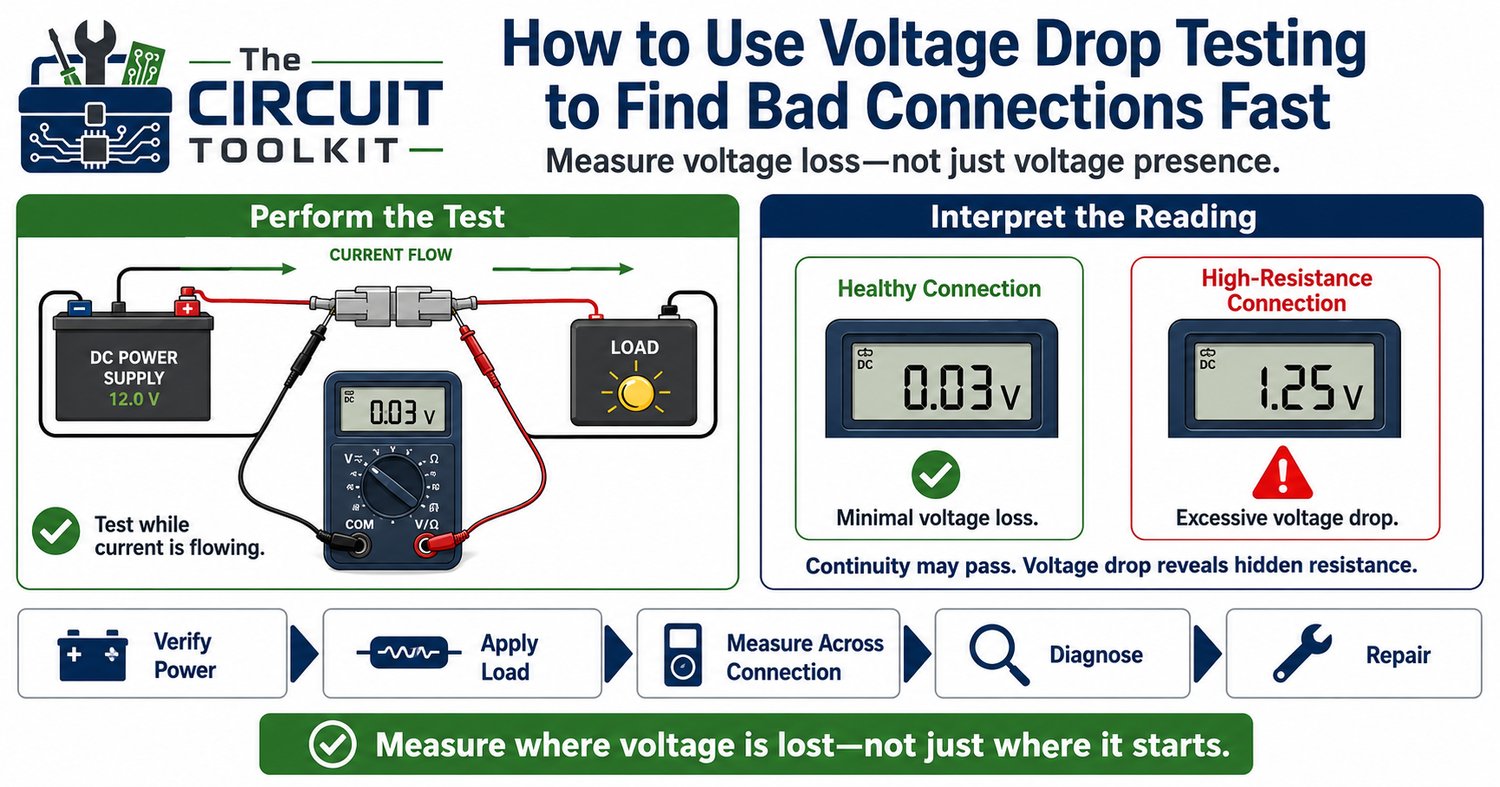
One of the most overlooked diagnostic techniques in electronics and electrical troubleshooting is voltage drop testing. Many technicians verify that voltage is present, check continuity, and replace parts that "look suspicious." Yet a circuit can ha...
Read More

One of the most common mistakes in electronics troubleshooting happens within the first minute of opening a device. The technician finds a fuse. The equipment won't power up. The fuse looks burned. So it gets replaced. Sometimes the equipment immedi...
Read More
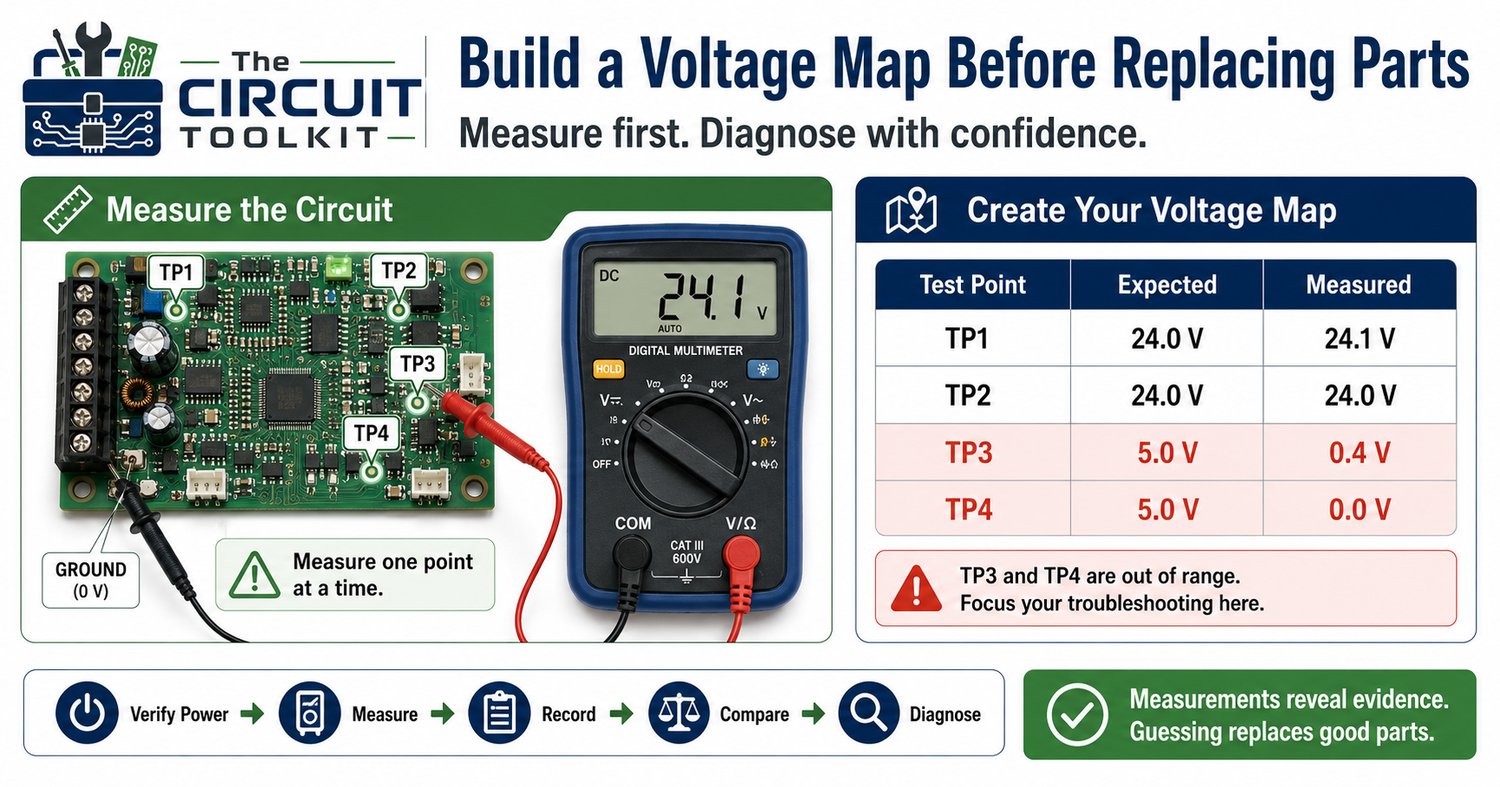
One of the biggest differences between a beginner and an experienced electronics troubleshooter isn't the quality of their multimeter—it's the way they collect information. Beginners often measure one point, replace a component, power the circuit ag...
Read More
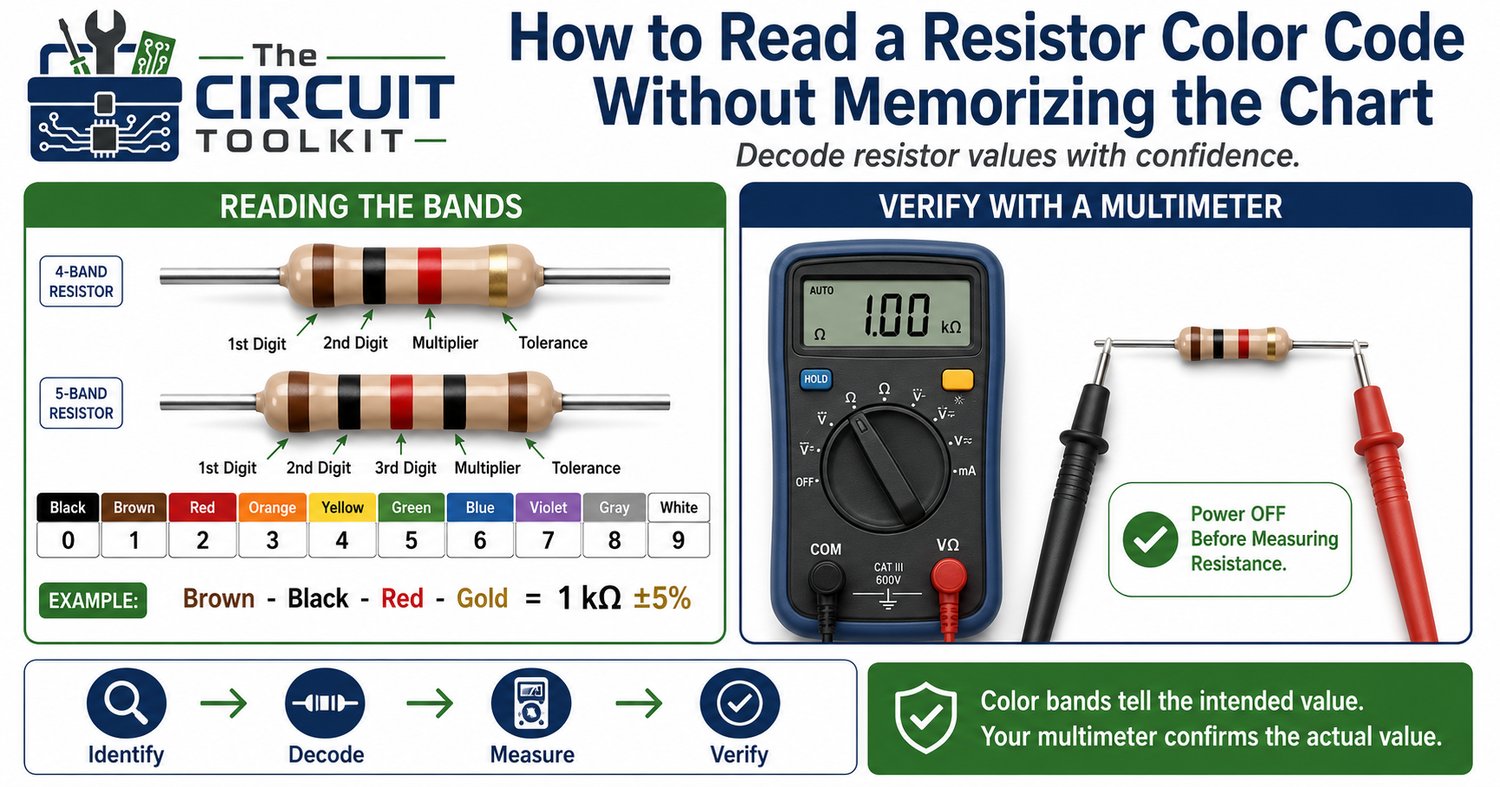
If you've ever looked at a resistor and thought, "How is anyone supposed to remember all of these colors?" you're not alone. For many beginners, resistor color codes feel like something you must memorize before you can troubleshoot electronics. Fort...
Read More

When a circuit suddenly stops working, one of the first tools many technicians reach for is the continuity function on a digital multimeter. It's fast, convenient, and often gives an instant answer with a familiar beep. But that beep is also one of ...
Read More
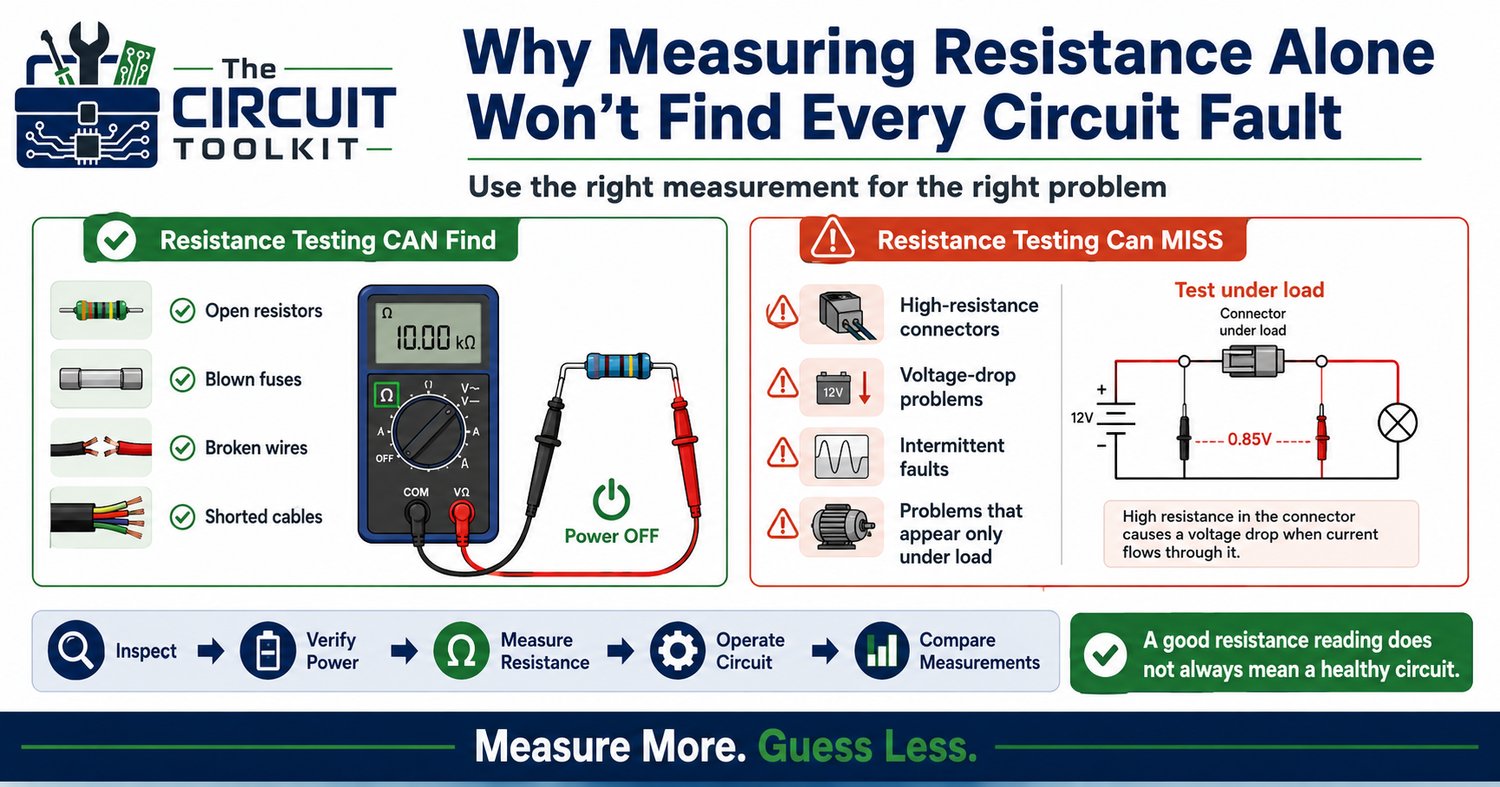
One of the first things most technicians learn is how to measure resistance. It's simple. Turn off the circuit, switch the multimeter to Ω, touch the probes, and compare the reading to the expected value. Resistance measurements are extremely valuab...
Read More
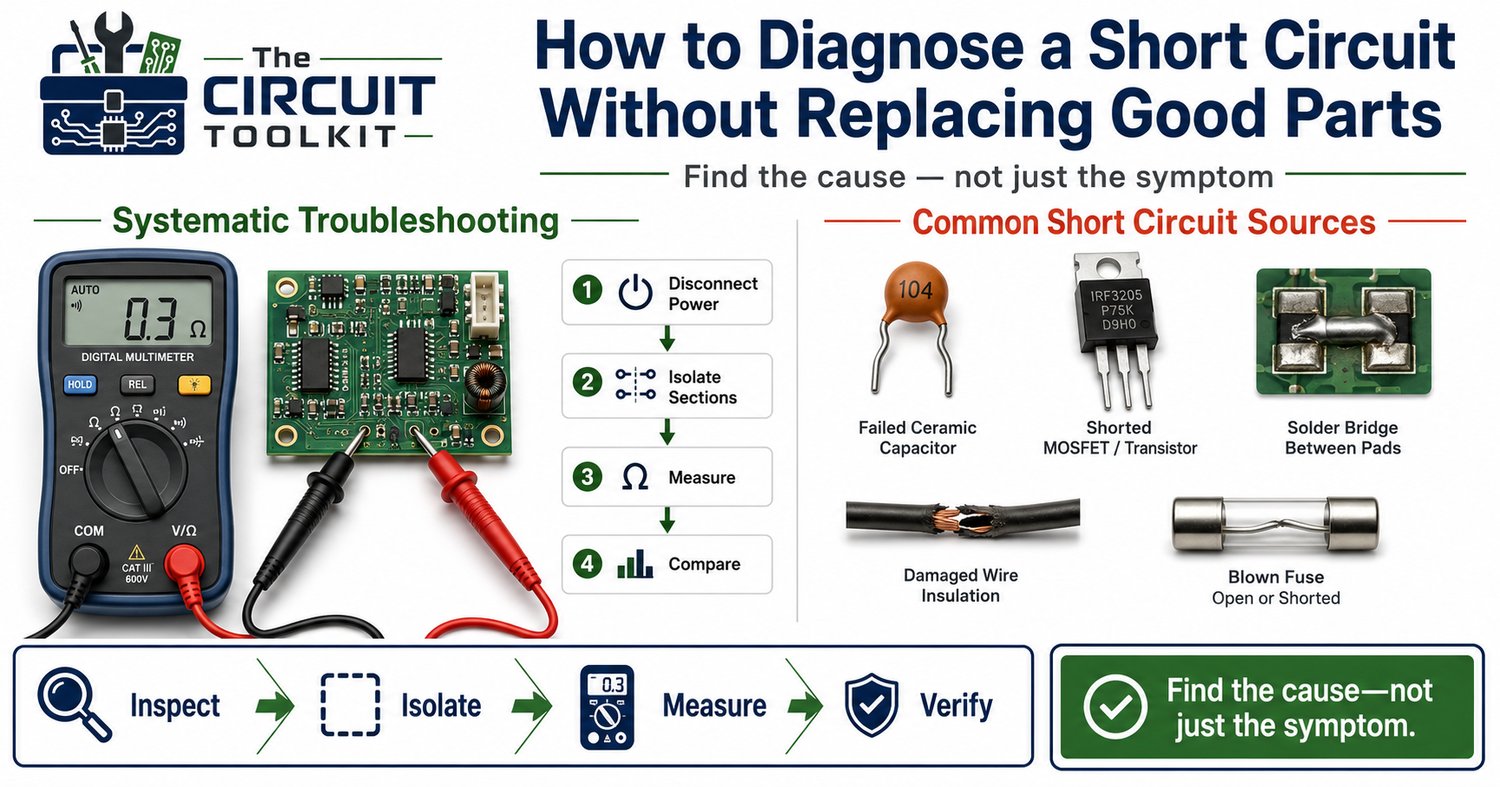
One of the fastest ways to waste time during an electronics repair is to assume the first component that looks suspicious is the one that failed. A blown fuse. A burnt resistor. A damaged connector. These are often symptoms, not the actual cause. Ma...
Read More
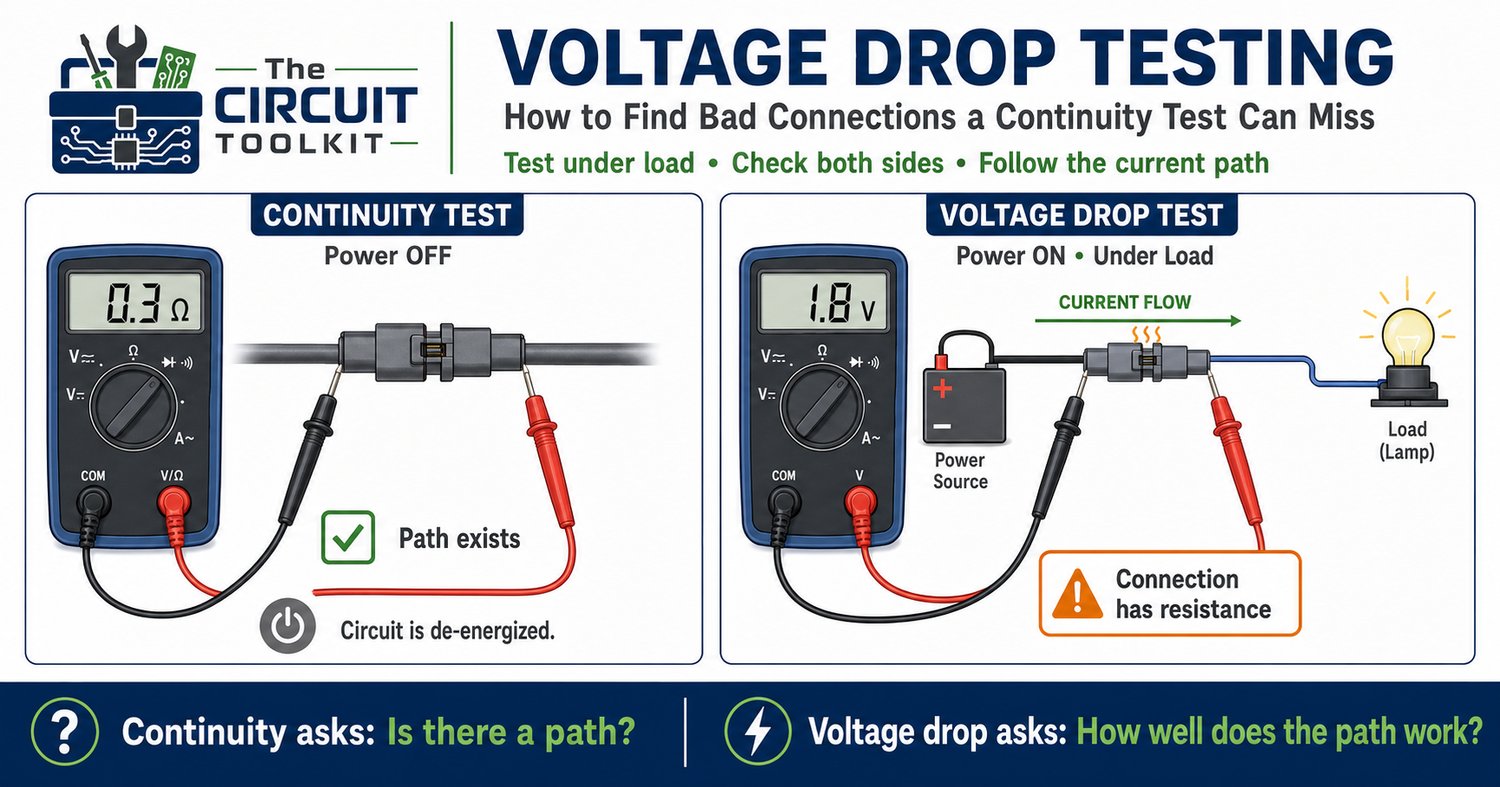
A circuit stops working correctly, so you turn off the power, grab your multimeter, and check continuity through the wiring. Beep. The connection looks good. You power the circuit again—and the problem is still there. This is a common troubleshootin...
Read More
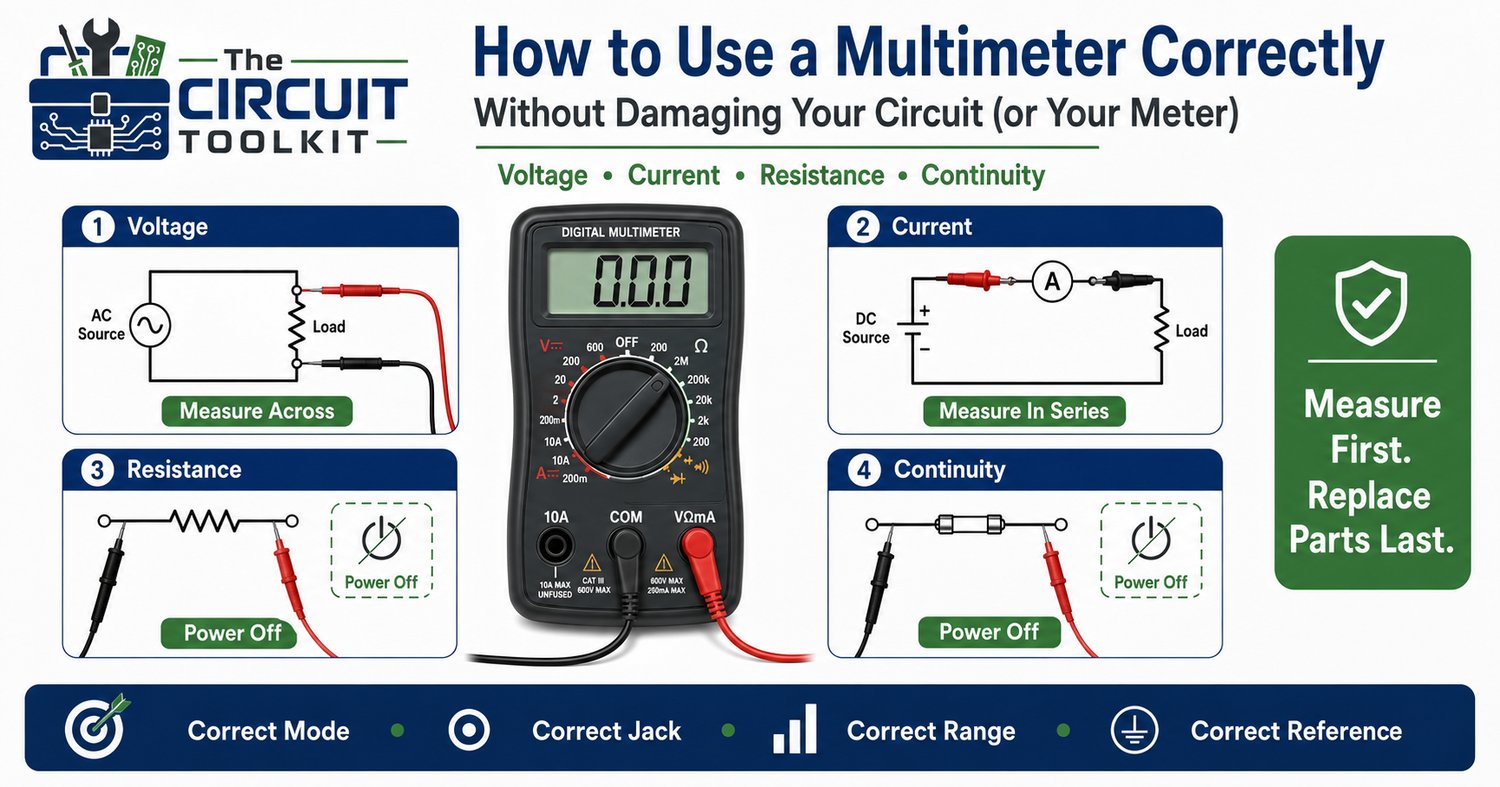
If there's one tool every electronics technician owns, it's the digital multimeter (DMM). Whether you're troubleshooting a power supply, checking a resistor, verifying a fuse, or diagnosing a dead circuit board, the multimeter is usually the first i...
Read More
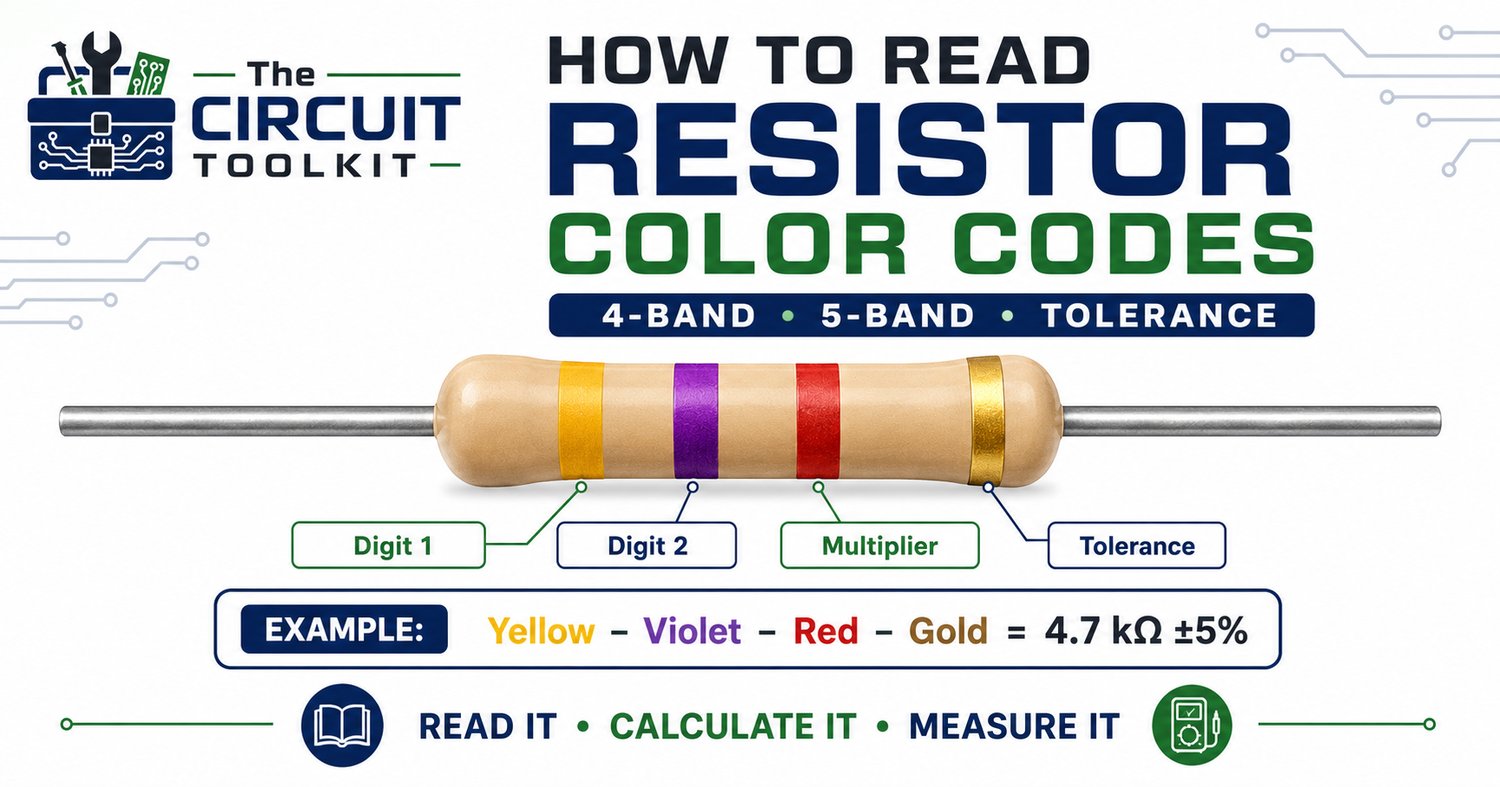
You pull a resistor from a circuit board. There is no printed value—just a series of colored bands. Can you determine its resistance without reaching for a meter? For electronics technicians, students, and hobbyists, resistor color codes are worth u...
Read More
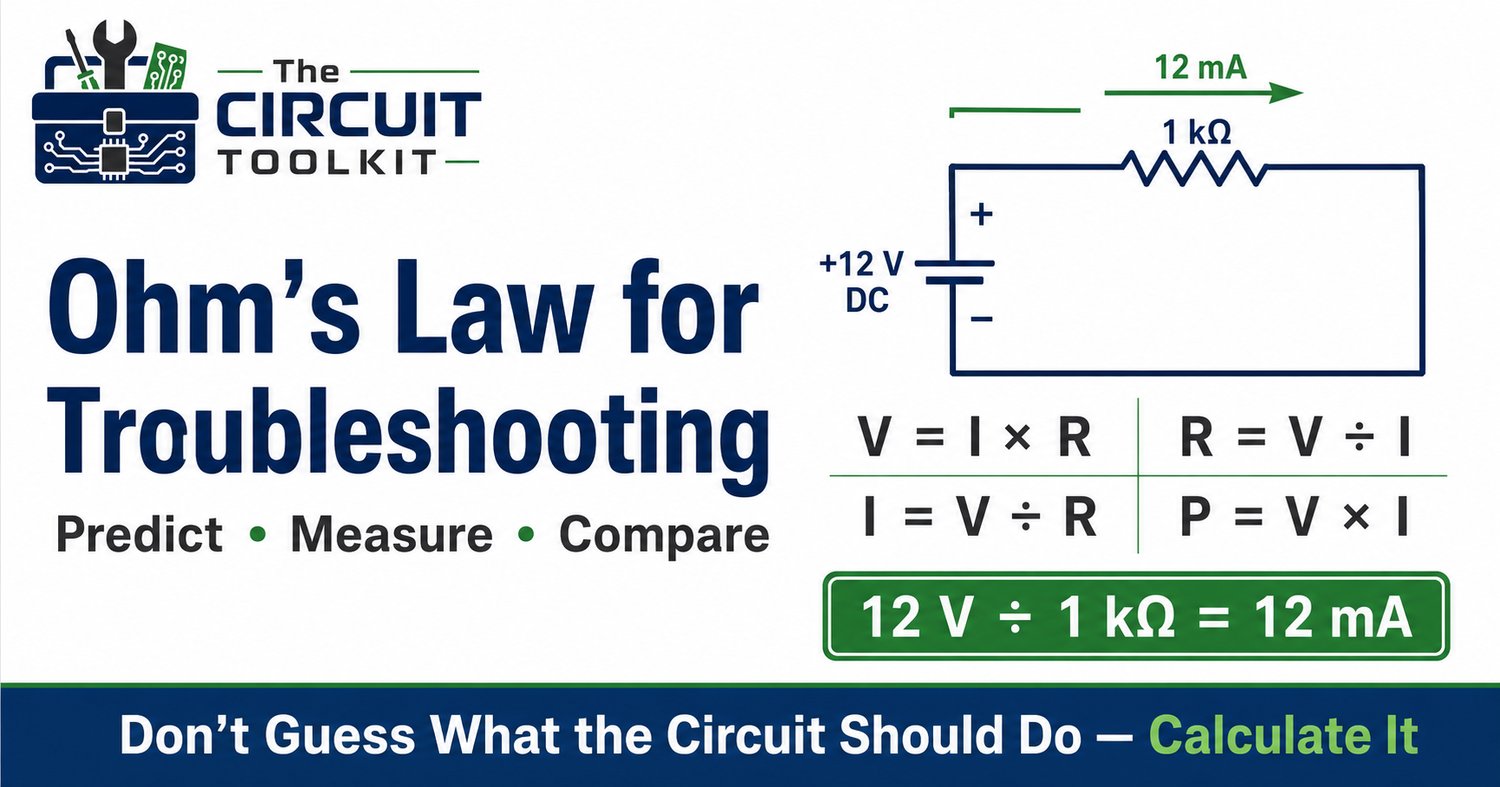
Ohm’s Law is often introduced as one of the first equations in electronics: V = I × R It looks simple enough that it can be tempting to memorize the formula, pass the test, and move on. But for a technician, Ohm’s Law is much more valuable than that...
Read More
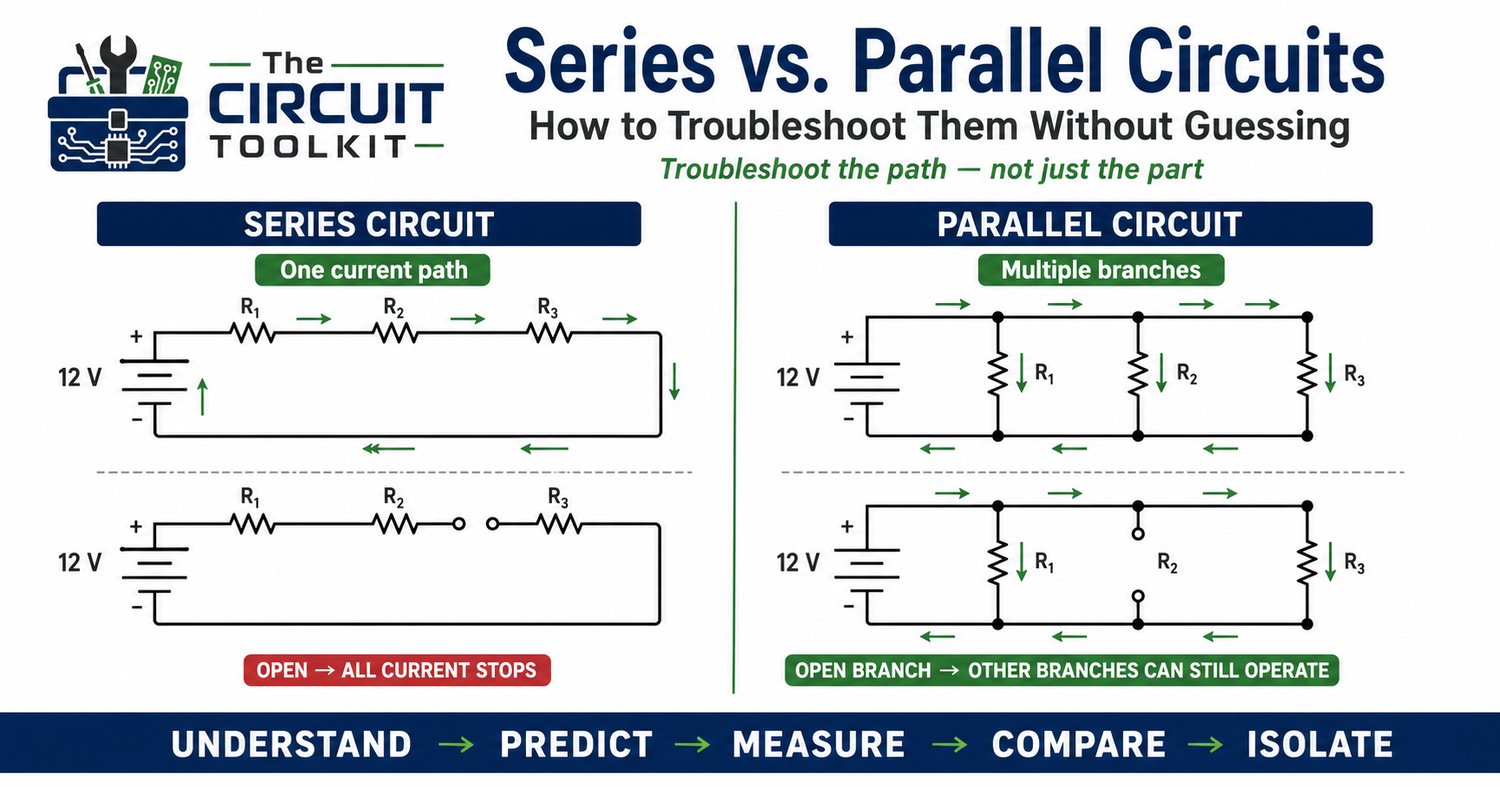
Series and parallel circuits are usually introduced during the first few lessons in electronics. The formulas are straightforward, so it is easy to treat the subject as something you learn once and leave behind. At the troubleshooting bench, however...
Read More
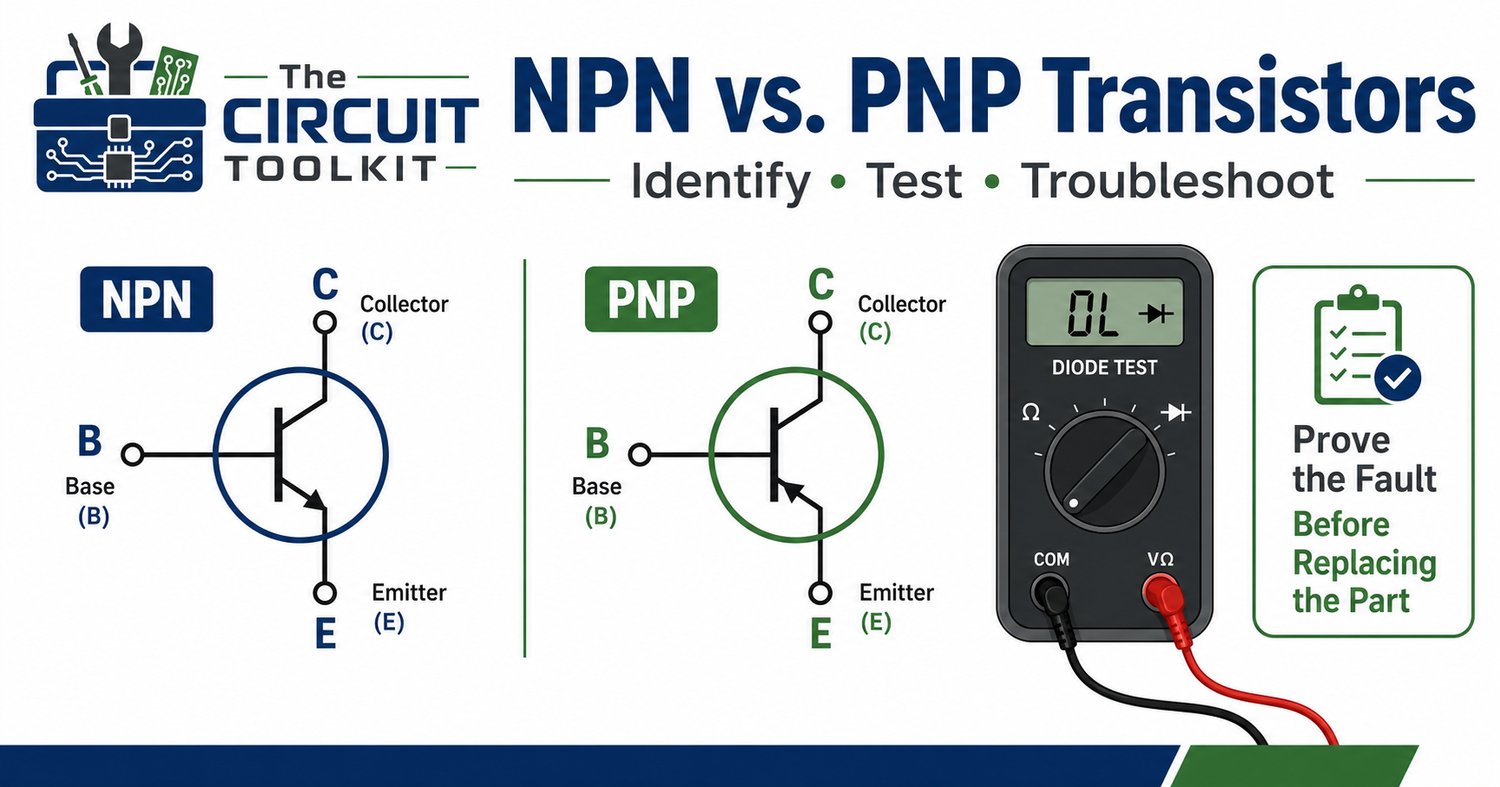
Transistors are everywhere. They switch relays, control LEDs, amplify signals, drive motors, interface microcontrollers with larger loads, and perform countless other jobs. When a transistor circuit fails, however, replacing the transistor immediate...
Read More
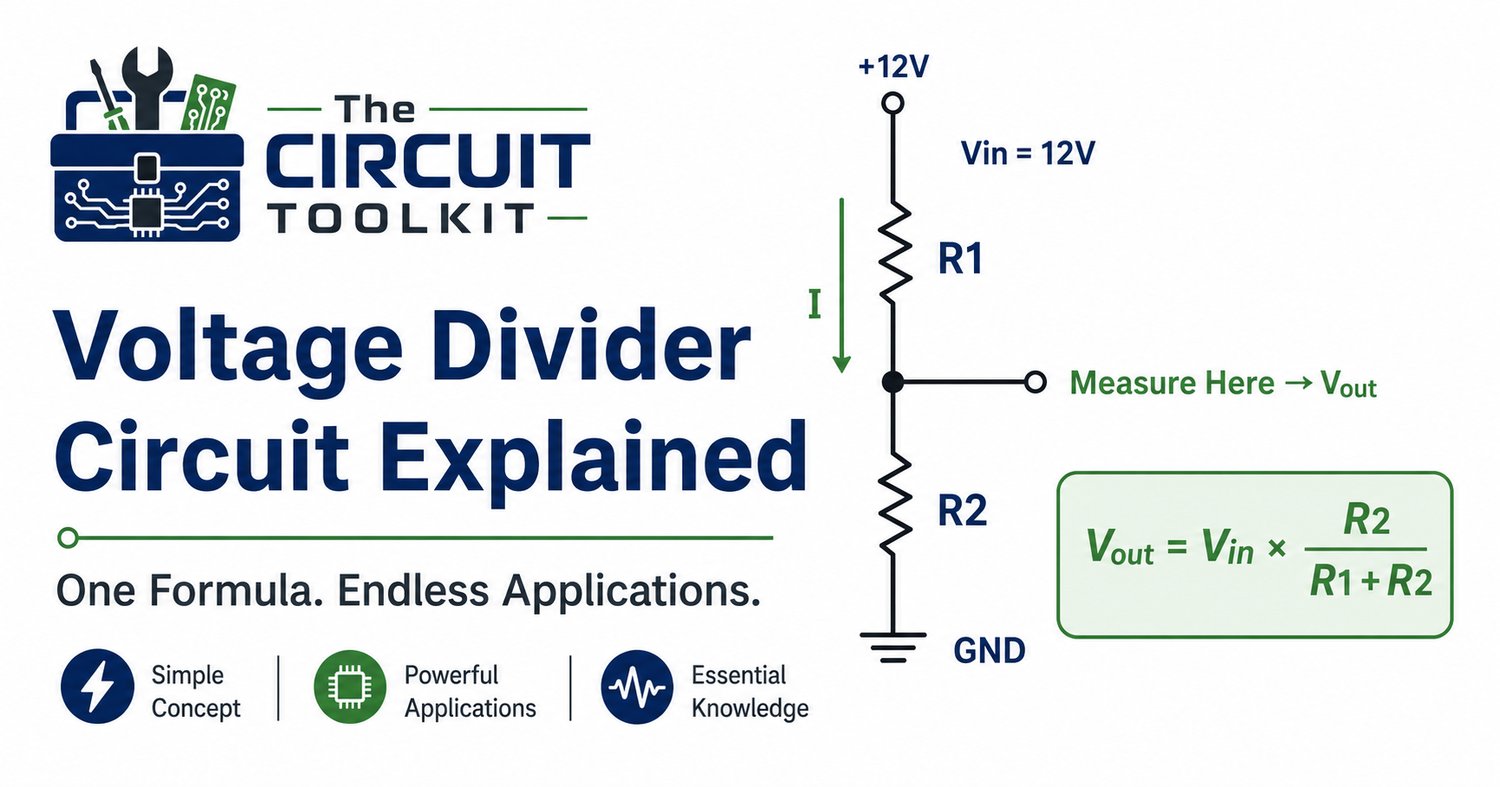
If there is one circuit that appears in almost every area of electronics—from Arduino projects to industrial control systems—it is the voltage divider. Understanding how it works is one of the biggest milestones for students learning electronics bec...
Read More